
Category: Enterprize


Research an issue or event publish it for gain.

Write it up, there is profit in all work.

MLA  APA does a paper… Beat the fake stuff.

Let’s explore some different ways to research a topic!  I’ll break it down into categories and give examples.  The best approach often involves combining several of these methods.
1. Traditional Academic Research:
* Library Resources:
   * Books:  In-depth information, often peer-reviewed. Use library catalogs (online or physical) to find relevant books.
   * Academic Journals:  Scholarly articles, often presenting original research.  Databases like JSTOR, PubMed, ScienceDirect, and others are crucial. Your local library likely provides access.
   * Reference Works: Encyclopedias (like Britannica or specialized subject encyclopedias), dictionaries, handbooks, and atlases provide background information and context.
   * Special Collections/Archives:  Unique primary sources like letters, diaries, manuscripts, and photographs, valuable for historical research.
* Online Databases:  Beyond library databases, explore free or paid online databases relevant to your topic.  Examples include government data repositories, news archives, and specialized research databases.
2. Digital Research (Beyond the Library):
* Search Engines (Strategically):  Use advanced search operators (like quotation marks for exact phrases, minus sign to exclude words, site: to search within a specific website) to refine your searches.  Be critical of the information you find, as not everything online is reliable.
* Reputable Websites:  Look for websites of established organizations, institutions, government agencies, and experts in the field. Check for author credentials, sources cited, and potential biases.
* Digital Archives:  Many archives are going digital, making their collections accessible online.
* Online Communities and Forums:  While not always scholarly, these can offer insights into different perspectives and real-world experiences related to your topic. Be cautious about verifying information found in these spaces.
* Multimedia Resources:  Podcasts, videos (YouTube channels of experts, documentaries), and online courses can offer engaging ways to learn about a topic.
3. Primary Research (Gathering Your Own Data):
* Interviews:  Talking to experts or people with relevant experience can provide valuable firsthand information.  Prepare your questions in advance.
* Surveys:  Collecting data from a larger group of people through questionnaires.  Careful design of the survey is essential.
* Experiments:  If your topic lends itself to it, conducting experiments can help you test hypotheses.
* Observations:  Observing real-world situations related to your topic can offer valuable insights.
* Document Analysis:  Examining existing documents (letters, reports, contracts, etc.) to glean information.
4. Exploring Different Perspectives:
* Consider Multiple Viewpoints:  Don’t just rely on sources that agree with your existing beliefs.  Seek out different perspectives and arguments to get a more complete picture.
* Look for Bias:  Be aware that all sources have some degree of bias.  Consider the author’s background, potential motivations, and funding sources.
* Consult Diverse Sources:  Don’t just rely on sources from one country or cultural group.  Explore perspectives from different parts of the world.
5. Organizing Your Research:
* Note-Taking:  Develop a consistent system for taking notes.  Include source information so you can properly cite your work.
* Citation Management Tools:  Tools like Zotero or Mendeley can help you organize your sources and create bibliographies.
* Mind Mapping:  Creating a visual representation of your research can help you see connections between different ideas.
Example: Researching Climate Change
* Traditional: Read IPCC reports (academic), search for peer-reviewed articles on climate modeling (journals), consult an encyclopedia of environmental science.
* Digital: Explore NASA’s climate change website (reputable), watch documentaries on climate change impacts, follow climate scientists on social media.
* Primary: Interview a climate scientist, analyze local weather data, observe changes in your local environment.
* Perspectives: Read articles from different political viewpoints on climate change, consider the perspectives of developing nations.
Remember to always evaluate your sources critically and cite them properly to avoid plagiarism.  Good luck with your research!

Then make a video..

Don’t be nice…

Canadians should be: Tough on what could be “continued Vasseliseing”! Opinion.

Editor’s Note:

There is Merit in the problems and the solutions are in reach. No panic, application mutes action when settled. Always keep the conversation going and civil.

Troy lives on

This looks good…

Headquartered in El Paso, Texas. This company has a very interesting code of conduct for its products. It seems to be fitting with the need at this time to address unethical trade practices that might attract sanctions from an incoming new government.

The company does more than 200 Billion annually in claimed ethical wares.

Ethically sourced supply chains are scrutinized for things like child labor, slave labor. 

Continue reading

Wednesday charm

Get it in get it good get it glad.

Some small joys are back in BC

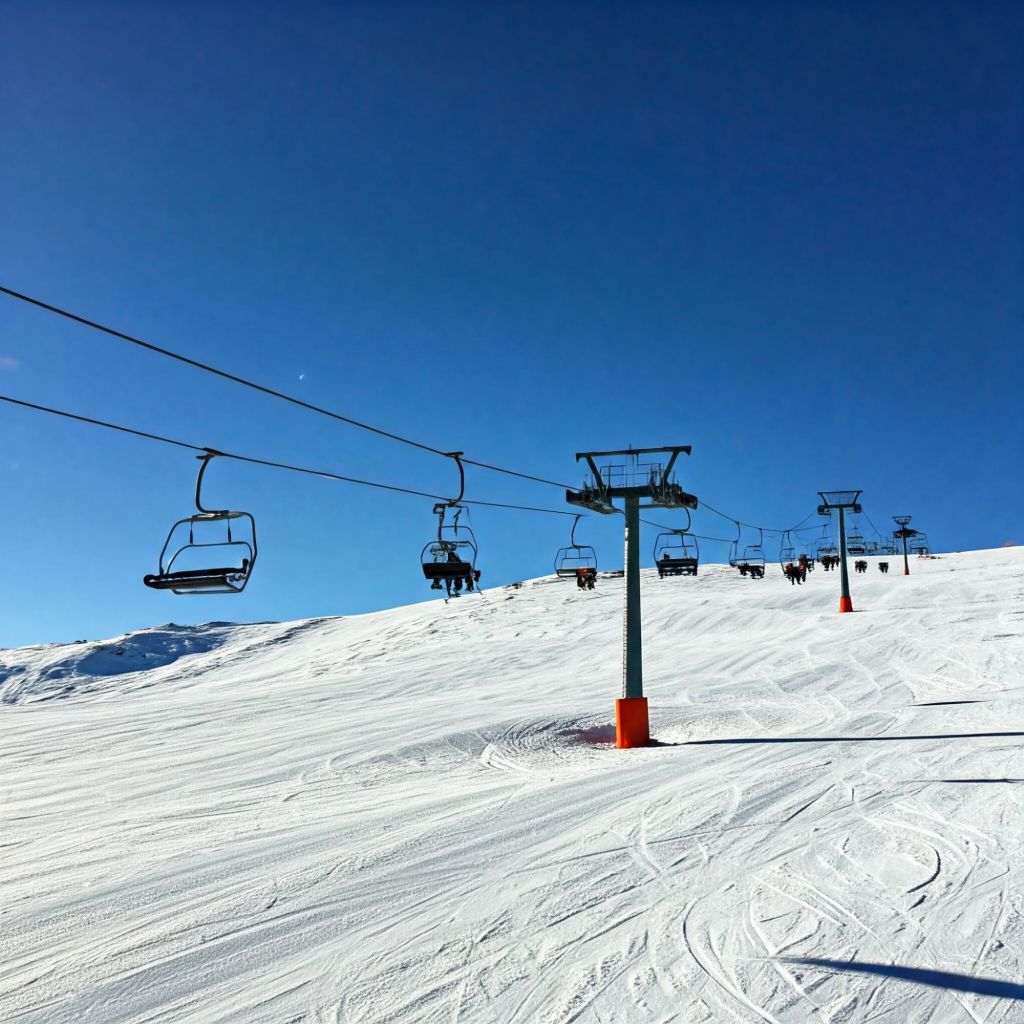
The joy of skiing is back for BC, while just at bay extreme weather and dangerous temperatures are muted and we hope not just a window.

Happy first day of 2025.

To maximize enjoyment and safety while downhill skiing in British Columbia, consider these factors:
Timing:
* Shoulder Seasons (November/Early December & March/April):
   * Pros: Fewer crowds, potentially better deals on accommodation and lift tickets, pleasant weather.
   * Cons: Snow conditions may be less consistent, some lifts/terrain might be closed.
* Peak Season (December-February):
   * Pros: Consistent snow, wide variety of open terrain, festive atmosphere.
   * Cons: Higher prices, longer lift lines, more crowded slopes.
Location:
* Whistler Blackcomb: World-renowned, diverse terrain, excellent snow record.
* Revelstoke Mountain Resort: Massive vertical drop, challenging terrain, incredible powder.
* Kicking Horse Mountain Resort: Steep and challenging, unique terrain, stunning scenery.
* Sun Peaks Resort: Family-friendly, good value, variety of terrain.
* Smaller Resorts: Often offer a more relaxed atmosphere, shorter lift lines, and unique charm.
Safety:
* Take a lesson: Even experienced skiers can benefit from a refresher or learn new techniques.
* Rent appropriate equipment: Make sure your skis/snowboard and boots fit properly.
* Ski within your ability: Don’t attempt runs that are too difficult for you.
* Be aware of your surroundings: Look uphill before merging onto the run.
* Control your speed: Adjust your speed to match the conditions and other skiers.
* Stay hydrated and nourished: Bring snacks and water to avoid fatigue and dehydration.
* Wear a helmet: Helmets are essential for safety.
Practical Tips:
* Book accommodations and lift tickets in advance, especially during peak season.
* Check the snow report and weather forecast before you go.
* Pack layers of clothing to adjust to changing temperatures.
* Bring sunscreen, sunglasses, and lip balm.
* Consider purchasing a season pass or multi-day lift ticket for significant savings.
* Take advantage of après-ski activities to relax and socialize.
By following these tips, you can enhance your enjoyment and ensure a safe and memorable downhill skiing experience in British Columbia.
Disclaimer: This information is for general guidance only and should not be considered professional advice. Always prioritize safety and consult with qualified instructors or guides for specific situations.

500 million dollars BC Hydro. This project is going to be done by BC Hydro. Although their name Hydro connotates the fact that they own every drop of water in British Columbia as a monopoly for power generation. They are expanding wind farms and power smart are in their resume.

New

Environmental assessment waived

The company has just been directed to do everything as efficiently as possible and they’re waiving the environmental assessment. Which may in one case be reasonable because of the wind and its passiveness. However, they are notorious for bird kills and I would think that would be part of the environment. More on this later we hope. Maybe we can get a quote from theNicola Naturalist Society Incorporated. Alan Berger president.

Good luck

MCC

Where else are you going to be?…

This is not an ad  it’s an opportunity to comment.

The Merritt and District Chamber of Commerce  is long in the tooth here in our South Central interior British Columbia town /city.

We have observed over time the effectiveness of this small organization + its worthiness by being linked to numbers of other organizations such as local government, provincial government hydro. And anybody? Trying to make a buck in a livelihood in our country, CC work.

Our life here above 600 m would not be the same without the hard-working volunteers and business people that come together in this medium.

We recall that the first bit of fiber optic cable came to the local chamber of Commerce office when it was located in the Grand hotel on Garcia and Nicola in Merritt.

Generations have come and gone and had their time and got their hands dirty in the Commerce and construction of the business community here.

Continue reading

Tanker traffic up…

The amount of tractor traffic off Vancouver is increasing exponentially with trans mountains, a new ability to move Alberta oil from the BC Coast. Recently a shipment. I left Vancouver for Alaska, the first in about a decade.

TMX

The recent completion of the Trans mountain expansion, another line going along the one from the 1950s has tripled the ability to move tarsands oil or Alberta oil to other markets.

50 basis points cut

So, that’s an experience that is developing. Possibly up to $50,000 purchasing power. Added to buying a home today.

Rate cut

Some hope,  some relief in the cost of housing in Canada.

So, it seems that the world is coming around a bit. The la Nina severe storm generator is working to bring up cooler water from deeper parts of the ocean and cause weather fronts to move it inland.

And, a carbon tax is taking up tariffs on carbon imiting oil reserves ( when burnt). So, we have been watching and waiting for the catastrophic sea level to rise.

Not terribly dramatic the drought is more of a sense of attention than sea levels. We know that the seas were about 300 m shallower at the top of the last ice age when a mile high or 2 mile high or more in some places sheets of ice covered North America. So did that translate into how the seas were going to rise with current global warming,? I watched as island states in the South seas were marked as going under. On examination it seems those things move regularly because of the sand that composes them.

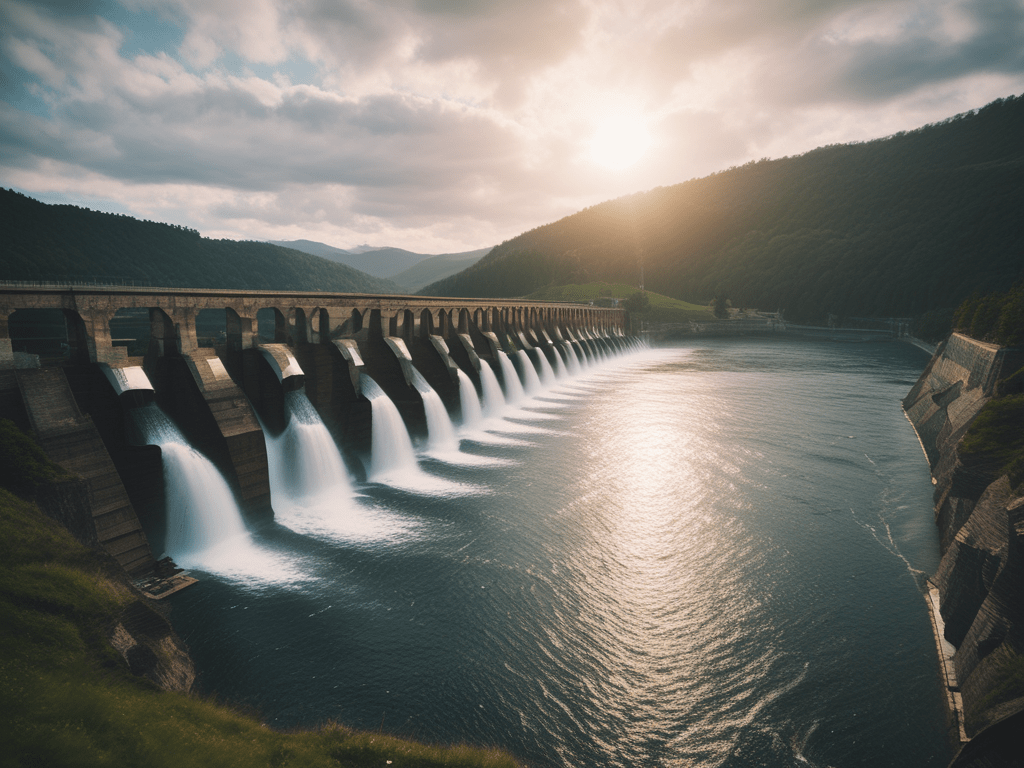
Then I  thought back to when our family business partnered with a couple other drillers to do the preliminary exploration work  drilling on the site C project in British Columbia, Canada. My thoughts were tossed and since we finished decades ago and it’s been under construction for decades and now at this very moment is being filled with water. However, because of drought conditions, it’s not taking any water out of the system or the land, but it’s taking it from Williston lake. The WAC Bennett reservoir.

Although there is a greater efficiency with the new project, it’s a moot point about water because the drought is a concern that needs to be dealt with in a measured way and they certainly can do that. And we can cooperate when we are asked to preserve water and or be part of solutions for that sort of thing.

But, it raises in my mind questions about the abundance of water when it’s mixed with oil. We know oil doesn’t mix with water. We have as a society that with licensing through our government has given a lot of oil leases that have drilled lots of holes in the ground and pumped out lots of oil over the last few decades and guess what?

That oil was burned and put in the atmosphere. Some it was taken up again by trees but lots of interest to me is that nobody has ever raised the issue of what is taking its place in the ground. Of all that oil being pumped out.Yes we know that oil and water don’t mix but where there’s a hole there’s going to be water put down it and I presume that the oil will work its way to the top of it and the water will be underneath it in most respects. I’m not a geologist but I’m sure somebody must have studied that.

Then, the question of the carbon tax and its relationship to the availability to the market of tar sands oil. Now Tar sands  oil isn’t pumped from big holes in the ground. It is mined refined  and sands put  in back filled pits so that would preclude the loss of groundwater, we would take.

But we’re not experts, but we think that would make tar sands oil more attractive to be used in place of huge amounts of pooled oil?  It wouldn’t be pumped from the ground and replaced with groundwater, which it seems at this point we are suffering for.

Now, we are still not experts or giving you a lecture. It is somebody subjectively thinking what the hey; is it true, could have the environmental impact of tar sands been underlooked for this dynamic of groundwater disappearing and exacerbating drought conditions.

At any rate, the sight C project will be generating power this fall sometime and it’ll be using water from Williston lake that would have gone through the aging WAC Bennet  Dam . So dam  it anyway, what way  water. ( I am sure it goes through both) Double dipped, but will it be back?

Star ship test # 5

Success

The fifth test of starships intended to go to Mars after an establishment on the moon was completed this morning. Little bit of drama when it was 2 minutes to go for a decision to make a very spectacular test that turned out successful when the decision was made.

Good Catch

Let’s just say that a lot of umpires were watching a spectacular catch.

What are you going to do?

Carbon Tax

In Canada we have the advantage of a tax tied to a tangible commodity. The carbon tax no matter how pie in the sky it is, it’s still based on a tanagable.

Fraud not withstanding risk is better underwritten by this vehicle. So, the bubble of hard assets (oil reserves) that we are beginning to enjoy is timely for we all. Don’t waste this moment… Use it to transform ideas to near tangibles that will endure to our children’s children. 

Update

Peak oil reached by 2030.

Civics needs adjustments,one view

Debt

Average household consumer debt in Canada is just over $21,000. Typically about 5% of that would be from credit cards.

Consumer counseling

There is relief from consumer debt available…

Private or Government

If debt is not your problem and high cost consider moving…

One view

Life style

Apples off the diet is no solution… Buy lost leaders from competitors…