You are presumed to be honest and responsible without evidence to the contrary beyond a reasonable doubt… on the balance of probablilties you are justified by 51 % likelyhood.
There are many wholesome and enjoyable activities women peers aged 30 to 35 can do together on a Saturday! Here’s a mix of options, from active to relaxed, to inspire your next get-together:Active & Outdoors: * Hiking or Biking: Explore local trails or scenic routes. Merritt is surrounded by beautiful nature, so there are likely many options for all skill levels. * Yoga or Pilates Class: Try a new studio, or find an outdoor class if the weather is nice. Aerial yoga is also an option for something different. * Swimming: Head to a local pool, lake, or even try “wild swimming” if you’re feeling adventurous and have a safe spot. * Paddleboarding or Kayaking: If there’s a nearby body of water, spending time on the water can be incredibly relaxing and fun. * Gardening: If one of you has a garden, spend some time together nurturing plants. You could even visit a local botanical garden. * Visit a Farmer’s Market: Enjoy the fresh air, browse local produce, and pick up ingredients for a healthy meal you can cook together later.Creative & Learning: * Cooking or Baking Class: Learn a new cuisine or technique together. This is a great way to bond and enjoy delicious food. * Pottery or Painting Session: Many studios offer “paint and sip” events or pottery workshops. It’s a fun way to express creativity, even if you’re not an artist. * Flower Arranging Class: A calming and beautiful activity where you can learn a new skill and create something lovely. * Craft Night: Get together to make friendship bracelets, try a new craft like knitting or crocheting, or even make vision boards. * Book Club: Choose a book to read and then meet up to discuss it over coffee or brunch.Relaxing & Social: * Spa Day: Whether at a professional spa or a DIY at-home spa with face masks, manicures, and relaxing music. * Picnic in the Park: Pack a delicious lunch, some blankets, and enjoy the outdoors and good conversation. * Game Night: Classic board games, card games, or even video games can lead to a lot of laughs. * Movie Marathon: Pick a theme (favorite genre, childhood classics) and settle in for a cozy movie day with snacks. * Coffee Shop Hopping or Food Tour: Explore local cafes or try different eateries in your town. * Thrifting or Boutique Browse: Enjoy some retail therapy and discover unique finds. * Volunteer Together: Giving back to the community can be a very rewarding and bonding experience. Look for local shelters, food banks, or community events. * Afternoon Tea: A lovely way to spend an afternoon, complete with tasty treats and good conversation.Tips for a Great Saturday: * Discuss Preferences: Before planning, chat with your friends about what kind of activities they’re in the mood for. * Consider Budget: There are many free or low-cost options, so factor in everyone’s budget. * Potluck Style: For food-related activities, consider a potluck to share the effort and variety. * Comfort over Perfection: The goal is quality time and enjoyment, so don’t stress about making it perfect. * Focus on Connection: Regardless of the activity, prioritize conversation and connecting with each other.Enjoy your wholesome Saturday!
Architecture in Europe has a recent influence from the movement known as Art Nouveau. The stylish presentation of iconic muralist content is a popular and enjoyable enhancement to buildings and public spaces and it’s style continues to build. No more than a century and a half has past since this positive style has broken through to the hearts of the audience en vie.
On this Day: June 10th 2013
The European style of art known as art nouveau is established in a day of observance.
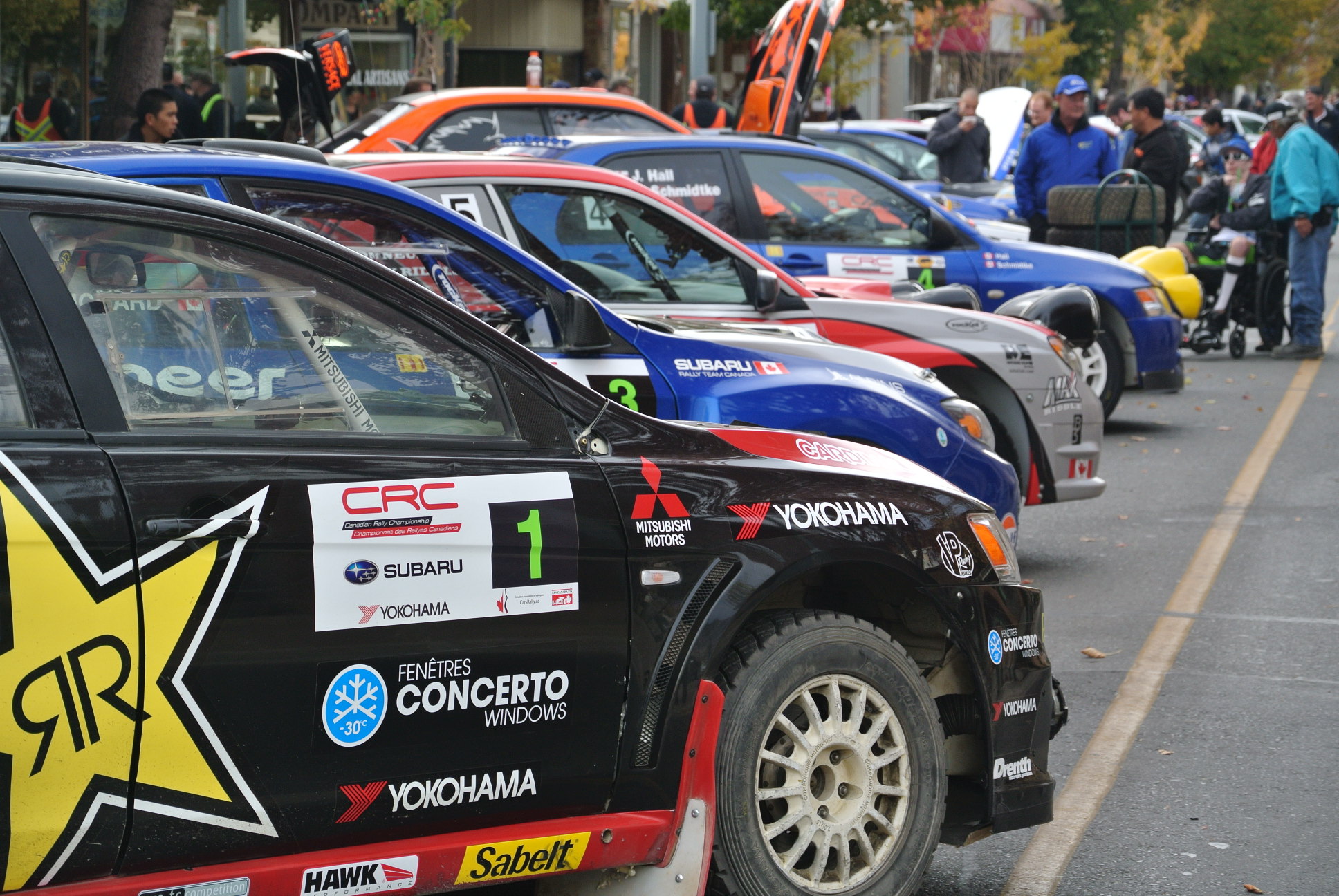
The Pacific Forest rallies back again with another program starting on Friday, May 30th and continuing to the 31st in Merritt, British Columbia The race starts on Granite Avenue with a display as above as the precursor to the start.
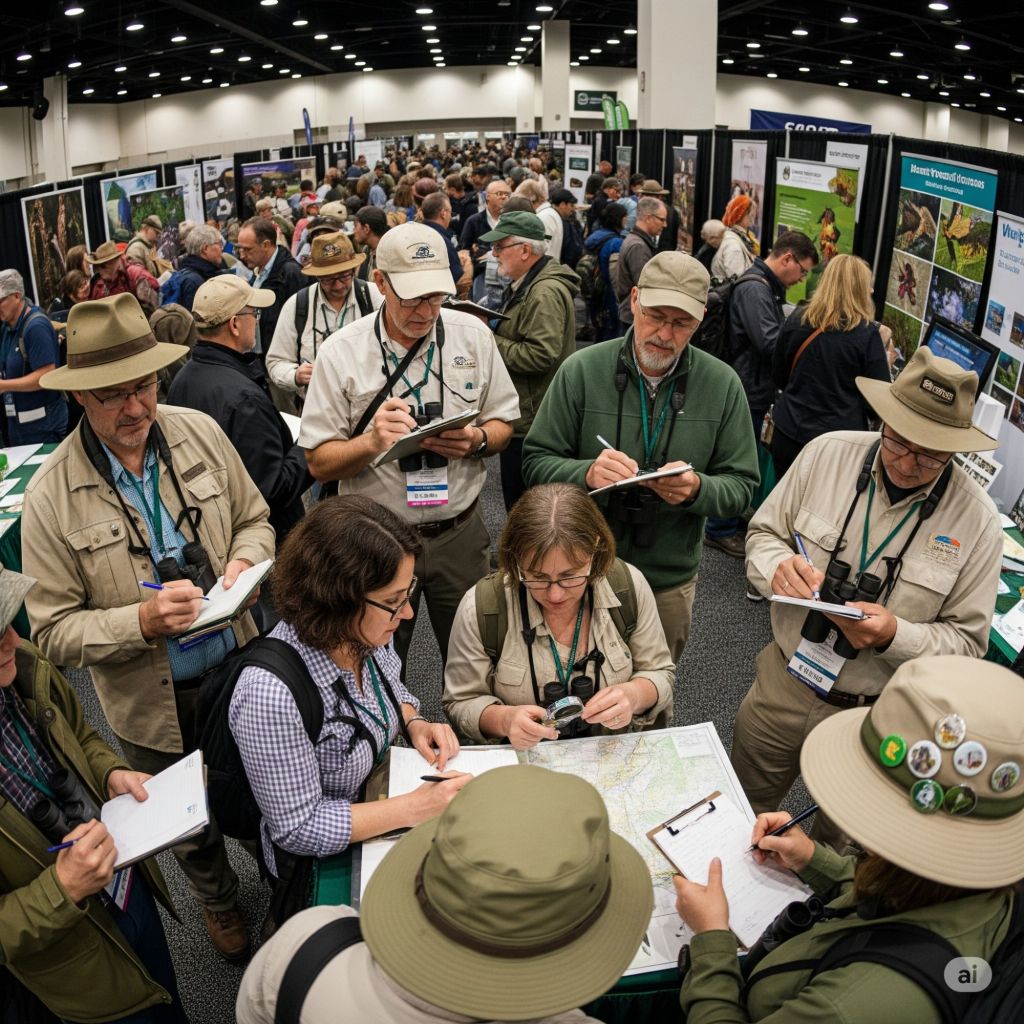
The provincial organization BC Nature is a nonprofit and consists of local member naturalist groups. The host is the Nicola Naturalist Society Incorporated and it’s Volunteer members are putting it on at the local facilities as well as incorporating field activities for viewing local flora and fauna.
The registration desk is open Thursday at 1:pm at the Merritt Civic center.
Venue
Civic center Mamette Ave
The Merritt Civic Centre is located at 1950 Mamette Ave, Merritt, BC V1K 1B8, Canada. You can contact them by phone at +1 250-315-1050. Here’s some additional information: * Rating: 4.1 * Hours: * Monday: 8:30 AM-4:30 PM * Tuesday: 8:30 AM-4:30 PM * Wednesday: 8:30 AM-4:30 PM * Thursday: 8:30 AM-4:30 PM * Friday: 8:30 AM-4:30 PM * Saturday: Closed * Sunday: Closed * Accessibility: The facility has wheelchair accessible entrance and parking. * Summary: Friendly and knowledgeable staff at this well-maintained facility helped a Lytton fire survivor and a Vancouver Island resident. Would you like to know more about other facilities in Merritt?
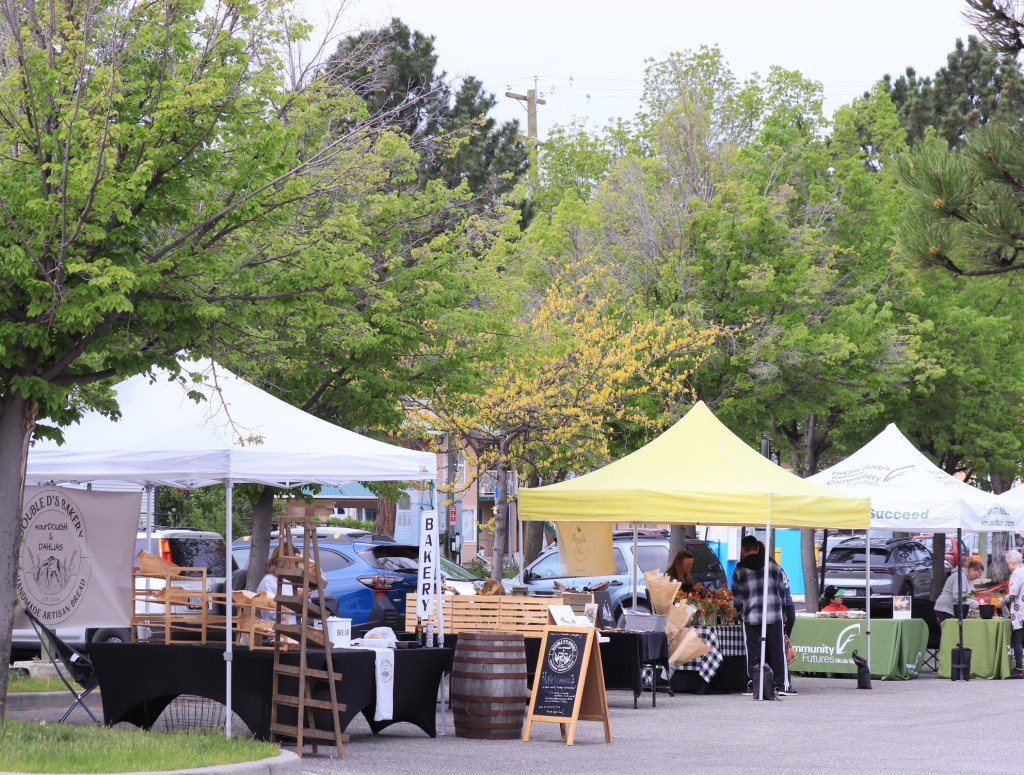
Saturday the test for the 2025 addition of the Farmers Market was successful. A number of vendors put up displays and offered goods and services to many … The Market runs to The end of October with Saturday morning graced by locals and visitors alike. New city signage asks for entry from Mamette Avenue parking is available in the mall area anchored by the Arena and Aquatic center .
The Market is next to the downtown Tourist info center 2202 Voght Street in Merritt. The market is open Saturday mornings and early afternoon.
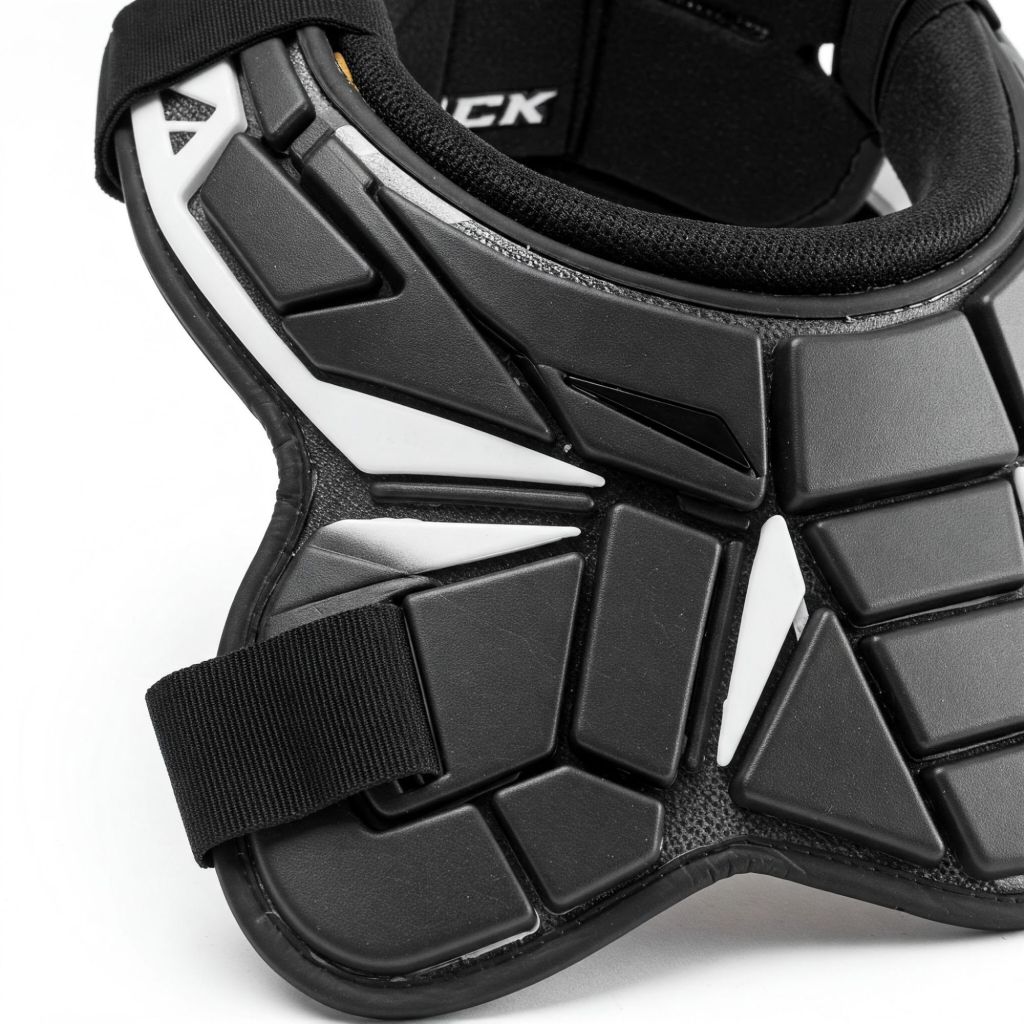
Neck guards in minor hockey have a history rooted in a tragic incident. In 1975, Ontario Junior A league goalie Kim Crouch suffered a severe neck laceration from a skate blade. Following this near-fatal injury, his father developed the first neck guard to allow Kim to return to playing. This event spurred the initial adoption of neck guards, particularly in Canadian minor hockey leagues. Over the following decades, neck guards became increasingly common in minor hockey across Canada. Many provincial and local hockey organizations mandated their use for players under a certain age. The Bureau de normalisation du Québec (BNQ) certification became a standard, ensuring the quality and protective capability of neck guards used in Canada. In the United States, the adoption of mandatory neck guards in minor hockey has been less uniform historically, often varying by state or local association. However, following the death of Adam Johnson, who suffered a fatal neck cut in a professional game in England in October 2023, there has been a significant push for mandatory neck protection at all levels. As a result, USA Hockey mandated neck laceration protection for all players under the age of 18, effective August 1, 2024. Use in Professional Hockey: Currently, neck guards are not mandatory in the National Hockey League (NHL). While some players choose to wear them, the majority do not. Concerns about comfort, potential hindrance to performance, and tradition are often cited as reasons for this resistance. However, the conversation around neck guards in professional hockey has intensified following recent serious neck injuries in hockey globally. Some NHL players have begun to wear neck guards voluntarily, and there is ongoing discussion about whether the league and the NHL Players’ Association might eventually agree to make them mandatory, similar to the evolution of helmet and visor rules. Other professional leagues, such as the American Hockey League (AHL) and leagues in Europe (Germany, Sweden, Finland, and England), have implemented mandatory neck guard policies. The International Ice Hockey Federation (IIHF) also mandates neck guards for all its tournaments, including the World Junior Championships and the World Championships. Effectiveness and Usefulness: Neck guards are designed to protect the vulnerable neck and throat area from lacerations caused by skate blades, hockey sticks, and pucks. They are typically made of cut-resistant materials like Kevlar or Spectra fibers, often encased in a comfortable fabric. Studies and real-life incidents suggest that neck guards can be effective in preventing or reducing the severity of neck lacerations. While no protective equipment can guarantee complete safety, neck guards provide a crucial barrier against sharp objects that could otherwise cause life-threatening injuries to major blood vessels and nerves in the neck. Have they ever saved anyone from catastrophic injury? Yes, there are documented cases where neck guards are believed to have saved players from severe or fatal injuries: * The case of Kim Crouch: His injury in 1975 directly led to the development and subsequent use of neck guards, preventing similar incidents for countless players. * Recent youth hockey incident in Eastern Ontario: Following Adam Johnson’s death, a young player was reportedly saved by a neck guard after being cut by a skate. While less publicized, it is plausible that neck guards have prevented numerous other less severe but still significant neck injuries over the years. In conclusion, the history of neck guards in hockey began with a serious injury that prompted their invention. They have become a standard and often mandatory piece of equipment in minor hockey, particularly in Canada, and are now gaining increased attention and mandatory status in youth hockey in the United States. While not currently mandatory in the NHL, the effectiveness and potential life-saving benefits of neck guards are becoming increasingly recognized, leading to more players choosing to wear them and ongoing discussions about a potential league-wide mandate in the future.
Based on the search results, here’s information regarding fishing licenses on the BC Coast: Tidal Waters (Saltwater) Recreational Fishing Licenses: * In the 2023 to 2024 season (April 1 to March 31), a total of 333,478 tidal waters sport fishing licenses were issued to residents of British Columbia. This includes various types of licenses such as annual, 5-day, 3-day, and 1-day for adults, as well as annual licenses for seniors and juveniles. * For the 2022 to 2023 season, the total number of tidal water sport fishing licenses issued to BC residents was 302,179. * Approximately 300,000 license holders participate in tidal recreational fishing in British Columbia. * Juveniles (under 16 years old) are required to obtain a free tidal waters sport fishing license. * A separate Salmon Conservation Stamp is required for anglers of all ages who wish to retain any species of Pacific salmon. Commercial Fishing Licenses: * The number of individual annual commercial license holders in the Pacific region has been declining. In 2023, there were 4,057 individual license holders, which is a 74% decrease from the peak in 1987. * These individual license holders were issued a total of 5,512 species-specific commercial licenses in 2023. It’s important to note the distinction between recreational (sport) fishing licenses and commercial fishing licenses, as they are managed and tracked separately. The data provided above gives a recent snapshot of the number of licenses issued for both categories on the BC Coast.
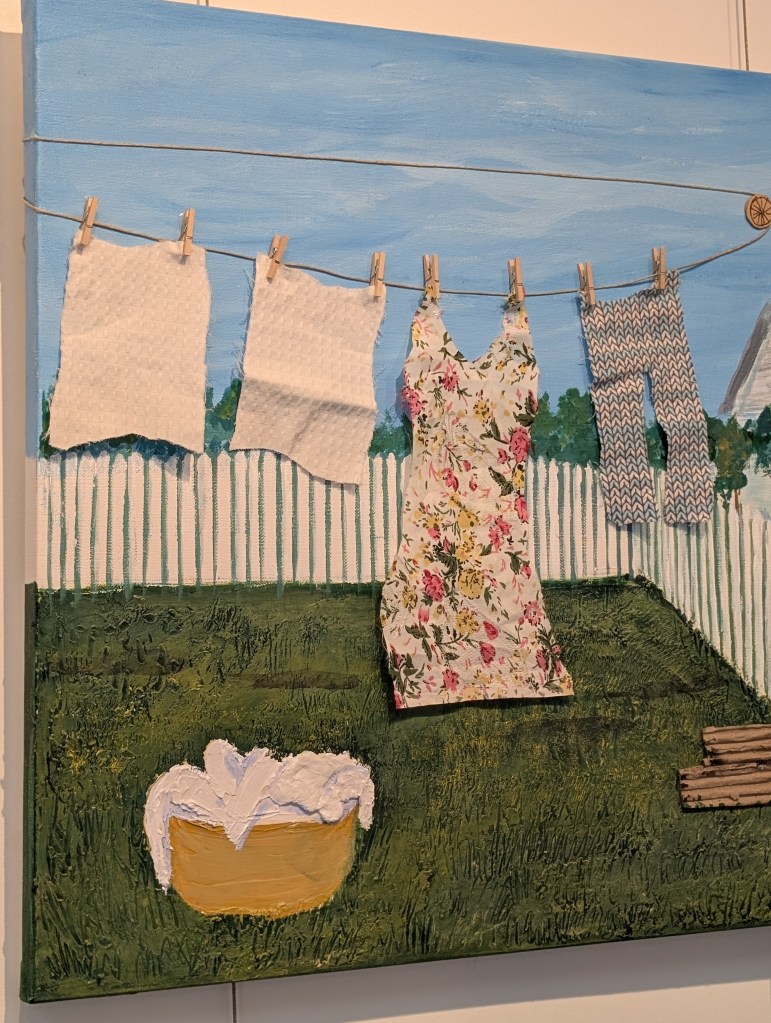
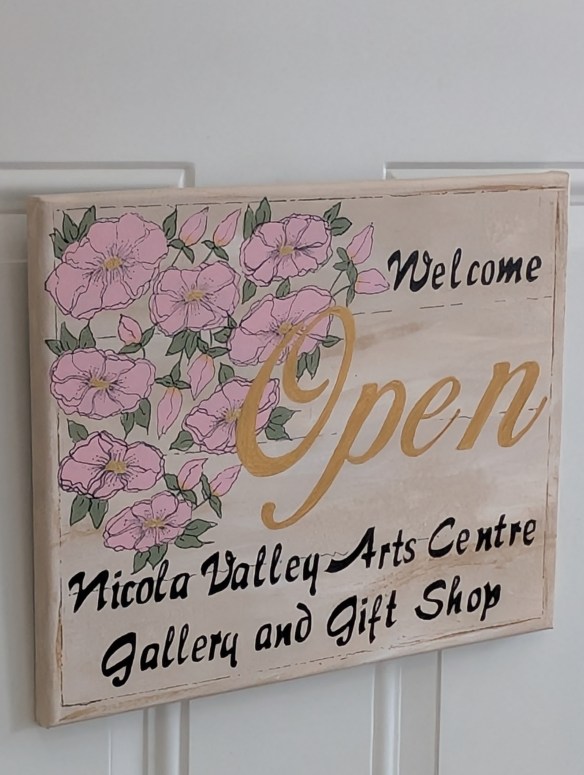
Artist reception Friday May 2nd 2025.Corner of Nicola and Voght,Merritt BC.Enter by Keklui cafe. Music by Chris Lepsol and (Strange Companions) friends. (Music 5-6 PM)











 Kevin Griffiths
 percypaschal
 The Proprietor Review