You are presumed to be honest and responsible without evidence to the contrary beyond a reasonable doubt… on the balance of probablilties you are justified by 51 % likelyhood.
When it comes to trauma in Canada, it’s important to acknowledge that individuals from various backgrounds may experience trauma differently. Factors such as cultural heritage, socioeconomic status, and access to support services can all play a role in how trauma is experienced and addressed. Additionally, Canada’s indigenous communities have faced historical and intergenerational trauma, which has significant impacts on the well-being of indigenous peoples. It’s crucial for Canadian institutions and communities to recognize and address these unique challenges in order to provide effective support for individuals dealing with trauma.
Electric vehicles (EVs) in British Columbia (BC) are becoming increasingly popular as more people recognize the environmental and economic benefits they offer. The provincial government, along with various organizations, has been implementing initiatives to encourage the adoption of EVs.
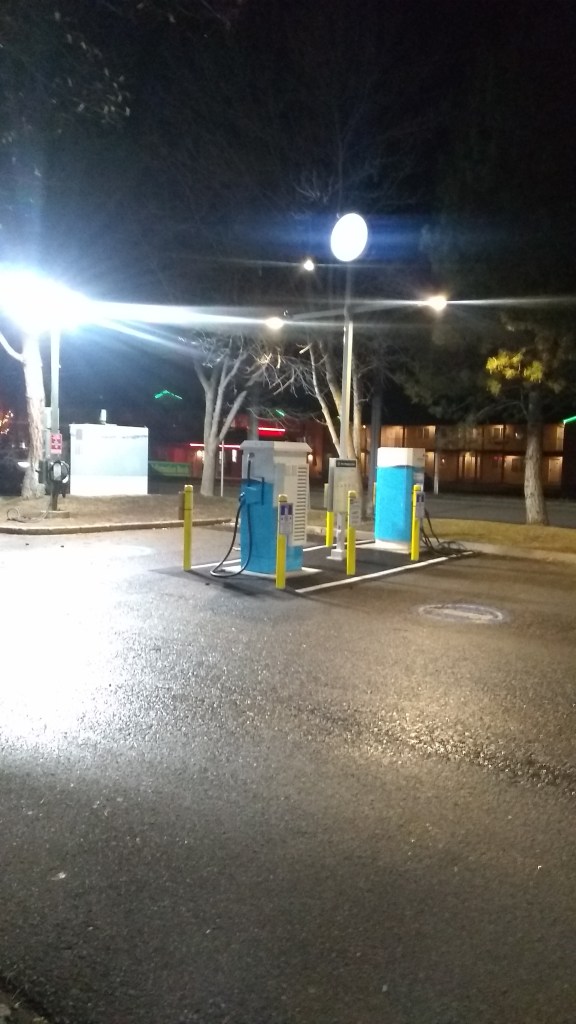
BC has an extensive network of charging stations, making it convenient for EV owners to charge their vehicles while on the go. There are different types of charging stations, including Level 1, Level 2, and DC Fast Chargers, catering to the varying charging needs of EV drivers.
One of BC’s notable incentives for EV owners is the Clean Energy Vehicle (CEV) Program. This program provides rebates for the purchase or lease of eligible new electric vehicles, plug-in hybrid electric vehicles, and hydrogen fuel cell electric vehicles. The amount of the rebate depends on the type of vehicle and its battery capacity.
In addition to the CEV Program, BC offers other incentives, such as reduced toll rates for EVs crossing certain bridges and priority access to high-occupancy vehicle (HOV) lanes. These benefits make owning an EV in BC more affordable and convenient.
Furthermore, the provincial government has set ambitious goals to transition to a cleaner transportation system. BC aims to have all new light-duty vehicles sold be zero-emission vehicles (ZEVs) by 2040. This commitment demonstrates BC’s dedication to reducing greenhouse gas emissions and promoting sustainable transportation.
Overall, the future looks promising for electric vehicles in BC. With a supportive government, a robust charging infrastructure, and enticing incentives, more residents are expected to make the switch to electric vehicles, contributing to a greener and more sustainable future for the province.
Small is out there and it matters.Photons take millions of years to go from the middle of a star fighting gravity all the way because these light packets have some mass. Once free from the host they travel faster with less gravity to deal with.
Neutrino cousins
Neutrino
Neutrinos are among the most abundant particles in the universe, yet they are notoriously elusive. These subatomic particles are produced by various processes, including nuclear reactions in the sun and other stars, as well as during certain types of radioactive decay. Neutrinos are electrically neutral and interact with other matter only via the weak nuclear force and gravity, making them extremely challenging to detect.
Despite being produced in vast quantities, neutrinos have a minuscule mass, if any at all, and they travel close to the speed of light. They come in three different types or “flavors”: electron neutrinos, muon neutrinos, and tau neutrinos, which can transform from one type to another as they travel through space.
Neutrinos are of great interest to astrophysicists and particle physicists, as their behavior can provide valuable insights into fundamental aspects of the universe and its energetic processes.
For a comprehensive and engaging exploration of neutrinos and their significance in the cosmos, you might enjoy the following video: Neutrinos: Nature’s Elusive Ghosts