You are presumed to be honest and responsible without evidence to the contrary beyond a reasonable doubt… on the balance of probablilties you are justified by 51 % likelyhood.
So, sad, she had her time, and a following. So we must bear up and accept her last hurrahs…
RIP Catherine O’Hara
Oh Canada, we guard with thee…
We will remember!
With a giggle and a glee…
life and times.
Catherine O’Hara is widely regarded as one of the most versatile and influential figures in sketch comedy, having launched her career as an original cast member of SCTV (Second City Television). Sadly, today—January 30, 2026—marks her passing at the age of 71, but her legacy on SCTV remains a cornerstone of comedic history.The Origins:
From Waitress to Star
O’Hara’s journey with the Second City troupe in Toronto began in the early 1970s. Interestingly, her first job at the club was as a waitress. After an initially unsuccessful audition, she was eventually hired for the touring company by John Candy and famously replaced Gilda Radner in the main cast in 1974 when Radner left for New York.Career on SCTV (1976–1984)In 1976, O’Hara helped create SCTV alongside comedic legends like John Candy, Eugene Levy, and Martin Short. She was the show’s “resident funny woman,” known for her fearless commitment to physical comedy and complex character work. * Iconic Characters: * Lola Heatherton: Perhaps her most famous creation, Lola was a boozy, high-energy, and desperate-for-attention variety star whose signature catchphrase was, “I wanna bear your children!”
* Dusty Towne:
A clueless, middle-of-the-road comedian. * Katharine Timber: A self-absorbed talk show host who would never let her guests get a word in. * Celebrity Impressions: She was a master of mimicry, delivering legendary parodies of Meryl Streep, Lucille Ball, Elizabeth Taylor, Brooke Shields, and a deadpan Katharine Hepburn. * Writing Prowess: Beyond her acting, O’Hara was a key writer for the series. She won a Primetime Emmy Award in 1982 for Outstanding Writing in a Variety or Music Program.Impact and CollaborationsHer time on SCTV established a lifelong partnership with Eugene Levy, with whom she would later star in Christopher Guest’s mockumentaries (like Best in Show) and the award-winning series Schitt’s Creek. Her SCTV training—honing her ability to use “just an intonation or a mispronounced word” for comedic effect—is often cited as the foundation for her later iconic role as Moira Rose.
You may want to know more about her famous film collaborations with Christopher Guest or her award-winning run on Schitt’s Creek?
That giant shock absorber on huge springs sitting underneath the joint command center of NORAD at Colorado Springs in the States is not here in Canada. Although Canadian personnel are involved down there, there’s no protection for us.
Dew line
The distant early warning line that went across our Arctic for years with the pine tree line that went across our Southern portion gave the Americans protection for decades until it was replaced by satellites. We, as Canadians were particularly vulnerable from the provocation of such things that precluded good relations through trade with world countries.
Greenland NSA
National security for the Region is not enhanced for Canada by the US having Greenland. It’s just another provocation for our Southern neighbours to dole out as it dominates. And we are less safe with them owning it…
Sell the blades give the razor
Sell the blades give the razor, another US dependency, this iconic marketing ploy from the marketers was subverted by the doctrine of “interdependency” in a global world. That system sought peace through engagement, even if it was razor blades, innovation was protected in local markets by local limitations on the manufacturer. This was true for all nations for domestic trading. There is no such thing as worldwide patents. Yes, the United States has tariffs to deal with that sort of thing. If they think it’s unfair but you can’t have it both ways!
There is High-Level Junior hockey in Merritt BC tonight. The Kootenay International Junior hockey League is playing at the Nicola valley memorial arena.
First period over
Spokane leading Merritt 2 to 1 after 1 period of of play..
Living up to international handle, Spokane.
Junior B League is called an international league because it plays with American team. Spokane has Long links to the Kootenays in South BC.
Update
345 fans watched Merritt win this game 3 to 2 in overtime final score. Thank you Spokane for all that you gave making it a good game.
Perhaps the most memorable trade sanctions for us in Canada or British Columbia. Any time, were the countervailing duties Americans put on us when they began to feel the pressure of the modernization by numbers of sawmills and logging operations in British Columbia in particular.
These innovations cut local workforces down considerably. A milling operations such as one planer in Merritt,was once started in the home of a single entrepreneur; Bud Woodford, in the center of the town; Merritt had grown to being able to have 300 working people there at the birth of free trade . Some just very unskilled labour. All making livelihoods and used to having good jobs and skilled jobs at the height of markets.
Log port out of Stewart BC ended raw logs export when hydro power came for milling.
Inovation
The soft wood countervailing taxes Americans put on were mitigated by the fact that value added escaped it. We remember that the Mills here then became complimented by smaller Mills that did value-added, that was anything that wasn’t a 2×4 a 2×6 and other dimensional lumber (good reputation in the US Canadian blue) and had value added in it, including door jambs made of short pieces of cut offs, they were put into finger joints and were marketable in with attitude of value grown contribution rather then exploitation.
Opportunity meets ambition…
Innovation shouldn’t be stifled by heavy taxes it should be discovered in its trail of test.
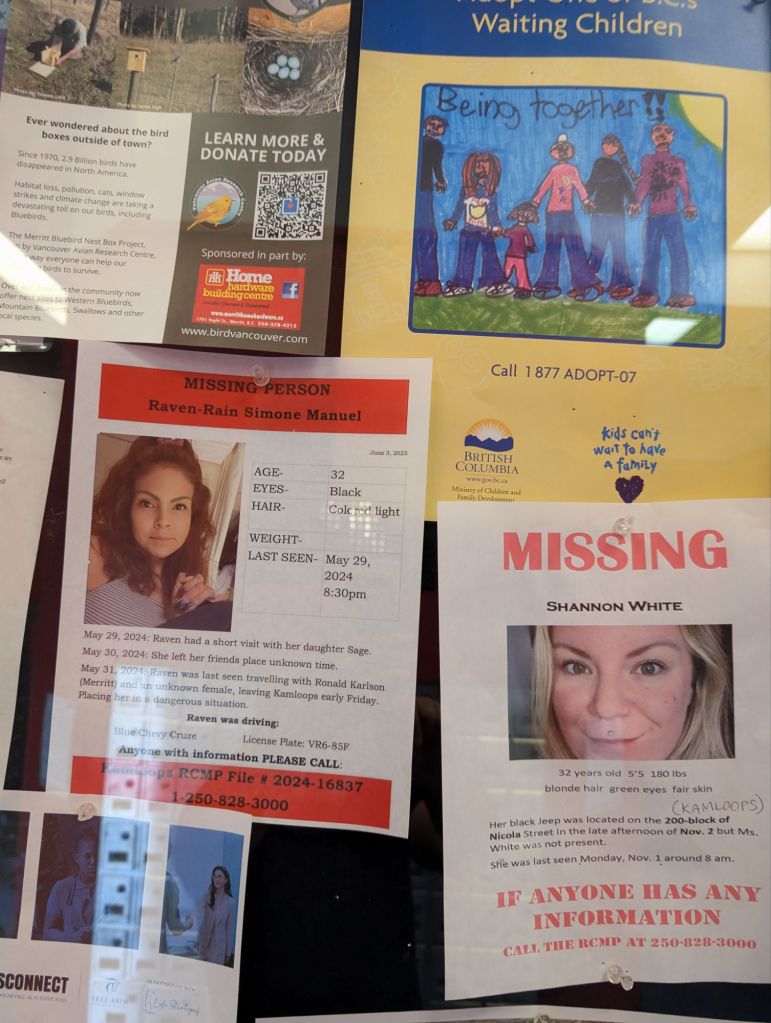
The “search the landfills” controversy in Manitoba, Canada, is a significant and painful issue surrounding the missing remains of murdered Indigenous women.
The Manitoba Landfill Search Controversy
The controversy centers on the Prairie Green Landfill north of Winnipeg, where the remains of several Indigenous women, victims of serial killer Jeremy Skibicki, are believed to have been dumped. * The Victims: The remains of Morgan Harris and Marcedes Myran are believed to be in the landfill. A third victim, Rebecca Contois, had partial remains found at a different landfill, and the remains of a fourth victim, an unidentified woman known as Mashkode Bizhiki’ikwe (Buffalo Woman), have not been found. * Initial Refusal: Family members and Indigenous leaders advocated strongly and publicly for a search of the Prairie Green Landfill. However, the provincial government at the time, and the Winnipeg police, initially refused to conduct a full search, citing safety concerns due to hazardous materials (like asbestos) and the high cost and complexity of sifting through massive amounts of toxic debris. * Political Shift and Search: The refusal was met with outrage and became a major issue in the 2023 Manitoba provincial election. The New Democratic Party, led by Wab Kinew, campaigned on a promise to fund the search if elected. After winning, the new provincial government, along with the federal government, committed tens of millions of dollars to the search effort. * The Search Begins: The humanitarian search began in December 2024. In the following months, possible human remains were found and one set was identified as belonging to Morgan Harris. The search for Marcedes Myran continues. This development, while bringing grief, provided validation for the families’ tireless fight.
* Broader Context:
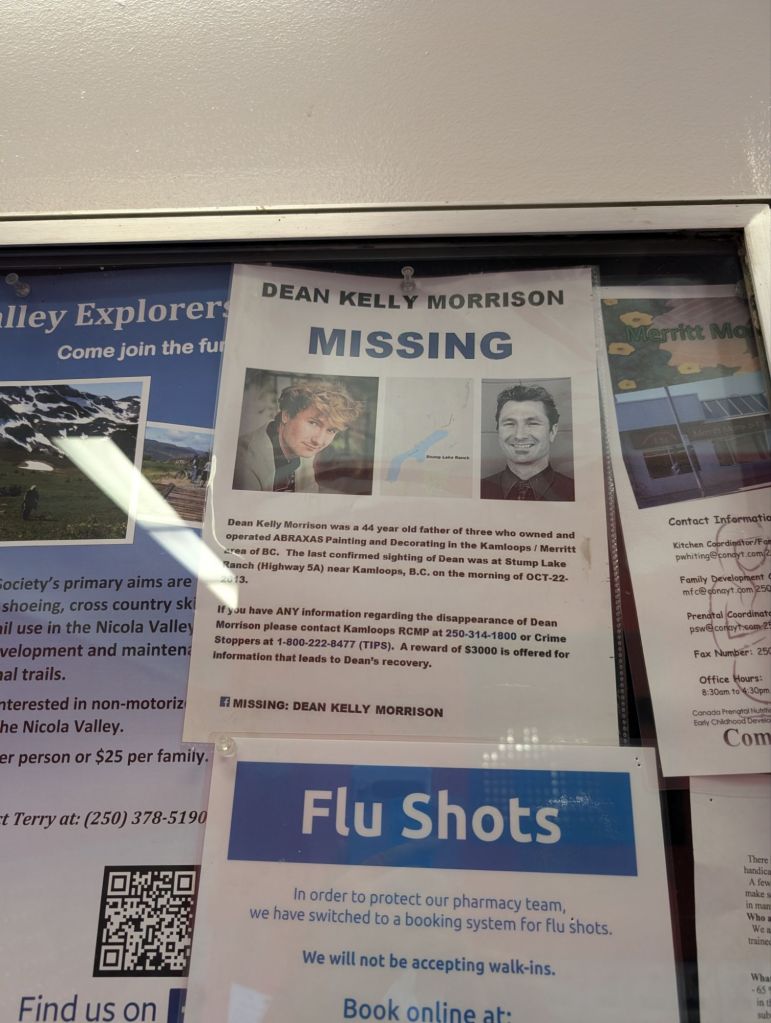
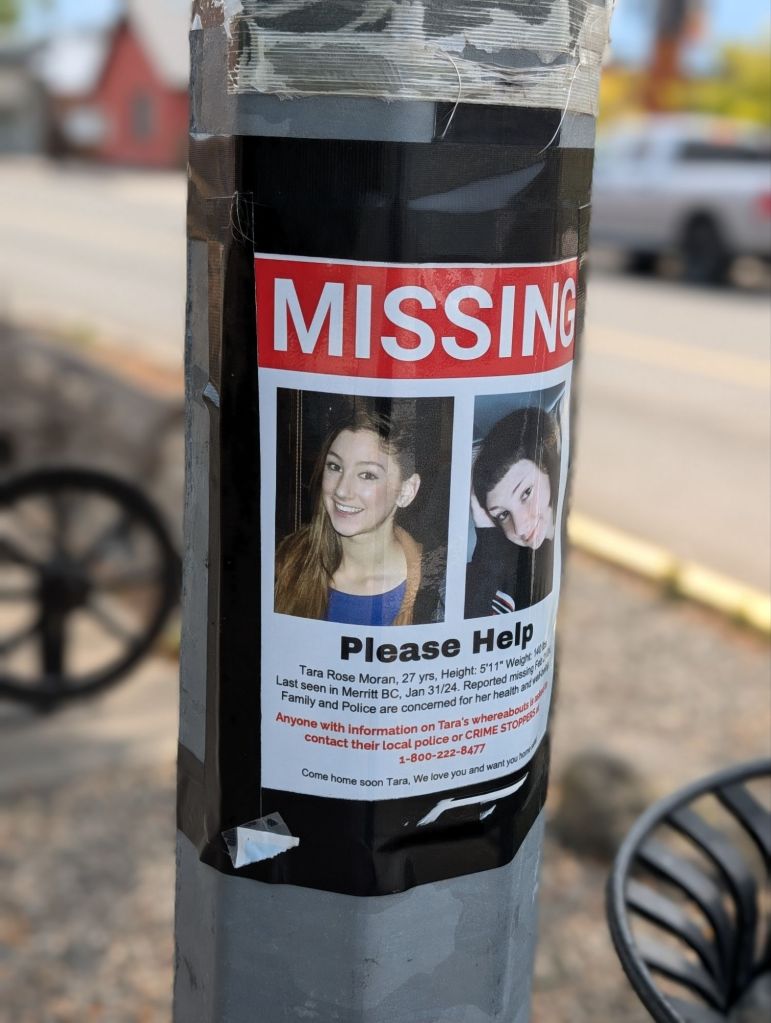
The entire controversy is a microcosm of the systemic issue of Missing and Murdered Indigenous Women, Girls, and 2SLGBTQQIA+ People (MMIWG2S+) in Canada, and the perceived systemic failure by police and government to adequately investigate and prioritize these cases.
Personal Safety Advice
Feeling safe is a fundamental right. While no single set of tips can guarantee safety, practicing situational awareness and setting boundaries are key.Increase Awareness and Trust Your Intuition * Be Alert: Limit distractions like excessive phone use. Keep your head up, remain alert, and pay attention to your surroundings—who is around you, and what behavior seems out of place? * Trust Your Gut: Your “sixth sense” or intuition is a powerful self-defense tool. If a person, place, or situation feels wrong or unsafe, leave immediately. It is never rude to prioritize your safety. * Project Confidence: Walk with purpose and confidence, and make eye contact. Predators often target those who appear distracted or vulnerable.Planning and Technology *
Have a Plan:
When going out, let a trusted person know your itinerary, including who you’re with, where you are going, and approximately when you expect to be home. Check in with them when you arrive and leave. * Share Your Location: Use your smartphone’s features to ping or share your real-time location with trusted friends or family. * Self-Defense Tools: Consider carrying a personal safety alarm or whistle. The sound is disorienting to an attacker and draws attention. * In Transit: When walking, stick to well-lit, busy streets. If driving, keep your doors locked and look inside your car, especially the back seat, before getting in.
Setting and Defending Boundaries
* Clearly Say “No”:
Practice asserting your boundaries with firm body language and a clear voice. You have the right to refuse anything that makes you uncomfortable, whether it’s unwanted attention or pressure to go somewhere.
* Socializing:
If you’re out with friends, stick together. Watch your drinks at all times, or use protective covers. If you feel unsafe or notice an escalation, immediately seek help from a bartender, bouncer, or staff member.
The successful landfill search bringing hope for families of other missing
September 20th is a day marked by a variety of historical events, observances, and holidays. Here are some significant examples: Historical Events: * 1870: Capture of Rome. Italian troops entered Rome, a key event in the unification of Italy. This led to the city’s incorporation into the Kingdom of Italy and the end of the Papal States’ temporal power, with the Pope’s authority limited to the Vatican. * 1973: “Battle of the Sexes” tennis match. Billie Jean King defeated Bobby Riggs in a highly publicized and widely watched tennis match. The event became a landmark moment in the women’s liberation movement. * 2001: U.S. “War on Terror” declared. In a speech to Congress following the September 11th attacks, President George W. Bush formally declared a “War on Terror,” launching a global military campaign. * 2011: “Don’t Ask, Don’t Tell” repeal. The U.S. military policy that allowed gay and lesbian people to serve as long as they didn’t reveal their sexual orientation was officially ended, allowing openly gay and lesbian individuals to serve. Holidays and Observances: * National Care for Kids Day: A day to focus on the well-being of children. * National Pepperoni Pizza Day: A day to celebrate a classic pizza topping. * **National Fried Rice Day: A day to enjoy this popular dish. * German World Children’s Day: A day dedicated to children in Germany. * **Constitution Day (Nepal): A national holiday in Nepal. * Independence Day of South Ossetia: Celebrated in the self-declared state of South Ossetia.
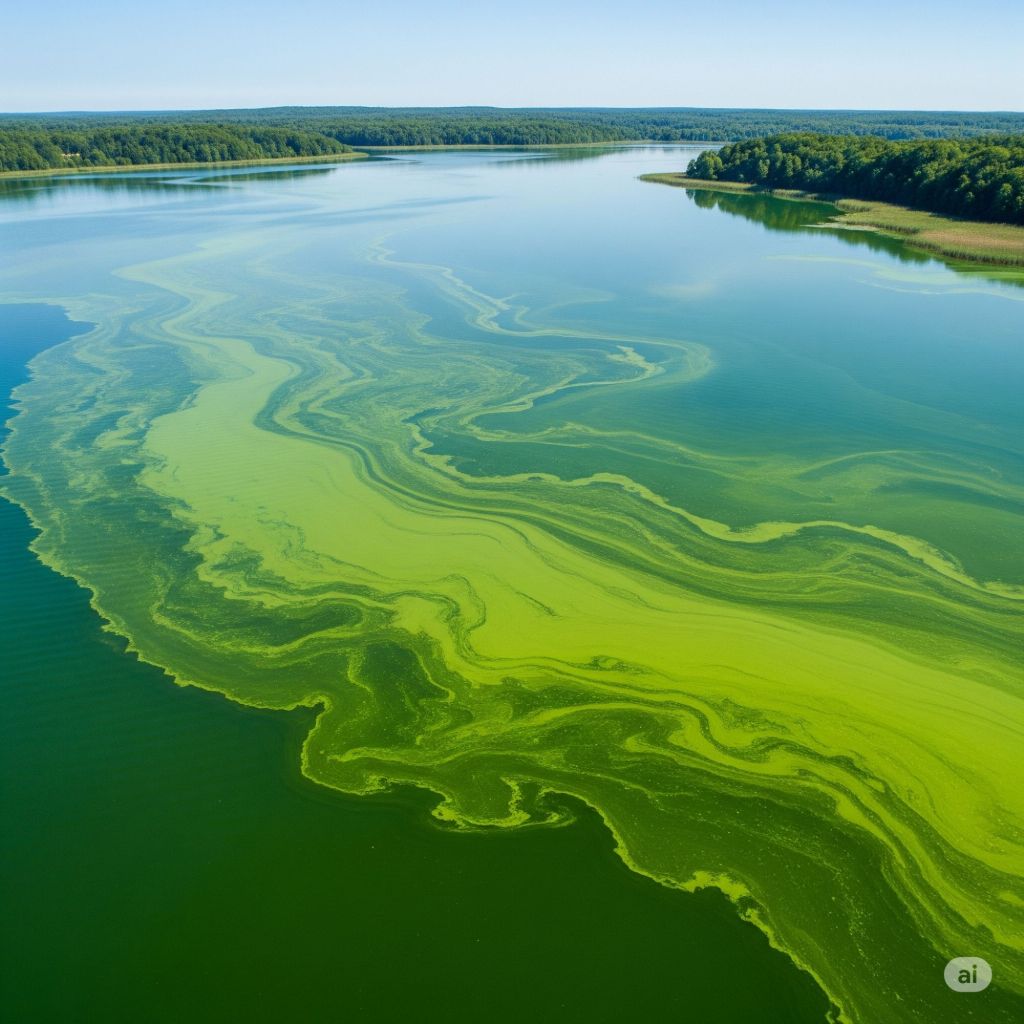
Warm and low water levels make for rapid toxicity.
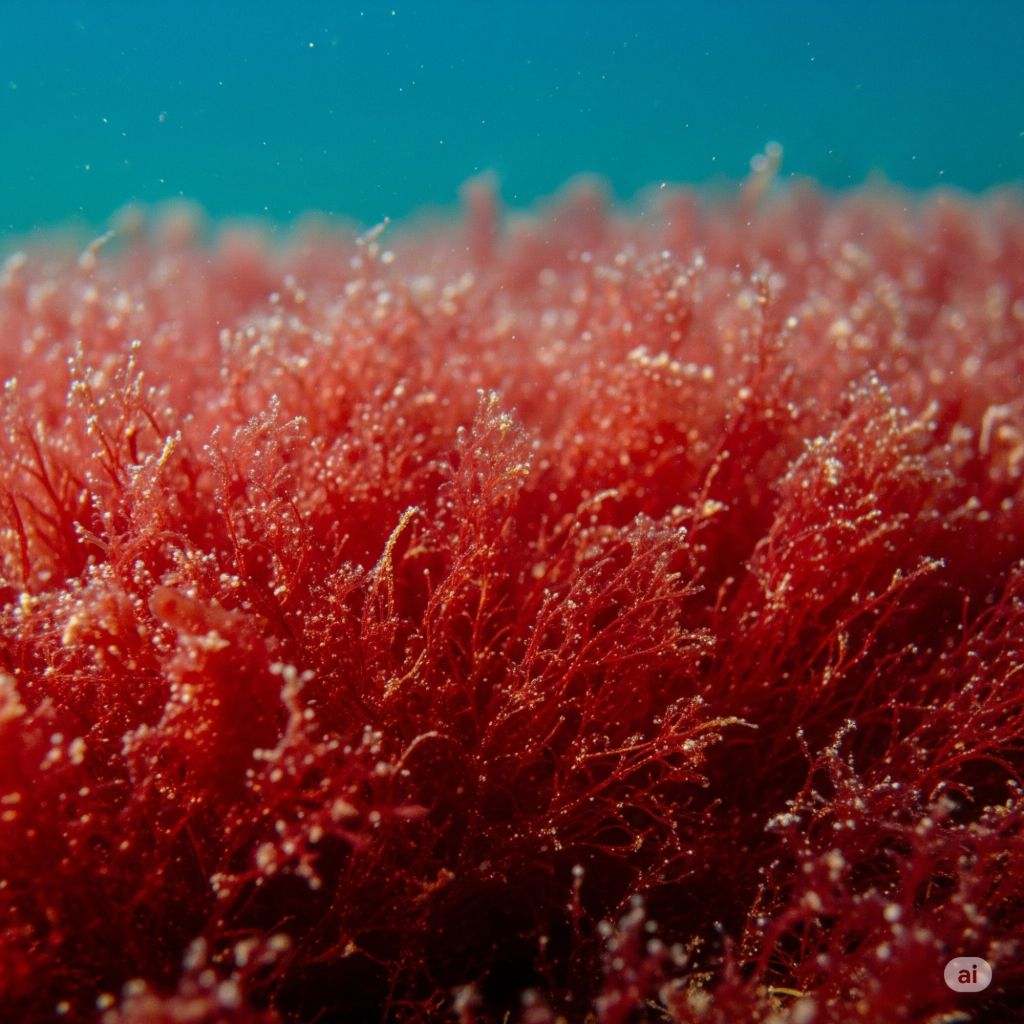
Blue green and red, the red can photosynthesize in deeper water.
As of late June 2025, there are current advisories and responses in place for algae blooms on Nicola Lake, near Merritt, BC. Here is a summary of the situation and the responses from local authorities: Algae Bloom Advisories and Status: * Current Advisories: BC Parks and Interior Health are currently advising the public about potential blue-green algae blooms on Nicola Lake. Visitors are urged to use caution and avoid direct contact with any visible blooms. * Water Activity Discouragement: Water activities like swimming are discouraged in areas where blooms are present. * Previous Closures: It’s important to note that Nicola Lake has a history of toxic algae blooms, with advisories and beach closures occurring in previous years. For example, advisories and closures were in place in July 2023 due to the presence of cyanobacterial toxins. These advisories were lifted once water samples tested negative for toxins. * Monitoring: The First Nations Health Authority and Interior Health continue to monitor Nicola Lake, as well as nearby lakes like Douglas Lake and Chapperon Lake, for algae blooms. Responses and Recommendations: * Avoid Contact: The primary recommendation from health authorities is to avoid any contact with the water if you see a bloom. This includes swimming, boating, and waterskiing. * Rinse Off: If you do come into contact with the water, rinse your body with clean water immediately. * Drinking Water: If you use Nicola Lake as a source of drinking water, you should use an alternate source, such as bottled water. Boiling the water will not remove the toxins. * Pets and Livestock: Use an alternate drinking water source for pets and livestock as well. * Symptoms: Exposure to cyanobacteria toxins can cause symptoms such as dizziness, cramps, diarrhea, skin rash, and mouth blisters. If you or your pet show these symptoms, contact a physician or veterinarian immediately. * Citizen Science: The BC Algae Watch program encourages the public to report algae bloom sightings, which helps experts monitor and understand their occurrence. * Continued Monitoring: Interior Health and BC Parks continue to monitor the situation and will update the public as required. They have a public beaches website where they post current advisories and closures. * Foreshore Management: In a long-term effort to improve the health of Nicola Lake, the Upper Nicola Indian Band and Living Lakes Canada have been collaborating on foreshore management and monitoring projects, using both scientific data and Indigenous knowledge to guide their work. What is an Algae Bloom? Algae blooms are a natural phenomenon, but their frequency and severity can increase due to factors like excessive nutrient loading and warmer water temperatures. The blooms in Nicola Lake are often caused by cyanobacteria, also known as blue-green algae. While some algae are harmless, cyanobacteria can produce toxins that are harmful to people, pets, and livestock. These blooms can look like pea soup, have a paint-like appearance, or form thick scums on the water’s surface, and they can produce a strong, unpleasant odor.
Dog death, Nicola Lake
There are reports of at least one dog’s death and its exposure was not that long and its contraction of bacteria fairly rapid. This is the recent weekend, first of July.
Red tide and red algae
Red algae, also known as Rhodophyta, are a diverse group of mostly marine macroalgae (seaweeds) that get their characteristic red color from pigments called phycobiliproteins, particularly phycoerythrin. This pigment allows them to absorb blue light, which penetrates deeper into the ocean, enabling them to photosynthesize at greater depths than most other algae. They play crucial roles in marine ecosystems, including contributing to reef formation. Some species, like Nori (Porphyra) and Dulse (Palmaria palmata), are consumed as food, while others are used to produce industrial products like agar and carrageenan due to their gelling and thickening properties. Toxicity: Red Algae vs. Blue-Green Algae When discussing toxicity, it’s important to distinguish between “red algae” as the broader group (Rhodophyta) and “red tide,” which is a specific type of harmful algal bloom (HAB) often caused by certain dinoflagellates. While some red algae can be consumed safely, “red tide” blooms are often associated with toxins. Here’s a comparison of toxicity between “red tides” (often caused by dinoflagellates, sometimes referred to as red algae due to their color) and blue-green algae (cyanobacteria): * Blue-green algae (Cyanobacteria): These are a common cause of harmful algal blooms in freshwater environments (lakes, rivers). They produce toxins called cyanotoxins, which can affect the liver (microcystins), nervous system (anatoxins), or skin. Exposure can lead to symptoms like skin irritation, gastrointestinal issues, and in severe cases, liver damage or neurological problems. Animals and humans can get sick by touching, swallowing, or inhaling contaminated water. * Red Tides (Dinoflagellates and some Diatoms): These are the most common cause of harmful algal blooms in saltwater environments. While they can sometimes be caused by dinoflagellates that are red or brown, they are not typically from the larger group of red algae (Rhodophyta). The toxins produced vary by species but can include: * Brevetoxins (from Karenia brevis): Cause neurotoxic shellfish poisoning, leading to gastrointestinal and neurological symptoms, and respiratory irritation when airborne. * Saxitoxins (from Alexandrium species): Cause paralytic shellfish poisoning, which can be severe and life-threatening, affecting the nervous system and leading to paralysis. * Domoic acid (from Pseudo-nitzschia species, a diatom): Causes amnesic shellfish poisoning, which can lead to gastrointestinal and neurological symptoms, including memory loss. Which is “more toxic”? It’s difficult to definitively say which is “more” toxic as the severity of illness depends on the specific toxin, the concentration of the bloom, and the level of exposure. Both blue-green algae and the organisms causing red tides can produce highly potent toxins that can cause severe illness or death in humans and animals. Key takeaways: * Red algae (Rhodophyta), as a general group, are diverse, and many species are harmless and even consumed as food. * “Red tide” refers to harmful algal blooms in saltwater, often caused by dinoflagellates or diatoms, which can produce dangerous toxins. These are distinct from the broader category of red algae. * Blue-green algae (cyanobacteria) are a major concern for harmful blooms in freshwater and can also produce potent toxins. In any case where there’s suspected algal bloom, it’s crucial to avoid contact with the water and follow local advisories, as you cannot tell if a bloom is toxic just by looking at it.




















![Light Show [Explored 2026-10-09]](https://live.staticflickr.com/65535/55578539818_958ce4fa9c_s.jpg "Light Show [Explored 2026-10-09]")


 Kevin Griffiths
 percypaschal
