Jazzy day wakey day.
Sweet songs of ⛱️

To the seasons of life

Sweet songs of ⛱️
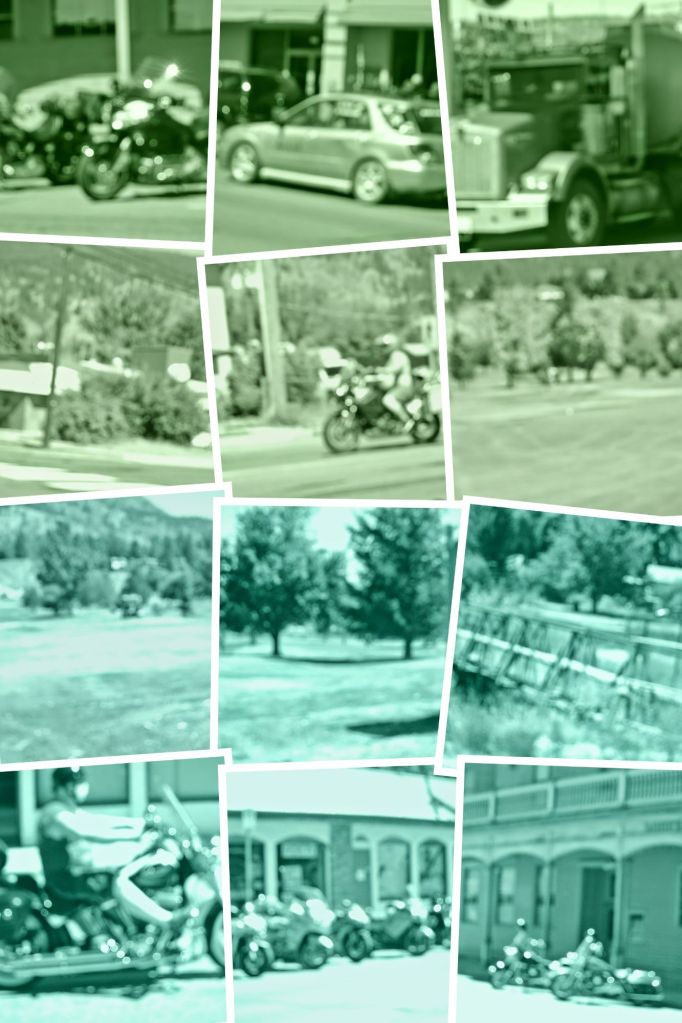
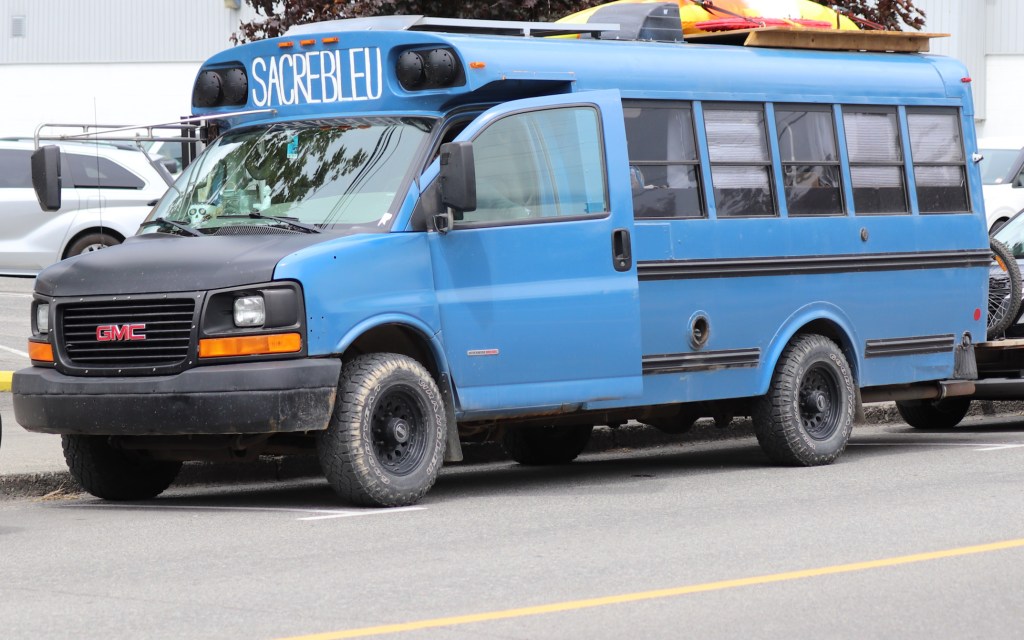
Visitors to Merritt BC Canada were about this weekend and this guy challenged me to take his photo and then happily moved on.
May have been locally ported.

Not wanting to miss anything this guy posed,perfectly and purposefully in a truck we presume as his.

26 rally cars showed themselves on the 2000 block of Granite Avenue in Merritt Friday, January 30th, 2025 with this official watching over the 5:30 start that saw the cars moved to a terminal point to start their timed rally.
The Pacific Forest Rally is a thrilling performance rally racing event held annually in the rugged terrain surrounding Merritt, British Columbia. In 2025, it’s scheduled to take place from Thursday, May 29th to Saturday, May 31st.
Here’s a breakdown of what you can expect:
Event Overview:
* Dates: May 29 – 31, 2025
* Location: Merritt, British Columbia
* Courses: The rally features challenging gravel roads with tight corners, steep climbs, and dramatic elevation changes in the Thompson-Nicola region. The rally stages are typically rough, with a gravel and rock base.
* Championships: The Pacific Forest Rally is a significant event, being part of both the Canadian Rally Championship (CRC), the North American Rally Cup (NARC), and the Western Canadian Rally Championship (WCRC), attracting top rally teams from across North America.
Schedule Highlights (subject to minor changes):
* Thursday, May 29: Set up and potentially tech inspection and reconnaissance (recce) for competitors.
* Friday, May 30:
* Tech inspection and recce continue.
* Rally Car Display (Parc Exposé): 4:30 PM – 5:30 PM in downtown Merritt (Granite Ave). This is a great opportunity for spectators to get up close to the rally cars and meet the teams.
* Ceremonial Start: 5:30 PM – 6:00 PM, leading into the first set of stages.
* Possible night stages (e.g., Mab stage).
* Saturday, May 31:
* Full day of stages, stages, stages! This is the main day for competitive racing.
* Morning & Midday Spectator Stage (e.g., Kirby stage): Multiple passes starting around 10:05 AM.
* Afternoon Spectator Stage (e.g., Brookmere stage): Multiple passes starting around 5:00 PM.
* Sunday, June 1: Clean up.
Spectator Information:
* Spectator Guide: An official Spectator Guide is usually released closer to the event, providing essential details like stage maps, spectator locations (e.g., Mab, Kirby, Brookmere), stage entry times, vehicle pass times, turn-by-turn directions to forest spectator points, and important safety information.
* Viewing Areas: There will be designated spectator areas, and while some are easily accessible, others may require driving on gravel roads. Lowered vehicles are generally not recommended for forest access.
* Amenities: Forest spectator areas are remote and typically have no toilets or concessions, so plan accordingly and bring your own supplies.
* Safety: Always prioritize safety by following official instructions, staying in designated spectator zones, and being aware of your surroundings.
Volunteering:
The Pacific Forest Rally relies heavily on volunteers for its success, especially for road blocking, time control, and spectator management. If you’re interested in getting involved, volunteer registration is typically open well in advance.
The Pacific Forest Rally offers an exciting experience for motorsport enthusiasts, showcasing high-speed action and the spirit of rally racing in a beautiful natural setting.

Most jurisdictions in Canada have been lifting the carbon tax off the consumer price of gasoline. Along with that, the carbon credit may be on its way out. Hard to say when everything fits together but it seems to be the moniker that is driving it.
Well, if people feel empowered by it, It’s probably the right thing to do.
So, We wonder where the next excise taxes will be stuck into, some consumer things somewhere. I wonder if it’ll be cars or are they going to be relying on tariffs?
Don’t bring your tariffs to town. Billy boy Billy boy.
Taxidermied? skinned, cleaned, hung out to dry.
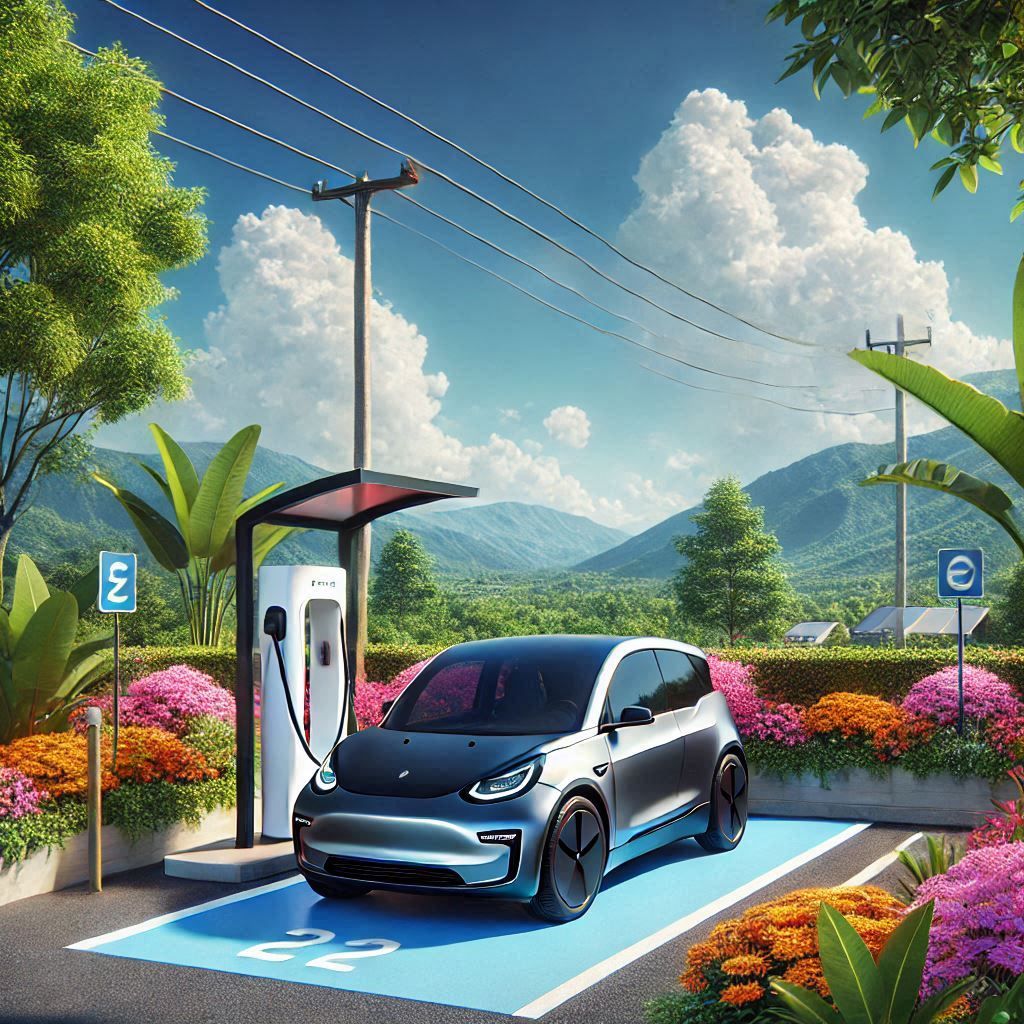
Canada’s electric vehicle (EV) market is experiencing significant growth in both production and consumption. Here’s a summary:
Production:
* While Canada doesn’t have a large number of domestic EV manufacturers compared to other countries, it is making strides in this area. Several companies are investing in EV production and battery manufacturing facilities in Canada.
* The Canadian government is actively promoting the development of the EV industry through various incentives and investments. This is attracting both established automakers and new players to set up production facilities in the country.
* Canada is also rich in resources needed for battery production, such as lithium, nickel, and cobalt. This gives the country a competitive advantage in the EV market.
Consumption:
* EV sales in Canada have been steadily increasing in recent years. In 2023, zero-emission vehicles (ZEVs) accounted for 11.7% of new light-duty vehicle sales, a significant jump from previous years.
* Several factors are driving this increase in EV adoption, including government incentives, growing awareness of environmental issues, and the increasing availability of EV models.
* British Columbia and Quebec are leading the way in EV adoption, with higher market shares compared to other provinces.
Overall, the Canadian EV market is dynamic and growing rapidly. With increasing production capacity and strong consumer demand, EVs are expected to play a significant role in Canada’s transportation sector in the coming years.
Transportation, whether by personal motor car or public transport, has profoundly shaped our society and driven its prosperity in countless ways. Both options offer unique advantages and disadvantages, impacting our lives in distinct manners.
Personal Motor Cars:
Value:
* Convenience and Flexibility: Personal cars offer unparalleled convenience and flexibility. They allow us to travel at our own pace, on our own schedule, and to destinations that may not be easily accessible by public transport. This freedom is particularly valuable for individuals living in rural areas or those with complex schedules.
* Comfort and Privacy: Cars provide a comfortable and private space for travel. We can control the temperature, music, and other aspects of our journey, making it a more personalized experience.
* Independence and Mobility: Owning a car provides a sense of independence and mobility, allowing us to pursue opportunities and experiences that may not be possible without one.
Impact on Society and Prosperity:
* Economic Growth: The automotive industry has been a major driver of economic growth, creating jobs in manufacturing, sales, and related sectors. The infrastructure supporting car use, such as roads and highways, has also stimulated economic activity.
* Suburbanization and Urban Sprawl: The widespread availability of cars has facilitated suburbanization and urban sprawl, allowing people to live further from city centers and commute to work. This has led to the development of new communities and expanded economic opportunities.
* Increased Trade and Commerce: Cars have facilitated the movement of goods and services, enabling businesses to expand their reach and access new markets. This has contributed to increased trade and commerce, both domestically and internationally.
Public Transportation:
Value:
* Cost-Effectiveness: Public transportation is generally more cost-effective than owning and operating a personal car, especially for frequent commuters. It eliminates expenses such as car payments, insurance, fuel, and maintenance.
* Environmental Friendliness: Public transport is more environmentally friendly than personal cars, as it reduces the number of vehicles on the road and lowers emissions per passenger. This contributes to cleaner air and a healthier environment.
* Reduced Congestion: Public transportation can help reduce traffic congestion, especially in urban areas. By carrying large numbers of people in a single vehicle, it can alleviate pressure on roads and highways.
Impact on Society and Prosperity:
* Accessibility and Equity: Public transportation provides access to jobs, education, healthcare, and other essential services for people who may not be able to afford a car or who are unable to drive. This promotes social equity and inclusivity.
* Urban Development and Revitalization: Public transport can play a key role in urban development and revitalization by connecting different parts of a city and encouraging density. This can lead to more vibrant and sustainable communities.
* Economic Efficiency: By reducing congestion and facilitating the movement of people and goods, public transportation can contribute to economic efficiency and productivity.
Conclusion:
Both personal motor cars and public transportation have played significant roles in shaping our society and driving its prosperity. Personal cars offer convenience, flexibility, and independence, while public transportation provides cost-effectiveness, environmental benefits, and accessibility. The optimal balance between these two modes of transportation depends on various factors, such as individual needs, urban planning, and government policies. By investing in both personal car infrastructure and efficient public transportation systems, societies can maximize the benefits of both and create a more sustainable and prosperous future.



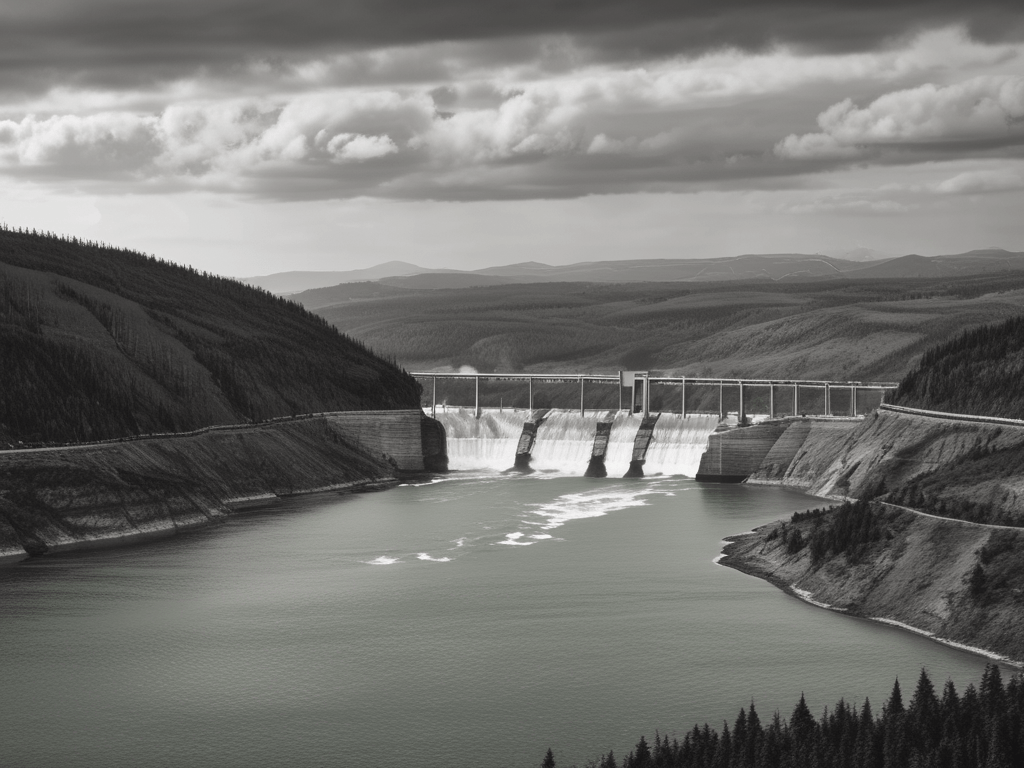

In Canada we have the advantage of a tax tied to a tangible commodity. The carbon tax no matter how pie in the sky it is, it’s still based on a tanagable.
Fraud not withstanding risk is better underwritten by this vehicle. So, the bubble of hard assets (oil reserves) that we are beginning to enjoy is timely for we all. Don’t waste this moment… Use it to transform ideas to near tangibles that will endure to our children’s children.
Peak oil reached by 2030.

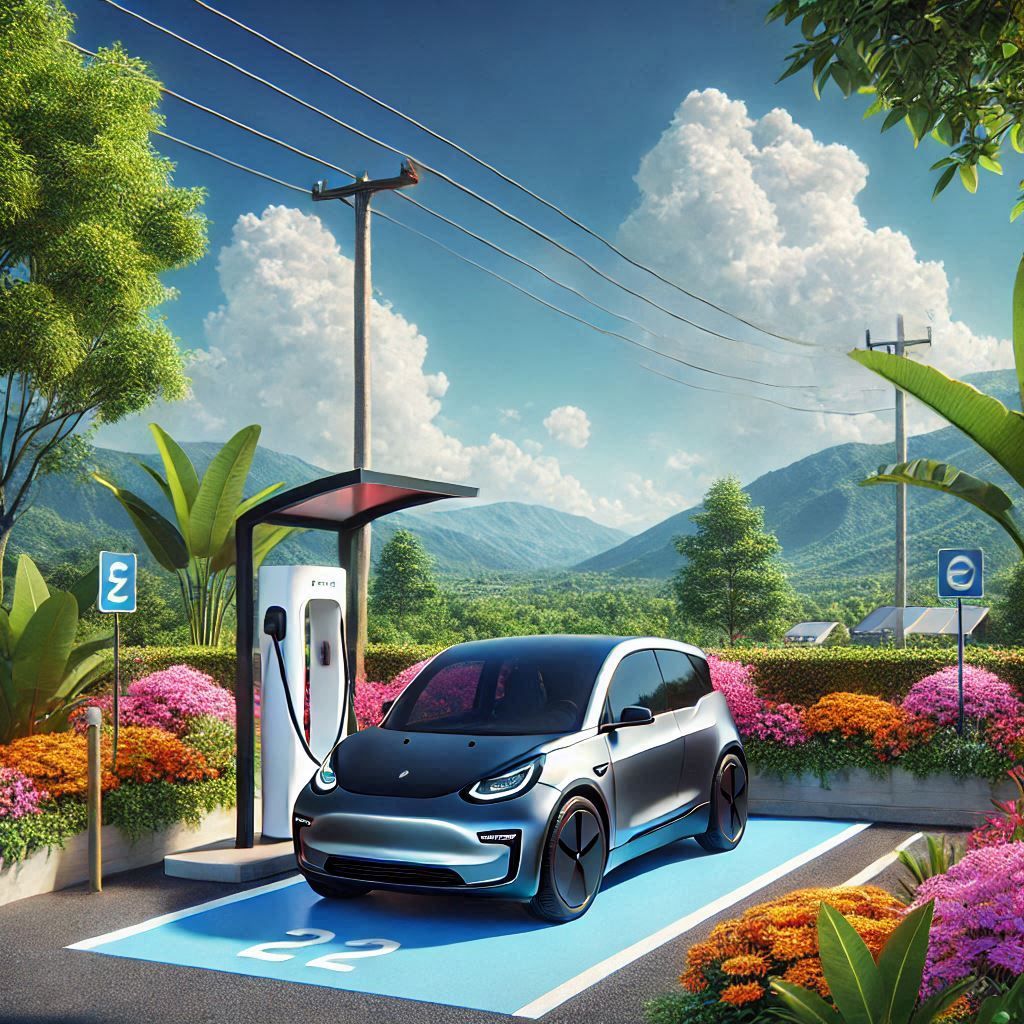
Electric vehicles (EVs) in British Columbia (BC) are becoming increasingly popular as more people recognize the environmental and economic benefits they offer. The provincial government, along with various organizations, has been implementing initiatives to encourage the adoption of EVs.
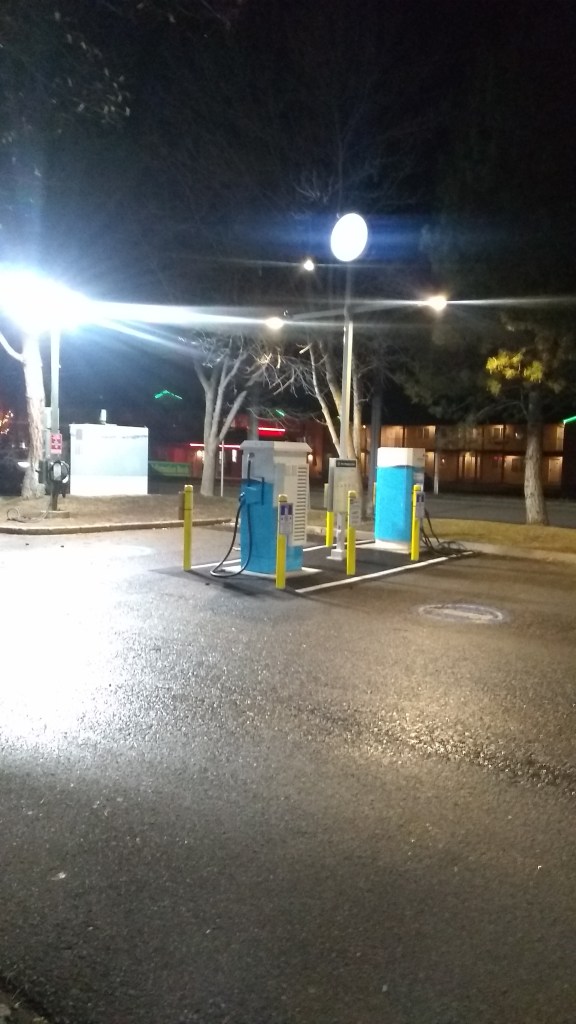
BC has an extensive network of charging stations, making it convenient for EV owners to charge their vehicles while on the go. There are different types of charging stations, including Level 1, Level 2, and DC Fast Chargers, catering to the varying charging needs of EV drivers.
One of BC’s notable incentives for EV owners is the Clean Energy Vehicle (CEV) Program. This program provides rebates for the purchase or lease of eligible new electric vehicles, plug-in hybrid electric vehicles, and hydrogen fuel cell electric vehicles. The amount of the rebate depends on the type of vehicle and its battery capacity.
In addition to the CEV Program, BC offers other incentives, such as reduced toll rates for EVs crossing certain bridges and priority access to high-occupancy vehicle (HOV) lanes. These benefits make owning an EV in BC more affordable and convenient.
Furthermore, the provincial government has set ambitious goals to transition to a cleaner transportation system. BC aims to have all new light-duty vehicles sold be zero-emission vehicles (ZEVs) by 2040. This commitment demonstrates BC’s dedication to reducing greenhouse gas emissions and promoting sustainable transportation.
Overall, the future looks promising for electric vehicles in BC. With a supportive government, a robust charging infrastructure, and enticing incentives, more residents are expected to make the switch to electric vehicles, contributing to a greener and more sustainable future for the province.

Merritt is having its 2000 block of Quilchena avenue as a summer street market for the 2nd year. The market includes street music artisan products and hobby displays . The Market runs all summer . Two hours and a bit of real enjoyment staring at six.
A CT 3D scan of a human head is published.
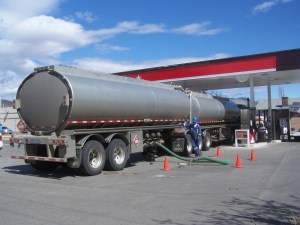
60,000 liters gasoline delivery ….file Photo KDG
The price of regular gasoline is at $1.12 a liter, and has been that price even this last weekend. This represents a 3 cent drop in recent weeks. It is in the context of the Canadian dollar showing strength.
Grade school is out now and this could put demand on gas prices so we should plan to keep it under control once again with conservation.
All five outlets in Merritt are the same price, indicating good supply at this time.
Good luck and thanks for your sensitivity to fuel usage. Please enjoy the summer driving season and maintain a responsible attitude to fuel usage.
Current trends are prices rising, the lowest price being 93.9 cents, the highest a dollar twenty one .one
The city of Trois Rivieres is founded in New France.à
hat price
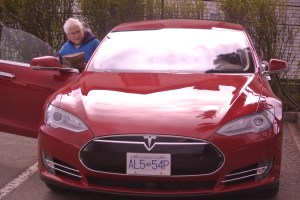
A new Tesla S going to a home in Williams Lake BC
File Photo KDG
Brock, a man charging up his Red Tesla EV at the Voght street charger said he and the Tesla community were upset that the green subsidy was not on his type of car. The Tesla he drives is considered a luxury car and is not in the 70 thousand dollar range cap for the recently announced incentive for EV’s and hybrids.”they have to meet the commitment from Paris he said and luxury cars being left out is not helping.”
He also said because his car type attracts the luxury sales tax of 10 percent PST the province still would be ahead if they included the Tesla S series in the program.
Brock is says he is an engineer and lives in Kamloops, he sometimes does work for the City of Merritt.
There is slightly less then 12 million dollars committed to the Globe Green plan by the BC government in Paris. The money is to go to clean energy vehicles and promoting clean air and water.
You are now allowed to drive in HOV lanes in electric vehicles without passengers.
There are estimated to be less then 4000 Electric Vehicles in BC .
Because electric vehicles don’t consume gasoline or directly produce greenhouse gas emissions, there is strong government support for their development, production and sale—including, in some provinces, financial incentives for consumers. In Ontario, for example, consumers are eligible for up to $8500 in rebates when purchasing certain BEVs or PHEVs, although HEVs are not eligible. In British Columbia, rebates of up to $5000 are available for certain electric vehicles. And at least one province – Ontario – also has an incentive program for those who install a home charging system. The federal government does not offer consumer incentives for the purchase of electric vehicles.Source BCAA
Live smart BC has info on charging stations as well.
On this Day: March 4th 1913
The United States Department of Labor is formed.

Interesting cars, a lifestyle that appeals, access to cheap fuel ,open roads and some leisure time, when this car was new…
File Photo KDG
The local gas price came down a cent a liter this week . Retail gas prices have a range of value including lower efficiency ethanol content. It is good to shop around loyalty programs can also take of cents per liter.
At this writing the British Columbia average is $1.13 a liter, national average is $1.05 and the trend is rising.
https://www.gasbuddy.com/GasPrices/BC
On this day: October 9th 1604
Super Nova 1604 is observed in the Milky way.

Hey Merit what do you say?


 Kevin Griffiths
 percypaschal
 The Proprietor Review