You are presumed to be honest and responsible without evidence to the contrary beyond a reasonable doubt… on the balance of probablilties you are justified by 51 % likelyhood.
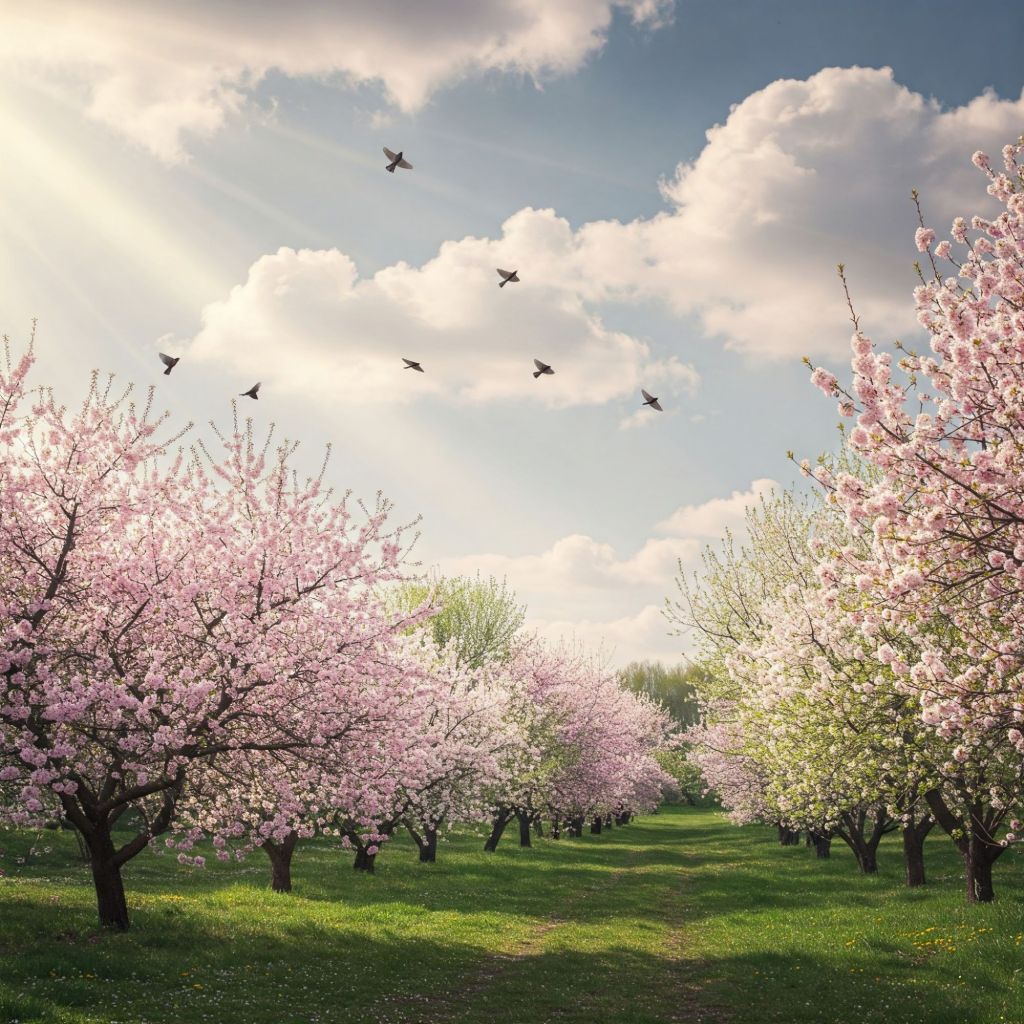
Alright, let’s talk about spring in 2025! Here’s a breakdown of what you can expect: * The First Day of Spring: * In 2025, the first day of spring, also known as the vernal equinox, will be on Thursday, March 20th. * Specifically, it will occur at 5:01 a.m. EDT. * This marks the astronomical beginning of spring in the Northern Hemisphere. * What the Spring Equinox Means: * The spring equinox is when the sun crosses the equator line, heading north. * This causes the Northern Hemisphere to tilt more towards the sun, resulting in: * Longer days. * Warmer temperatures. * General Expectations for Spring: * Spring is a time of renewal and rebirth. Expect to see: * Plants and trees budding and blooming. * Animals emerging from hibernation. * Increased daylight hours. * A gradual rise in temperatures. * Factors that influence spring weather: * It is important to remember that weather patterns are becoming more variable. So while the equinox is a set date, the weather that follows is less predictable. Factors like the El Nino/La Nina southern oscillation, and other global weather patterns will greatly effect local weather. To get more specific information about your local area, I would recommend checking your local weather forecasts as spring approaches.
Prognostication by reading animal behavior, inward organs, and other natural signs is an ancient practice often referred to as folk meteorology or natural forecasting. Here’s a breakdown: * How it works (in theory): * Animal behavior: Certain animal behaviors were believed to predict weather changes. For example, if cows lie down, rain is coming. If birds fly low, stormy weather is expected. * Inward organs: Examining the livers of sacrificed animals was a common practice in ancient civilizations. The appearance and shape of the liver were interpreted to foretell the future, including weather patterns. * Other signs: Observing cloud formations, the direction of the wind, and the behavior of plants were also used to predict weather. Reliability for Weather: * Limited scientific basis: While some animal behaviors may indeed be influenced by subtle environmental changes that precede weather shifts, there’s no strong scientific evidence to support the reliability of these methods for accurate weather prediction. * Anecdotal evidence: Many of the “rules” are based on anecdotal observations and may not hold true consistently. * Subjectivity: Interpretation of animal behavior and organ appearance is highly subjective and can vary greatly between individuals. Entertainment vs. Hoax: * Entertainment value: Folk meteorology can be a fun and interesting way to connect with nature and observe animal behavior. It offers a glimpse into traditional beliefs and cultural practices. * Not necessarily a hoax: While not scientifically proven, it doesn’t necessarily constitute a deliberate deception. Many of these beliefs were developed based on genuine observations, albeit with limited understanding of the underlying scientific principles. My Opinion: * Interesting but not reliable: I find folk meteorology fascinating as a historical and cultural phenomenon. It reflects early attempts to understand and predict the natural world. * Not a substitute for modern methods: For accurate weather forecasts, I would rely on modern meteorological tools and techniques, such as weather stations, radar, and satellite imagery. Should You Rely on It? * For entertainment and cultural appreciation: Absolutely! Observing animal behavior and learning about traditional weather forecasting methods can be a rewarding experience. * For making important decisions: I wouldn’t recommend relying solely on folk meteorology for critical decisions that are heavily dependent on accurate weather predictions (e.g., planning outdoor events, making travel plans). In summary: While folk meteorology may have some limited value in observing natural patterns, it’s not a scientifically reliable method for weather prediction. It’s best enjoyed for its cultural and historical significance.
500 million dollars BC Hydro. This project is going to be done by BC Hydro. Although their name Hydro connotates the fact that they own every drop of water in British Columbia as a monopoly for power generation. They are expanding wind farms and power smart are in their resume.
New
Environmental assessment waived
The company has just been directed to do everything as efficiently as possible and they’re waiving the environmental assessment. Which may in one case be reasonable because of the wind and its passiveness. However, they are notorious for bird kills and I would think that would be part of the environment. More on this later we hope. Maybe we can get a quote from theNicola Naturalist Society Incorporated. Alan Berger president.
So, it seems that the world is coming around a bit. The la Nina severe storm generator is working to bring up cooler water from deeper parts of the ocean and cause weather fronts to move it inland.
And, a carbon tax is taking up tariffs on carbon imiting oil reserves ( when burnt). So, we have been watching and waiting for the catastrophic sea level to rise.
Not terribly dramatic the drought is more of a sense of attention than sea levels. We know that the seas were about 300 m shallower at the top of the last ice age when a mile high or 2 mile high or more in some places sheets of ice covered North America. So did that translate into how the seas were going to rise with current global warming,? I watched as island states in the South seas were marked as going under. On examination it seems those things move regularly because of the sand that composes them.
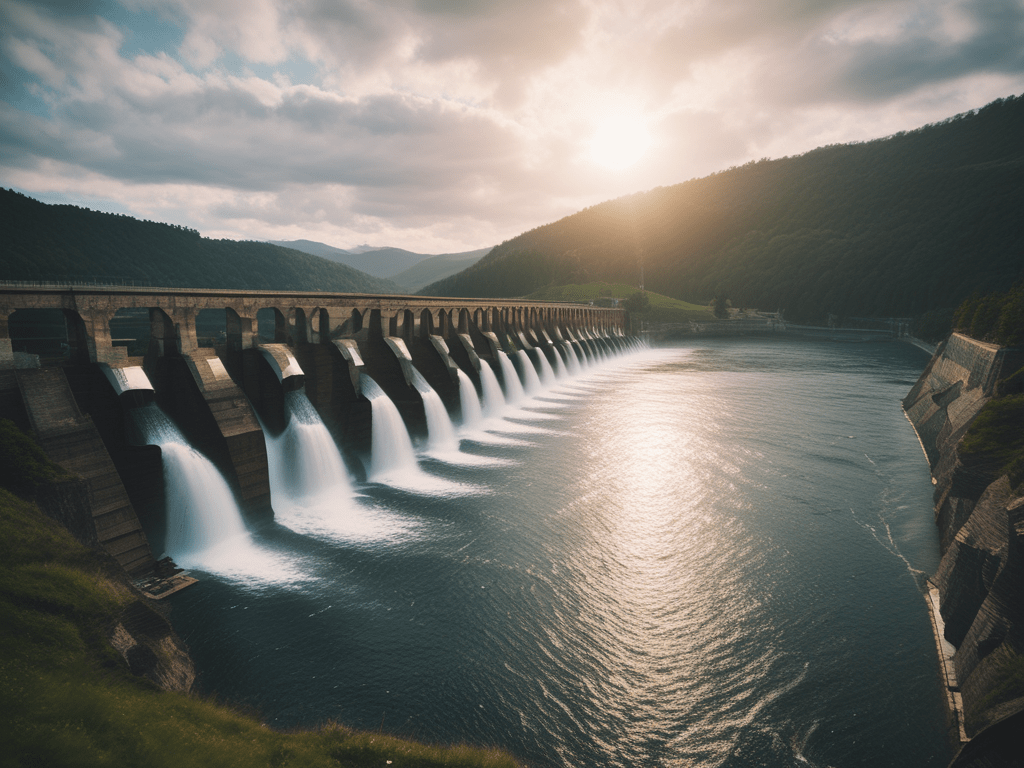
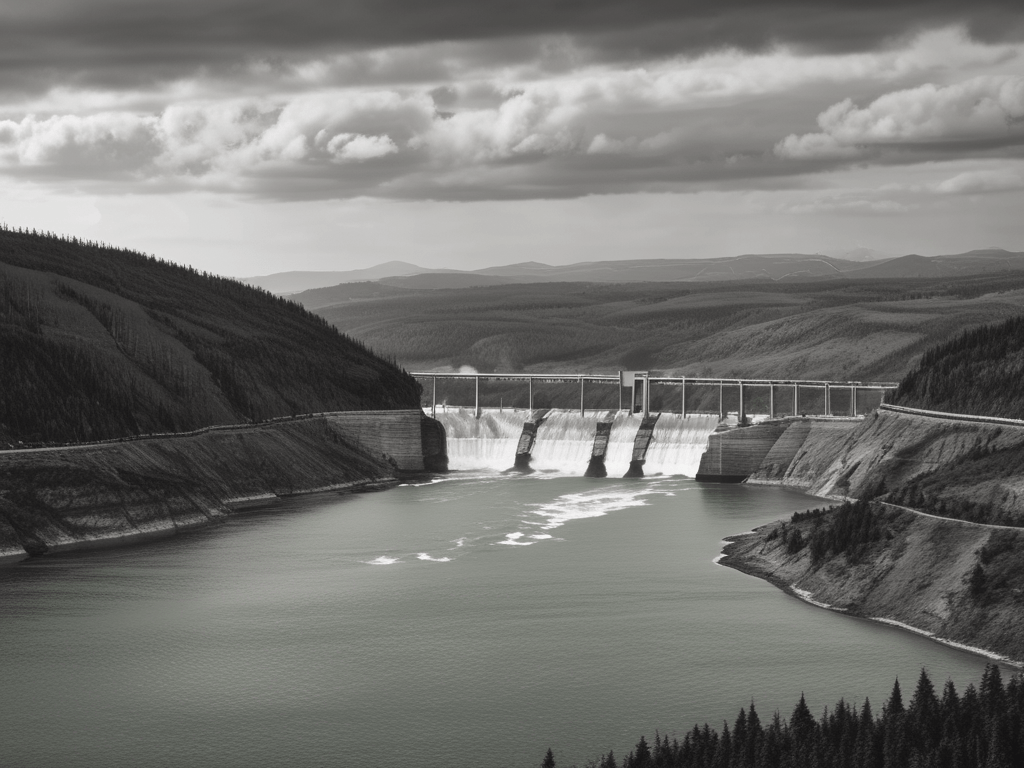
Then I thought back to when our family business partnered with a couple other drillers to do the preliminary exploration work drilling on the site C project in British Columbia, Canada. My thoughts were tossed and since we finished decades ago and it’s been under construction for decades and now at this very moment is being filled with water. However, because of drought conditions, it’s not taking any water out of the system or the land, but it’s taking it from Williston lake. The WAC Bennett reservoir.
Although there is a greater efficiency with the new project, it’s a moot point about water because the drought is a concern that needs to be dealt with in a measured way and they certainly can do that. And we can cooperate when we are asked to preserve water and or be part of solutions for that sort of thing.
But, it raises in my mind questions about the abundance of water when it’s mixed with oil. We know oil doesn’t mix with water. We have as a society that with licensing through our government has given a lot of oil leases that have drilled lots of holes in the ground and pumped out lots of oil over the last few decades and guess what?
That oil was burned and put in the atmosphere. Some it was taken up again by trees but lots of interest to me is that nobody has ever raised the issue of what is taking its place in the ground. Of all that oil being pumped out.Yes we know that oil and water don’t mix but where there’s a hole there’s going to be water put down it and I presume that the oil will work its way to the top of it and the water will be underneath it in most respects. I’m not a geologist but I’m sure somebody must have studied that.
Then, the question of the carbon tax and its relationship to the availability to the market of tar sands oil. Now Tar sands oil isn’t pumped from big holes in the ground. It is mined refined and sands put in back filled pits so that would preclude the loss of groundwater, we would take.
But we’re not experts, but we think that would make tar sands oil more attractive to be used in place of huge amounts of pooled oil? It wouldn’t be pumped from the ground and replaced with groundwater, which it seems at this point we are suffering for.
Now, we are still not experts or giving you a lecture. It is somebody subjectively thinking what the hey; is it true, could have the environmental impact of tar sands been underlooked for this dynamic of groundwater disappearing and exacerbating drought conditions.
At any rate, the sight C project will be generating power this fall sometime and it’ll be using water from Williston lake that would have gone through the aging WAC Bennet Dam . So dam it anyway, what way water. ( I am sure it goes through both) Double dipped, but will it be back?
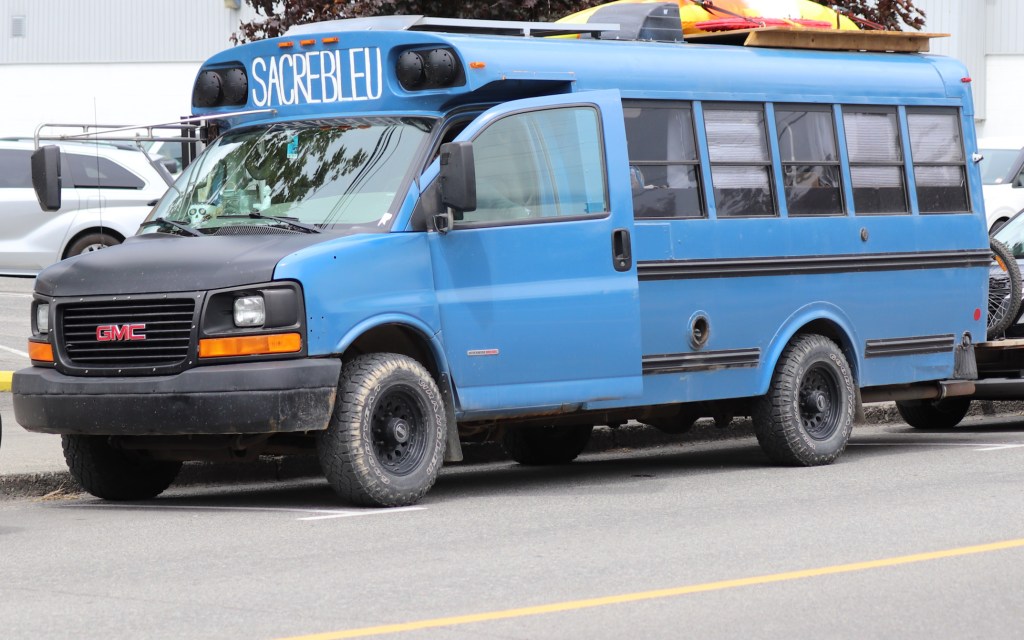
1950 heavy metal itPhoto by Cliff Booth on Pexels.comBus itSevere weather it.Dam itNuke it
Carbon Tax
In Canada we have the advantage of a tax tied to a tangible commodity. The carbon tax no matter how pie in the sky it is, it’s still based on a tanagable.
Fraud not withstanding risk is better underwritten by this vehicle. So, the bubble of hard assets (oil reserves) that we are beginning to enjoy is timely for we all. Don’t waste this moment… Use it to transform ideas to near tangibles that will endure to our children’s children.
Weather statistics are indeed valuable for a variety of purposes, such as agriculture, transportation, and planning recreational activities. Understanding and interpreting weather data may seem complex at first, but with the right resources and guidance, a regular person can certainly make sense of the information. There are numerous user-friendly websites and apps that present weather statistics in a clear and understandable manner, allowing individuals to make informed decisions based on the data. Learning the basics of meteorology and familiarizing oneself with common weather metrics can also greatly enhance one’s ability to comprehend and utilize weather statistics effectively.









 Kevin Griffiths
 percypaschal
