You are presumed to be honest and responsible without evidence to the contrary beyond a reasonable doubt… on the balance of probablilties you are justified by 51 % likelyhood.
NASA is moving the rocket off the launch pad for repairs. It was supposed to fly around the Moon. This makes a March launch impossible.
Good luck with the repairs K.
Program
The Artemis program is a bold initiative led by NASA. It aims to return humans to the Moon by the mid-2020s. This marks the first time since the Apollo missions of the 1960s and 1970s.It
intends to land the first woman on the lunar surface. The next man will also land there. This will specifically occur at the Moon’s South Pole. At this location, water ice and other resources may be accessible for future exploration.
The program aims to establish a sustainable human presence on the Moon by the end of the decade. This will serve as a stepping stone for future crewed missions to Mars.
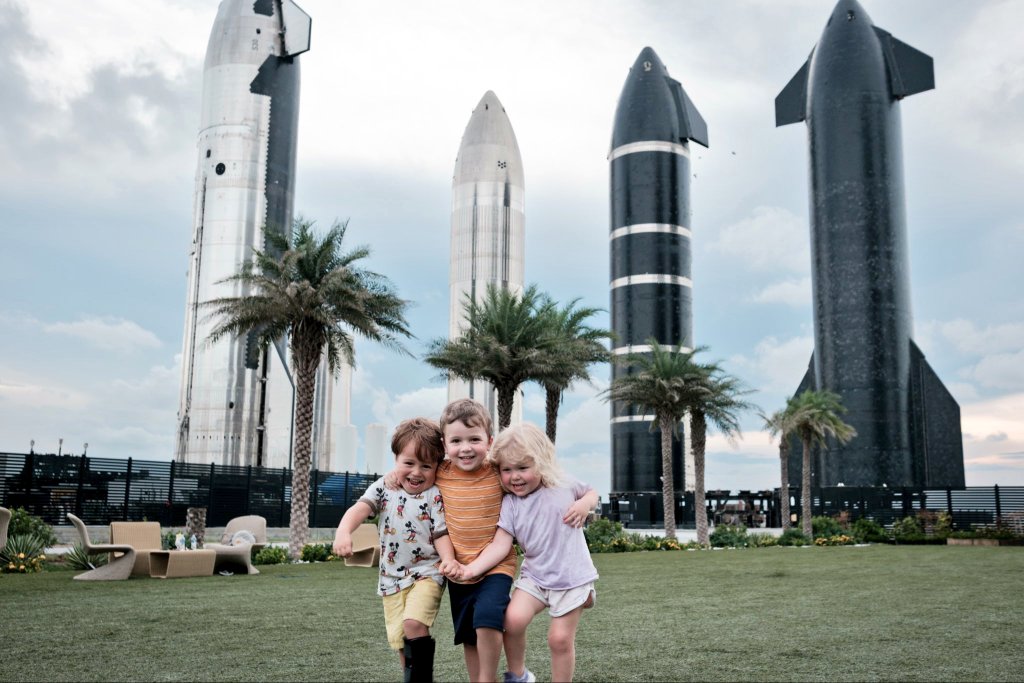
Artemis to lead to permanent moon base and launch platform to inhabit Mars. Maybe these kids will see it.
The program consists of several key missions. These include Artemis I, an uncrewed test flight of the Space Launch System (SLS) rocket and the Orion spacecraft. Artemis II will carry astronauts around the Moon in preparation for Artemis III, the crewed lunar landing.
The program emphasizes international collaboration, partnering with space agencies and commercial companies to push the boundaries of space exploration.
Mars has a remarkably thin atmosphere, especially when compared to Earth’s. The average atmospheric pressure on the Martian surface is only about 0.6% of Earth’s sea-level pressure. This means it is roughly equivalent to the air pressure found at an altitude of 35 kilometers (22 miles) above Earth. The Martian atmosphere is primarily composed of carbon dioxide (95%), with small amounts of nitrogen (2.8%), argon (2%), and trace amounts of other gases. Winds and Dust Storms The thin Martian atmosphere can produce powerful global dust storms. While the air pressure is low, the atmospheric dynamics are driven by significant temperature differences. The low pressure means there is little resistance to wind, and the fine, talcum-powder-like dust particles are easily lifted from the surface. The “dooming” from winds the user mentioned refers to these massive dust storms. Here’s how they form: * Solar Heating: During the Martian spring and summer, particularly in the southern hemisphere when Mars is closest to the Sun, solar energy heats the surface. * Temperature Differential: The stark contrast between the warm surface and the cooler air above creates convection currents. * Feedback Loop: Once a small dust storm begins, the suspended dust particles absorb sunlight, which in turn heats the surrounding atmosphere. This heating intensifies the convection and strengthens the winds, allowing them to lift even more dust. This positive feedback loop can cause a small, local storm to grow rapidly into a planet-encompassing event that can last for months. Heating and Cooling The heating and cooling of the Martian atmosphere are dominated by solar radiation and the role of its main component, carbon dioxide, along with the omnipresent dust. * Heating: The primary source of heat is the Sun’s radiation. Solar energy heats the Martian surface, which then re-radiates that energy as infrared heat. The carbon dioxide in the atmosphere, being a greenhouse gas, traps some of this re-radiated heat, warming the atmosphere. However, the atmosphere is so thin that this greenhouse effect is much weaker than on Earth. * Cooling: The atmosphere cools by radiating heat back into space. The carbon dioxide molecules effectively radiate infrared energy away, which helps balance the incoming solar energy. The fine dust particles play a critical role in this process. When dust is suspended in the air, it absorbs solar radiation directly, causing the atmosphere to heat up. This effect is why the upper atmosphere can warm considerably during a global dust storm, even as the surface below cools because it is shrouded from direct sunlight. The Martian atmosphere lacks a significant amount of water vapor, which is a major driver of weather and heat transfer on Earth, making the solar-dust feedback loop a dominant force in Martian atmospheric dynamics.
The next Starship test flight, Flight 10, is scheduled for August 4th, 2025. This flight will be another uncrewed test to gather more data on the Starship’s performance.
Waiting for a crewed test launch, concerned about the Artemis Partner Program in the current geo political atmosphere it’s heartening to know a starship test is coming in August.
1000 Starships
Maintained by space x that 1000 Starships will bring 1 million colonists to Mars. This I
Is for permanent settlement.
The ambitious goal of making Mars a habitable planet and sending a million people there is primarily driven by SpaceX, led by Elon Musk. While other space agencies like NASA have plans for human missions to Mars, SpaceX has the most public and aggressive timeline for large-scale colonization. Here’s a breakdown of the key aspects of this program: SpaceX’s Vision for Mars Colonization: * Self-Sufficient City: The ultimate goal is to establish a self-sufficient, large-scale settlement and a democratic, self-governing colony on Mars. This means not just sending people, but building the infrastructure for them to live, work, and thrive independently of Earth. * Starship System: The core of SpaceX’s plan is the Starship spacecraft and Super Heavy rocket. This fully reusable transportation system is designed to carry both crew and massive amounts of cargo to Mars. * Massive Transportation: To achieve the goal of a million people, SpaceX envisions launching thousands of Starships during Mars launch windows (which occur approximately every 26 months). They talk about launching more than 10 times per day to maximize these windows. * Phased Approach: The plan involves initial cargo missions to deliver equipment, habitats, and supplies before any humans arrive. The first crewed missions would focus on setting up propellant plants (to produce fuel on Mars using local resources), power systems, and rudimentary bases. * Resource Utilization (ISRU): A crucial part of self-sufficiency is In-Situ Resource Utilization (ISRU). This involves using resources available on Mars, such as harvesting CO2 from the atmosphere and splitting it into its components to create oxygen and fuel. * Timeline: While highly ambitious and subject to change, Elon Musk has spoken about a first crewed mission as early as 2029 and the development of a self-sustaining colony by 2050. Terraforming Mars: “Terraforming” refers to the hypothetical process of transforming a planet hostile to life into one that can sustainably host humans and other lifeforms without protection. While SpaceX’s immediate focus is on establishing a base that uses local resources, the long-term vision of a truly Earth-like Mars involves terraforming. * Challenges: Terraforming Mars presents immense challenges with current technology. Key issues include: * Thin Atmosphere: Mars has a very thin atmosphere with extremely low surface pressure. * Lack of Magnetic Field: Mars lacks a global magnetic field, which makes its atmosphere vulnerable to erosion by solar winds. * Cold Temperatures: Mars is very cold. * Proposed Methods (Hypothetical): * Greenhouse Gases: Releasing greenhouse gases (like CO2, which is abundant in Mars’s atmosphere and polar caps) to thicken the atmosphere and warm the planet. * Artificial Magnetic Field: Creating an artificial magnetic field to protect the atmosphere from solar wind erosion. * Engineered Dust Particles: Some researchers have proposed releasing engineered dust particles into the atmosphere to trap heat. * Localized Habitats: A more achievable near-term approach might be creating localized habitable environments using materials like silica aerogel, which could provide shelter and warmth for small areas. NASA’s Role: While NASA doesn’t have a plan for colonizing Mars with a million people in the same way SpaceX does, they are actively working towards human exploration of Mars. Their goals include: * Scientific Discovery: Understanding whether life ever existed on Mars, characterizing its climate and geology, and preparing for human exploration. * Technology Development: Testing technologies for oxygen production (like MOXIE on the Perseverance rover), developing sustainable food and water systems, power generation, and advanced habitats. * Artemis Program: NASA’s Artemis program is laying the groundwork for long-term human presence on the Moon, which will serve as a stepping stone and testing ground for missions to Mars. In essence, SpaceX is the primary driver behind the “million people on Mars” goal, with their Starship system being the core technology. Terraforming, while a long-term aspiration, faces significant scientific and technological hurdles. NASA, meanwhile, is focused on incremental steps towards human exploration, scientific discovery, and developing the foundational technologies needed for future long-duration missions to the Red Planet.
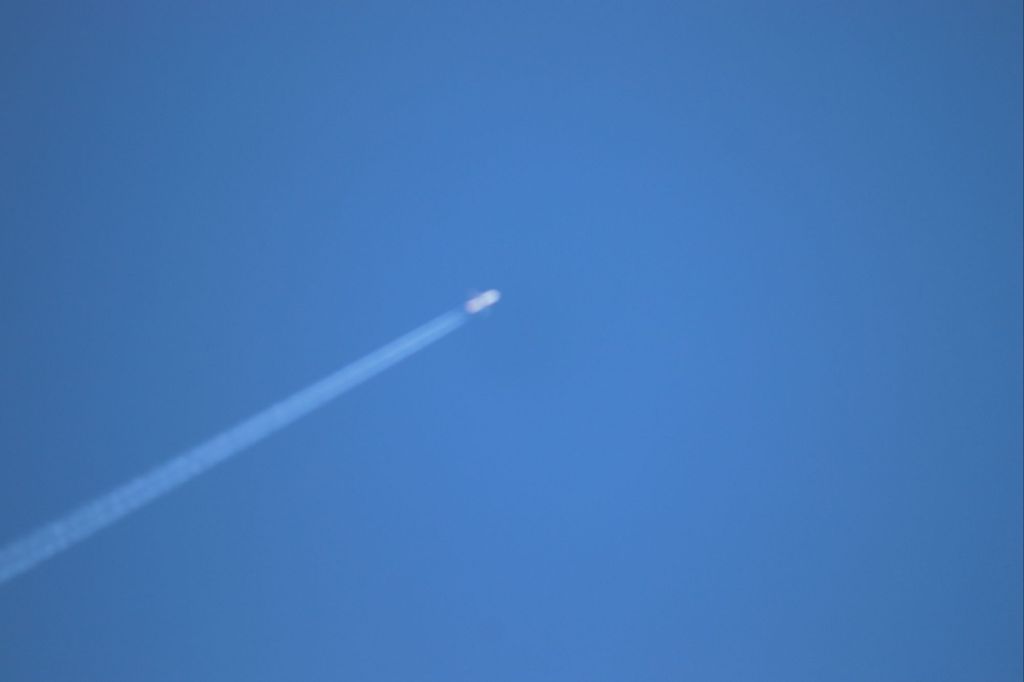
I shot this with my little Nikon. I think a number of years ago if it wasn’t my Nikon. It was my Kodak easy share. I do remember getting a nod from a NASA guy ” thanks for the photo of Mars.”
Being in conjunction with the moon looks like you can reach over and borrow a cup of sugar.
Just think if we on Earth and it’s Nations could be that close together and at peace. What a nice existence. This would work to the better of the
Happy Canada Day as we gear up to remove interprovincial trade barriers…
Wouldn’t that be smart? If at some point the training that we find in this would give us an ability for a leg up on being intergalactic trade barrier workers.
Devon Island is a large, uninhabited island located in the Queen Elizabeth Islands archipelago in the Canadian Arctic, part of Nunavut territory. It’s the second-largest island in the Queen Elizabeth Islands and the sixth-largest in Canada. Relationship to Mars: Devon Island has gained significant scientific interest due to its striking resemblance to the surface of Mars, earning it the nickname “Mars on Earth.” This makes it an ideal Mars analog environment for research and training related to future human missions to the Red Planet. Here’s why: * Polar Desert Environment: Devon Island is a polar desert, meaning it is both extremely cold and dry, similar to the conditions on Mars. It receives very little precipitation, and temperatures can plummet to -50 °C in winter. * Haughton Impact Crater: A major feature of Devon Island is the Haughton impact crater, a 23-kilometer wide crater formed by a meteorite impact about 39 million years ago. This crater and its surroundings offer a geological landscape that mimics various Martian features, including canyons, small gullies, and patterned ground. The presence of an impact crater is particularly relevant as Mars is heavily cratered. * Barren, Rocky Landscape: Much of Devon Island is a barren plateau dominated by frost-shattered rocks, with minimal vegetation in many areas, creating a visual and environmental parallel to the Martian surface. * Analog Research Stations: Because of these similarities, Devon Island hosts two primary Mars analog research facilities: * Flashline Mars Arctic Research Station (FMARS): Operated by the Mars Society, FMARS is a simulated Mars habitat designed to test habitat designs, tools, technologies, and crew selection protocols under conditions similar to Mars. Crews live and work in the station, conducting geological and biological exploration as if they were on Mars. * Haughton-Mars Project (HMP): This international, multidisciplinary research project focuses on studying the Haughton impact crater and its surrounding terrain as a planetary analog, particularly for the Moon and Mars. It’s partially funded by NASA. Researchers use Devon Island to: * Conduct geological and biological studies: Investigating how life might adapt to extreme conditions, and studying geological processes that could occur on Mars. * Test equipment and procedures: Evaluating rovers, life support systems, and extravehicular activity (EVA) procedures in a challenging environment. * Train astronauts and researchers: Providing a realistic simulation of the isolation, confinement, and challenges of a long-duration space mission. * Understand human performance: Studying how individuals and teams perform in isolated, confined, and extreme environments, which has direct applications for astronaut selection and support. In essence, Devon Island serves as a crucial terrestrial laboratory, allowing scientists to prepare for the complexities and challenges of exploring Mars without leaving Earth.
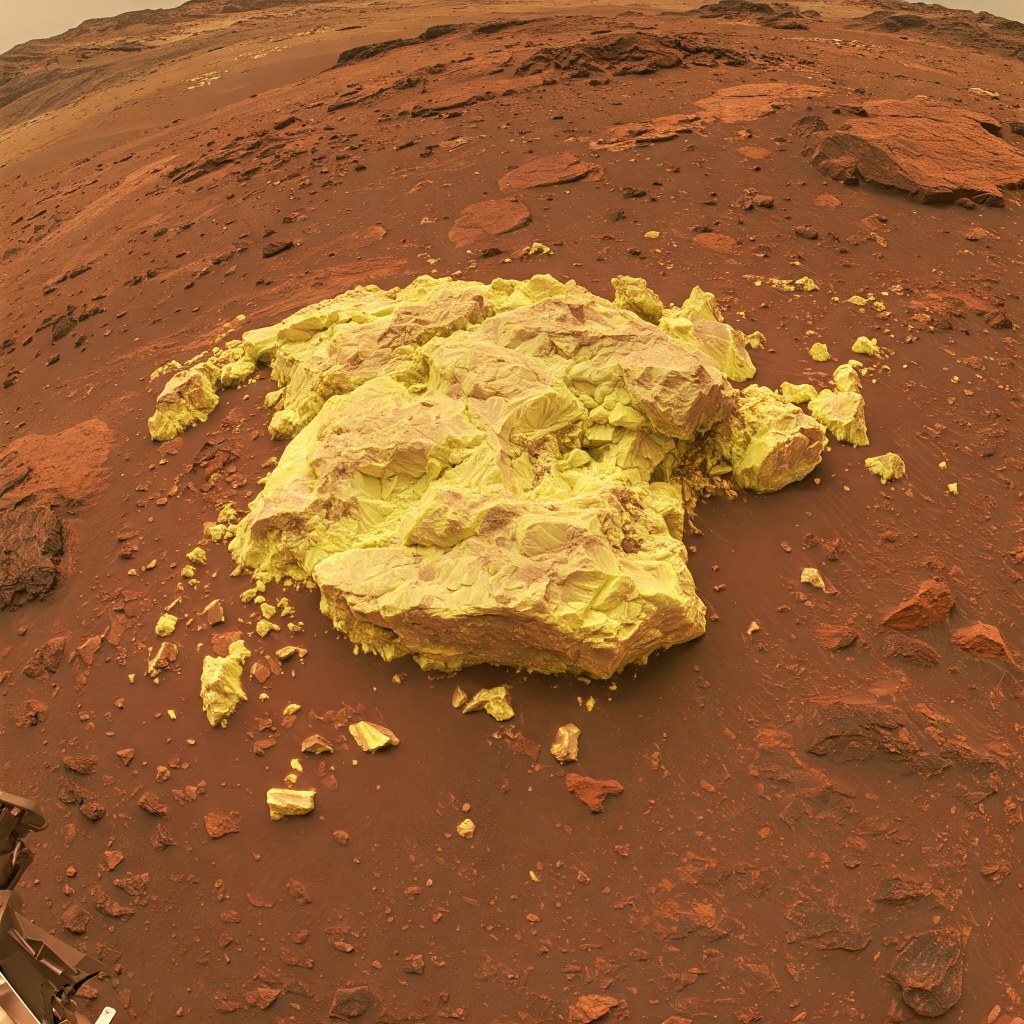
Recent actual footage from Mars
Happy Galaxy Happy wife (life)
Editor’s note: with the fog of all the misinformation out there pls view this with a critical eye and we welcome any comments not abusive .PP
It’s going to be a great time for stargazing in Merritt, BC in February and March 2025! Here’s a rundown of the planetary skyscapes you can expect, based on information available to me: Planets Visible in Merritt * Venus: Will be easily visible in the evening sky, shining brightly. It will be a treat to watch! * Mars: Should be quite visible, offering perfect viewing conditions. It will be a reddish point of light in the night sky. * Saturn: Will be visible shortly after sunset, but may be a bit challenging to spot as it will be close to the Sun. Try to find a spot with an unobstructed view of the horizon. * Uranus: Will be visible after sunset. You’ll likely need binoculars to see it clearly. * Neptune: Will be fairly close to the Sun, making it difficult to see. You might need binoculars, but only use them after the sun is completely down to avoid eye damage. Tips for Skywatching * Find a dark spot: Get away from city lights for the best viewing experience. * Check the weather forecast: Clear skies are essential for stargazing. * Use a sky chart or app: These tools can help you identify planets and other celestial objects. * Be patient: It takes time for your eyes to adjust to the darkness. Additional Resources * Time and Date: This website provides detailed information about celestial events, including planet rise and set times, for Merritt: https://www.timeanddate.com/ * Spot the Station: You can check this website to see if the International Space Station (ISS) will be visible from Merritt during your stargazing sessions: https://spotthestation.nasa.gov/ Remember that the exact positions and visibility of planets can change, so it’s always a good idea to check a reliable astronomy resource closer to the dates you’re interested in. Happy stargazing!
Leaked dates for lauinch of flight number 5 of this space Starship have been not accurate. Waiting on Federal. FAA, approval for a launch shouldn’t be….
Starship Test Number 5: A Delayed Launch As of September 2024, Starship test number 5 has been delayed due to licensing issues with the Federal Aviation Administration (FAA). The FAA has stated that SpaceX must meet all safety, environmental, and other licensing requirements before a launch can be authorized. Key Points about Starship Test 5: * Planned Launch Date: The original target was September 2024, but this has been pushed back to late November. * Key Objective: The test aims to achieve orbital velocity and successfully return the Super Heavy booster to the launch site, attempting to catch it in mid-air using the Orbital Launch Mount tower. * Challenges: The delay is primarily attributed to the FAA’s licensing process, which has been more stringent due to the unique booster catch attempt and environmental concerns. For the latest updates and information on Starship test number 5, I recommend checking these reliable sources: * SpaceX’s Official Website: https://www.spacex.com/ * Space News Outlets: Popular space news websites like Space.com, NASASpaceFlight.com, and Ars Technica often provide detailed coverage of SpaceX’s activities. Would you like to know more about Starship or its previous test flights?
What we would consider failure SpaceX and NASA. I have considered success for the data they’ve obtained up till this point. Spaceship Starship number 5 is still a test. However, they are being made more complex and the data should start to serve as correction with each flight that is attempted.
The perseverance rover, the 5th of 5 landed rover on Mars was expected to last at least 2 years.
The landing on February 18th 2021 was the beginning of the rovers science phase. The program included a small drone helicopter and an interest in volcanic tubes, as well as looking for signs of life.
The names of the last five American rovers are Sojourner, Sport,Opportunity, and Curiosity,
Tiawem 1 China Mission
On May the 15th 2022, The Chinese People’s Republic Landed their rover called Zhurong. The probe landed in the Utopic plain on May 18th 2022. This was close to the 1976 landing area of the US Viking lander.
The Chinese have reported finding water with their mission. There our reports that both the probe and the Chinese government have been silent since September following the main landing.
Pet Rock 🐶
There are multiple reports that a stone was on the base of the vehicle and it didn’t get picked up by accident “tongue on cheek.’ People called it Percy’s pet rock, I guess the distinguish from the mission collection of rocks that are intended to be brought to a place to be retrieved by a landing and returning vessel within the next decade.
So, the pet rock is now gone and it’s left to us to wonder if Percy has an attention span problem. Nasa is asking the question ™ will Perseverance last? ”
Enough levity
The surface of Mars is subject to winds and sand with dirt having overtime polluted the solar panels of rovers making them shut down until providential wind (if that’s the right word) comes along and removes it to give it another charge. This maybe the case.
Many vehicles have been to Mars over the last five decades, it was probably a little more than a holding pattern when the man missions to the Moon stopped about the same time and now relevance is back because there’s a manned mission going to the Moon to make a permanent presence there and an ability to travel to Mars with man missions from the Moon. The world will never be the same, good luck.











 Kevin Griffiths
 percypaschal
 The Proprietor Review