You are presumed to be honest and responsible without evidence to the contrary beyond a reasonable doubt… on the balance of probablilties you are justified by 51 % likelyhood.
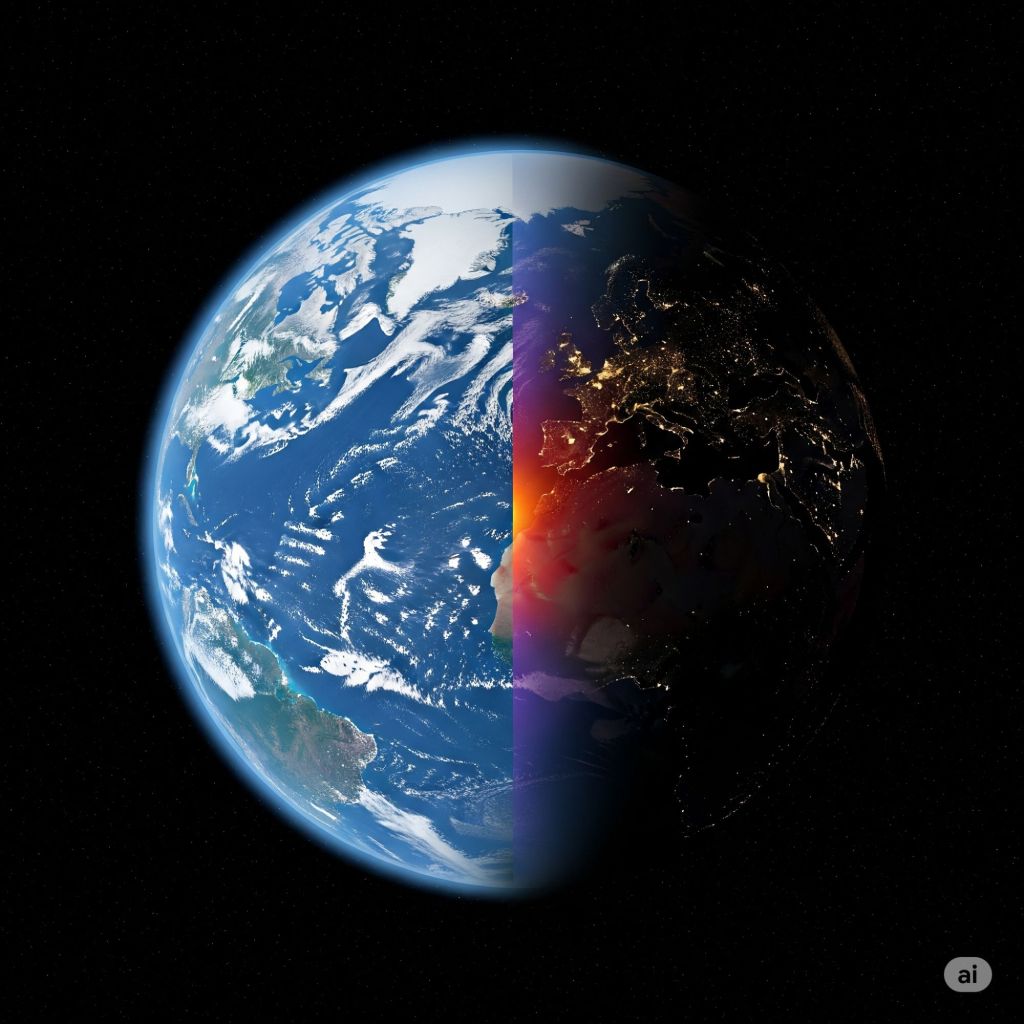
There has been some attention on a “short day” on August 5, 2025, due to a slight acceleration in the Earth’s rotation. This phenomenon is not something to be concerned about and will not have any noticeable impact on your daily life. Here’s a breakdown of what this means: * What is a “short day”? This refers to a day that is slightly shorter than the standard 24 hours (or 86,400 seconds). The Earth’s rotation speed isn’t perfectly constant and can vary by tiny amounts. In recent years, the Earth’s rotation has been speeding up, leading to a series of these shorter days. * How short is it? The “short day” on August 5 is predicted to be shorter than a regular day by a matter of milliseconds, specifically about 1.51 milliseconds. This is an extremely small amount of time, far too small for any human to notice. * Why is this happening? Scientists are still investigating the exact causes of these short-term fluctuations, but they are believed to be related to a combination of factors, including the complex motion of Earth’s liquid core, mass redistribution from melting polar ice, and tidal effects from the Moon. On August 5, the Moon’s position will be at a point that contributes to the acceleration of the Earth’s spin. * Should you be concerned? No. The effects of this change are so minuscule that they are only detectable by highly precise atomic clocks used by scientists. The primary impact of these “short days” is a discussion among global timekeepers about the potential need for a “negative leap second” to keep our clocks in sync with the Earth’s rotation. This is a scientific and technical matter, not something that will affect your schedule or well-being.
The August 8th full moon in Greece (which is actually on August 9th, 2025) is a truly special time, particularly for archaeological sites and museums. It’s an annual tradition that offers a unique blend of history, culture, and celestial beauty. Here’s what makes it archaeologically significant and what to expect: Archaeological Significance of the August Full Moon: * Ancient Tradition and Mythology: The August full moon has deep roots in Greek mythology and ancient traditions. In antiquity, the month of August was known as “Metageitnion,” a time for festivals and celebrations, encouraging communal gatherings. The August moon was also closely associated with Selene, the Titan Goddess of the Moon, who was said to traverse the night sky in her silver chariot. * Olympic Games Connection: Historically, the ancient Olympic Games, held in honor of Zeus at Ancient Olympia, began on the day of the August full moon, every four years. The fifty daughters of Selene were said to represent the fifty lunar months of the Olympiad, marking the beginning of these games. * Unique Viewing Opportunity: The August full moon is often considered the brightest of the year, providing a stunning natural illumination for Greece’s ancient monuments. Seeing the brilliant white marble of the Acropolis glowing in the moonlight, or the moon hanging low over the Temple of Poseidon at Sounion, is an unforgettable experience. What to Expect During the August 8th (9th) Full Moon Week in Greece (2025): The Greek Ministry of Culture annually organizes a series of events around the August full moon, offering a fantastic opportunity for locals and tourists alike: * Free Admission to Archaeological Sites and Museums: This is the most significant aspect. For one night (specifically, Saturday, August 9th, 2025) and often extending for a few days around it (from August 8th to 13th in 2025), many archaeological sites, historic landmarks, and museums across Greece open their doors to the public for free after sunset, often until midnight. This tradition began in 1996. * Cultural Events Under the Moonlight: Beyond free entry, many of these sites host special cultural events. These can include: * Theatrical performances * Music and dance shows * Stargazing sessions * Myth-telling * Guided tours * Exhibitions * Film screenings * Key Locations: Many iconic locations participate, including: * The Acropolis Museum (Athens): Often has extended hours and special events like concerts. * National Archaeological Museum (Athens): Offers extended hours with special exhibitions. * Temple of Poseidon at Cape Sounion: A breathtaking site to visit under the full moon. * Archaeological Site of Kerameikos (Athens) * Archaeological sites in Macedonia: Such as Pella (capital of ancient Macedon) and ancient Stagira (Aristotle’s birthplace). * Sites on various Greek islands: Including Gortyna in Crete, and museums and castles on islands like Kalymnos, Karpathos, Skyros, Zakynthos, Kythera, and Kefalonia. * Magical Atmosphere: The combination of ancient ruins, the bright full moon, and cultural events creates a truly magical and memorable experience, allowing visitors to connect with Greece’s rich heritage in a unique setting. It’s advisable to check the official website of the Greek Ministry of Culture closer to the date for the detailed program of events for 2025, as specific activities and participating sites can vary slightly each year.
The Dart mission only used a spacecraft to hit an asteroid and the results according to NASA are that the bump moved the course of the test target was changed.
There is little atmosphere in space and is generally referred to as a vacuum. We are used to seeing the results of explosives as they work on air blasts with destructive force. This may mean that atomic weapons would be muted as an asteroid breaker but it’s very hopeful to have the ability to intercept them.
The full moon on July 10th, 2025 is known as the Buck Moon. Here’s a breakdown of what makes it special: Why “Buck Moon”? This traditional name comes from Native American folklore, as July is typically the time of year when male deer (bucks) begin to regrow their antlers, which shed annually. These new antlers symbolize strength, growth, and regeneration. Key Characteristics of the July 10th, 2025 Full Moon: * Peak Illumination: The Moon reaches its peak illumination around 4:37 PM EDT / 1:37 PM PST on July 10th. While it’s full during daylight hours for much of North America, the best viewing will be after sunset when it rises in the eastern sky. * Low-Riding Moon: This year, the Buck Moon will appear exceptionally low in the sky, particularly for observers in the Northern Hemisphere. This is due to a combination of factors: * Close to Aphelion: The Earth is near its aphelion (the point in its orbit farthest from the Sun) in July. * Major Lunar Standstill Effect: This full moon coincides with a “Major Lunar Standstill,” a phenomenon that occurs every 18.6 years and exaggerates how high or low the Moon appears in the sky. * Appearance: Because it’s so low on the horizon, the moon may appear larger and have a captivating orange or golden hue at moonrise due to atmospheric effects. * Astrological Significance: In astrology, this full moon falls in the sign of Capricorn. This alignment is said to bring a focus on grounding, purpose, and releasing old patterns to make way for new growth and transformation. It’s considered a time for reflection and connecting with one’s inner wisdom. * Other Names: Besides Buck Moon, it’s also known by other names in different cultures, including: * Thunder Moon: Due to the frequent thunderstorms during midsummer. * Salmon Moon: Reflecting the seasonal migration of salmon. * Hay Moon: As farmers gather animal feed. Viewing Tips: * Time: Begin observing 30-60 minutes after local sunset for the best visibility. * Location: Choose a spot with a clear view of the southeastern horizon, ideally away from city lights to minimize light pollution. Elevated areas, beaches, or rural locales are ideal. * Equipment: The Buck Moon is visible to the naked eye, but binoculars or a small telescope can enhance views of lunar details like craters. This July 10th full moon offers a unique opportunity for skywatchers to enjoy a truly spectacular celestial event, with its unusual low-riding appearance and traditional significance.
Viewing time
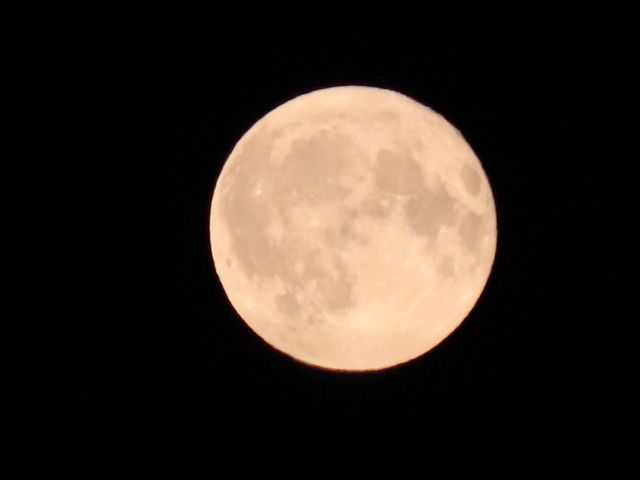
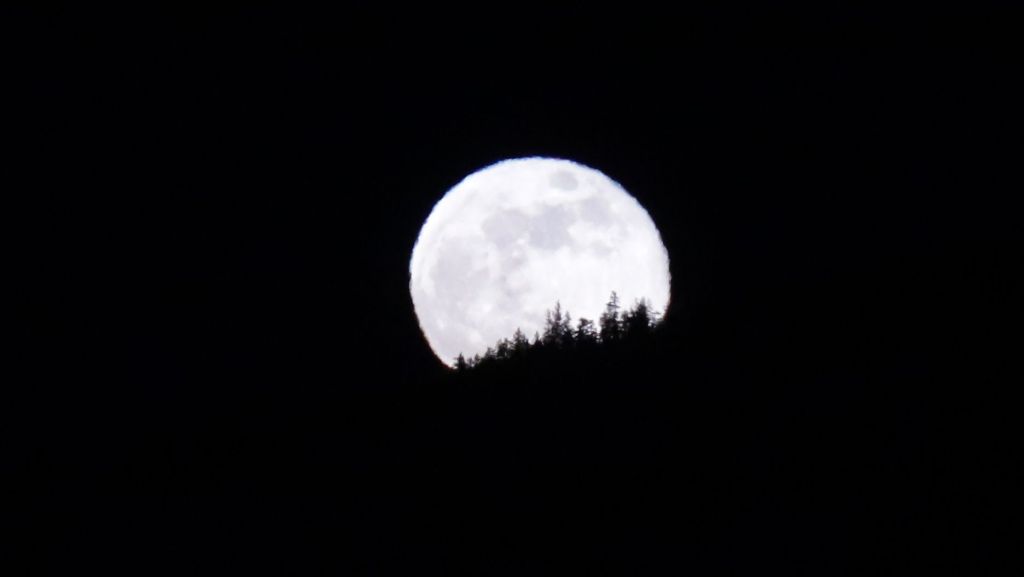
The moon will appear full for a couple of more days.
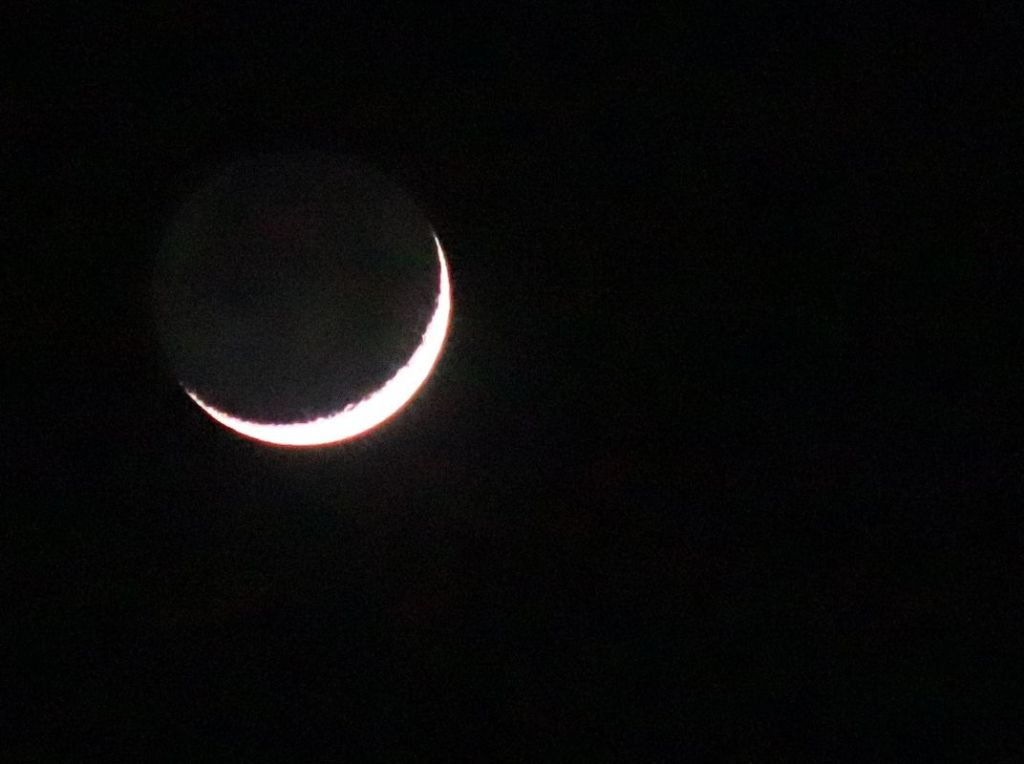
You’re in luck! June 2025 offers a couple of opportunities to observe the Moon and Mars in close proximity, creating what’s known as a conjunction. There’s even a special event called a lunar occultation for some observers. Here’s a breakdown of the possible conjunctions in June 2025: 1. Early June Conjunction (around June 1st): * When: Around June 1st, 2025. * What to expect: The waxing crescent Moon will appear close to Mars. * Visibility: Look to the west just after sunset. This will be a good naked-eye or binocular event. * Constellation: Both will be in the constellation Leo. 2. Late June Conjunction and Lunar Occultation (around June 29th-30th): * When: On the night of June 29th, extending into the early hours of June 30th, 2025. * What to expect: The waxing crescent Moon will again pass close to and just below Mars. This will be an even closer approach than the earlier conjunction. * Special Event: For some regions, a lunar occultation of Mars will occur. This is when the Moon passes directly in front of Mars, temporarily hiding the Red Planet from view. * Visibility of Occultation: This rare phenomenon will be visible from specific locations, including western Peru, Ecuador, western Colombia, and Clipperton Island. * Visibility of Conjunction (worldwide): Even if you’re not in the occultation zone, the close conjunction of the Moon and Mars will be visible worldwide. Look to the western horizon just after sunset. They will set a few hours later in the Northern Hemisphere. * Constellation: Both will be in the zodiac constellation Leo. * Observation: The pair will be close enough to fit within the field of view of a telescope, but also easily visible to the naked eye or through binoculars. Mars will appear as a small, reddish-orange disk. General Tips for Observing Conjunctions: * Find a clear view: Choose a spot with an unobstructed view of the western horizon, especially after sunset. * Check local times: The exact times for moonrise, moonset, and conjunctions will vary depending on your specific location. Use online sky maps or astronomy apps to get precise timings for Merritt, British Columbia. * Binoculars or a small telescope: While visible to the naked eye, binoculars will enhance the view, making Mars appear brighter and its small disk more apparent. A small telescope will offer an even better view. * Look for the “ecliptic”: These conjunctions occur because both the Moon and Mars travel along the “ecliptic,” which is the approximate path the Sun, Moon, and planets follow across the sky. Enjoy the celestial show in June!
May fall to earth tonight… went to earth May 10th 2025
May 10th 2025
The spacecraft fell to Earth after 50 years of being in orbit and not landing on Venus which was designed to withstand. That hot planet was photographed by it. And it wasn’t expected to come back this way. However, they saw it coming in but they don’t know where it landed. So if you see this thing give NASA or call any other whatever space agencies. Or the police, somebody because they’re missing it.








 Kevin Griffiths
 percypaschal
