

King Tides are the highest high tides of the year at a coastal location, significantly above the average high tide. They are a natural and predictable phenomenon that occurs once or twice annually in coastal areas. The scientific term for a King Tide is a perigean spring tide.
What causes King Tides?
King Tides happen due to a combination of astronomical factors:
* Alignment of the Earth, Moon, and Sun: The gravitational forces of the sun and moon have the greatest effect on Earth’s tides when these three bodies are aligned (during new and full moons). These are called spring tides, which occur about every two weeks.
* Moon’s Orbit: The Moon’s orbit around the Earth is elliptical, meaning there are times when the Moon is closer to the Earth (perigee) and farther away (apogee). When a new or full moon coincides with the Moon being at its closest point to Earth (perigean spring tide), the gravitational pull is stronger, resulting in higher tides.
* Earth’s Orbit: Similarly, the Earth’s orbit around the Sun is also elliptical. The Earth is closest to the sun (perihelion) in early January and farthest away (aphelion) in early July. When a perigean spring tide occurs around the time Earth is closest to the sun, it can further enhance the tidal range, leading to King Tides.
King Tides result in both the highest high tides and the lowest low tides of the year.
King Tide Situation in British Columbia
While I don’t have specific real-time information about a “current King Tide situation” as of today, April 30, 2025, King Tides are a recurring event in British Columbia, typically occurring during the winter months (November to February) and sometimes in the summer.
Here’s what is generally known about King Tides in BC:
* Timing: The highest risk of King Tides in BC usually falls between late December and early January. There can also be significant King Tide events in other winter months.
* Potential Impacts: King Tides can cause minor flooding in low-lying coastal areas. When combined with storm surges (sea level rise due to low atmospheric pressure and strong winds), they can lead to more significant coastal flooding and erosion.
* Sea Level Rise Connection: King Tides are not caused by climate change. However, they offer a glimpse into what future average high tides could look like as sea levels rise due to global warming. Observing King Tides helps communities understand and prepare for the long-term impacts of sea level rise on coastal infrastructure and ecosystems.
* Monitoring and Preparedness: Municipalities in coastal BC, such as Vancouver and Delta, often monitor King Tide forecasts and may take precautionary measures like closing sections of seawalls or providing sandbags to residents in flood-prone areas. They also use King Tide events to gather data and photos to help with flood hazard mapping and long-term adaptation strategies for sea level rise.
* Citizen Science: In the past, initiatives like the “King Tide Photo Initiative” in BC encouraged residents to photograph coastal areas during King Tides to document the extent of the flooding and visualize future sea levels.
For the most up-to-date information on any current or upcoming King Tide events in British Columbia, I recommend checking the following:
* Local News Outlets: They often report on anticipated King Tides and any associated risks or impacts.
* Tide Charts and Predictions: Websites that provide tide predictions for specific locations in British Columbia will show the dates and times of the highest tides of the year.
* Municipal Government Websites: Coastal municipalities often issue advisories or updates related to King Tides and potential flooding.
* Environment and Climate Change Canada: They provide weather warnings and information that could be relevant during King Tide events.
Keep in mind that even if a King Tide is predicted, the actual impact can vary depending on weather conditions such as wind and atmospheric pressure, which can either exacerbate or lessen the effects.
Category: Sky scapes

Black sky on West coast of North America
The new moon will occur on Sunday, April 27, 2025, at 12:31 PM PDT on the west coast of North America.Visibility on the West Coast of North America:A new moon is the first lunar phase, which occurs when the Moon lies between the Earth and the Sun. At this phase, the sunlit side of the Moon faces away from Earth, making the Moon generally invisible to the naked eye. It rises and sets at roughly the same time as the Sun.Therefore, on the night of April 27th, 2025, and the days immediately surrounding it, the new moon will not be visible from the west coast of North America. The sky will appear dark (assuming clear weather and minimal light pollution), which makes it an excellent time for observing stars and other fainter celestial objects.General Information about the New Moon: * The Start of the Lunar Cycle: The new moon marks the beginning of the approximately 29.5-day lunar cycle. * Alignment: During a new moon, the Moon is positioned between the Earth and the Sun. * Earthshine: Although the sunlit side faces away, sometimes a very faint glow called “earthshine” can make the unlit portion of the new moon subtly visible. This is due to sunlight reflecting off the Earth and onto the Moon. * Solar Eclipses: New moons are the only phase during which a solar eclipse can occur. This happens when the new moon passes directly between the Sun and Earth, and the Moon’s shadow falls on Earth. However, a solar eclipse will not occur on April 27th, 2025. * Stargazing: The dark skies during the new moon phase provide the best conditions for observing faint stars, galaxies, and other deep-sky objects since there is no bright moonlight to interfere. * Tides: New moons (along with full moons) contribute to higher high tides and lower low tides, known as spring tides, due to the combined gravitational pull of the Sun and the Moon.So, while you won’t be able to see the new moon itself on April 27th from the west coast of North America, you will have a dark sky perfect for stargazing!
Good sky gazing, good luck 🤞
The geomagnetic storm on now will be a concern though April 16th, reasonable allowances should prevail …
Lots of purple 🟣 bars next few days, click on the link.
The geomagnetic weather of Space is a powerful force. That force could kill us except for the magnetic fields that the Earth generates that helps to keep our atmosphere in that barrier between space and Earth.
What is it…
Space weather refers to the dynamic conditions in space and the near-Earth environment that can affect the performance and reliability of space-borne and ground-based technological systems, and can endanger human health. It is primarily driven by the Sun and its activity.
Dangers of Space Weather:
Space weather events can pose several hazards:
* Disruption of Satellite Operations: Energetic particles and radiation from solar flares and coronal mass ejections (CMEs) can damage satellite electronics, leading to malfunctions, data loss, or even complete failure. This can affect communication, navigation (GPS), weather forecasting, and other satellite-dependent services. For example, a strong geomagnetic storm in October 2003 was associated with numerous satellite anomalies.
* Power Grid Disturbances: Geomagnetically induced currents (GICs) caused by geomagnetic storms can flow through long conductors like power lines and pipelines. In extreme cases, this can overload transformers, leading to blackouts. The Hydro-Québec blackout in 1989, which left six million people without power for nine hours, is a notable example.
* Communication and Navigation Issues: Solar flares can cause radio blackouts by disrupting the ionosphere, affecting high-frequency (HF) radio communications, especially in polar regions. Geomagnetic storms can also interfere with GPS signals, reducing their accuracy. This can impact aviation, marine navigation, and other GPS-dependent technologies.
* Radiation Hazards: Solar energetic particles (SEPs) can increase radiation levels at high altitudes, posing a risk to astronauts on spacewalks and potentially to airline passengers and crew on polar routes.
* Increased Satellite Drag: The heating of the Earth’s upper atmosphere during geomagnetic storms can cause it to expand, increasing drag on low-Earth orbit satellites. This can alter their orbits and require more frequent adjustments.
* Pipeline Corrosion: GICs can also accelerate the corrosion of oil and gas pipelines.
Precautions to Take for Space Weather:
While individuals cannot directly control space weather, several precautions are taken at various levels to mitigate its impacts:
* Monitoring and Forecasting: Space weather agencies like NOAA’s Space Weather Prediction Center and Space Weather Canada continuously monitor the Sun and the space environment to provide forecasts and warnings of potential events. This allows operators of vulnerable systems to take protective measures.
* Satellite Hardening: Satellites are designed with radiation-hardened electronics and shielding to withstand the harsh space environment and solar events. Operators can also put satellites in a “safe mode” during severe events to minimize potential damage.
* Power Grid Protection: Power companies implement measures such as monitoring geomagnetic activity, adjusting voltage levels, and having backup systems in place to reduce the risk of blackouts. Research is ongoing to develop more resilient power grids.
* Aviation Procedures: Airlines can reroute flights over polar regions during solar radiation storms to minimize radiation exposure to passengers and crew. They also rely on alternative communication and navigation systems when HF radio and GPS are affected.
* Emergency Preparedness: Individuals and communities should be prepared for potential power outages and communication disruptions by having emergency kits with essential supplies, backup communication methods, and plans for extended outages.
* Awareness and Education: Raising public awareness about space weather and its potential impacts can help individuals and organizations take appropriate preparedness measures.
Enjoyment from Space Weather:
While space weather can pose risks, it also gives rise to one of the most spectacular natural phenomena:
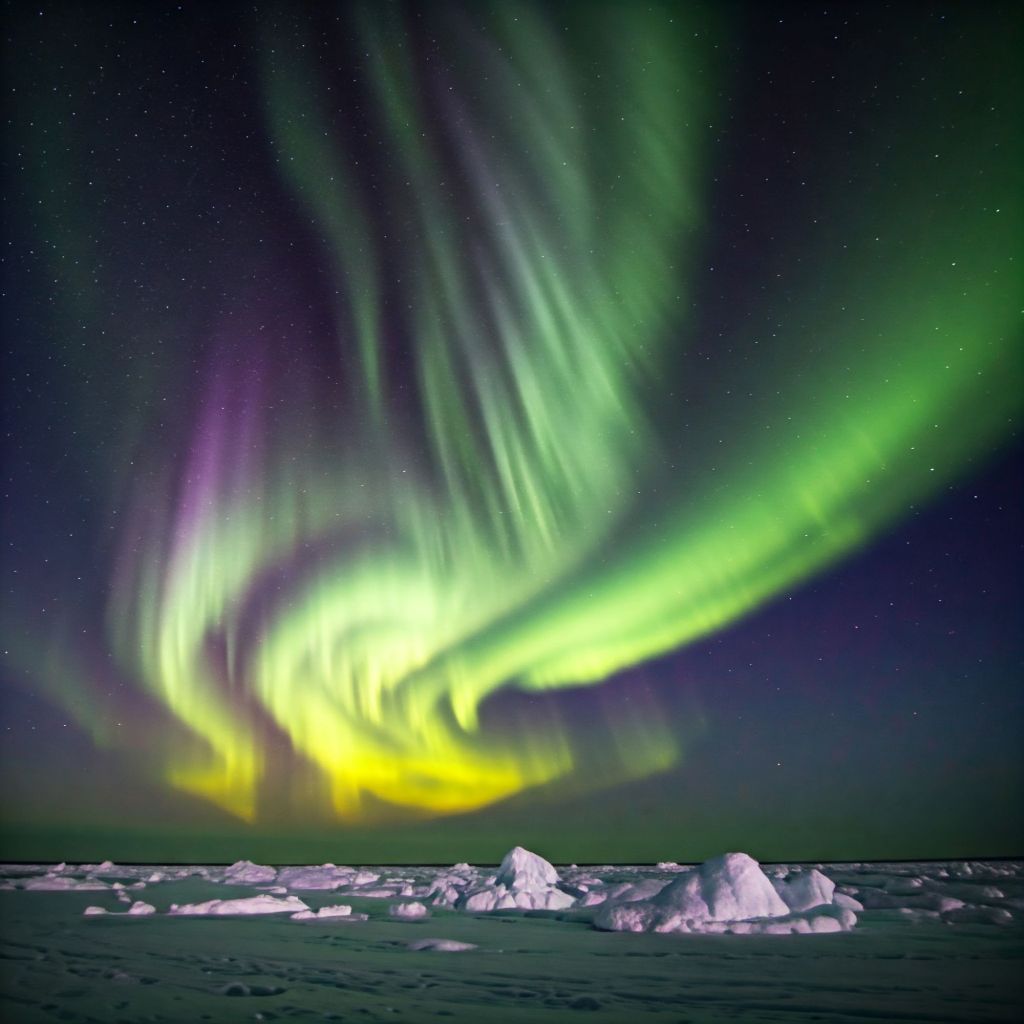
* Auroras (Northern and Southern Lights): Geomagnetic storms cause charged particles from the Sun to interact with the Earth’s magnetosphere and atmosphere, particularly near the polar regions. This interaction excites atmospheric gases, resulting in the breathtaking displays of colored lights known as the auroras. Seeing the aurora borealis or australis is a significant draw for tourism and a source of wonder and beauty. Space weather forecasts help predict when and where auroras might be visible.
In summary, space weather is a natural phenomenon driven by the Sun that can have significant impacts on our technology and infrastructure. While there are potential dangers, ongoing monitoring, technological hardening, and preparedness measures help to mitigate these risks. Additionally, space weather creates the beautiful aurora, offering a unique and enjoyable connection to the dynamics of our solar system.
Look up
This is good…
Here are the traditional full moon names for each month of the year:
* January: Wolf Moon
* February: Snow Moon
* March: Worm Moon
* April: Pink Moon
* May: Flower Moon
* June: Strawberry Moon
* July: Buck Moon
* August: Sturgeon Moon
* September: Corn Moon (or Harvest Moon)
* October: Hunter’s Moon
* November: Beaver Moon
* December: Cold Moon
It’s worth noting that some months can occasionally have a second full moon, which is called a Blue Moon.
Environment Canada
Devil horn eclipse…
Future eclipses
It’s exciting to look ahead at upcoming solar eclipses! Here’s a breakdown of some key ones, with a focus on those that might be of interest to those in Canada:
Key Upcoming Solar Eclipses:
* August 12, 2026 (Total):
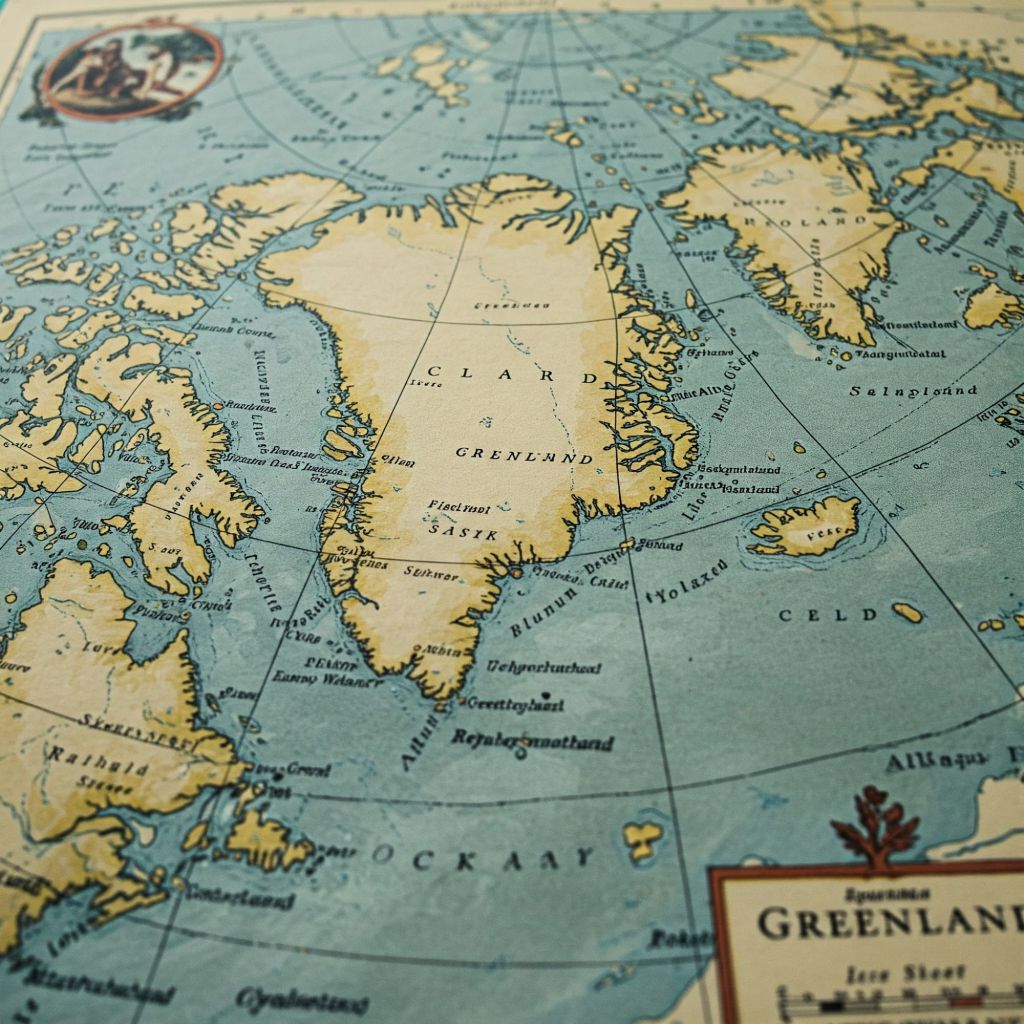
* This total solar eclipse will be visible in Greenland, Iceland, and Spain. This is significant because parts of Europe will get to see a total solar eclipse.
* August 2, 2027 (Total):
* This eclipse will be visible across a path that includes parts of Spain, North Africa, and the Middle East, with a very long totality. This will be a very long duration total eclipse.
* July 22, 2028 (Total):
* This total solar eclipse will be visible in Australia and New Zealand.
* November 25, 2030 (Total):
* This total solar eclipse will be visible in southern Africa and Australia.
* March 30, 2033 (Total):
* This total solar eclipse will be visible in Russia and Alaska U.S.A. Therefore alaskan people could see this event.
Regarding Canada and the “equesterone coast”:
* It’s important to clarify that “equesterone coast” isn’t a standard geographical term. However, if we’re considering the western coast of Canada, the opportunities to view total solar eclipses will vary.
* Generally, for those on the western coast of Canada, partial solar eclipses are more common. To see a total solar eclipse, one would likely need to travel.
* The April 8th 2024 total solar eclipse did cross eastern Canada, so those people had a great opportunity to view that eclipse.
* For future total eclipses, looking at the paths of totality in the provided information, it is apparent that traveling will be required to see those events. The 2033 total eclipse, being visible in Alaska, will be the closest total solar eclipse in the near future, for those living on the western coast of Canada.
Important Notes:
* Always use proper eye protection when viewing any solar eclipse.
* Websites like NASA and Timeanddate.com provide detailed information and maps of eclipse paths.
I hope this helps!
Dear me what will we be doing up there…
SOU April 2025
Yellownife the ” Capital of light’s” paraphrased
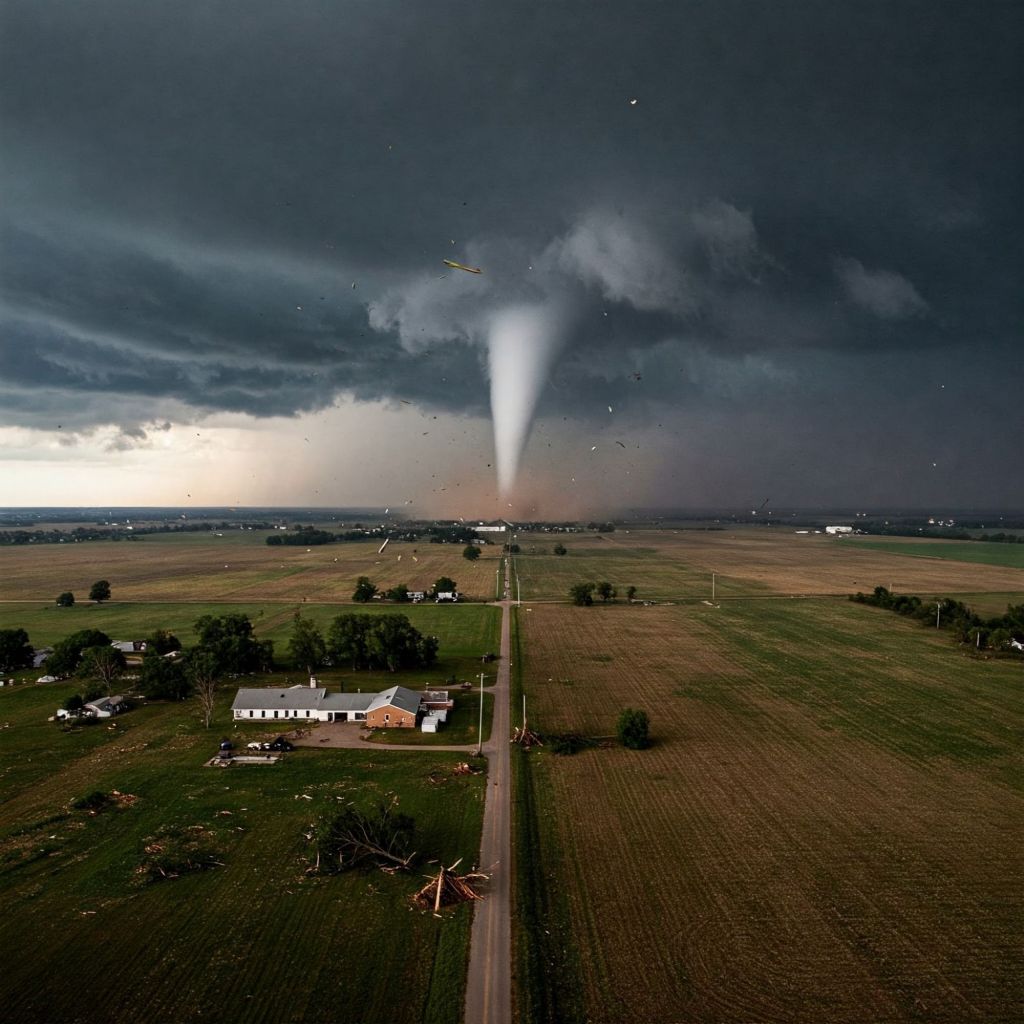
March 18th 1925, 700 dead in tri state tornado romp.
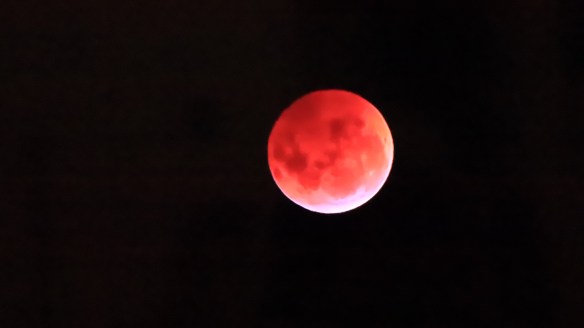
Blood moon tonight, eclipse begins at 8:57 PM maximum is at 11:58 PM.
File photo KDG
Blood moon is dust in the earths atmosphere highlighted by bending light with the shadow of the earth
Weather permitting, enjoy!
5 degrees. 32 minutes on March 12th 2025…
Can see without a telescope, binoculars recommended. Low in the western horizon.
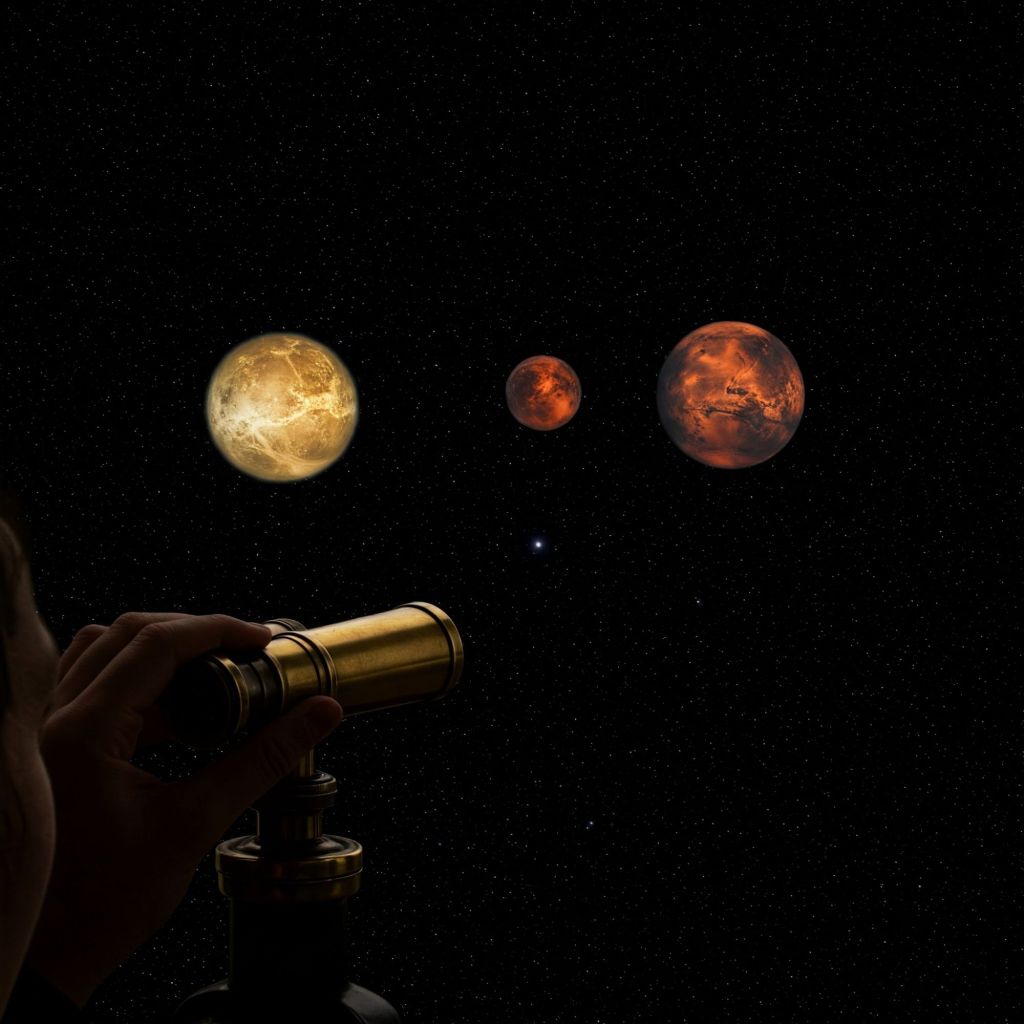
On March 13th at 11:55 PM or more precisely on the 14th at 2:55 AM Eastern the moon will be at maximum illumination.
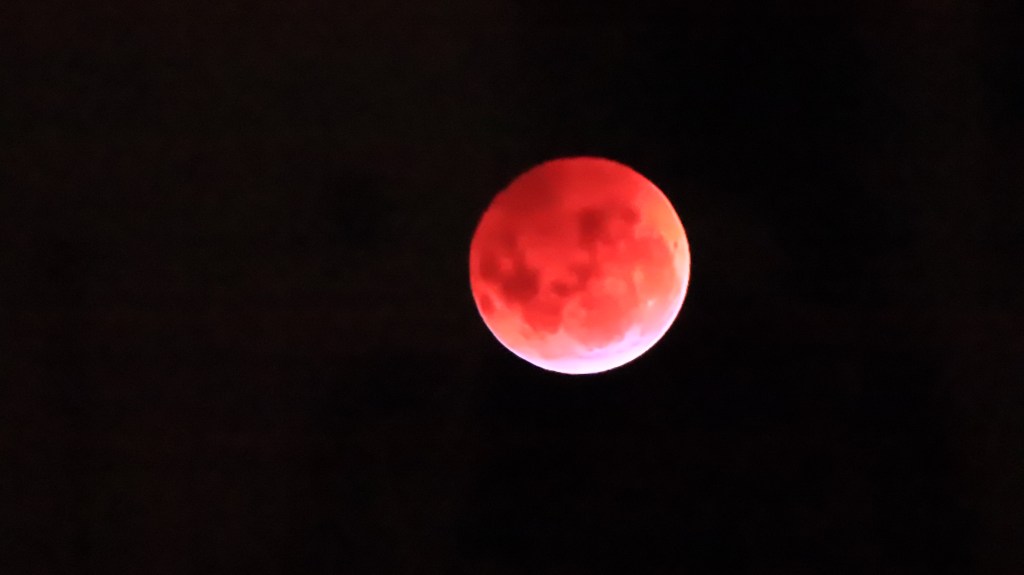
The Worm Moon in March 2025 is going to be a very special event! Here’s why:
* It’s a Full Moon: The Worm Moon is the traditional name for the full moon that occurs in March. Full moons are always a beautiful sight, appearing large and bright in the night sky.
* Total Lunar Eclipse: This Worm Moon will coincide with a total lunar eclipse! This means that the Earth will pass directly between the Sun and the Moon, casting a shadow on the Moon and making it appear reddish or orange. This is often called a “Blood Moon.”
* First Total Lunar Eclipse of 2025: This will be the first total lunar eclipse visible anywhere in the world in 2025. It’s a rare opportunity to witness this celestial event.
When to see it:
The total lunar eclipse of the Worm Moon will occur on March 13-14, 2025. The exact time of the eclipse will vary depending on your location. You can check a website like Timeanddate.com or EarthSky.org for specific times for your area.
Why is it called the Worm Moon?
The name “Worm Moon” comes from the fact that as the ground begins to thaw in spring, earthworms start to emerge from the soil. These worms attract birds and other animals, signaling the return of spring.
Where to see it:
The total lunar eclipse will be visible from a wide area, including:
* The Americas
* Western Europe
* Western Africa
* Parts of Antarctica
* Eastern Australia
* Northern Japan
* Eastern Russia
If you’re in one of these areas, you’ll have a chance to see this amazing event!
Tips for viewing:
* Find a dark location away from city lights for the best viewing experience.
* Bring a blanket or chair to sit on.
* Binoculars or a telescope can enhance your view of the Moon.
The Worm Moon in March 2025 is sure to be a spectacular celestial event. Don’t miss it!



 Kevin Griffiths
 percypaschal
