Meteor shower.
The first meteor shower of 2025 will occur January 3rd and 4th.
Look for planetary alignment on the 21 st.


To the seasons of life

The first meteor shower of 2025 will occur January 3rd and 4th.
Look for planetary alignment on the 21 st.
Comet on last leggs…
Near Altair in the constellation Aquila.
Visible with a naked eye or binoculars, will fade by the end of the month.
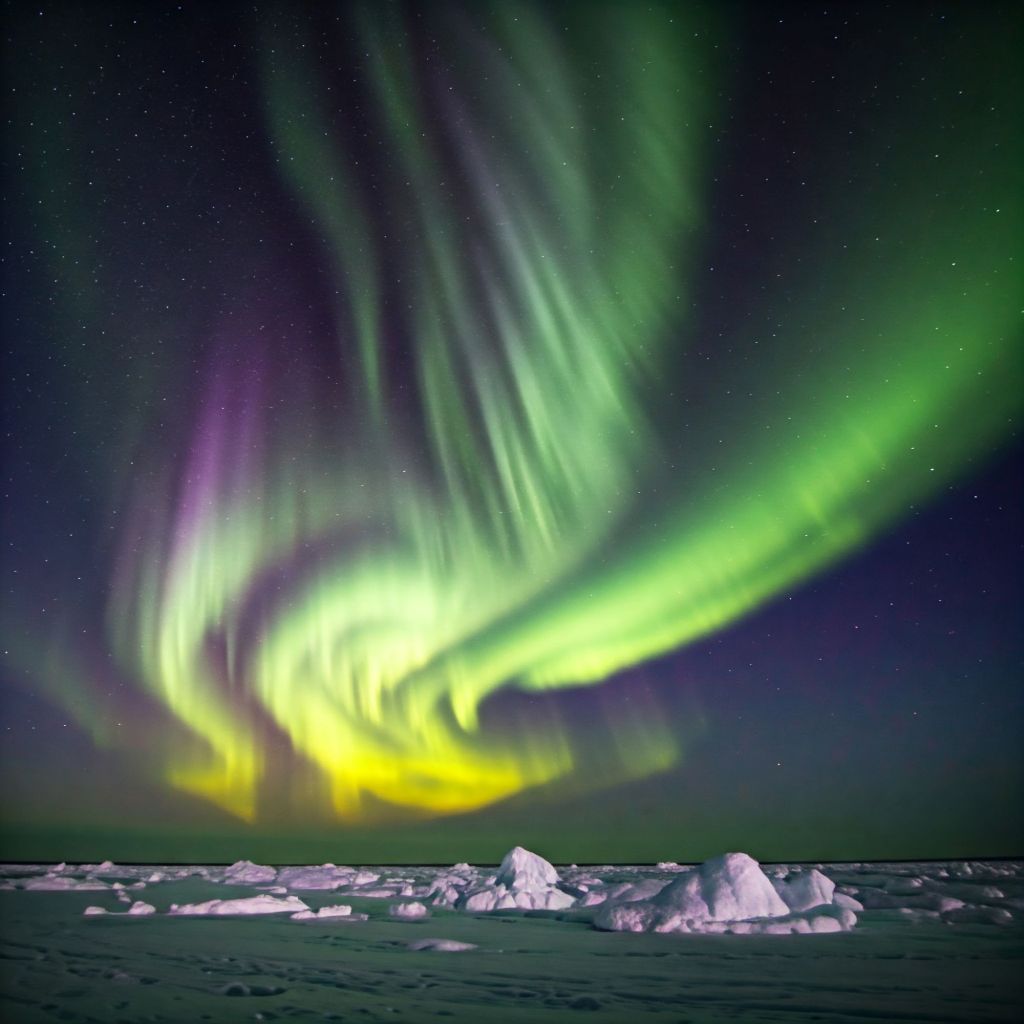
Stoof, tongue in cheek….

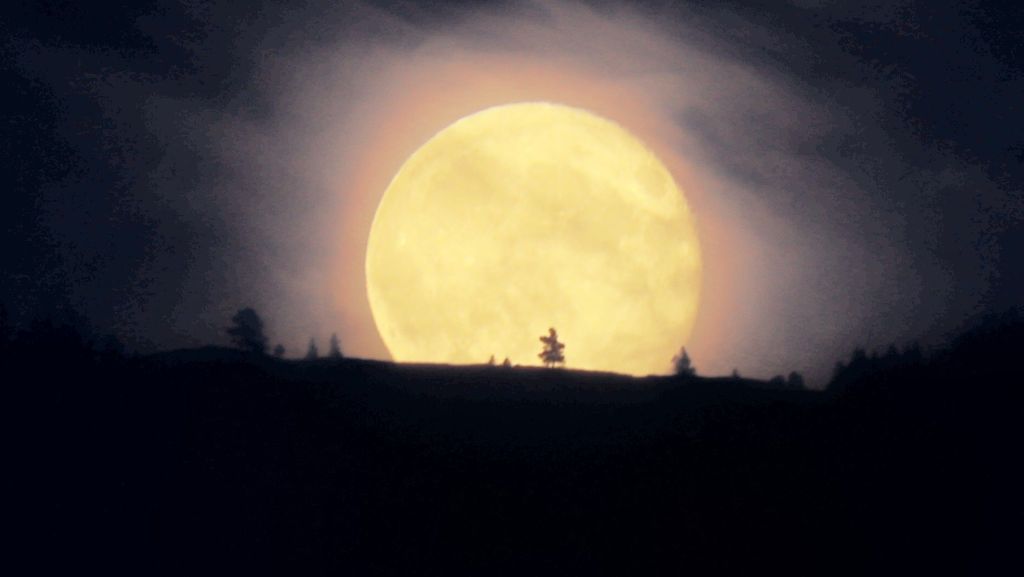
December 15th 2024,4:02AM Eastern, 1:02 AM Pacific. The moon is to appear “Strangely off Kilter” as it orbits on Sunday. The Moon generally appears full for about 5 days with maximum illumination in the middle.
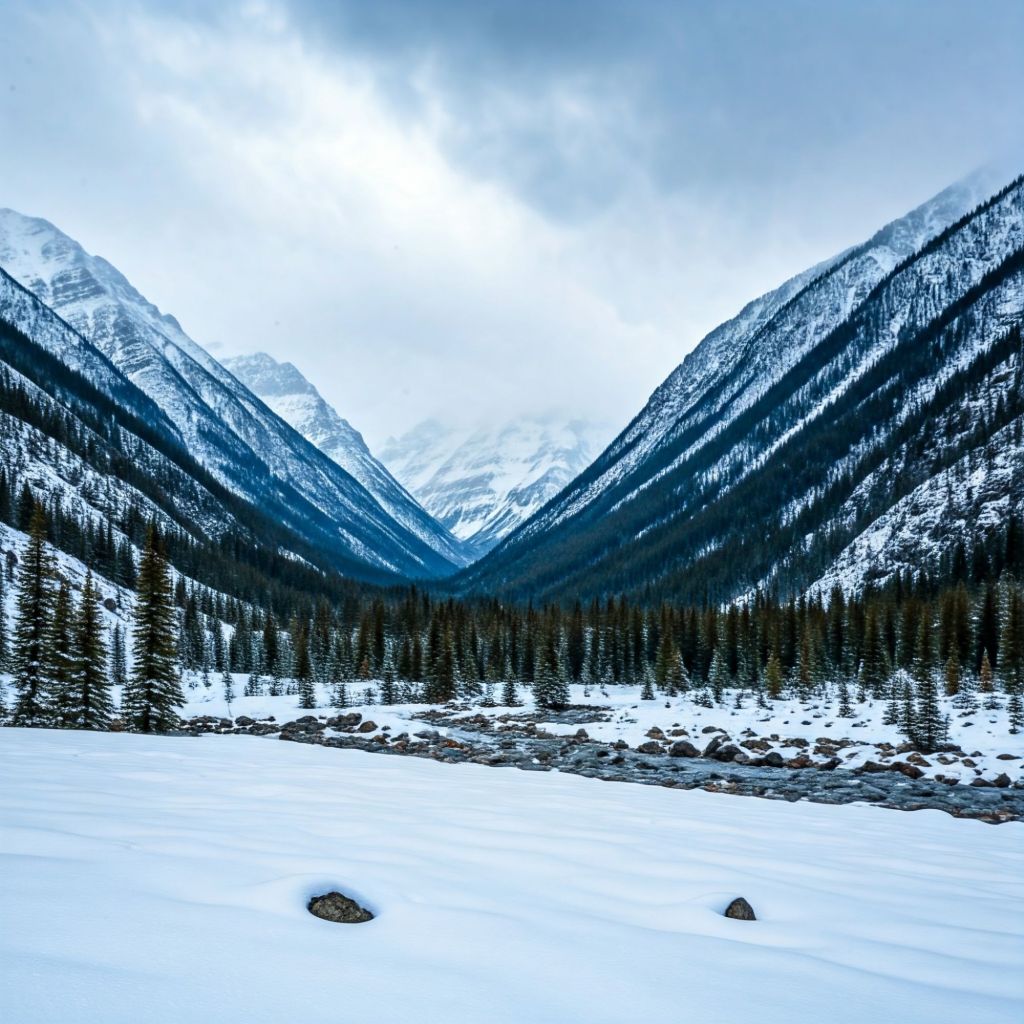
The weather is moderate here in Merritt.
Driving is still a serious choice.
The sun spots activity is pronounced this week. May see some good colors of light.
A storm in the sun has taken place and if the ejection of particules comes to the earth, then by midweek, we should have enjoyed opportunities for skyscapes. You’ll have a view of some good Aurora Borealis. Depending also on the Weather in your field of view.
Sources are saying that the sun is at solar maximum r. And will continue maybe even in the 2026. The 11-year cycle seems to be not to the minute. Look for more magnetic storms particles going by the Earth, producing Aurora Borealis light effects that you might enjoy.
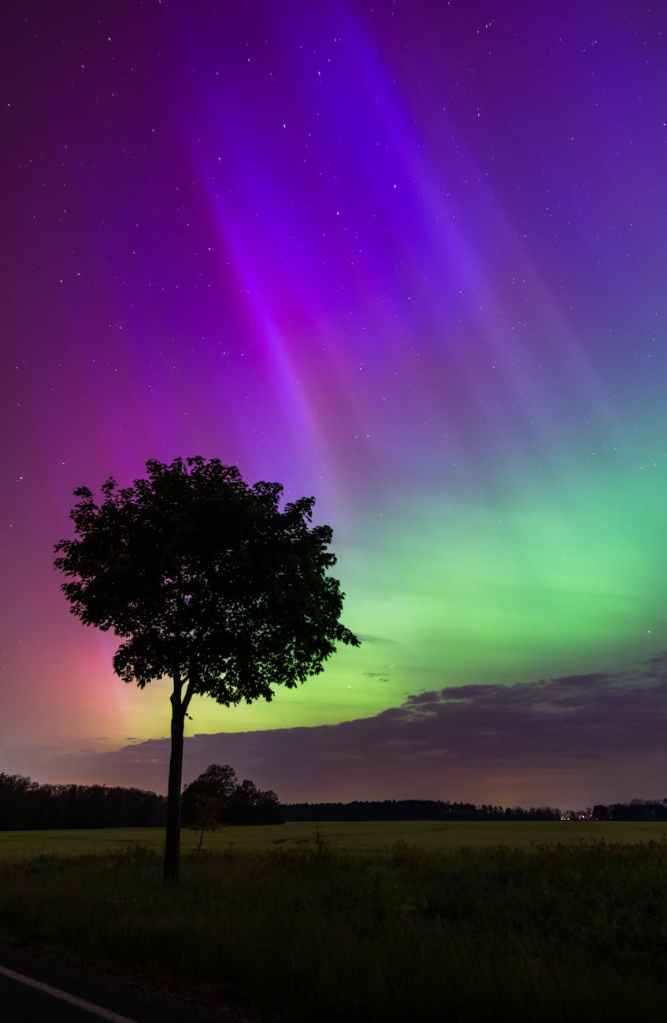
Solar maximum continues. Many sources are predicting that there will be more opportunities for solar lights to be seen, photographed and enjoyed as magnetic storms provide
Look up
To find a picture of the November 15th moon, you can:
* Check Astronomy Websites and Apps:
* NASA’s Astronomy Picture of the Day (APOD): This website often features stunning images of celestial objects, including the Moon.
* Space.com: This website frequently publishes images of the Moon and other celestial bodies.
* Sky & Telescope: This magazine and website offer in-depth coverage of astronomy, including lunar phases.
* Stargazing Apps: Apps like SkySafari, Stellarium, and Star Walk allow you to simulate the night sky and view the Moon’s phases.
* Search Online Image Databases:
* Google Images: Search for “November 15th Moon” or “Beaver Moon 2024.”
* Other Image Search Engines: Try Bing, DuckDuckGo, or Pinterest.
* Social Media:
* Twitter: Search for relevant hashtags like #BeaverMoon, #FullMoon, or #Astronomy.
* Instagram: Look for accounts of astrophotographers who might have captured the November 15th Moon.
Remember that the exact appearance of the Moon can vary depending on factors like weather conditions, atmospheric haze, and your location. However, these methods should help you find a visually appealing image of the November 15th Moon.
Previous full moon Merritt BC
A light show once again. Some reports say that this phenomenon should go into even 2025-2026 solar maximum that causes more magnetic activity on the sun. Therefore, sending more particles past the Earth and therefore giving better lighting shows as these particles reflect sunlight back into space for our poles.
Weather permitting

Hey Merit what do you say?




 Kevin Griffiths
 percypaschal
 The Proprietor Review