Category: Technology


Mars on track…

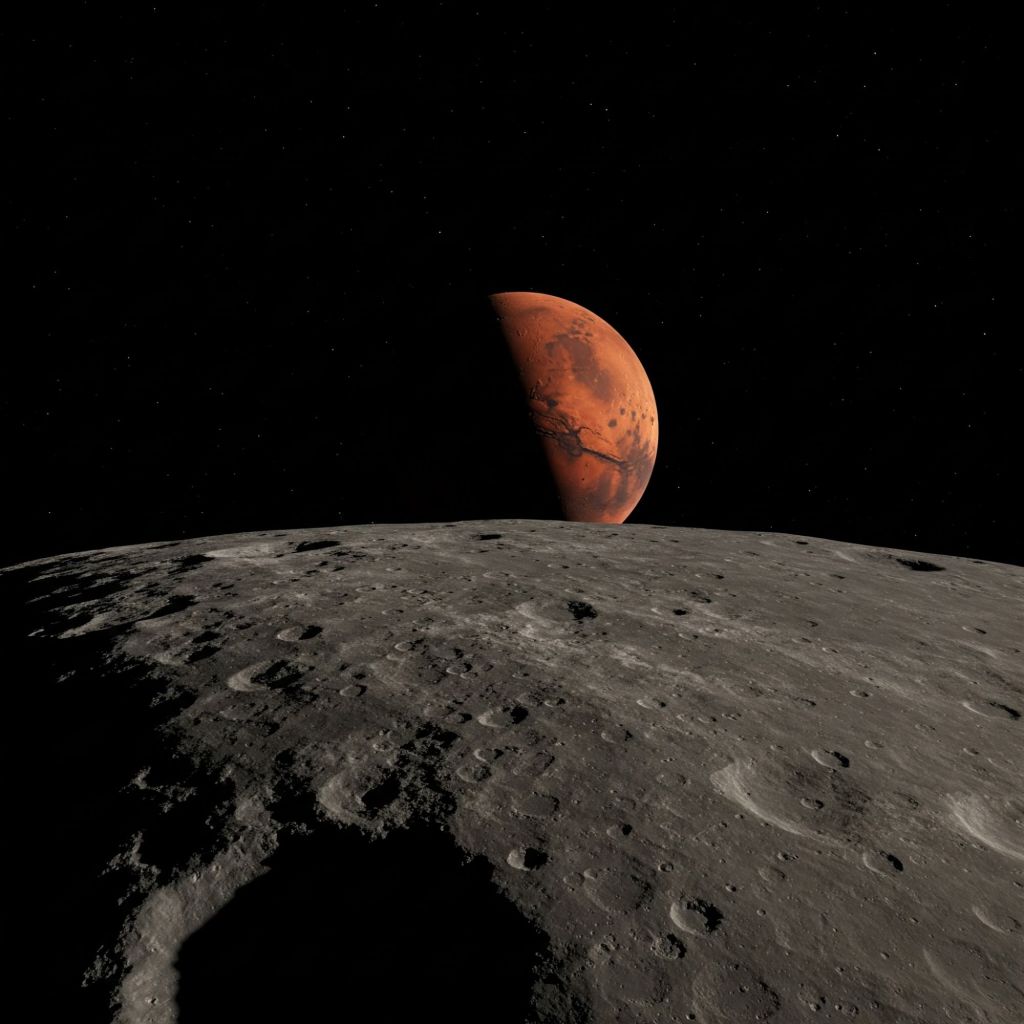
Lunar landing

Well would a tariff  opportunity speed things up … Tic…

The Artemis program is currently underway, with several missions planned to establish a sustainable presence on the Moon as a stepping stone for human missions to Mars. Here’s an update on its progress and the outlook for a Mars landing:
Artemis Program Status:
The Artemis program is organized into a series of increasingly complex missions. Here’s the current status of the initial missions:
* Artemis I: This uncrewed test flight successfully orbited the Moon and returned to Earth in November 2022, serving as the first integrated test of the Space Launch System (SLS) rocket and the Orion spacecraft.
* Artemis II: This mission will be the first crewed flight of the Orion spacecraft, sending a crew of four astronauts around the Moon. It is currently targeted for launch no earlier than April 2026.
* Artemis III: This mission aims to land astronauts on the Moon’s South Pole region. It is currently scheduled for mid-2027. This mission will use the SpaceX Starship Human Landing System (HLS) to transport two astronauts to the lunar surface.
* Artemis IV: This mission is planned for late 2028 and will involve docking with the Lunar Gateway, a small space station that will orbit the Moon. Astronauts will transfer through the Gateway to the HLS for their descent to the lunar surface.
* Artemis V: Planned for March 2030, this mission will also dock with the Gateway and is expected to involve a longer stay on the lunar surface, contributing to the establishment of a permanent lunar habitat.
When to Expect a Landing on Mars:
The Artemis program’s long-term goal is to prepare for human expeditions to Mars. While there isn’t a specific date set, NASA’s planning indicates that a crewed mission to Mars could plausibly happen in the mid to late 2030s.
* Some sources mention a potential three-year crewed expedition to Mars with a return planned between 2035 and 2038. The duration of the stay on Mars could vary from 90 to 500 Earth days, depending on favorable return windows.
It’s important to note that the timeline for Mars missions is more fluid and depends on the success of the Artemis lunar missions, the development of necessary technologies, and continued funding. The experience gained from establishing a sustained presence on the Moon, including testing technologies and understanding the challenges of long-duration deep space missions, is crucial for the eventual human exploration of Mars.

Good luck, we will not hold our breath…

Paper 📜📜📜📜📜

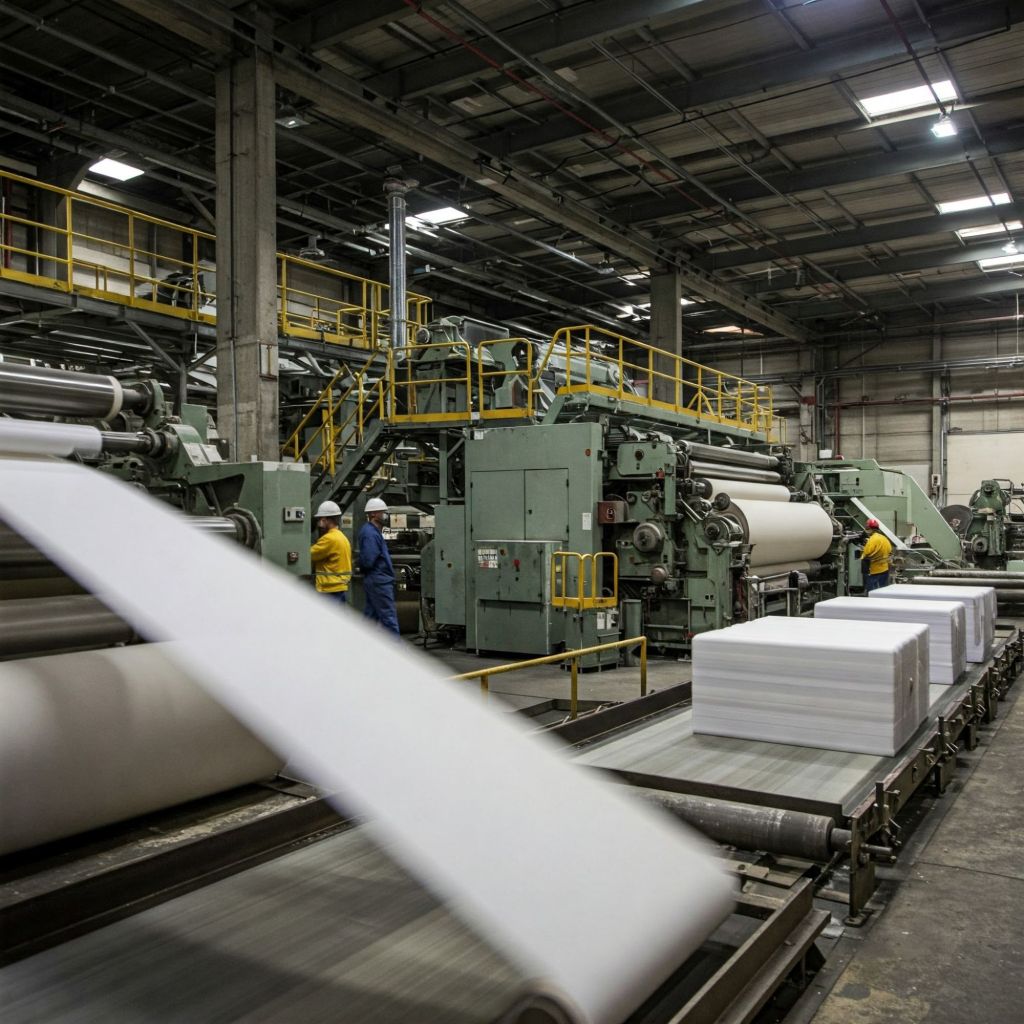
The world demand for paper products is substantial and constantly evolving, influenced by factors like economic growth, technological advancements, and environmental awareness. While digitalization has reduced the demand for some paper types (like newsprint), the need for packaging paper and board has significantly increased due to the growth of e-commerce and the demand for sustainable packaging solutions. Specialty papers for various industrial and consumer applications also contribute to the overall demand.
The increasing global demand for paper products has significant implications for recycling and garbage disposal:
Impact on Recycling:
* Increased Need for Recycling: Higher demand necessitates a greater supply of raw materials. Recycling paper helps to meet this demand by providing a secondary source of fiber, reducing the pressure on virgin forests.
* Economic Viability of Recycling: A strong demand for paper products, especially those made with recycled content, makes paper recycling more economically viable. This encourages investment in recycling infrastructure and technologies.
* Quality Requirements: As the applications of recycled paper expand, there’s an increasing need for high-quality recycled fibers. This puts pressure on improving collection, sorting, and processing technologies to minimize contamination and enhance the quality of recovered paper.
* Circular Economy: Increased paper demand reinforces the importance of a circular economy model where paper is collected, recycled, and reused multiple times, minimizing waste and resource consumption.
Impact on Garbage Disposal:
* Reduced Landfill Waste: Recycling paper significantly reduces the amount of paper waste that ends up in landfills. Paper is a major component of municipal solid waste, and diverting it through recycling conserves valuable landfill space. For example, recycling one ton of paper can save approximately 3.3 cubic yards of landfill space.
* Lower Greenhouse Gas Emissions: When paper decomposes in landfills, it releases methane, a potent greenhouse gas. Recycling paper avoids this decomposition process, thus reducing greenhouse gas emissions. Additionally, producing paper from recycled fibers generally requires less energy than producing it from virgin wood pulp, further lowering emissions.
* Decreased Incineration: In regions where waste is incinerated, increased paper recycling can reduce the volume of waste sent to incinerators. While incineration can recover energy, it also produces air pollutants and ash that require disposal.
* Resource Conservation: By recycling paper, the demand for virgin wood pulp decreases, leading to the conservation of forests, water, and energy resources used in the papermaking process. This indirectly reduces the environmental burden associated with logging, transportation, and manufacturing, which can have broader impacts on waste generation and disposal in those related industries.
In summary, the world’s demand for paper products has a direct and significant impact on recycling and garbage disposal. Increased demand necessitates more efficient and widespread recycling systems to reduce reliance on virgin resources and minimize the amount of paper waste ending up in landfills or being incinerated. A robust recycling infrastructure not only helps manage waste but also contributes to a more sustainable and circular use of paper resources.

Recycle reuse refresh

Space weather April 2025.

Space weather Canada

The geomagnetic  weather  of Space is a powerful force. That force could kill us except for the magnetic fields that the Earth generates that helps to keep our atmosphere in that barrier between space and Earth.

What is it…

Space weather refers to the dynamic conditions in space and the near-Earth environment that can affect the performance and reliability of space-borne and ground-based technological systems, and can endanger human health. It is primarily driven by the Sun and its activity.
Dangers of Space Weather:
Space weather events can pose several hazards:
* Disruption of Satellite Operations: Energetic particles and radiation from solar flares and coronal mass ejections (CMEs) can damage satellite electronics, leading to malfunctions, data loss, or even complete failure. This can affect communication, navigation (GPS), weather forecasting, and other satellite-dependent services. For example, a strong geomagnetic storm in October 2003 was associated with numerous satellite anomalies.
* Power Grid Disturbances: Geomagnetically induced currents (GICs) caused by geomagnetic storms can flow through long conductors like power lines and pipelines. In extreme cases, this can overload transformers, leading to blackouts. The Hydro-Québec blackout in 1989, which left six million people without power for nine hours, is a notable example.
* Communication and Navigation Issues: Solar flares can cause radio blackouts by disrupting the ionosphere, affecting high-frequency (HF) radio communications, especially in polar regions. Geomagnetic storms can also interfere with GPS signals, reducing their accuracy. This can impact aviation, marine navigation, and other GPS-dependent technologies.
* Radiation Hazards: Solar energetic particles (SEPs) can increase radiation levels at high altitudes, posing a risk to astronauts on spacewalks and potentially to airline passengers and crew on polar routes.
* Increased Satellite Drag: The heating of the Earth’s upper atmosphere during geomagnetic storms can cause it to expand, increasing drag on low-Earth orbit satellites. This can alter their orbits and require more frequent adjustments.
* Pipeline Corrosion: GICs can also accelerate the corrosion of oil and gas pipelines.
Precautions to Take for Space Weather:
While individuals cannot directly control space weather, several precautions are taken at various levels to mitigate its impacts:
* Monitoring and Forecasting: Space weather agencies like NOAA’s Space Weather Prediction Center and Space Weather Canada continuously monitor the Sun and the space environment to provide forecasts and warnings of potential events. This allows operators of vulnerable systems to take protective measures.
* Satellite Hardening: Satellites are designed with radiation-hardened electronics and shielding to withstand the harsh space environment and solar events. Operators can also put satellites in a “safe mode” during severe events to minimize potential damage.
* Power Grid Protection: Power companies implement measures such as monitoring geomagnetic activity, adjusting voltage levels, and having backup systems in place to reduce the risk of blackouts. Research is ongoing to develop more resilient power grids.
* Aviation Procedures: Airlines can reroute flights over polar regions during solar radiation storms to minimize radiation exposure to passengers and crew. They also rely on alternative communication and navigation systems when HF radio and GPS are affected.
* Emergency Preparedness: Individuals and communities should be prepared for potential power outages and communication disruptions by having emergency kits with essential supplies, backup communication methods, and plans for extended outages.
* Awareness and Education: Raising public awareness about space weather and its potential impacts can help individuals and organizations take appropriate preparedness measures.
Enjoyment from Space Weather:
While space weather can pose risks, it also gives rise to one of the most spectacular natural phenomena:
* Auroras (Northern and Southern Lights): Geomagnetic storms cause charged particles from the Sun to interact with the Earth’s magnetosphere and atmosphere, particularly near the polar regions. This interaction excites atmospheric gases, resulting in the breathtaking displays of colored lights known as the auroras. Seeing the aurora borealis or australis is a significant draw for tourism and a source of wonder and beauty. Space weather forecasts help predict when and where auroras might be visible.
In summary, space weather is a natural phenomenon driven by the Sun that can have significant impacts on our technology and infrastructure. While there are potential dangers, ongoing monitoring, technological hardening, and preparedness measures help to mitigate these risks. Additionally, space weather creates the beautiful aurora, offering a unique and enjoyable connection to the dynamics of our solar system.

TGIF-Pink moon on the  12 th 13th…

Look up

Weather permitting

This is good…

Here are the traditional full moon names for each month of the year:
* January: Wolf Moon
* February: Snow Moon
* March: Worm Moon
* April: Pink Moon
* May: Flower Moon
* June: Strawberry Moon
* July: Buck Moon
* August: Sturgeon Moon
* September: Corn Moon (or Harvest Moon)
* October: Hunter’s Moon
* November: Beaver Moon
* December: Cold Moon
It’s worth noting that some months can occasionally have a second full moon, which is called a Blue Moon.

Environment Canada

Benny again

Benny  is  a  boneyard of ancient  materials.

Thanks for the ride…

My name was in the chip in this spaceship thanks to NASA. So, the organic materials are a comforting sideshow to the real value, a free trip about the solar system cruising for organics.

Dear me what will we be doing up there…

Well how is the fishing

Wood tics

Monitoring

Robins

Robin  Red Breast

Robins are a common sight across North America, but their movements can be a bit confusing! Here’s a breakdown of their migration habits:
Do robins migrate?
The answer is yes and no! It depends on where they live.
* Northern robins: Robins that breed in Canada and the northernmost parts of the US will migrate south for the winter. They need to find areas where the ground isn’t frozen so they can find food.
* Southern robins: Robins in the lower 48 states are often year-round residents. They may move around a bit to find food, but they don’t typically make long migrations.
Where do they go?
* Northern migrants: These robins head south to the southern US, Mexico, and even the Gulf Coast. They’re looking for areas with milder temperatures and available food sources.
When do they come back?
* Spring arrival: Robins start heading north in the spring, often around March or April. The timing depends on the weather and the availability of food. Many people associate the return of robins with the arrival of spring!
Important note: Robins are more influenced by food availability than temperature. They need to find areas with plenty of worms, insects, and berries.
For more information, you can check out these resources:
* All About Birds: https://www.allaboutbirds.org/guide/American_Robin/maps-range
* Birds and Blooms: https://www.birdsandblooms.com/birding/birding-basics/do-robins-really-return-in-the-spring/
* Journey North: https://journeynorth.org/tm/robin/facts_migration.html

lemon tree

Growing a lemon tree indoors can be a rewarding endeavor. Here’s a step-by-step guide to help you cultivate your own lemon tree at home:

1. Choose the Right Variety

Select a dwarf variety of lemon tree, such as the ‘Improved Meyer’ lemon tree, which is well-suited for pot cultivation.

2. Potting the Tree

AI image of an improved Meyer higher elementary
  • Container: Use a pot with good drainage, at least 12-16 inches in diameter.
  • Soil: Fill the pot with a well-draining potting mix. You can use a mixture of regular potting soil, sand, and perlite to ensure proper drainage.

3. Lighting

Lemon trees require plenty of sunlight. Place your tree in a location that receives at least 8-12 hours of bright, direct sunlight each day. If natural light is insufficient, consider using grow lights.

4. Watering

  • Watering Schedule: Water the tree when the top inch of soil feels dry. Ensure that excess water can drain out to prevent root rot.
  • Humidity: Indoor environments can be dry. Increase humidity by misting the leaves or placing a humidity tray filled with water under the pot.

5. Fertilizing

Feed your lemon tree with a balanced, slow-release fertilizer every 4-6 weeks during the growing season (spring and summer).

6. Pruning

Regularly prune your lemon tree to promote bushier growth and remove any dead or diseased branches. This will also help with air circulation.

7. Pollination

If your tree flowers, you may need to hand-pollinate the flowers with a small brush to help set fruit if there aren’t any natural pollinators around.

8. Pest Control

Watch for pests, such as spider mites and aphids. If pests appear, treat them promptly with insecticidal soap or neem oil.

9. Winter Care

During winter, when the tree may slow down in growth, reduce watering and feeding. Ensure it still gets enough light, as trees can become leggy without it.

10. Patience

It may take a few years for your lemon tree to produce fruit, so be patient and enjoy the process of caring for your plant!

By following these guidelines, you can successfully grow a lemon tree indoors, enjoy its beauty, and eventually taste the fruits of your efforts.

Very pretty but the fruit of the poor lemon is…

Canada’s electric vehicle (EV) market is experiencing significant growth in both production and consumption. Here’s a summary:
Production:
* While Canada doesn’t have a large number of domestic EV manufacturers compared to other countries, it is making strides in this area. Several companies are investing in EV production and battery manufacturing facilities in Canada.
* The Canadian government is actively promoting the development of the EV industry through various incentives and investments. This is attracting both established automakers and new players to set up production facilities in the country.
* Canada is also rich in resources needed for battery production, such as lithium, nickel, and cobalt. This gives the country a competitive advantage in the EV market.
Consumption:
* EV sales in Canada have been steadily increasing in recent years. In 2023, zero-emission vehicles (ZEVs) accounted for 11.7% of new light-duty vehicle sales, a significant jump from previous years.
* Several factors are driving this increase in EV adoption, including government incentives, growing awareness of environmental issues, and the increasing availability of EV models.
* British Columbia and Quebec are leading the way in EV adoption, with higher market shares compared to other provinces.
Overall, the Canadian EV market is dynamic and growing rapidly. With increasing production capacity and strong consumer demand, EVs are expected to play a significant role in Canada’s transportation sector in the coming years.

Conjunctions and such…

  • March 29th

The planet parade continues into 2025 conjunctions of interest and partial eclipse on the 29th. Mars is up to something on Valentine’s Day.

Observing conditions are not under our control. Please take the time to plan according to prognostications from authorities.

This is good…

Verify travel  by authorities still.

Spleen read,

Prognostication by reading animal behavior, inward organs, and other natural signs is an ancient practice often referred to as folk meteorology or natural forecasting.
Here’s a breakdown:
* How it works (in theory):
   * Animal behavior: Certain animal behaviors were believed to predict weather changes. For example, if cows lie down, rain is coming. If birds fly low, stormy weather is expected.
   * Inward organs: Examining the livers of sacrificed animals was a common practice in ancient civilizations. The appearance and shape of the liver were interpreted to foretell the future, including weather patterns.
   * Other signs: Observing cloud formations, the direction of the wind, and the behavior of plants were also used to predict weather.
Reliability for Weather:
* Limited scientific basis: While some animal behaviors may indeed be influenced by subtle environmental changes that precede weather shifts, there’s no strong scientific evidence to support the reliability of these methods for accurate weather prediction.
* Anecdotal evidence: Many of the “rules” are based on anecdotal observations and may not hold true consistently.
* Subjectivity: Interpretation of animal behavior and organ appearance is highly subjective and can vary greatly between individuals.
Entertainment vs. Hoax:
* Entertainment value: Folk meteorology can be a fun and interesting way to connect with nature and observe animal behavior. It offers a glimpse into traditional beliefs and cultural practices.
* Not necessarily a hoax: While not scientifically proven, it doesn’t necessarily constitute a deliberate deception. Many of these beliefs were developed based on genuine observations, albeit with limited understanding of the underlying scientific principles.
My Opinion:
* Interesting but not reliable: I find folk meteorology fascinating as a historical and cultural phenomenon. It reflects early attempts to understand and predict the natural world.
* Not a substitute for modern methods: For accurate weather forecasts, I would rely on modern meteorological tools and techniques, such as weather stations, radar, and satellite imagery.
Should You Rely on It?
* For entertainment and cultural appreciation: Absolutely! Observing animal behavior and learning about traditional weather forecasting methods can be a rewarding experience.
* For making important decisions: I wouldn’t recommend relying solely on folk meteorology for critical decisions that are heavily dependent on accurate weather predictions (e.g., planning outdoor events, making travel plans).
In summary: While folk meteorology may have some limited value in observing natural patterns, it’s not a scientifically reliable method for weather prediction. It’s best enjoyed for its cultural and historical significance.

Culture came from somewhere.