You are presumed to be honest and responsible without evidence to the contrary beyond a reasonable doubt… on the balance of probablilties you are justified by 51 % likelyhood.
The trust is gone and we should not continue thinking in terms of rationalizing our good will as being tangible barter in new trade relations. After an arbitrary and vicious attack we cannot say well we will taste good going down the US administration’s gulet; will that make it better for you Mr.wolf.
Good job Daniel…
US: Administration
PS: we are not dealing with the same personage from the first administration but personage has been added or subtracted, to our disadvantage…
Pragmatic strength must prevail for us and we must resist niceness as appeasement. Too many of our people have been blindsided.
Today the first advance polling begins in the Canadian election. The Federal government is seeking a 45th Parliament since confederation . The head of the executive Mark Carney is also seeking a seat,and a mandate to government for four years.
Canadian Parliament
The federal parliament in Canada is the supreme legislative body responsible for making and passing laws at the national level. It consists of two houses: the House of Commons, which is made up of Members of Parliament (MPs) elected by the public in general elections, and the Senate, which comprises Senators appointed by the Governor General on the advice of the Prime Minister. The Parliament meets in Ottawa and plays a crucial role in discussing national issues, formulating policies, and overseeing the government’s actions. Legislation must be approved by both houses before becoming law, ensuring a system of checks and balances within the federal governance structure. The Parliament also represents the interests of Canadians and provides a platform for debate on important matters affecting the country.
Mail in ballots
Mail in ballots deadline for arrangement is the twenty second, must be mailed to arrive in time for counting… Ballots available at Service Canada as well
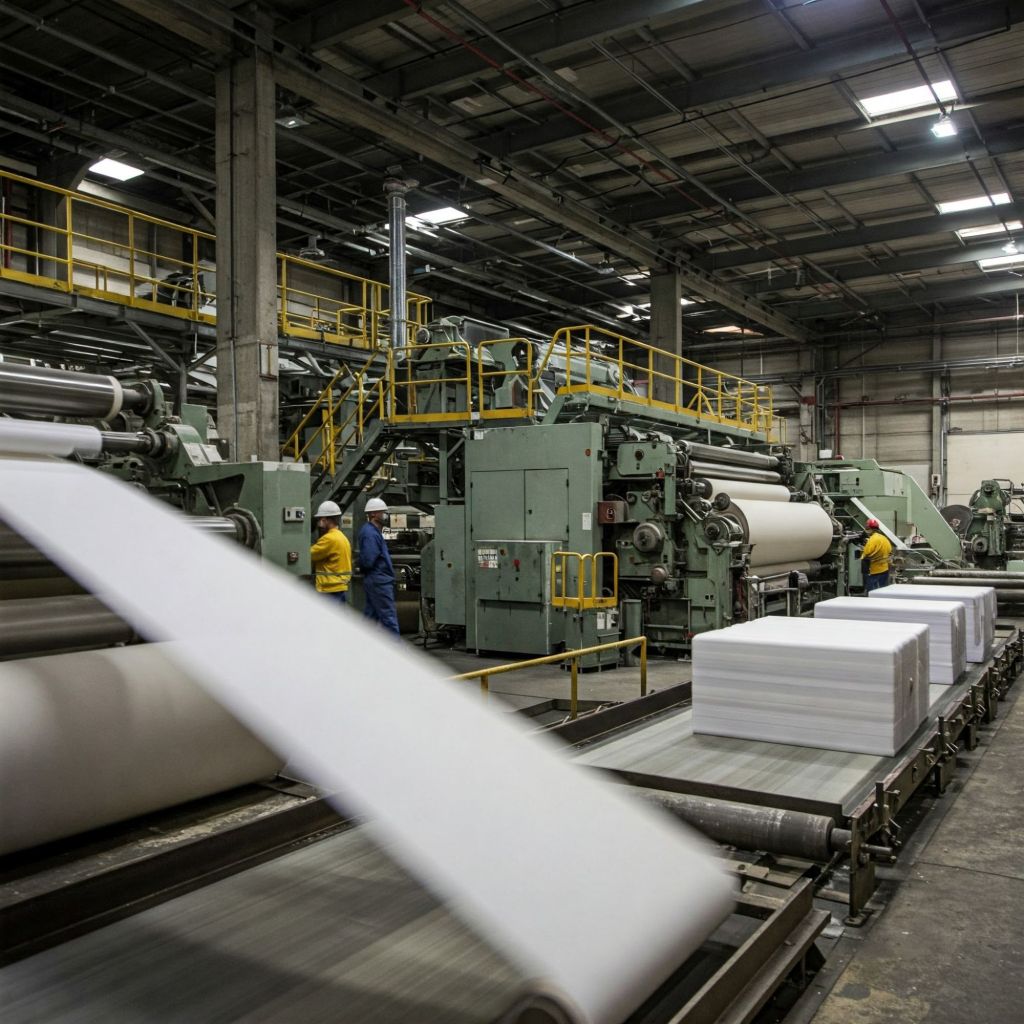
The world demand for paper products is substantial and constantly evolving, influenced by factors like economic growth, technological advancements, and environmental awareness. While digitalization has reduced the demand for some paper types (like newsprint), the need for packaging paper and board has significantly increased due to the growth of e-commerce and the demand for sustainable packaging solutions. Specialty papers for various industrial and consumer applications also contribute to the overall demand. The increasing global demand for paper products has significant implications for recycling and garbage disposal: Impact on Recycling: * Increased Need for Recycling: Higher demand necessitates a greater supply of raw materials. Recycling paper helps to meet this demand by providing a secondary source of fiber, reducing the pressure on virgin forests. * Economic Viability of Recycling: A strong demand for paper products, especially those made with recycled content, makes paper recycling more economically viable. This encourages investment in recycling infrastructure and technologies. * Quality Requirements: As the applications of recycled paper expand, there’s an increasing need for high-quality recycled fibers. This puts pressure on improving collection, sorting, and processing technologies to minimize contamination and enhance the quality of recovered paper. * Circular Economy: Increased paper demand reinforces the importance of a circular economy model where paper is collected, recycled, and reused multiple times, minimizing waste and resource consumption. Impact on Garbage Disposal: * Reduced Landfill Waste: Recycling paper significantly reduces the amount of paper waste that ends up in landfills. Paper is a major component of municipal solid waste, and diverting it through recycling conserves valuable landfill space. For example, recycling one ton of paper can save approximately 3.3 cubic yards of landfill space. * Lower Greenhouse Gas Emissions: When paper decomposes in landfills, it releases methane, a potent greenhouse gas. Recycling paper avoids this decomposition process, thus reducing greenhouse gas emissions. Additionally, producing paper from recycled fibers generally requires less energy than producing it from virgin wood pulp, further lowering emissions. * Decreased Incineration: In regions where waste is incinerated, increased paper recycling can reduce the volume of waste sent to incinerators. While incineration can recover energy, it also produces air pollutants and ash that require disposal. * Resource Conservation: By recycling paper, the demand for virgin wood pulp decreases, leading to the conservation of forests, water, and energy resources used in the papermaking process. This indirectly reduces the environmental burden associated with logging, transportation, and manufacturing, which can have broader impacts on waste generation and disposal in those related industries. In summary, the world’s demand for paper products has a direct and significant impact on recycling and garbage disposal. Increased demand necessitates more efficient and widespread recycling systems to reduce reliance on virgin resources and minimize the amount of paper waste ending up in landfills or being incinerated. A robust recycling infrastructure not only helps manage waste but also contributes to a more sustainable and circular use of paper resources.
Music is a complex interplay of different elements, and understanding tone and resonance is key to appreciating and creating music. Here’s a closer look at each aspect:
Tone
Definition: Tone refers to the character or quality of a sound. It encompasses various aspects such as pitch, intensity, and timbre.
Components:
Pitch: The highness or lowness of a sound, determined by the frequency of sound waves.
Timbre: Often referred to as the “color” of the sound, it differentiates one instrument or voice from another, even when they are playing the same note.
Intensity: The loudness or softness of a sound, influenced by the amplitude of the sound waves.
Quality Resonance
Definition: Resonance is the amplification and enhancement of sound, influenced by the physical characteristics of the space or medium through which sound travels.
Characteristics:
Natural Resonance: Each instrument has a natural resonant frequency, which contributes to its unique sound. For example, a guitar has a different resonance quality than a piano.
Room Acoustics: The space where music is played can significantly alter sound quality. Factors like wall material, room shape, and dimensions can enhance or diminish certain frequencies.
Harmonics: Resonance can cause certain frequencies to stand out, creating overtones that enrich the overall tone of the music.
Application in Music
Understanding tone and resonance helps musicians and audiophiles alike appreciate performances more deeply. Here are some practical applications:
Instrument Selection: Musicians choose instruments based not only on sound but also on how their natural tone fits within a specific musical context.
Sound Engineering: In recording and production, engineers manipulate resonance properties to achieve the desired sound quality.
Vocal Techniques: Singers often use resonance to enhance their vocal tone, controlling where the sound resonates in their body to produce a fuller sound.
Conclusion
Paying attention to tone and resonance can significantly enhance the listening experience. Whether you’re a musician, a sound engineer, or just an enthusiastic listener, these elements play a vital role in the beauty and richness of music.
Barbecuing ribs involves seasoning them with a spice rub, preparing a barbecue sauce, and cooking them low and slow over indirect heat. An advantage of using an open fire on a spit is that it allows for even cooking and great flavor development, as the smoke infuses the meat while it’s turning, creating a crispy exterior while keeping the inside tender. Additionally, this method can enhance the rustic flavor of the ribs, giving them a unique charred and smoky profile.
A “fact” can be defined as: * Something that has actual existence: * This emphasizes the objective reality of a fact. * A piece of information presented as having objective reality: * This highlights that facts are meant to represent the way things truly are. * A truth verifiable from experience or observation: * This stresses the importance of evidence and confirmation in establishing a fact. In essence, a fact is something that is considered to be true and can be supported by evidence. It’s distinct from opinions or beliefs, which are subjective.
Facttously yours..
Subjectivity is fact
Subjectivity means that it’s subject to other people’s opinion on what’s true or real or factual. So in one sense, subjectivity is a fact, meaning that is out there + the best objectivity is when there’s virtual unanimity about what is + is true in a particular experience. However, this dynamic can be cooked by repetition of a lie or a subjective opinion as well as making it sensational so that it gets repeated enough that people believe it to be a fact. So the fact is, that’s what people believed at that time.
The truth is seen, subject to science, debate, peer review, and is able to stand the test for the same outcome, and the test of time.
The awakening show with Robin ends on March 30th 2025. An error in the publish date for this post has be discovered and we reiterate that his show runs March 7th to March 30th 2025. Come out and support him if you can..













 Kevin Griffiths
 percypaschal

