CBC
CBC up to the roll
Were you there?
Concerning Ukraine
Published facts by the government of Canada.
Well facts are factual unless they need interpretation like some of these…

To the seasons of life

CBC up to the roll
Were you there?
Published facts by the government of Canada.
Well facts are factual unless they need interpretation like some of these…

In British Columbia, the climate of work conditions for nurses, ambulance staff, and medical practitioners is marked by both challenges and advancements. The increasing demand for healthcare services due to an aging population has led to high workloads, which can result in burnout and stress among staff. Additionally, issues like staffing shortages and long hours often exacerbate these conditions. However, there have been efforts to improve work environments, including better support systems, competitive salaries, and enhanced mental health resources. The province is also investing in technology and training opportunities to streamline processes and improve patient care, aiming to create a more sustainable and supportive workplace for healthcare professionals. Overall, while the healthcare sector faces significant pressures, ongoing initiatives are working towards a more positive and resilient workforce.

These two people were meeting the public outside a hockey game. There’s always a risk when you meet the public that somebody is a little off. Be careful. Be aware and don’t be vulnerable.
What to do…(Never deny someone’s feelings). And…
Dealing with potentially volatile individuals requires a careful balance of de-escalation tactics and safety awareness. Here’s a breakdown of strategies to help you navigate such situations:
Disarming Techniques:
* Maintain Calm and Respect:
* Speak in a calm, even tone. Avoid raising your voice or displaying aggressive body language.
* Show respect, even if you don’t agree with the person’s behavior. Acknowledge their feelings without necessarily validating their actions.
* Use open and non-threatening body language. Keep your hands visible and avoid crossing your arms.
* Active Listening:
* Pay attention to what the person is saying. Let them vent without interrupting excessively.
* Use reflective listening, which involves summarizing and restating what they’ve said to show that you understand.
* Empathy can be a great tool. Try to see things from their perspective, even if you don’t agree.
* De-escalation Strategies:
* Create space. Give the person physical space. Avoid crowding them.
* Redirect their focus. Try to shift the conversation to a neutral topic or offer a solution.
* Avoid arguing or contradicting. Instead, use phrases like, “I understand,” or “I can see how that would be frustrating.”
* Offer choices, when possible, to give them a sense of control.
* Verbal Judo:
* This technique emphasizes using words to redirect behavior.
* Start by introducing yourself and explaining your role.
* Ask open-ended questions to encourage them to talk.
* Use persuasive language to gain their cooperation.
Safety Measures:
* Situational Awareness:
* Be aware of your surroundings and identify potential escape routes.
* Notice any signs of escalating aggression, such as clenched fists, raised voices, or rapid breathing.
* Trust your instincts. If a situation feels unsafe, remove yourself from it.
* Set Boundaries:
* Clearly communicate your boundaries. Let the person know what behavior is unacceptable.
* Be firm but polite.
* If their behavior continues, be prepared to disengage.
* Prioritize Your Safety:
* Your safety is paramount. Do not hesitate to remove yourself from a dangerous situation.
* If you feel threatened, call for help.
* If possible, position yourself so you have an escape route.
* If you are able to, and feel it is needed, remove yourself from the area.
* Documentation:
* If possible, and if it is safe to do so, document any interactions that made you feel unsafe. This can be helpful if you need to report the incident.
Important Considerations:
* People who are upset or abusive may be experiencing mental health issues or substance abuse.
* These strategies are not foolproof. Some individuals may be beyond reason.
* It’s crucial to prioritize your safety and seek help when necessary.
By combining disarming techniques with safety precautions, you can increase your ability to navigate challenging interactions and minimize the risk of harm.
Dear me what will we be doing up there…
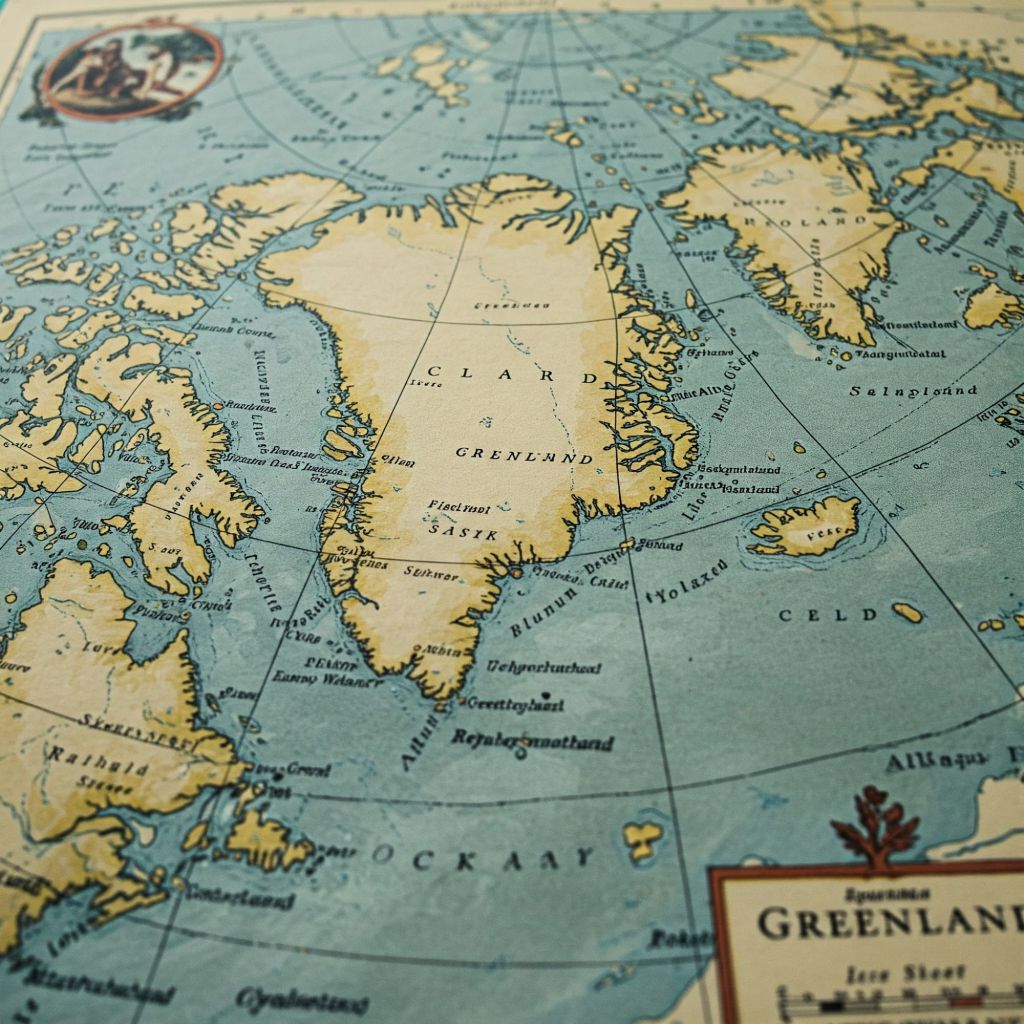

Yellownife the ” Capital of light’s” paraphrased

The Awakening show at The community Arts Center ends on the 7th of April.
Opening times are most mornings at 10 AM,closed Tuesdays.

Bon Chance…
Robin Humphrey Merritt BC…
The awakening show with Robin ends on March 30th 2025. An error in the publish date for this post has be discovered and we reiterate that his show runs March 7th to March 30th 2025. Come out and support him if you can..
Remember it’s parliament not anyone’s re this…
Good luck to all…

I worked hard for my success! I also risked it often in Non-Consequential conversations.
Regret that every once in a whale I am provoked by testy tongues and teases.

The premier of Alberta has doubled her bacon consumption + has her eye on beef. In the sense that made in Canada a solution to sales can be achieved, so bacon up.
Good Luck
Farms and Rancheswith Beef Cattle2021 Census of Agricuiture11,1millionTotal Cattle and CalvesDary 1, 20242.1% fromJanuary 1, 2023(includes 1.4 million dairy cattle)Statistics Canada3.46millionBeef CowsJanuary1, 2024Down 2.4% fromJanuary 1, 2023Statistics CanadaQuebec 40Atlantic 2020 40 60#of Head (May 11, 2021)2021 Census of AgicultureBeef Cows by ProvinceJanuary 1,2024Statistics Canade: inventory x 1000 headPercentages may not add to 100% due to rounding5% 45%28% 11%1831.556 L 6% 1980 381 215117Average Cost of Production vs.Average Returns on anAlberta 550 Ib Calf*Price S/cwt EST. Total Costs per cwt3.1262.1161.1.690 92 94 96 98 00 02 04 06 08 10 12 14 16 18 20 22Canfax Research Services23% of farms havebetween 47 and 122 cows.with 956,118 beef cows, 26%of the herd.15% of farms have1% of the farms between 123 and 499 cows.have 13% of the with 1.21 million beef cows,45% of the herd.beef cows, between 2021 Census of Agriculture500 and 2,499 on Results rounded to nearesteach farm. whole numberCanada fed 3.1 million cattle in2023 (finished to market weight)down 4.4% from 2022.Canfax, Statistics Canada, AAFCWestern Canada finishes 79%of all fed cattle in Canada. canfaxIn 2023, Canadaproduced 3.44bilion pounosnof beef,offals), down 4.6% 3.44from 2022. BillionCanfax Research Services PoundsCattle and calf cash receiptsin 2023 totaled $15.0 billion,up 26% from 2022. statistics CanadaBeef production contributed$29 billion to Canada’s GDP(2021-2023 average).Canfax Research ServicesWHERE CANADA TRADESBeef Exports – 20231.1 billion pounds (499 million kg)75.2% United States2.9% South Korea9.1% Japan6.5% Mexico3.4% Other3.0% Southeast AsiaBeef Imports – 2023411 million pounds (187 milion kg)53.0% United States9.7% New Zealand6.4% Uruguay10.9% Australia6.2% Mexico13.8% otherStatistics CanadaIn 2023, Canada exported 51% of totalbeef and cattle produced in Canada.Statistics Canada, Canfax, AAFCIn 2023, 45% of Canadian productionwas exported (excluding slaughter cattle).Statistics Canada, Canfax, AAFCCanadian beef exports were valued at$5.02 billion in 2023, up 7.4% from$4.68 billion in 2022.Statistics CanadaCANADIAN BEEF What are wecONSUMPTION really eating?35.8 Ibs(16.2 kg)per person yearlyDown 7.2% versus last year.1 metric tonne = 2,204.6 lbs.Statistics Canada, Retail weight, 2023WHERE CANADA FITSTop 10 Beef Producing Nations – 2024fUnited States 19.72%Brazil 18.57%China 12.769%EU 10.65%India 7.57%Argentina a 5.20%Australia Canada 3.97%has 1.2% of theMexico world’s 942 million, 3.75%cattle.Russia 2.29%Canada 2.16%59% 10% 15% 20% 25%Canada produces 2% of the world’s beef supply. Worldwide beefproduction is forecast to be 60.4 million metric tonnes in 2024.USDATop 10 Beef Exporting Nations- 2024fAPvoorts)(excludes live slaughterBrazil 23.75%India 13.82%United States 12.97%Australia 10.31%Argentina 7.46%New Zealand 5.59%EU 4.86%Canada 4.54%Uruguay 3.85%Paraguay 3.65%5% 10% 15% 20% 25%Total world exports in 2024 are forecast to be 12.3 million metric tonnesand Canada is projected to be the 8th largest beef exporter in the world(excluding live slaughter exports).USDACanadian Beef ConsumptionDomestic Imports1.2001.00080060040020002 04 06 08 10 12 14 16 18Canadians consumed 924,283 metric tonnes of beef in 2023.Statistics Canada
Farms and Rancheswith Beef Cattle2021 Census of Agricuiture11,1millionTotal Cattle and CalvesDary 1, 20242.1% fromJanuary 1, 2023(includes 1.4 million dairy cattle)Statistics Canada3.46millionBeef CowsJanuary1, 2024Down 2.4% fromJanuary 1, 2023Statistics CanadaQuebec 40Atlantic 2020 40 60#of Head (May 11, 2021)2021 Census of AgicultureBeef Cows by ProvinceJanuary 1,2024Statistics Canade: inventory x 1000 headPercentages may not add to 100% due to rounding5% 45%28% 11%1831.556 L 6% 1980 381 215117Average Cost of Production vs.Average Returns on anAlberta 550 Ib Calf*Price S/cwt EST. Total Costs per cwt3.1262.1161.1.690 92 94 96 98 00 02 04 06 08 10 12 14 16 18 20 22Canfax Research Services23% of farms havebetween 47 and 122 cows.with 956,118 beef cows, 26%of the herd.15% of farms have1% of the farms between 123 and 499 cows.have 13% of the with 1.21 million beef cows,45% of the herd.beef cows, between 2021 Census of Agriculture500 and 2,499 on Results rounded to nearesteach farm. whole numberCanada fed 3.1 million cattle in2023 (finished to market weight)down 4.4% from 2022.Canfax, Statistics Canada, AAFCWestern Canada finishes 79%of all fed cattle in Canada. canfaxIn 2023, Canadaproduced 3.44bilion pounosnof beef,offals), down 4.6% 3.44from 2022. BillionCanfax Research Services PoundsCattle and calf cash receiptsin 2023 totaled $15.0 billion,up 26% from 2022. statistics CanadaBeef production contributed$29 billion to Canada’s GDP(2021-2023 average).Canfax Research ServicesWHERE CANADA TRADESBeef Exports – 20231.1 billion pounds (499 million kg)75.2% United States2.9% South Korea9.1% Japan6.5% Mexico3.4% Other3.0% Southeast AsiaBeef Imports – 2023411 million pounds (187 milion kg)53.0% United States9.7% New Zealand6.4% Uruguay10.9% Australia6.2% Mexico13.8% otherStatistics CanadaIn 2023, Canada exported 51% of totalbeef and cattle produced in Canada.Statistics Canada, Canfax, AAFCIn 2023, 45% of Canadian productionwas exported (excluding slaughter cattle).Statistics Canada, Canfax, AAFCCanadian beef exports were valued at$5.02 billion in 2023, up 7.4% from$4.68 billion in 2022.Statistics CanadaCANADIAN BEEF What are wecONSUMPTION really eating?35.8 Ibs(16.2 kg)per person yearlyDown 7.2% versus last year.1 metric tonne = 2,204.6 lbs.Statistics Canada, Retail weight, 2023WHERE CANADA FITSTop 10 Beef Producing Nations – 2024fUnited States 19.72%Brazil 18.57%China 12.769%EU 10.65%India 7.57%Argentina a 5.20%Australia Canada 3.97%has 1.2% of theMexico world’s 942 million, 3.75%cattle.Russia 2.29%Canada 2.16%59% 10% 15% 20% 25%Canada produces 2% of the world’s beef supply. Worldwide beefproduction is forecast to be 60.4 million metric tonnes in 2024.USDATop 10 Beef Exporting Nations- 2024fAPvoorts)(excludes live slaughterBrazil 23.75%India 13.82%United States 12.97%Australia 10.31%Argentina 7.46%New Zealand 5.59%EU 4.86%Canada 4.54%Uruguay 3.85%Paraguay 3.65%5% 10% 15% 20% 25%Total world exports in 2024 are forecast to be 12.3 million metric tonnesand Canada is projected to be the 8th largest beef exporter in the world(excluding live slaughter exports).USDACanadian Beef ConsumptionDomestic Imports1.2001.00080060040020002 04 06 08 10 12 14 16 18Canadians consumed 924,283 metric tonnes of beef in 2023.Statistics Canada
The General Agreement on Tariffs and Trade (GATT) was a pivotal international trade agreement that played a crucial role in shaping the post-World War II global economy. Here’s a breakdown of its key aspects:
Purpose and Jurisdiction:
* Objective:
* GATT’s primary goal was to liberalize international trade by reducing or eliminating trade barriers, such as tariffs and quotas.
* It aimed to foster economic recovery after World War II and promote global economic cooperation.
* Jurisdiction:
* GATT focused primarily on trade in goods.
* It established a set of rules and principles that signatory countries were expected to adhere to in their trade practices.
* It also provided a framework for resolving trade disputes among member nations.
Effect:
* Tariff Reduction:
* GATT was highly successful in reducing average tariff levels among member countries through a series of negotiating “rounds.”
* This led to a significant increase in international trade.
* Trade Liberalization:
* By reducing trade barriers, GATT facilitated the growth of global trade and economic interdependence.
* Foundation for the WTO:
* GATT laid the groundwork for the creation of the World Trade Organization (WTO), which succeeded it in 1995.
Membership:
* Initial Signatories:
* GATT was initially signed by 23 countries in 1947.
* Growth:
* Over time, GATT’s membership expanded significantly, reflecting the increasing importance of international trade.
* By the time it was replaced by the WTO it had over 125 member nations.
Success and Legacy:
* Success:
* GATT is widely regarded as a successful agreement that contributed significantly to the growth of the global economy.
* Transition to the WTO:
* GATT no longer exists as an independent organization.
* It was replaced by the WTO on January 1, 1995.
* The WTO built upon the principles of GATT and expanded its scope to include trade in services and intellectual property.
* Therefore, GATT’s principles live on within the WTO.
In summary, GATT was a crucial stepping stone in the evolution of international trade, paving the way for the modern global trading system.

We believe that individual sovereignty of Nations is very important but not as important as some people bewit the end of the world and that some sort of non-benign entity is behind world-based order and its rules.
The paranoia that might overtake the reasoning of the many. To quote a former US president and somebody intimately involved in the rules-based order for a peaceful world after World war II, President Roosevelt ” We have nothing to fear but fear itself”
Govern ourselves accordingly.

Hey Merit what do you say?


 Kevin Griffiths
 percypaschal
 The Proprietor Review