You are presumed to be honest and responsible without evidence to the contrary beyond a reasonable doubt… on the balance of probablilties you are justified by 51 % likelyhood.
Help others that Don’t know were they are going as well.
Tour operator, no knows Canada better than Canadians.
Government Compliance
For a new entrepreneur in British Columbia, the landscape in 2026 is shifting away from “general” cash grants toward targeted support for specific industries (like tech, agriculture, and manufacturing) and demographic-based funding.Here are the most relevant programs and routes currently available in BC
:1. The WorkBC Self-Employment ProgramIf you are currently unemployed or under-employed (working fewer than 20 hours a week), this is one of the most comprehensive “entry points.”
* What it offers:
Financial financial support (a living allowance) while you spend 10 weeks developing a business plan and 38 weeks launching your business. * Best for: People who have a solid idea but need a safety net and expert coaching to transition from “worker” to “owner.”
2. Community Futures
(Rural & Regional Support)Since you are in a regional area like the Nicola Valley, Community Futures Nicola Valley (located right in Merritt) is often more accessible than big provincial bodies. * Programs: They offer small business loans (often with more flexible terms than big banks), one-on-one business counseling, and specialized programs for entrepreneurs with disabilities or Indigenous youth. * 2026 Focus: They are currently emphasizing “Business Resilience” and “Digital Transformation,” helping older businesses or new startups integrate AI and modern tools.3. Innovate BC & Tech-Based GrantsIf your venture involves any level of innovation or technology (including specialized manufacturing), Innovate BC has several active “micro-grants.” * Go-To-Market Microgrants: These provide up to $50,000 (covering 75% of costs) for sales and marketing to help a new product get traction.
* BC Employer Training Grant:
If you do plan to hire even one person, this grant covers 80% of training costs (up to $10,000 per employee) to help them gain the skills your new company needs.4. New 2026 Tax IncentivesThe recent BC Budget 2026 introduced a few “hidden” benefits that act like grants by saving you cash immediately:
* Manufacturing Investment Credit:
A new 15% refundable tax credit for businesses investing in buildings, machinery, or equipment. * Small Business Venture Capital Tax Credit: The budget for this was increased to $53.5 million this year, which encourages local investors to put money into your startup by giving them a 30% tax credit.
Summary Table of Funding Types
| Type | Program Name | Best For ||—|—|—|| Living Support | WorkBC Self-Employment | Unemployed individuals starting a first business. || Startup Loan | Community Futures | Rural entrepreneurs needing capital and mentorship. || Growth Grant | Innovate BC Go-To-Market | Scaling a product or service into new markets. || Training Grant | BC Employer Training Grant | Upskilling yourself or a new hire in specialized tech/trades.
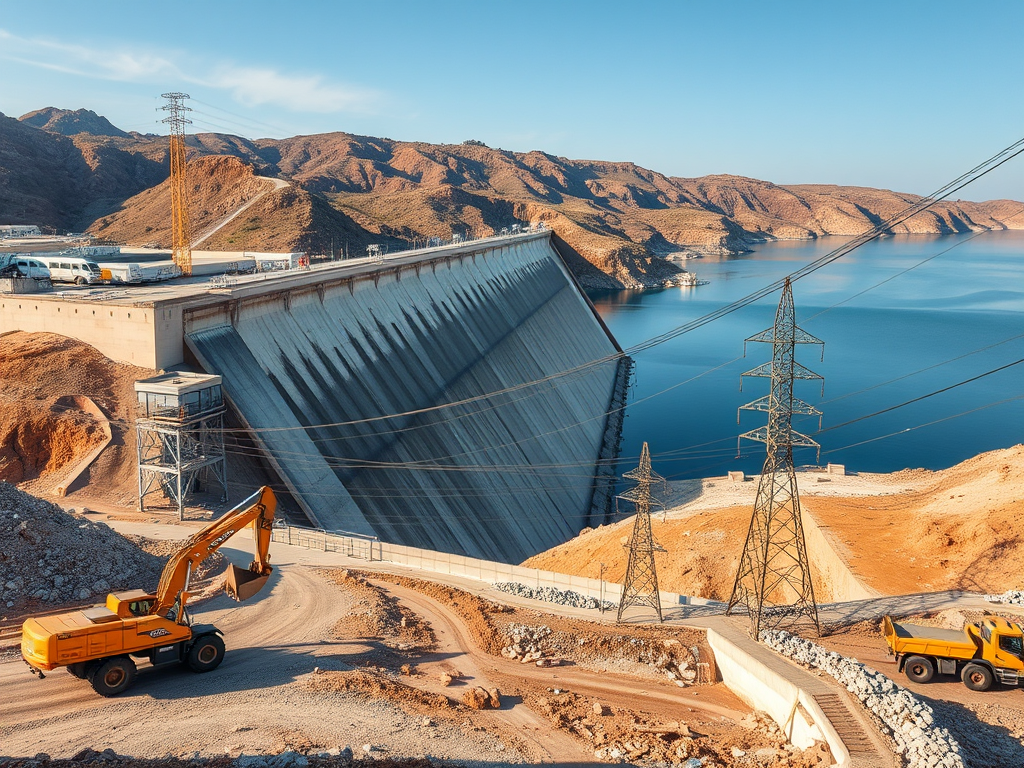
With a lull in the peace talks, to fill that Gap, is there any kind of collaboration that Russia and Ukraine could take on away from disputed areas that would be of mutual benefit to both of them? Perhaps like that as one damn was to Egypt and the Soviets at one point. Is there any possibility that the belligerents could work together on a energy project away from the front that they could both benefit from?.
Generating hydropower from the Black Sea region focuses primarily on the significant river systems that flow into it and the mountainous terrain of its coastal countries, rather than the sea itself. The potential is substantial but unevenly developed across the region.Here is a detailed breakdown of the potential, consumption, and benefits of hydropower in the Black Sea area.
1. The Potential of Hydropower in the Black Sea RegionThe true hydropower potential lies not in the saltwater of the Black Sea, but in the vast catchment areas of the major rivers that empty into it and the steep topography of the surrounding lands.
Major River Systems
(The Largest Potential)The Black Sea receives water from some of Europe’s largest and most powerful rivers. These rivers have massive, established, and further developable hydropower capacity.
* The Danube River:
This is the most significant contributor. Flowing through 10 countries, it has immense hydropower potential, particularly in its upper and middle sections. The most famous and largest installation is the Iron Gate (Đerdap) Dam system on the border of Romania and Serbia.
* The Dnieper and Dniester Rivers:
These rivers, primarily flowing through Ukraine, hold significant potential. The Dnieper has a cascade of large hydroelectric power plants.
* The Rioni and Enguri Rivers:
Located in Georgia, these rivers, fed by the high Caucasus Mountains, offer very high potential. The Enguri Dam is one of the highest arch dams in the world and a cornerstone of Georgia’s energy system.
* The Kizilirmak and Sakarya Rivers:
These are major rivers in Turkey flowing into the Black Sea, with substantial and actively developed hydropower capacity.Mountainous Coastal RegionsThe countries with significant mountain ranges near the coast possess excellent potential for high-head hydropower projects (which use a large vertical drop). * Georgia (Caucasus Mountains): Has some of the highest hydro potential per capita in the world. Its steep, glacier-fed rivers are ideal for hydropower. *
Turkey (Pontic/North Anatolian Mountains): The steep terrain along the northern coast allows for many hydro projects, from large dams to small run-of-river plants. * Romania and Bulgaria (Carpathian and Balkan Mountains): These ranges provide substantial hydro potential, which is already significantly developed.
Summary of Regional Potential
The total theoretical hydropower potential for the entire Black Sea catchment area is estimated to be over several hundred terawatt-hours (TWh) per year, though only a portion of this is technically and economically feasible. Countries like Turkey and Georgia are actively working to harness more of their remaining potential.
2. Where would the Hydropower be Consumed?The consumption of hydropower from the Black Sea region can be divided into internal (domestic) use and external (export) markets.
Domestic Consumption
(Internal to Each Country)For most countries in the region, hydropower is a vital part of their domestic energy mix. *
Georgia:
Hydro dominates, often providing 75-80% or more of the country’s electricity, especially during the wet spring and summer months. * Albania: (Technically Adriatic, but part of the wider region’s energy market) Relies almost 100% on hydropower.
* Romania, Bulgaria, and Turkey:
Use hydropower as a crucial source of renewable energy to meet domestic demand and improve grid stability.
Regional Export and IntegrationOne of the most significant aspects of Black Sea hydropower is its potential for export. *
Seasonality:
A key challenge and opportunity. Hydro-dependent countries like Georgia have a surplus of power in the spring/summer (due to snowmelt) but face a deficit in the winter. This creates a natural basis for trade.
* Export Markets:
Surplus hydropower from countries like Georgia, Turkey, and Romania can be exported to: * The European Union (EU): A major target market. The EU has a high demand for clean energy and offers competitive prices. * Neighboring Countries: Power can be traded within the region (e.g., Georgia exporting to Turkey, Russia, or Armenia).
The Black Sea Submarine Cable Project
A vital proposed infrastructure project is the Black Sea Submarine Cable.
This ambitious plan aims to lay an undersea electricity cable linking Georgia to Romania, creating a direct energy corridor between the South Caucasus and the EU. This would enable Georgia and other countries to export their surplus green energy directly to European markets.3. What would the Benefits be to Whom?The development of hydropower in the Black Sea region offers a wide range of benefits to various stakeholders.| Stakeholder | Primary Benefits ||—|—|| Individual Countries | Energy Security: Reduces reliance on imported fossil fuels (especially natural gas).Economic Growth: Attracts investment, creates jobs, and generates revenue through exports
.Grid Stability:
Hydropower is flexible and can be quickly turned on or off to balance the variable output of other renewables like wind and solar. ||
Local Communities |
Infrastructure Development: Construction projects often bring new roads, bridges, and services.Revenue Sharing: Some projects include mechanisms to share profits with local municipalities.Ancillary Benefits: Dams can provide flood control, water storage for irrigation, and opportunities for tourism and recreation. ||
The Black Sea Region
| Regional Cooperation: The need for interconnected grids and power trade fosters dialogue and diplomatic ties.
Environmental Goals: Helps the region meet its climate commitments and transition to a green economy.
Energy Independence:
Strengthens the region’s overall energy independence. ||
The European Union (EU) | Green Energy Supply: It provides a reliable source of clean energy. This source is renewable and helps meet ambitious climate goals. Diversification: Reduces dependence on a limited number of external energy suppliers. Geopolitical Stability: Strengthens ties with Eastern Partnership countries. || The Global Environment | Climate Change Mitigation: Displaces carbon-intensive fossil fuel generation, reducing greenhouse gas emissions. |
Harry Sanders, was bit of a legend about Merritt. We remember him as hosting the social credit party at his home in lower Nicola for their AGM’s. But Harry was a contractor with equipment. Lots of male sons. And a penchant for opportunities. One of them he saw at one point was an ability to bridge a small Creek or area and a temporary but more permanent way that would be easy in and easy out without much damage so as to protect the environment and also to expedite doing work in the forests and streams.
Innovation
By cutting apart large pieces of pipeline pipe, and that was in surplus. He managed to make a small portable bridge, he could cross a stream with a similarly to the Roman concept of using Stone arches for their bridging. The value of these is self-evident.
So I don’t know how many prototypes he made but this one was in the industrial area sitting for numbers of years. So I took a picture of it as I went by knowing Harry or more to the point I knew his sons. I know more of Harry than I did him.
But darn and be gosh if he didn’t, long past his departure from this life. The legacy in that piece was laying. There and now seems to have been revived as some very nice advertising is online about enviro bridge and some of them are being sold and being manufactured again here in Merritt British Columbia.
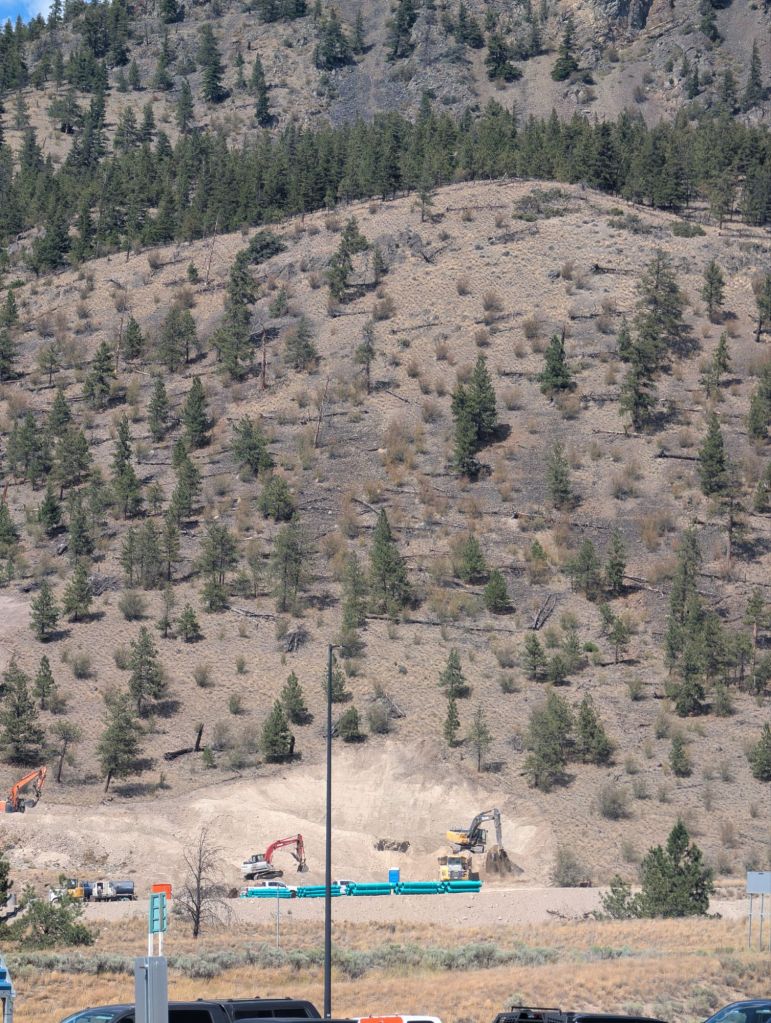
Construction by the North exit of Merritt BC Canada
Can we control our selfs
Merritt, British Columbia, is currently experiencing a good deal of construction and development, particularly in the wake of the 2021 atmospheric river event and ongoing efforts to enhance the community’s infrastructure and housing. Here’s a breakdown of what’s happening: Current Construction Projects: * Highway Flood Recovery Projects (Highway 8): Significant work is underway on permanent repairs to damaged sections of Highway 8 between Spences Bridge and Merritt. This includes bridge repairs, road reconstruction, and environmental enhancements to make the highway more resilient to extreme weather. Several sites along Highway 8 are actively under construction, with some sections still having gravel surfaces and reduced speed zones. * Trans Mountain Expansion Project: Cleanup and reclamation efforts related to the Trans Mountain pipeline expansion continue between Merritt and Coquihalla Summit, as well as between Kamloops and Merritt. Crews are working intermittently on right-of-way and access road cleanup, reseeding, replanting, and land reclamation. * Gateway 286 Development: This is a major redevelopment project at the former Visitor Information Centre site at Exit 286 (where the Coquihalla Highway meets Highway 97C). This commercial hub is expected to include restaurants, convenience stores, a gas station, a dog park, and what is planned to be Western Canada’s largest electric vehicle charging station. This project is a partnership with the five Nicola Valley First Nations and aims to provide economic opportunities and a vital transportation hub. Construction was expected to begin in Summer 2024. * Affordable Housing Developments: * A 52-unit affordable rental housing development for First Nations families, elders, and youth is currently under construction at 2640 Spring Bank Avenue. This four-storey building is expected to be completed by Spring 2025 and will include studio, one-, two-, and three-bedroom units, with many being accessible or adaptable. * Construction is also starting on a new family housing complex at the Nicola Valley Institute of Technology (NVIT) Merritt campus. This project will include 12 townhouses for primarily Indigenous families, with a mix of two- and three-bedroom units, and an expanded childcare facility with 36 spaces. This is expected to open by Fall 2027. * West Merritt Active Transportation Path: A 2.7 km multi-use path/active transportation corridor in West Merritt has been under construction and was expected to be completed in Spring 2023. * Collettville Lindley Creek Road Development: A multi-phased residential and industrial development is underway on Lindley Creek Road in Collettville. The conceptual plan included 98 townhomes, 95 mobile homes, and up to 180 condominium units, along with a significant park dedication. The residential portion is expected to provide quicker and more attainable housing, and the industrial development aims to attract new businesses and jobs. * Kasa Industrial Park: A 10-acre site at 3888 Voght Street is being developed into a distribution warehouse and precast concrete manufacturing facility, with a project value exceeding $15 million. * Bell Canada National AI Data Centre: Merritt has been selected as the site for a new Bell Canada National AI Data Centre, with updates as of June 2025. * Universal Water Meter Program: The City of Merritt is launching a universal water meter program, supported by a $3 million grant. Building Permits and Property Makeup (Industrial vs. Residential): While specific numbers for current permits entered into by the City of Merritt and a precise breakdown of the current makeup of industrial and residential properties are not readily available in general public searches, here’s what we know about permits and the general landscape: * Building Permits: Building permits are required for most new construction, alterations, additions, or demolitions in Merritt. This ensures projects comply with the BC Building Code and local regulations for safety and integrity. The City of Merritt has a Development Services department that processes building, demolition, plumbing, and sign permits. You would generally need to contact the City directly for detailed statistics on the number of permits issued and their classification (e.g., residential vs. industrial). * Development Permits: For multiple-unit residential, commercial, or industrial developments, a Development Permit (DP) is often required in addition to a building permit. These are processed by the Planning staff and are necessary if the land is within a designated Development Permit Area. * Industrial and Residential Mix: Merritt is seeing growth in both residential and industrial sectors. The affordable housing projects and the Collettville development indicate an expansion of residential options, while the Kasa Industrial Park and the industrial component of the Collettville development point to continued industrial growth. The Gateway 286 project is primarily a highway commercial center, which falls under commercial development but serves as a hub for both residents and travelers. The city’s focus on attracting new business and industry through projects like the Collettville industrial development suggests an effort to expand its industrial tax base. To get the most precise and up-to-date figures on building permits and the current ratio of industrial to residential properties, it would be best to contact the City of Merritt’s Development Services or Planning department directly. They would have the official records and statistics.
A piece of art from a recent art showing in Merritt offered poetic advice.
You can sometimes get a low down across the counter at the Nicola Valley Community Arts Council’s art gallery on the corner of Nicola and Voght.
Of course! Here are several ways you can use me to be more productive and free up time to spend with your friends and family: 1. Automate and Delegate Tasks: * Schedule Management: * “Help me create a shared calendar for my family’s events and appointments.” * “Remind me to call my mom every Sunday at 3 PM.” * “Help me find a good time for a family dinner this weekend, considering everyone’s schedules.” * Trip Planning: * “Plan a weekend getaway for my friends to a cabin. Find cabins in the Merritt area and suggest activities.” * “Help me book flights and accommodation for my family’s trip to Vancouver.” * “Create a packing list for a camping trip with my friends.” * Errand & Task Lists: * “Generate a grocery list based on a simple meal plan for the week.” * “Create a to-do list for preparing for my friend’s birthday party.” * “Help me find a local plumber in Merritt.” 2. Optimize Your Time: * Information Gathering: * “Summarize the key news headlines from today so I can stay informed quickly.” * “Give me a brief overview of the top restaurants in Merritt for a family dinner.” * “Find the opening hours and location of the nearest park for a picnic.” * Brainstorming & Planning: * “Suggest some fun, low-cost activities my family can do in Merritt this summer.” * “Help me come up with a creative idea for a birthday gift for my best friend.” * “Create a fun trivia game based on our family’s history.” 3. Streamline Communication: * Drafting Messages: * “Draft a polite email to my boss asking for a day off to attend my child’s school event.” * “Write a text message inviting my friends for a BBQ this weekend.” * “Help me write a thank-you note for a gift I received.” * Event Coordination: * “Create a poll to see which date works best for my friend group to have a game night.” * “Help me create an invitation for a family reunion and track RSVPs.” 4. Enhance Personal Efficiency: * Learning & Skill Building: * “Teach me a new recipe I can cook with my kids.” * “Explain the basics of gardening so I can start a small garden with my family.” * “Give me tips on how to be more mindful and present with my loved ones.” * Idea Generation: * “What are some conversation starters I can use to connect with my family at dinner?” * “Give me ideas for ‘no-screen’ activities for my kids on a rainy day.” Here’s how to get started: * Be Specific: The more details you provide, the better I can help. For example, instead of “plan a trip,” say “plan a weekend trip for two to a cozy cabin near Merritt, with a budget of around $500, and activities like hiking and stargazing.” * Break Down Big Tasks: If you have a large project, break it into smaller, manageable steps. You can ask me to help with each step. * Use Natural Language: Talk to me like you would a person. You don’t need to use specific commands. By offloading these tasks to me, you can free up your mental energy and time, allowing you to be more present and engaged with the people you care about.
There are many wholesome and enjoyable activities women peers aged 30 to 35 can do together on a Saturday! Here’s a mix of options, from active to relaxed, to inspire your next get-together:Active & Outdoors: * Hiking or Biking: Explore local trails or scenic routes. Merritt is surrounded by beautiful nature, so there are likely many options for all skill levels. * Yoga or Pilates Class: Try a new studio, or find an outdoor class if the weather is nice. Aerial yoga is also an option for something different. * Swimming: Head to a local pool, lake, or even try “wild swimming” if you’re feeling adventurous and have a safe spot. * Paddleboarding or Kayaking: If there’s a nearby body of water, spending time on the water can be incredibly relaxing and fun. * Gardening: If one of you has a garden, spend some time together nurturing plants. You could even visit a local botanical garden. * Visit a Farmer’s Market: Enjoy the fresh air, browse local produce, and pick up ingredients for a healthy meal you can cook together later.Creative & Learning: * Cooking or Baking Class: Learn a new cuisine or technique together. This is a great way to bond and enjoy delicious food. * Pottery or Painting Session: Many studios offer “paint and sip” events or pottery workshops. It’s a fun way to express creativity, even if you’re not an artist. * Flower Arranging Class: A calming and beautiful activity where you can learn a new skill and create something lovely. * Craft Night: Get together to make friendship bracelets, try a new craft like knitting or crocheting, or even make vision boards. * Book Club: Choose a book to read and then meet up to discuss it over coffee or brunch.Relaxing & Social: * Spa Day: Whether at a professional spa or a DIY at-home spa with face masks, manicures, and relaxing music. * Picnic in the Park: Pack a delicious lunch, some blankets, and enjoy the outdoors and good conversation. * Game Night: Classic board games, card games, or even video games can lead to a lot of laughs. * Movie Marathon: Pick a theme (favorite genre, childhood classics) and settle in for a cozy movie day with snacks. * Coffee Shop Hopping or Food Tour: Explore local cafes or try different eateries in your town. * Thrifting or Boutique Browse: Enjoy some retail therapy and discover unique finds. * Volunteer Together: Giving back to the community can be a very rewarding and bonding experience. Look for local shelters, food banks, or community events. * Afternoon Tea: A lovely way to spend an afternoon, complete with tasty treats and good conversation.Tips for a Great Saturday: * Discuss Preferences: Before planning, chat with your friends about what kind of activities they’re in the mood for. * Consider Budget: There are many free or low-cost options, so factor in everyone’s budget. * Potluck Style: For food-related activities, consider a potluck to share the effort and variety. * Comfort over Perfection: The goal is quality time and enjoyment, so don’t stress about making it perfect. * Focus on Connection: Regardless of the activity, prioritize conversation and connecting with each other.Enjoy your wholesome Saturday!
At 3: 19 AM. July 21st of 2024. The Buck/ Thunder Moon was full. The event is prescribed to be a time of commitment and a serious business acumen is desired.PP
Photo generated
The July full moon, known as the Buck Moon or Thunder Moon, is associated with attributes of strength, courage, and transformation. This full moon is believed to bring about a sense of determination and focus, encouraging individuals to pursue their goals with resilience and tenacity. Additionally, it is thought to carry energies of release and renewal, making it an opportune time for letting go of negativity and embracing positive change. Overall, the Buck Moon is said to inspire confidence and a proactive approach to challenges. Generated.
On the left off Voght when leaving Merritt north 5 or 5A.
Game On Sports Bar in Merritt, BC
Game On Sports Bar is a popular hangout spot in Merritt, BC for sports enthusiasts and those looking for a laid-back atmosphere to enjoy a game or catch up with friends. The bar offers a variety of snacks, drinks, and an inviting setting to watch sports events on big screens.
For those seeking a relaxed environment to socialize and entertain themselves, Game On Sports Bar might just be the perfect spot in Merritt, BC. Remember, fun times with friends and sports are just around the corner at Game On Sports Bar.
Game on sports bar rates:
Based on one recent visit the sports bar rates for aesthetics, staff, service and clients. Good to Excellent.
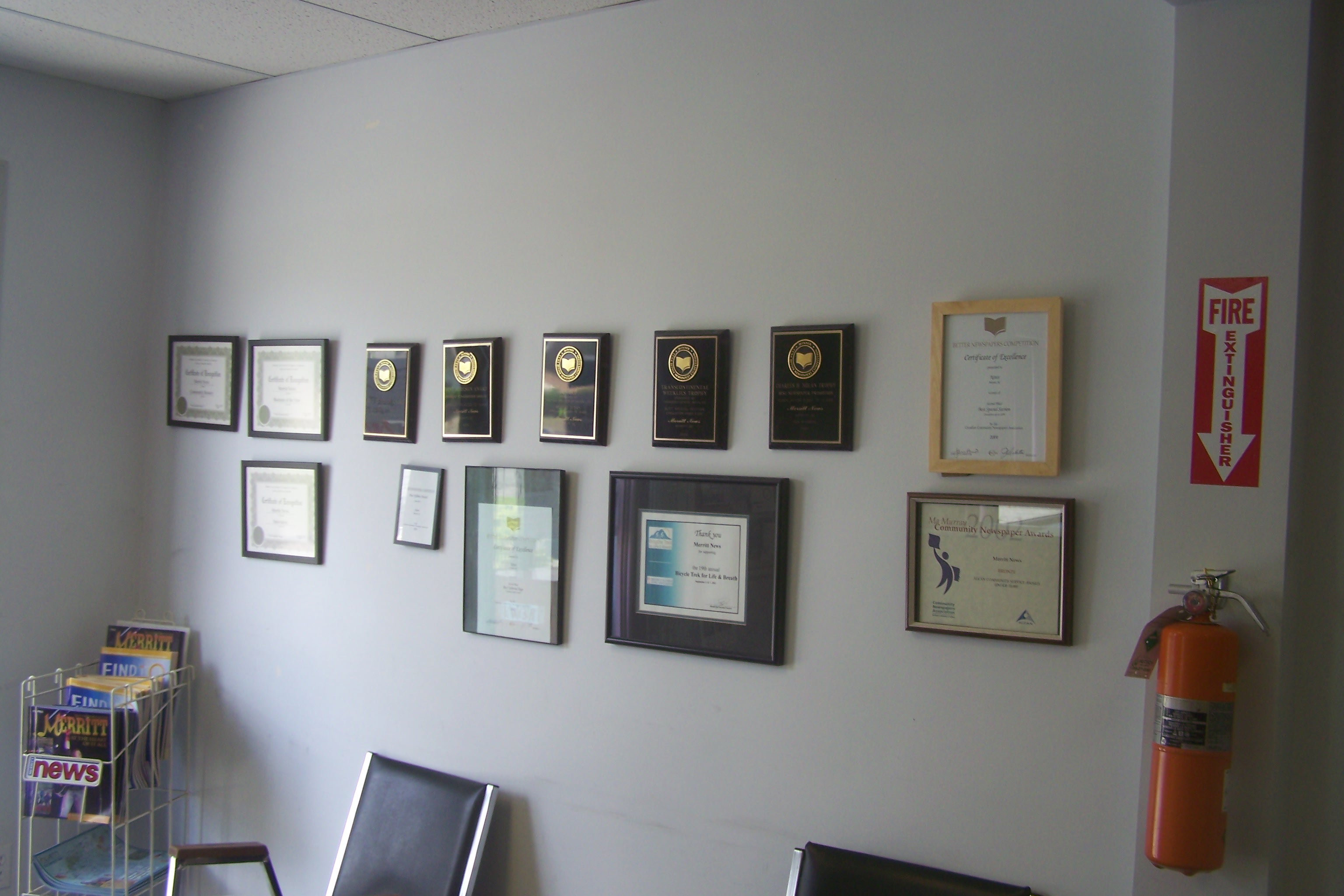
The Merritt Herald published in Merritt British Columbia since the first decade of the 20th century has moved upstairs in the building they had full run for a century.
Away from the Granite Avenue walk and now with a shared entry off Garcia we find four souls engaged in the information and disimination of truth in the jive and jitter of a community. Ground in a function to give a pride of place to its fellowship of being. The Nicola Valley; down stream of the lake and set in an expectation of livelihood
The newspapers in British Columbia continue to play a significant role in providing local, regional, and international news to the residents of the province. Despite the challenges faced by the print media industry globally, several newspapers in British Columbia have adapted to the digital age by expanding their online presence and offering digital subscriptions to their readers. This transition has allowed these newspapers to reach a wider audience while continuing to deliver in-depth reporting on issues that matter to British Columbians. Additionally, community newspapers remain an essential source of information for local events, news, and perspectives, contributing to the rich tapestry of media in the province.
In recent years, newspapers in British Columbia have undergone consolidation and reorganization, leading to shifts in ownership and operational models. This has impacted the landscape of journalism in the province, prompting discussions about the future of independent and investigative reporting. Despite these changes, continued efforts to maintain high-quality journalism and ethical standards are evident across various newspapers, contributing to a diverse and vibrant media environment in British Columbia.
In 2024, we can expect to see further advancements in technology, continued focus on environmental issues, potential breakthroughs in science and medicine, and significant global events such as elections, sporting competitions, and cultural milestones. It’s also likely that the world will continue to grapple with ongoing challenges, including those related to public health, climate change, and international relations. As with any year, 2024 will bring both opportunities and obstacles, shaping the course of history in various ways.
















 Kevin Griffiths
 percypaschal
 The Proprietor Review