You are presumed to be honest and responsible without evidence to the contrary beyond a reasonable doubt… on the balance of probablilties you are justified by 51 % likelyhood.
We think that tonight’s election results depended a lot on the demonstration of the democratic principle of “responsiveness of government”
It is our hope at the proprietor review that this continues whether it’s a majority or minority government situation. Parliament remains responsive to the people. No matter how this mandate goes.
The 44th Parliament of Canada was convened on November 22, 2021, following the federal election held on September 20, 2021. The election determined the 338 seats in the House of Commons. Therefore, at the beginning of the 44th Parliament, there were 338 seats in the House of Commons.Here’s a bit more information about the 44th Parliament: * Duration: November 22, 2021 – March 23, 2025. * It was a minority parliament, meaning no single party held a majority of the seats. * Prime Minister: Justin Trudeau (Liberal Party) until March 14, 2025, followed by Mark Carney (Liberal Party). * Government: Liberal Party. * Leaders of the Opposition: * Erin O’Toole (Conservative Party) until February 2, 2022. * Candice Bergen (Conservative Party, interim) until September 10, 2022. * Pierre Poilievre (Conservative Party) from September 10, 2022. * Other Recognized Parties in the House of Commons: Bloc Québécois, New Democratic Party (NDP), and Green Party. * Speaker of the House of Commons: * Anthony Rota until September 27, 2023. * Louis Plamondon (interim) from September 27, 2023, to October 3, 2023. * Greg Fergus from October 3, 2023.The distribution of seats in the House of Commons at the start of the 44th Parliament was as follows: * Liberal Party: 160 * Conservative Party: 119 * Bloc Québécois: 32 * New Democratic Party: 25 * Green Party: 2Over the course of the 44th Parliament, there were some changes in the number of seats held by each party due to resignations, by-elections, and members becoming independent. However, the total number of seats in the House of Commons remained 338. The 44th Parliament was dissolved on March 23, 2025, leading to the general election held on April 28, 2025. The results of this election will determine the composition of the upcoming 45th Parliament.
May is the month to prepare for summer.Heres some ideas:
To prepare for summer, one should start by decluttering their living space, ensuring that it feels fresh and inviting. Next, consider updating your wardrobe by packing away winter clothes and investing in lightweight, breathable fabrics. Don’t forget to check your air conditioning system and appliances to make sure they’re in good working order for the heat. Planning summer activities, such as beach trips or outdoor events, can also help create a fun itinerary. Lastly, focus on hydration and skin protection by stocking up on sunscreen and water bottles to stay safe during the warmer months.
The new moon will occur on Sunday, April 27, 2025, at 12:31 PM PDT on the west coast of North America.Visibility on the West Coast of North America:A new moon is the first lunar phase, which occurs when the Moon lies between the Earth and the Sun. At this phase, the sunlit side of the Moon faces away from Earth, making the Moon generally invisible to the naked eye. It rises and sets at roughly the same time as the Sun.Therefore, on the night of April 27th, 2025, and the days immediately surrounding it, the new moon will not be visible from the west coast of North America. The sky will appear dark (assuming clear weather and minimal light pollution), which makes it an excellent time for observing stars and other fainter celestial objects.General Information about the New Moon: * The Start of the Lunar Cycle: The new moon marks the beginning of the approximately 29.5-day lunar cycle. * Alignment: During a new moon, the Moon is positioned between the Earth and the Sun. * Earthshine: Although the sunlit side faces away, sometimes a very faint glow called “earthshine” can make the unlit portion of the new moon subtly visible. This is due to sunlight reflecting off the Earth and onto the Moon. * Solar Eclipses: New moons are the only phase during which a solar eclipse can occur. This happens when the new moon passes directly between the Sun and Earth, and the Moon’s shadow falls on Earth. However, a solar eclipse will not occur on April 27th, 2025. * Stargazing: The dark skies during the new moon phase provide the best conditions for observing faint stars, galaxies, and other deep-sky objects since there is no bright moonlight to interfere. * Tides: New moons (along with full moons) contribute to higher high tides and lower low tides, known as spring tides, due to the combined gravitational pull of the Sun and the Moon.So, while you won’t be able to see the new moon itself on April 27th from the west coast of North America, you will have a dark sky perfect for stargazing!
Peace and security was on the table for consideration over the last week.
Easter celebrations gave hope for traditional renewal in spring rites, the death of a Pope reminded us of the limits of our opportunities in our own lives to make a difference, to spend some time and enjoyment and to spread whatever goodness we find in ourselves to others.
Earth day yawned a wink at us as clocks ran on. History blew a wisp of what was and is and is to come.
And you my friend, you gave me the opportunity to share another day.
Spring in BC, Snow pack is up from 2024. Life is good for most…good luck,stay safe.
British Columbia experiences a varied climate during spring, with weather conditions ranging from mild to cool depending on the region. Coastal areas, like Vancouver, typically enjoy moderate temperatures averaging between 10-15°C (50-59°F), accompanied by increased rainfall, particularly in March and April. In contrast, the interior regions, such as Kelowna, can see warmer temperatures, often reaching 15-20°C (59-68°F) with less precipitation. Snow can still be present in the mountainous areas, while wildlife begins to emerge, and flora starts to bloom, leading to a vibrant and dynamic environment. Be prepared for fluctuating temperatures and pack layers to adjust to sudden changes.
Best Ways to Use Late Season Fresh Snow for Skiing in BC
Skiing on late-season fresh snow in British Columbia can be an exhilarating experience. Here are some tips to make the most out of those conditions:
1. Choose the Right Ski Area
Opt for higher elevation slopes where fresh snow is more likely to stick around longer. Areas like Whistler Blackcomb and Revelstoke often have great late-season conditions.
2. Timing is Key
Ski during the mornings when the snow is still fresh and untouched. The sun can quickly change the snow’s texture later in the day.
3. Stay Flexible with Your Plans
Conditions can vary day by day, so be ready to adjust your skiing plans based on the latest snow reports and weather forecasts.
4. Explore Off-Piste Terrain
Late-season snow can create exciting off-piste opportunities. Just make sure to check avalanche conditions and ski with a buddy in more challenging areas.
5. Focus on Technique
Take advantage of the softer snow by practicing your carving and turning techniques. This can improve your skills while enjoying the fresh powder.
6. Use the Right Gear
Ensure your skis are equipped for soft snow. Skis with wider waists will offer better floatation and control.
7. Hydrate and Rest
Spring skiing can be more taxing due to warmer temperatures. Stay hydrated, take breaks, and don’t forget to apply sunscreen.
8. Celebrate the Warm Weather
Embrace the warmer weather by dressing in layers. This allows for comfort as temperatures fluctuate throughout the day.
9. Enjoy the Scenery
Late season offers stunning views with longer daylight hours. Take some time to appreciate the beautiful surroundings of BC.
10. Join a Ski Clinic or Lesson
Improve your skills while learning to navigate late-season conditions by participating in a ski clinic or taking lessons.
Enjoy the late-season skiing and make the most of the fresh snow while it lasts!
This weekend is marked with the beginning of the cherry blossom festival in Vancouver. Along with that, the Juno awards are up. You’re invited to visit David Lamb Park.
Juno Awards
The Vancouver Cherry Blossom Festival 2025 will take place from March 26th to April 28th, 2025. This festival celebrates the blooming of the cherry blossoms and offers a variety of events and activities.Here are some of the must-attend events: * Blossoms After Dark (March 28-30): A magical nighttime event where cherry blossoms are illuminated, accompanied by live music, bubble performances, and glow-in-the-dark treats at David Lam Park. * The Big Picnic (March 29): A community picnic inspired by Japan’s Hanami tradition, featuring art workshops, music, and cultural performances under the blossoms at David Lam Park. * Blossom Block Party (April 5): A lively celebration with music, food, and dance at the Dunsmuir Patio at Bentall Centre. * Sakura Days Japan Fair (April 12-13): Experience Japanese culture through traditional food, performances, tea ceremonies, and crafts at VanDusen Botanical Garden.The festival will be held throughout Vancouver, with key locations including: * David Lam Park * VanDusen Botanical Garden * Queen Elizabeth Park * Stanley ParkWould you like more information about any of these events or locations?
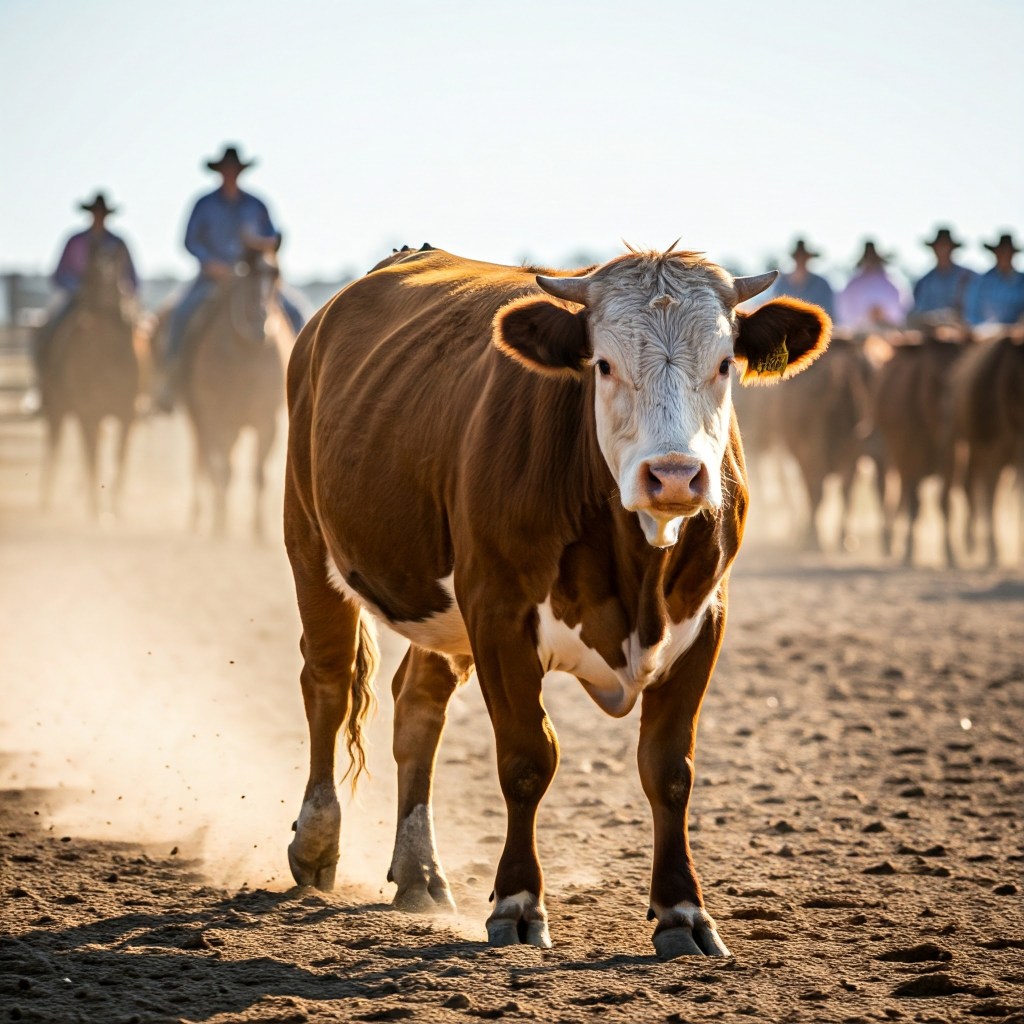
The premier of Alberta has doubled her bacon consumption + has her eye on beef. In the sense that made in Canada a solution to sales can be achieved, so bacon up.
Beef and pork production by country
Five Largest Beef Producing Countries
United States
Brazil
European Union
China
Argentina
Five Largest Pork Producing Countries
China
United States
European Union
Brazil
Russia
Consumers
Five Greatest Beef Consuming Countries
United States – Approximately 26 million metric tons
Brazil – About 10 million metric tons
China – Roughly 10 million metric tons
Argentina – Around 3 million metric tons
Mexico – Approximately 2 million metric tons
Five Greatest Pork Consuming Countries
China – Roughly 54 million metric tons
United States – About 12 million metric tons
European Union – Approximately 12 million metric tons
Russia – Around 3 million metric tons
Brazil – About 3 million metric tons
Good Luck
Farms and Rancheswith Beef Cattle2021 Census of Agricuiture11,1millionTotal Cattle and CalvesDary 1, 20242.1% fromJanuary 1, 2023(includes 1.4 million dairy cattle)Statistics Canada3.46millionBeef CowsJanuary1, 2024Down 2.4% fromJanuary 1, 2023Statistics CanadaQuebec 40Atlantic 2020 40 60#of Head (May 11, 2021)2021 Census of AgicultureBeef Cows by ProvinceJanuary 1,2024Statistics Canade: inventory x 1000 headPercentages may not add to 100% due to rounding5% 45%28% 11%1831.556 L 6% 1980 381 215117Average Cost of Production vs.Average Returns on anAlberta 550 Ib Calf*Price S/cwt EST. Total Costs per cwt3.1262.1161.1.690 92 94 96 98 00 02 04 06 08 10 12 14 16 18 20 22Canfax Research Services23% of farms havebetween 47 and 122 cows.with 956,118 beef cows, 26%of the herd.15% of farms have1% of the farms between 123 and 499 cows.have 13% of the with 1.21 million beef cows,45% of the herd.beef cows, between 2021 Census of Agriculture500 and 2,499 on Results rounded to nearesteach farm. whole numberCanada fed 3.1 million cattle in2023 (finished to market weight)down 4.4% from 2022.Canfax, Statistics Canada, AAFCWestern Canada finishes 79%of all fed cattle in Canada. canfaxIn 2023, Canadaproduced 3.44bilion pounosnof beef,offals), down 4.6% 3.44from 2022. BillionCanfax Research Services PoundsCattle and calf cash receiptsin 2023 totaled $15.0 billion,up 26% from 2022. statistics CanadaBeef production contributed$29 billion to Canada’s GDP(2021-2023 average).Canfax Research ServicesWHERE CANADA TRADESBeef Exports – 20231.1 billion pounds (499 million kg)75.2% United States2.9% South Korea9.1% Japan6.5% Mexico3.4% Other3.0% Southeast AsiaBeef Imports – 2023411 million pounds (187 milion kg)53.0% United States9.7% New Zealand6.4% Uruguay10.9% Australia6.2% Mexico13.8% otherStatistics CanadaIn 2023, Canada exported 51% of totalbeef and cattle produced in Canada.Statistics Canada, Canfax, AAFCIn 2023, 45% of Canadian productionwas exported (excluding slaughter cattle).Statistics Canada, Canfax, AAFCCanadian beef exports were valued at$5.02 billion in 2023, up 7.4% from$4.68 billion in 2022.Statistics CanadaCANADIAN BEEF What are wecONSUMPTION really eating?35.8 Ibs(16.2 kg)per person yearlyDown 7.2% versus last year.1 metric tonne = 2,204.6 lbs.Statistics Canada, Retail weight, 2023WHERE CANADA FITSTop 10 Beef Producing Nations – 2024fUnited States 19.72%Brazil 18.57%China 12.769%EU 10.65%India 7.57%Argentina a 5.20%Australia Canada 3.97%has 1.2% of theMexico world’s 942 million, 3.75%cattle.Russia 2.29%Canada 2.16%59% 10% 15% 20% 25%Canada produces 2% of the world’s beef supply. Worldwide beefproduction is forecast to be 60.4 million metric tonnes in 2024.USDATop 10 Beef Exporting Nations- 2024fAPvoorts)(excludes live slaughterBrazil 23.75%India 13.82%United States 12.97%Australia 10.31%Argentina 7.46%New Zealand 5.59%EU 4.86%Canada 4.54%Uruguay 3.85%Paraguay 3.65%5% 10% 15% 20% 25%Total world exports in 2024 are forecast to be 12.3 million metric tonnesand Canada is projected to be the 8th largest beef exporter in the world(excluding live slaughter exports).USDACanadian Beef ConsumptionDomestic Imports1.2001.00080060040020002 04 06 08 10 12 14 16 18Canadians consumed 924,283 metric tonnes of beef in 2023.Statistics Canada
Farms and Rancheswith Beef Cattle2021 Census of Agricuiture11,1millionTotal Cattle and CalvesDary 1, 20242.1% fromJanuary 1, 2023(includes 1.4 million dairy cattle)Statistics Canada3.46millionBeef CowsJanuary1, 2024Down 2.4% fromJanuary 1, 2023Statistics CanadaQuebec 40Atlantic 2020 40 60#of Head (May 11, 2021)2021 Census of AgicultureBeef Cows by ProvinceJanuary 1,2024Statistics Canade: inventory x 1000 headPercentages may not add to 100% due to rounding5% 45%28% 11%1831.556 L 6% 1980 381 215117Average Cost of Production vs.Average Returns on anAlberta 550 Ib Calf*Price S/cwt EST. Total Costs per cwt3.1262.1161.1.690 92 94 96 98 00 02 04 06 08 10 12 14 16 18 20 22Canfax Research Services23% of farms havebetween 47 and 122 cows.with 956,118 beef cows, 26%of the herd.15% of farms have1% of the farms between 123 and 499 cows.have 13% of the with 1.21 million beef cows,45% of the herd.beef cows, between 2021 Census of Agriculture500 and 2,499 on Results rounded to nearesteach farm. whole numberCanada fed 3.1 million cattle in2023 (finished to market weight)down 4.4% from 2022.Canfax, Statistics Canada, AAFCWestern Canada finishes 79%of all fed cattle in Canada. canfaxIn 2023, Canadaproduced 3.44bilion pounosnof beef,offals), down 4.6% 3.44from 2022. BillionCanfax Research Services PoundsCattle and calf cash receiptsin 2023 totaled $15.0 billion,up 26% from 2022. statistics CanadaBeef production contributed$29 billion to Canada’s GDP(2021-2023 average).Canfax Research ServicesWHERE CANADA TRADESBeef Exports – 20231.1 billion pounds (499 million kg)75.2% United States2.9% South Korea9.1% Japan6.5% Mexico3.4% Other3.0% Southeast AsiaBeef Imports – 2023411 million pounds (187 milion kg)53.0% United States9.7% New Zealand6.4% Uruguay10.9% Australia6.2% Mexico13.8% otherStatistics CanadaIn 2023, Canada exported 51% of totalbeef and cattle produced in Canada.Statistics Canada, Canfax, AAFCIn 2023, 45% of Canadian productionwas exported (excluding slaughter cattle).Statistics Canada, Canfax, AAFCCanadian beef exports were valued at$5.02 billion in 2023, up 7.4% from$4.68 billion in 2022.Statistics CanadaCANADIAN BEEF What are wecONSUMPTION really eating?35.8 Ibs(16.2 kg)per person yearlyDown 7.2% versus last year.1 metric tonne = 2,204.6 lbs.Statistics Canada, Retail weight, 2023WHERE CANADA FITSTop 10 Beef Producing Nations – 2024fUnited States 19.72%Brazil 18.57%China 12.769%EU 10.65%India 7.57%Argentina a 5.20%Australia Canada 3.97%has 1.2% of theMexico world’s 942 million, 3.75%cattle.Russia 2.29%Canada 2.16%59% 10% 15% 20% 25%Canada produces 2% of the world’s beef supply. Worldwide beefproduction is forecast to be 60.4 million metric tonnes in 2024.USDATop 10 Beef Exporting Nations- 2024fAPvoorts)(excludes live slaughterBrazil 23.75%India 13.82%United States 12.97%Australia 10.31%Argentina 7.46%New Zealand 5.59%EU 4.86%Canada 4.54%Uruguay 3.85%Paraguay 3.65%5% 10% 15% 20% 25%Total world exports in 2024 are forecast to be 12.3 million metric tonnesand Canada is projected to be the 8th largest beef exporter in the world(excluding live slaughter exports).USDACanadian Beef ConsumptionDomestic Imports1.2001.00080060040020002 04 06 08 10 12 14 16 18Canadians consumed 924,283 metric tonnes of beef in 2023.Statistics Canada
Lilies are beautiful aquatic plants that thrive in ponds, offering stunning blooms and vital habitat for wildlife; their broad leaves provide shade and shelter, while their striking flowers attract pollinators such as bees and butterflies. The culture of the pond is interlinked with these plants, as they enhance the ecosystem by oxygenating the water and mitigating algae growth, creating a balanced environment that supports fish and other aquatic organisms. In many cultures, lilies symbolize purity and beauty, making them popular in garden designs and water features, often bringing serenity and aesthetic appeal to outdoor spaces.
Solar maximum continues. Many sources are predicting that there will be more opportunities for solar lights to be seen, photographed and enjoyed as magnetic storms provide













 Kevin Griffiths
 percypaschal
 The Proprietor Review