

A few days up until the 27th for Mercury and moon conjunction. View with dark skies to the west and to ” Ten” percent new moon for best results.
Category: Arts and Culture

There are many wholesome and enjoyable activities women peers aged 30 to 35 can do together on a Saturday! Here’s a mix of options, from active to relaxed, to inspire your next get-together:Active & Outdoors: * Hiking or Biking: Explore local trails or scenic routes. Merritt is surrounded by beautiful nature, so there are likely many options for all skill levels. * Yoga or Pilates Class: Try a new studio, or find an outdoor class if the weather is nice. Aerial yoga is also an option for something different. * Swimming: Head to a local pool, lake, or even try “wild swimming” if you’re feeling adventurous and have a safe spot. * Paddleboarding or Kayaking: If there’s a nearby body of water, spending time on the water can be incredibly relaxing and fun. * Gardening: If one of you has a garden, spend some time together nurturing plants. You could even visit a local botanical garden. * Visit a Farmer’s Market: Enjoy the fresh air, browse local produce, and pick up ingredients for a healthy meal you can cook together later.Creative & Learning: * Cooking or Baking Class: Learn a new cuisine or technique together. This is a great way to bond and enjoy delicious food. * Pottery or Painting Session: Many studios offer “paint and sip” events or pottery workshops. It’s a fun way to express creativity, even if you’re not an artist. * Flower Arranging Class: A calming and beautiful activity where you can learn a new skill and create something lovely. * Craft Night: Get together to make friendship bracelets, try a new craft like knitting or crocheting, or even make vision boards. * Book Club: Choose a book to read and then meet up to discuss it over coffee or brunch.Relaxing & Social: * Spa Day: Whether at a professional spa or a DIY at-home spa with face masks, manicures, and relaxing music. * Picnic in the Park: Pack a delicious lunch, some blankets, and enjoy the outdoors and good conversation. * Game Night: Classic board games, card games, or even video games can lead to a lot of laughs. * Movie Marathon: Pick a theme (favorite genre, childhood classics) and settle in for a cozy movie day with snacks. * Coffee Shop Hopping or Food Tour: Explore local cafes or try different eateries in your town. * Thrifting or Boutique Browse: Enjoy some retail therapy and discover unique finds. * Volunteer Together: Giving back to the community can be a very rewarding and bonding experience. Look for local shelters, food banks, or community events. * Afternoon Tea: A lovely way to spend an afternoon, complete with tasty treats and good conversation.Tips for a Great Saturday: * Discuss Preferences: Before planning, chat with your friends about what kind of activities they’re in the mood for. * Consider Budget: There are many free or low-cost options, so factor in everyone’s budget. * Potluck Style: For food-related activities, consider a potluck to share the effort and variety. * Comfort over Perfection: The goal is quality time and enjoyment, so don’t stress about making it perfect. * Focus on Connection: Regardless of the activity, prioritize conversation and connecting with each other.Enjoy your wholesome Saturday!
Afternoon cuisine, Valley Graze.
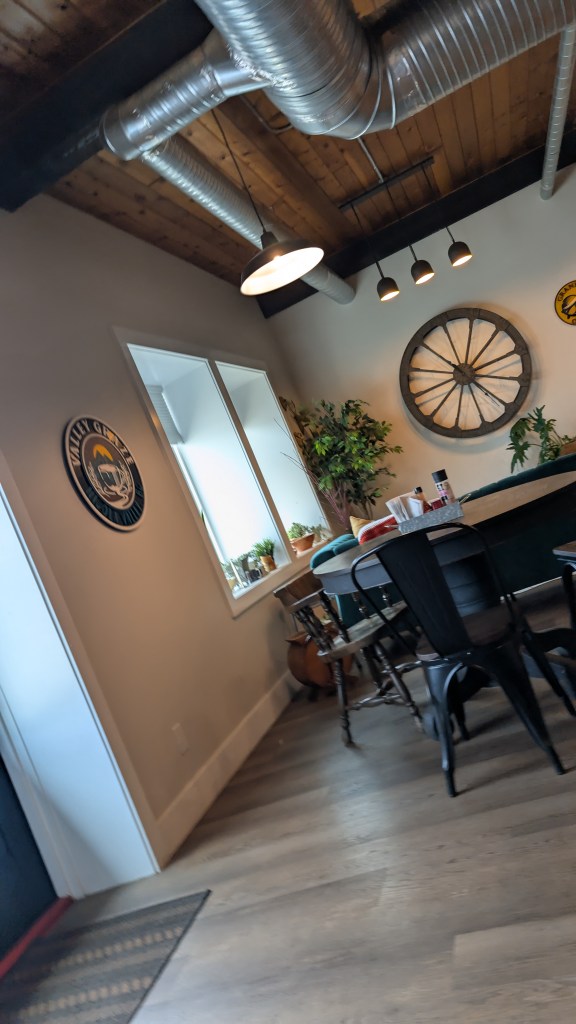
A nook at the local Graze Nicola avenue behind the realtor…
Valley Graze is a popular eatery located in Merritt, BC, offering a unique blend of farm-to-table cuisine. The restaurant prides itself on sourcing fresh, local ingredients, creating a menu that changes seasonally to highlight the best of the area’s produce. Guests can expect a warm, inviting atmosphere, perfect for enjoying a leisurely meal with family and friends. The menu features a variety of options, including hearty salads, gourmet sandwiches, and daily specials that reflect regional flavors. Whether you’re stopping by for brunch or dinner, Valley Graze aims to provide a memorable dining experience in the heart of the Nicola Valley.
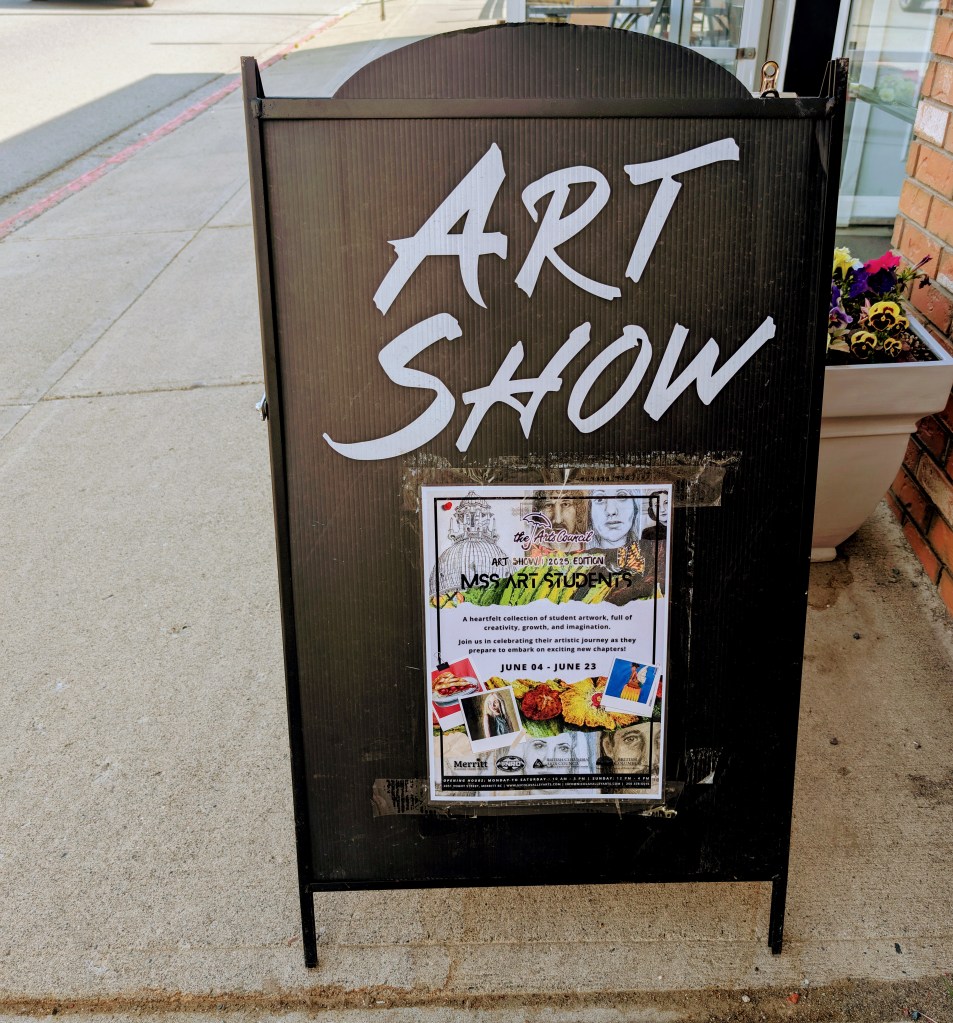
MSS Art Student Isabel Chemago.
Eyes are the window of the soul. One of the local high School art students presentation at the Nicola Valley community Arts Council gallery. The corner of Nicola Avenue and vote in Merritt BC. The show runs till the 23rd of June.

Support art and the artists and the students. Stop by the gallery this week…
Charm

I’m, what promise do you need?
Christian blasphemy is specific to the attribution of the good works of the holy Spirit to evil. Or in theater to the Devil Lucifer, Beelzebub, slew foot, The deceiver of Eve, The serpent, The Lord of the flies, death, hell, grave. Etc
Blasphemous libel
The Senate
They are so-called archaic + the repealing of the one before the federal Senate now has to do with blasphemous libel. Libel is something that is put in a permanent form, whether it be a statue or writing or perhaps a movie that is untrue and injurious. Libel is actionable for real damage in the civil Court. The disposition in most cases is on the injured to prove a loss.
Peace and good conduct for public spaces bylaws are usually fines or consification.
Never enough sanctions against untruth,
Beelzabub

So, the next time accusations or credit grabbing come up with your boss or mother inlaw you may be able to bypass their agency as duly appointed ministers of good and God and credit the above just see if it can be done early in the morning or later in the evening. Or in the park. First.
PP
On now until June 23 rd
Australia is a major player in the global beef market, known for its high-quality grass-fed and grain-fed beef. The Australian red meat and livestock industry is a significant contributor to the national economy.
Here’s a breakdown of Australian beef production and its global comparison:
Australian Beef Production:
* Significant Industry: The red meat and livestock industry in Australia had a turnover of A$81.7 billion in 2022–23 and employed approximately 418,921 people.
* Production Volume: In 2023, Australia produced around 2.2 million tonnes (carcase weight) of beef and veal. In the March 2025 quarter alone, beef production increased by 4.9% to 709,140 tonnes. Forecasts suggest a further increase in production for 2025, potentially reaching 2.62 million tonnes due to anticipated destocking.
* Grain-fed Cattle: In the 2024 financial year, 2.8 million grain-fed cattle were marketed, a 4% increase from FY 2023.
* Cattle Numbers: As of June 2022, Australia had 24.4 million head of cattle (including dairy cattle).
Global Comparison – Production, Imports, and Exports:
Production:
* Global Standing: While Australia is a significant beef producer, its production volume is relatively small globally, accounting for less than 5% of the world’s beef and buffalo meat supply.
* Top Producers (2024/2025 estimates):
* United States: Leading the world with an estimated 12.29 million metric tons annually (around 20% of global production).
* Brazil: Second largest, with an estimated 11.85 million metric tons (around 19% of global production).
* China: An estimated 7.79 million metric tons (around 13% of global production).
* European Union: Collectively, about 6.63 million metric tons (around 11% of global production).
* India: Approximately 4.57 million metric tons (primarily buffalo meat).
* Argentina: Approximately 3.18 million metric tons.
* Australia: Around 2.58 million metric tons (approximately 4% of global production).
Exports:
* Major Exporter: Australia is a dominant force in global beef trade, ranked as the second-largest beef exporter in the world in 2024. In 2023, Australia exported 67% of its total beef and veal production, with a value of A$11.3 billion.
* Export Volume (2024): Australian beef export volumes reached 1.6 million tonnes in 2024, a 20% increase from the previous year. The total value of Australian beef exports in 2024 was £7.9 billion (approximately A$15 billion).
* Key Export Markets for Australian Beef:
* United States: Has been Australia’s largest market for exported beef for most of the last 25 years, accounting for 30.7% of Australia’s beef exports in 2024 (up from 17% in 2022).
* Japan: A consistent major trade partner.
* China: While China has historically been a significant market, Australian beef exports to China have seen volatility due to changing import protocols. However, China remains an attractive market for premium Australian beef products.
* South Korea: Another key market.
* Indonesia: Important for Australian beef exports.
* Global Export Landscape (2025 estimates):
* Brazil: Projected to be the largest exporter (3.6 million MT CWE).
* Australia: Second largest exporter (1.9 million MT CWE).
* India: (1.645 million MT CWE, mainly buffalo meat).
* United States: (1.179 million MT CWE).
* Argentina: (860,000 MT CWE).
Imports:
* Australia as an Importer: Australia generally has minimal beef imports, relying on its strong local supply. Occasional imports from New Zealand occur, typically during New Zealand’s peak beef production cycles. Very small quantities of high-end Japanese Wagyu beef are air freighted to Australia for top restaurants.
* Major Global Beef Importers (based on value in 2024 for fresh whole beef):
* United States
* Italy
* Germany
* Netherlands
* Japan
* France
* Chile
* South Korea
* United Kingdom
* Mexico
Key Characteristics of Australian Beef Production:
* Traceability and Integrity: Australia boasts strong paddock-to-plate traceability and product integrity systems, which are key selling points for food safety and sustainability.
* Quality and Reputation: Australian beef is globally recognized for its high quality, whether grass-fed or grain-fed.
* Market Diversification: Following trade challenges with China, Australia has actively diversified its export markets, strengthening relationships with other major importers.
In summary, Australia is a relatively smaller global producer of beef but a massive exporter, leveraging its reputation for quality and robust supply chains to compete effectively in international markets.
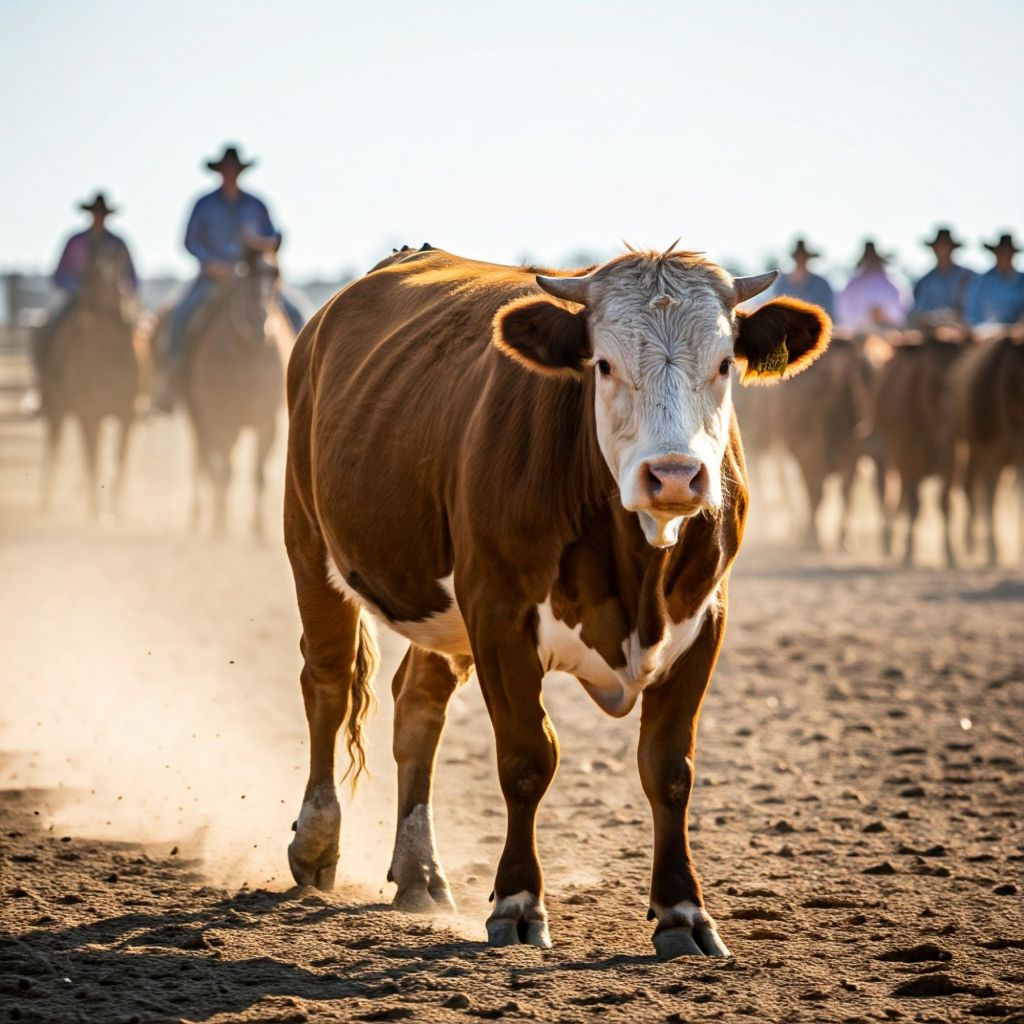
Free and fair trade is the normal default desirable position tariffs are often punitive and arbitrary.
Visitors to Merritt BC Canada were about this weekend and this guy challenged me to take his photo and then happily moved on.
May have been locally ported.
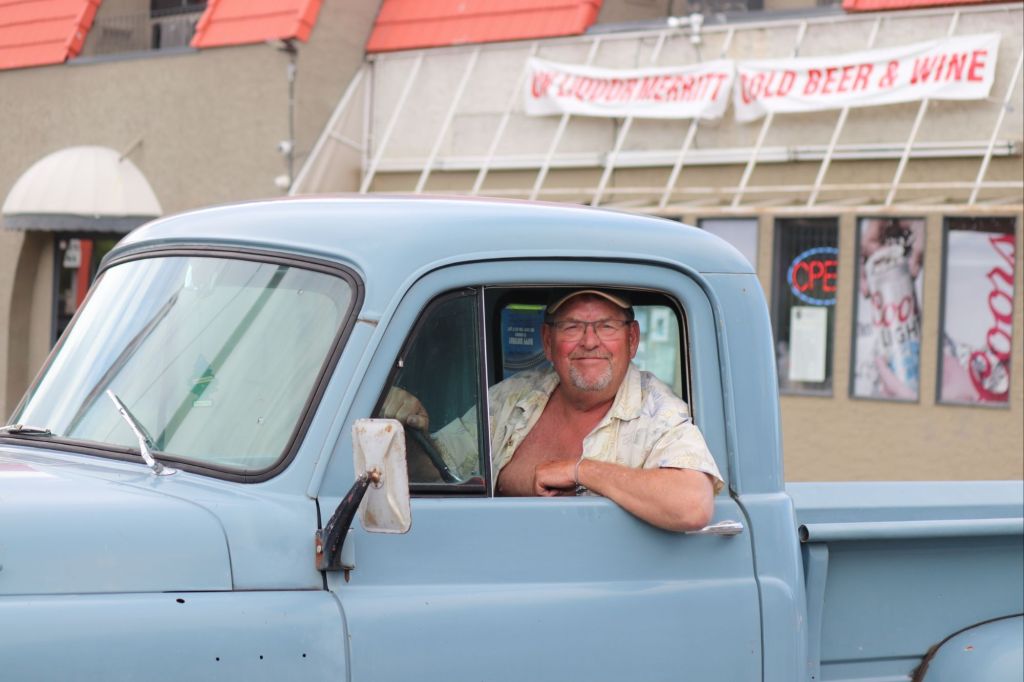
Not wanting to miss anything this guy posed,perfectly and purposefully in a truck we presume as his.



 Kevin Griffiths
 percypaschal
 The Proprietor Review