You are presumed to be honest and responsible without evidence to the contrary beyond a reasonable doubt… on the balance of probablilties you are justified by 51 % likelyhood.
The Bass Coast Festival is happening this weekend in Merritt, British Columbia, from July 11-14, 2025. Regarding proceeds and attendance: Attendance: Bass Coast Festival has capped its attendance at 6,500 people each year to maintain its community aspect and focus on the overall experience. This number includes artists, festival-goers, volunteers, and vendors. Proceeds: While specific overall proceeds for the 2025 festival aren’t publicly detailed, Bass Coast Festival is an independently owned and artist-run event. They have a strong commitment to community support, as evidenced by: * Donations to the Nicola Valley Food Bank: Bass Coast has an annual fundraising compilation called “12 Days,” where 100% of proceeds from album sales are donated to the Nicola Valley Food Bank in Merritt. They also top up the amount to reach a specific goal (e.g., $2500 CAD in one instance, and a $22,000 donation in another). * Donations to environmental organizations: Bass Coast has also donated Bandcamp proceeds to organizations like West Coast Environmental Law. * Economic Impact: The festival significantly contributes to Merritt’s economy, generating an estimated $4 million for the local area. Essentially, while the exact financial “proceeds” in terms of profit aren’t publicly disclosed, the festival is known for its community-focused approach and its positive economic impact on the host town, Merritt.
Canadian independence from the US, need and globalization has the agenda from ecology preservation – Suzuki.
New PM talking pipelines
Dr. Suzuki is concerned that the well-being of Canada’s been hijacked or is being hijacked and that the current government along with it has backed away from unnecessary emphasis on the environment.
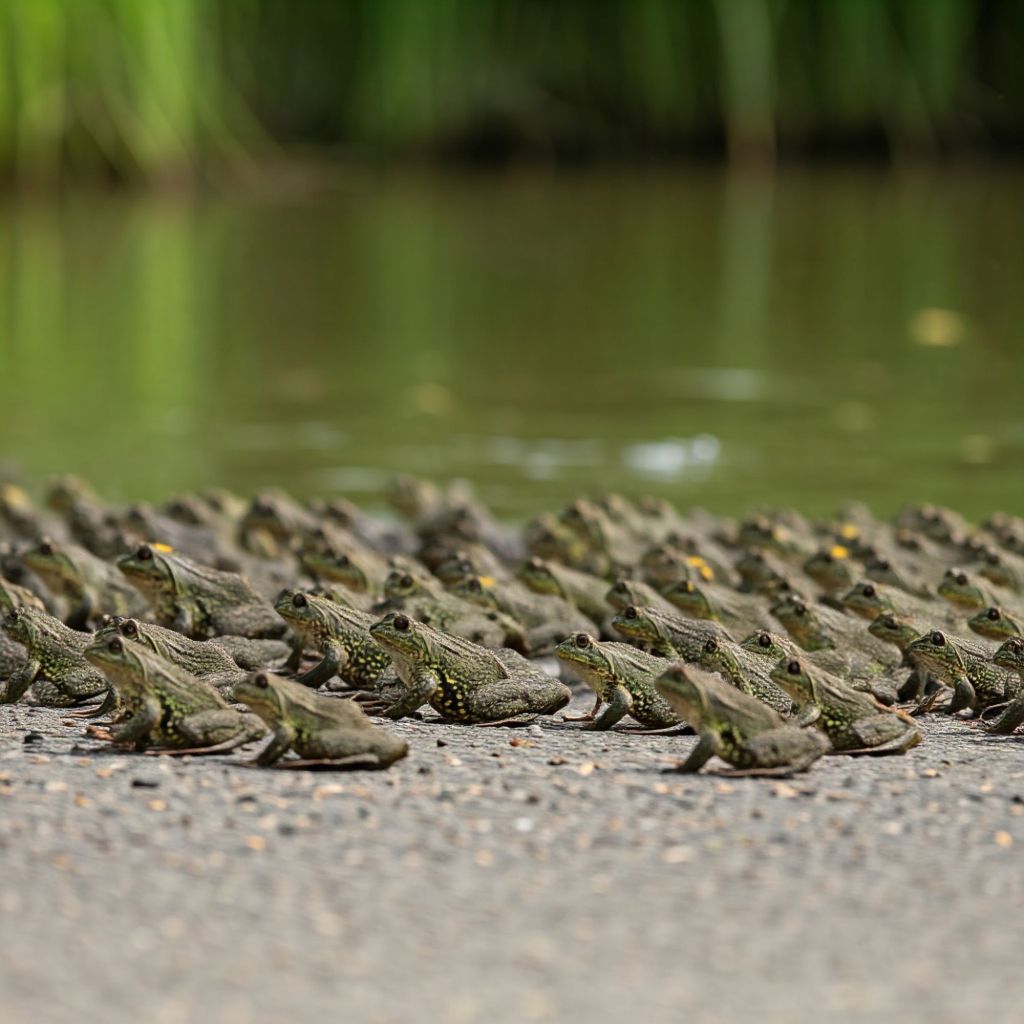
Extinction of creatures, two generations.
A human generation is generally considered to be about 20-30 years, with recent research suggesting an average of around 27-30 years. Therefore, “two human generations” would refer to a period of roughly 40-60 years. It’s incredibly difficult to give an exact number of creatures that have gone extinct in such a recent timeframe due to several factors: * Many species are undiscovered: Scientists estimate there are millions of species on Earth yet to be identified, especially in lesser-explored environments like deep oceans or rainforests. Many could go extinct before we even know they exist. * Difficulty in confirming extinction: It can take many years, even decades, of no confirmed sightings before a species is officially declared extinct. * Varying definitions of “creature” or “species”: This can include everything from insects and fungi to large mammals, and the data available often focuses on more well-known or charismatic species. However, scientific consensus indicates that we are currently in the midst of a sixth mass extinction event, driven primarily by human activities. The current extinction rate is estimated to be 1,000 to 10,000 times higher than the natural background rate. While precise numbers for the last 40-60 years are hard to pinpoint, some reports highlight the alarming trends: * Some estimates suggest that dozens to hundreds of species go extinct every day, though this often includes unconfirmed or localized extinctions. * The World Wildlife Fund’s Living Planet Index reported a 73% decline in the average size of global wildlife populations in just 50 years (between 1970 and 2020), which indicates widespread biodiversity loss even if not all species are officially declared extinct. * A 2019 UN report stated that around 1 million animal and plant species are now threatened with extinction, many within decades. It also noted that at least 680 vertebrate species had been driven to extinction since the 16th century. In summary, while a precise number is elusive, the scientific community overwhelmingly agrees that a significant and alarming number of creatures have gone extinct in the last two human generations, and the rate of extinction is accelerating due to human impact.
Farm gate pricing can be a crucial component for supporting a family in British Columbia or Canada, but it’s often not sufficient on its own. Here’s a breakdown of the factors involved: Farm Gate Pricing and Family Income: * Potential for Higher Returns: Selling directly to consumers (farm gate sales) generally allows farmers to capture a larger share of the retail price, as they cut out intermediaries like wholesalers and retailers. This can lead to better margins per unit of product. * Challenges to Viability: * Scale and Volume: To generate enough income to support a family, a farm needs to produce and sell a significant volume of products. This requires substantial labor, land, and capital investment. * Market Access and Demand: While direct sales offer better prices, farmers need consistent customer demand. This often means being located near population centers, investing in marketing, and building customer relationships. * Off-Farm Income: A significant number of small-scale family farms in Canada, including BC, rely on off-farm income to supplement their farm gate sales and cover living expenses. This indicates that farm income alone is often not enough. * Rising Costs: Farmers face increasing input costs (feed, fertilizer, fuel, equipment), high land values (especially in BC), and fluctuating market prices, which can squeeze profit margins even with direct sales. * Labor and Time Commitment: Operating a successful farm with direct sales requires a huge time commitment, including production, processing, marketing, and sales. This can be challenging to balance with family life and other employment. * Government Regulations: In BC, there are specific “Farmgate” and “Farmgate Plus” licenses for meat producers, allowing certain slaughter volumes for direct sales. This shows an attempt to support direct marketing, but there are still volume limits and other regulations to navigate. Economies of Scale and Small Farms/Cooperatives: * Traditional Economies of Scale: Historically, “economies of scale” in agriculture have favored large farms that can produce massive quantities at lower per-unit costs due to specialized machinery, bulk purchasing, and efficient distribution networks. This often puts small farms at a disadvantage. * How Small Farms Can Achieve “Economies of Scope” or “Network Economies”: While true “economies of scale” (simply growing bigger to reduce per-unit costs) might be harder for individual small farms, they can achieve similar benefits through different strategies: * Diversification (Economies of Scope): Small farms often diversify their crops and products. This allows them to spread risk, utilize resources more efficiently, and cater to diverse market demands, effectively creating multiple revenue streams from a similar asset base. * Direct Marketing: Selling directly to consumers at farmers’ markets, farm stands, CSAs (Community Supported Agriculture), or online platforms helps small farms capture more of the retail dollar, effectively increasing their “scale” of profitability per unit. * Value-Added Products: Processing raw agricultural products into higher-value goods (e.g., making jams from fruit, baked goods from grains, or prepared meals) can significantly boost revenue. * Cooperatives and Economies of Scale: This is where cooperatives truly shine for small family farms. Cooperatives allow individual farms to achieve many of the benefits of larger-scale operations by: * Bulk Purchasing: Buying inputs like seeds, fertilizers, and equipment collectively at discounted rates. * Shared Equipment: Investing in expensive machinery that individual farms couldn’t afford on their own. * Collective Marketing and Distribution: Pooling products to access larger markets, negotiate better prices, and streamline logistics (e.g., shared transportation, centralized storage facilities). * Processing and Value-Adding: Establishing shared processing facilities to create value-added products that individual farms might not have the capacity for. * Risk Management: Sharing risks associated with crop failure or market fluctuations. * Knowledge Sharing: Members can share expertise and best practices, leading to improved efficiency and productivity. * Access to Financing: Cooperatives may have better access to loans and grants than individual small farms. * Increased Bargaining Power: Cooperatives give small farmers a stronger voice in the marketplace and with suppliers. In Conclusion: While farm gate pricing offers potential for higher returns, it’s often not enough on its own to support a family in British Columbia or Canada given the high costs and challenges of farming. However, when combined with strategies that mimic economies of scale, particularly through cooperatives and diversified direct marketing, small family farms have a much better chance of achieving economic viability and supporting a family. Cooperatives, in particular, empower small farms to collectively leverage resources and market power, providing a pathway to sustainable livelihoods in agriculture.
“Sach In Motion” is a cross-Canada ultra-marathon run for mental health awareness. It’s an incredible initiative led by Sachin Latti, a former Canadian Border Services Agency Officer who has personally struggled with mental health challenges. Here’s a breakdown of what “Sach In Motion” entails: * The Mission: To raise awareness and funds for mental health support, particularly for Veterans, First Responders, and Emergency Personnel, as well as youth and men. * The Challenge: Sachin Latti is running approximately 60-100 kilometers a day, aiming to cover around 7,500 kilometers across Canada over an anticipated 75-80 days. He aims to raise $1 million for various Canadian mental health charities. * Community Engagement: Unlike a typical speed record attempt, “Sach In Motion” focuses on connection. Sachin runs into communities, slowing down to meet people, share stories, and create space for conversations around mental health. * Inspiration: Sachin’s journey is one of trauma, recovery, and transformation. He hopes to inspire others to address their own mental health and break down the stigmas surrounding it. * Impact: The funds raised support organizations like the Canadian Men’s Health Foundation, Together We Can, Their Opportunity, Wounded Warriors Canada, and Jack.org. If you’re interested in following his journey or supporting the cause, you can: * Follow “Sach In Motion” on social media (e.g., @sach.in.motion on Instagram). * Visit the official “Sach In Motion” website (sachinmotion.ca) for more information and donation opportunities. * If he’s running through your community, you can show up to encourage him or even run alongside him for a portion of the journey. This initiative truly embodies the spirit of using physical endurance to inspire mental resilience and create positive social change.
Here’s something that might spark your inspiration: Consider Alice Augusta Ball, a brilliant African American chemist in the early 20th century. Despite facing both racial and gender barriers, she developed the “Ball Method,” a groundbreaking and remarkably effective treatment for leprosy. This method was the most successful treatment for decades. Tragically, she died young at the age of 24, and her revolutionary work was almost lost to history when another chemist attempted to take credit for it. It took years for her contributions to be rightfully acknowledged. Alice Ball’s story is a powerful reminder that profound impact can come from anyone, regardless of the obstacles they face. Her dedication to science and her determination to find a solution for a devastating disease, even in the face of significant adversity, is truly inspiring. It highlights the importance of perseverance, the potential for groundbreaking discoveries, and the ongoing need to recognize and celebrate the contributions of those who have been historically marginalized.
When they come for you it will be through nature and its values.
The Well-Being of the environment and active ingredients, including flora and fauna have been a regular exercise in love by some locals in the Nicola Valley and beyond.







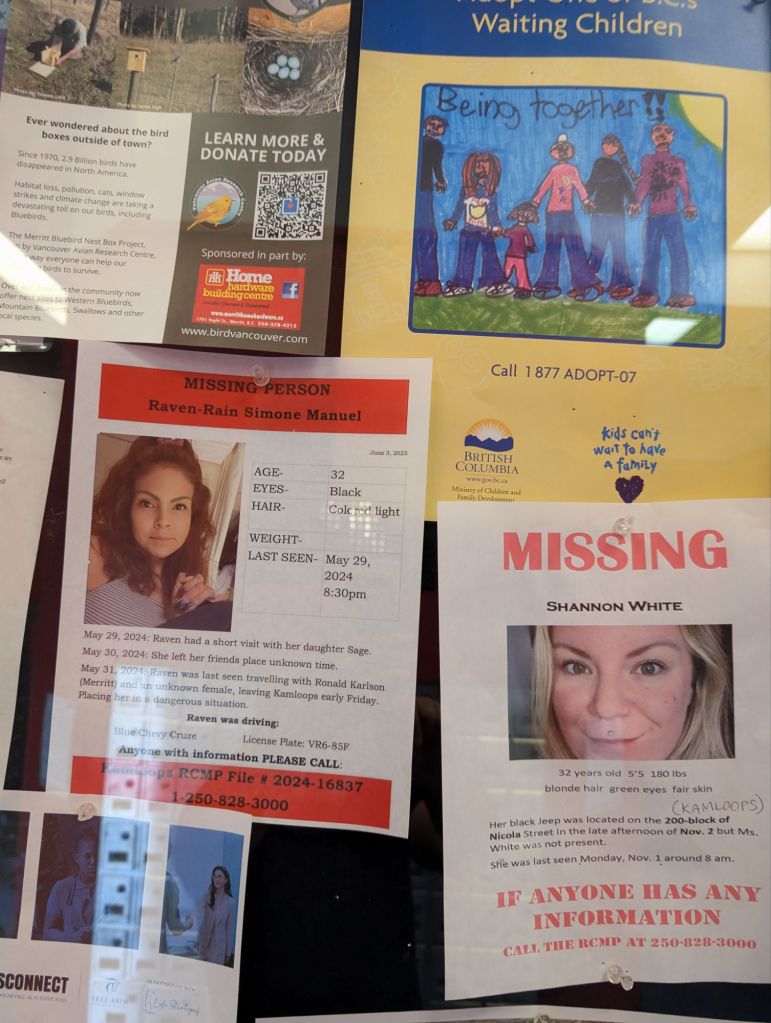
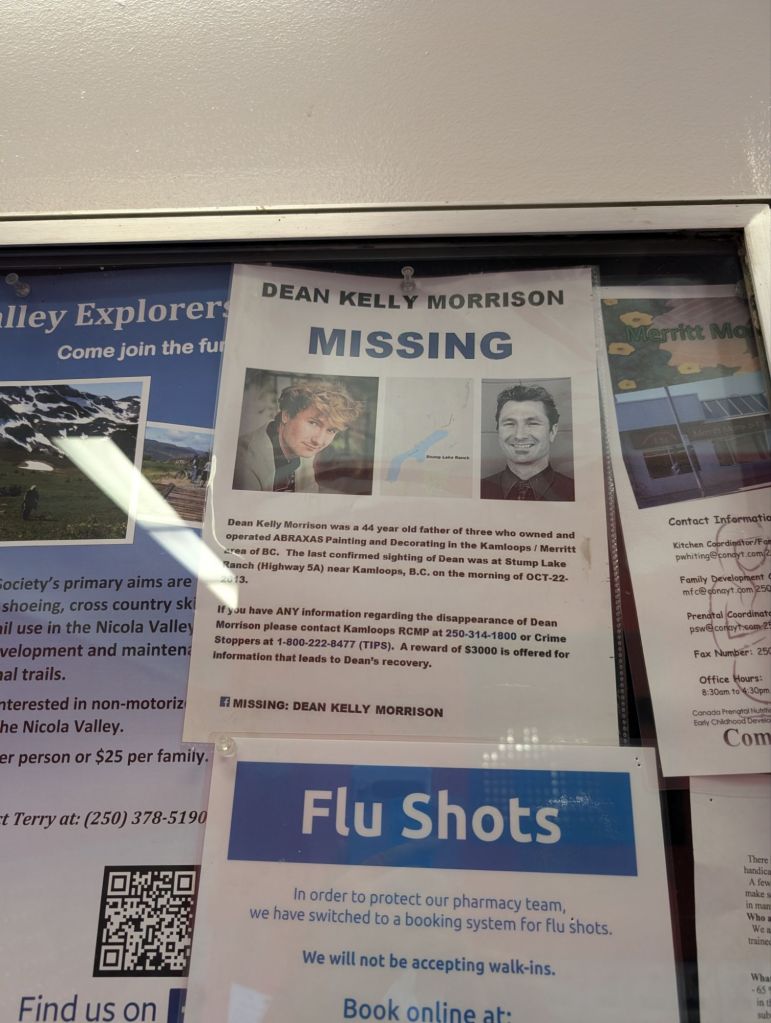
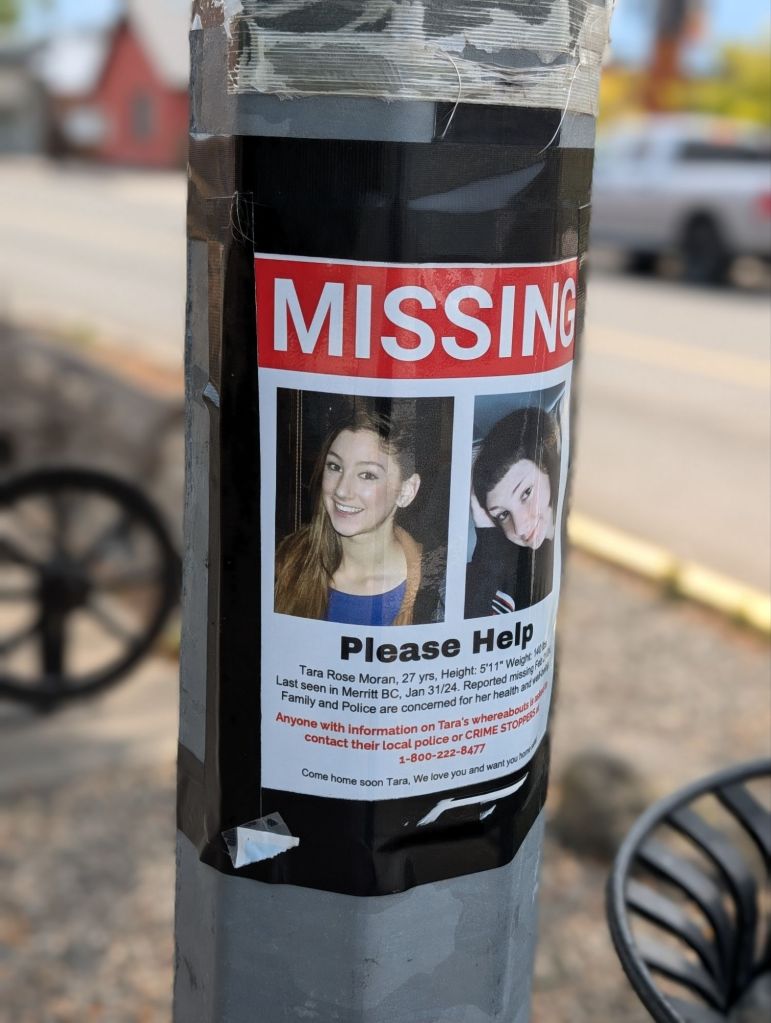






 Kevin Griffiths
 percypaschal
 The Proprietor Review