Going forward
Cibc in a report has indicated that Canadians are optimistic even though there’s adversity out there and at least 68% of them have made progress towards their goals in the last year.


To the seasons of life

Cibc in a report has indicated that Canadians are optimistic even though there’s adversity out there and at least 68% of them have made progress towards their goals in the last year.

Good luck…
Australia is a major player in the global beef market, known for its high-quality grass-fed and grain-fed beef. The Australian red meat and livestock industry is a significant contributor to the national economy.
Here’s a breakdown of Australian beef production and its global comparison:
Australian Beef Production:
* Significant Industry: The red meat and livestock industry in Australia had a turnover of A$81.7 billion in 2022–23 and employed approximately 418,921 people.
* Production Volume: In 2023, Australia produced around 2.2 million tonnes (carcase weight) of beef and veal. In the March 2025 quarter alone, beef production increased by 4.9% to 709,140 tonnes. Forecasts suggest a further increase in production for 2025, potentially reaching 2.62 million tonnes due to anticipated destocking.
* Grain-fed Cattle: In the 2024 financial year, 2.8 million grain-fed cattle were marketed, a 4% increase from FY 2023.
* Cattle Numbers: As of June 2022, Australia had 24.4 million head of cattle (including dairy cattle).
Global Comparison – Production, Imports, and Exports:
Production:
* Global Standing: While Australia is a significant beef producer, its production volume is relatively small globally, accounting for less than 5% of the world’s beef and buffalo meat supply.
* Top Producers (2024/2025 estimates):
* United States: Leading the world with an estimated 12.29 million metric tons annually (around 20% of global production).
* Brazil: Second largest, with an estimated 11.85 million metric tons (around 19% of global production).
* China: An estimated 7.79 million metric tons (around 13% of global production).
* European Union: Collectively, about 6.63 million metric tons (around 11% of global production).
* India: Approximately 4.57 million metric tons (primarily buffalo meat).
* Argentina: Approximately 3.18 million metric tons.
* Australia: Around 2.58 million metric tons (approximately 4% of global production).
Exports:
* Major Exporter: Australia is a dominant force in global beef trade, ranked as the second-largest beef exporter in the world in 2024. In 2023, Australia exported 67% of its total beef and veal production, with a value of A$11.3 billion.
* Export Volume (2024): Australian beef export volumes reached 1.6 million tonnes in 2024, a 20% increase from the previous year. The total value of Australian beef exports in 2024 was £7.9 billion (approximately A$15 billion).
* Key Export Markets for Australian Beef:
* United States: Has been Australia’s largest market for exported beef for most of the last 25 years, accounting for 30.7% of Australia’s beef exports in 2024 (up from 17% in 2022).
* Japan: A consistent major trade partner.
* China: While China has historically been a significant market, Australian beef exports to China have seen volatility due to changing import protocols. However, China remains an attractive market for premium Australian beef products.
* South Korea: Another key market.
* Indonesia: Important for Australian beef exports.
* Global Export Landscape (2025 estimates):
* Brazil: Projected to be the largest exporter (3.6 million MT CWE).
* Australia: Second largest exporter (1.9 million MT CWE).
* India: (1.645 million MT CWE, mainly buffalo meat).
* United States: (1.179 million MT CWE).
* Argentina: (860,000 MT CWE).
Imports:
* Australia as an Importer: Australia generally has minimal beef imports, relying on its strong local supply. Occasional imports from New Zealand occur, typically during New Zealand’s peak beef production cycles. Very small quantities of high-end Japanese Wagyu beef are air freighted to Australia for top restaurants.
* Major Global Beef Importers (based on value in 2024 for fresh whole beef):
* United States
* Italy
* Germany
* Netherlands
* Japan
* France
* Chile
* South Korea
* United Kingdom
* Mexico
Key Characteristics of Australian Beef Production:
* Traceability and Integrity: Australia boasts strong paddock-to-plate traceability and product integrity systems, which are key selling points for food safety and sustainability.
* Quality and Reputation: Australian beef is globally recognized for its high quality, whether grass-fed or grain-fed.
* Market Diversification: Following trade challenges with China, Australia has actively diversified its export markets, strengthening relationships with other major importers.
In summary, Australia is a relatively smaller global producer of beef but a massive exporter, leveraging its reputation for quality and robust supply chains to compete effectively in international markets.
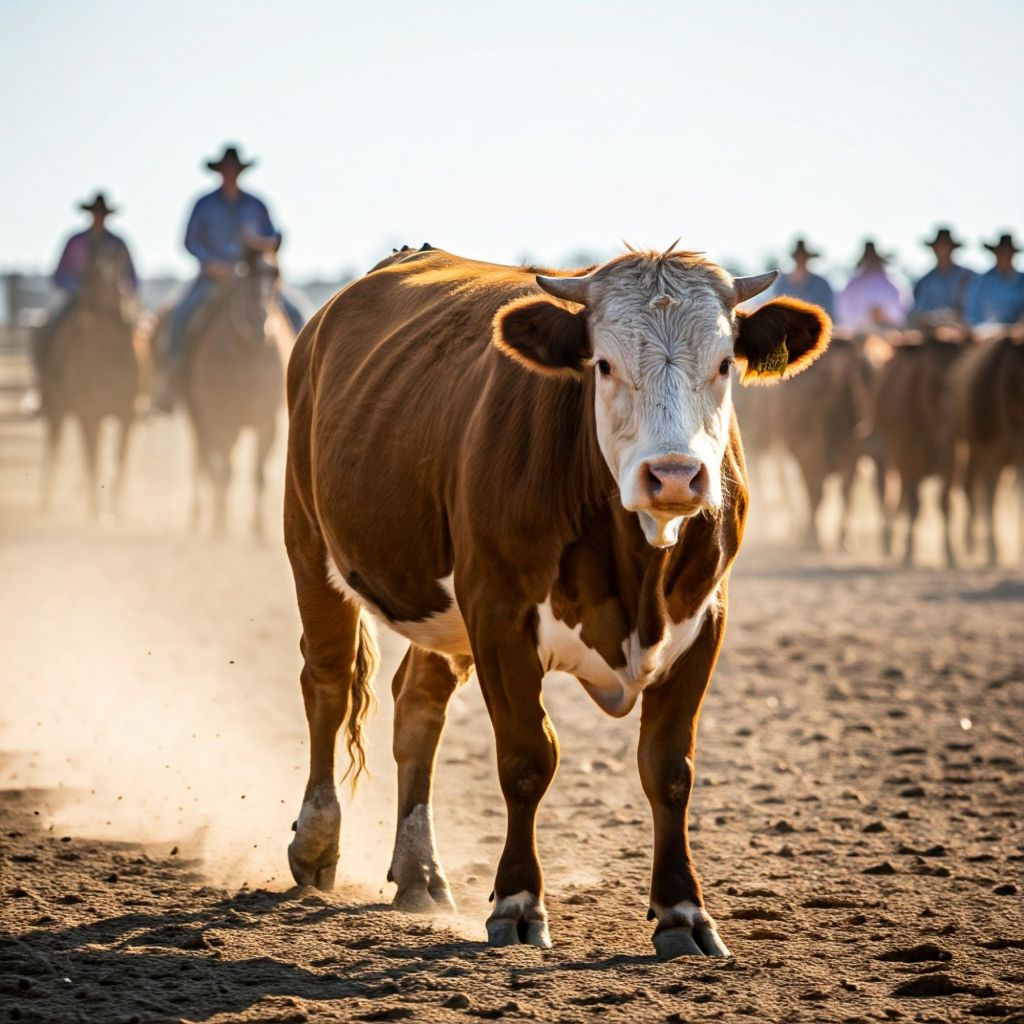
Free and fair trade is the normal default desirable position tariffs are often punitive and arbitrary.
Former Member of parliament

https://g.co/gemini/share/dcf755e3f3cf
Condolences to all who knew him and to his family, friends and colleagues.
Productive life came to a graceful end at 76 years.
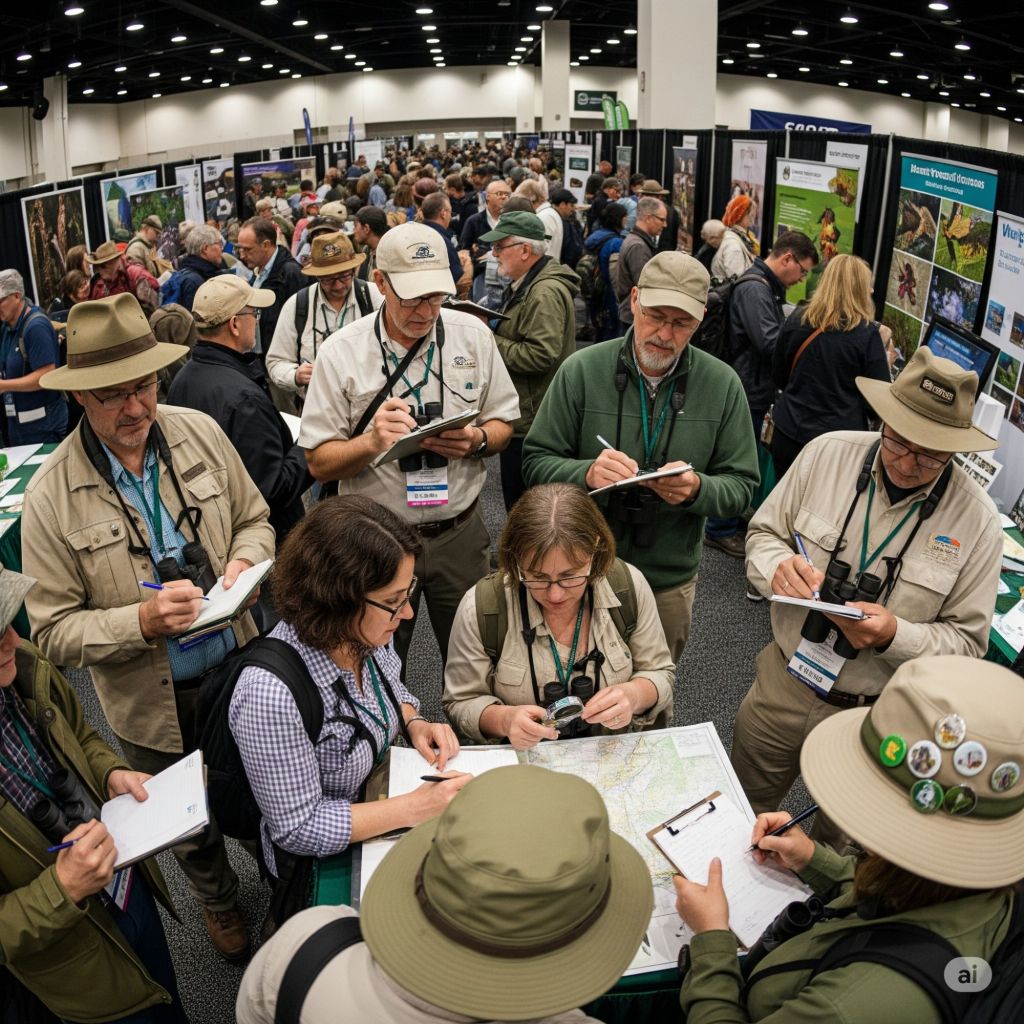
The provincial organization BC Nature is a nonprofit and consists of local member naturalist groups. The host is the Nicola Naturalist Society Incorporated and it’s Volunteer members are putting it on at the local facilities as well as incorporating field activities for viewing local flora and fauna.
The registration desk is open Thursday at 1:pm at the Merritt Civic center.
Venue
Civic center Mamette Ave
The Merritt Civic Centre is located at 1950 Mamette Ave, Merritt, BC V1K 1B8, Canada. You can contact them by phone at +1 250-315-1050.
Here’s some additional information:
* Rating: 4.1
* Hours:
* Monday: 8:30 AM-4:30 PM
* Tuesday: 8:30 AM-4:30 PM
* Wednesday: 8:30 AM-4:30 PM
* Thursday: 8:30 AM-4:30 PM
* Friday: 8:30 AM-4:30 PM
* Saturday: Closed
* Sunday: Closed
* Accessibility: The facility has wheelchair accessible entrance and parking.
* Summary: Friendly and knowledgeable staff at this well-maintained facility helped a Lytton fire survivor and a Vancouver Island resident.
Would you like to know more about other facilities in Merritt?
An effort deserving of support.

Queen Victoria is short for Victorious, is and is a translation of the name Boudicca from the Early on 1st millennium common era when Boudicca attempted to drive the Romans from Britain.
Home rule + pax Britannia was accomplished in the first half of the 19th century when Boudicca’s namesake accomplished it, noted as a Golden age for humanity cuz relative peace was in place.
Peace was relative particularly because the US civil war raged.
So, to give Peace a try, we won’t publish Sunday and Monday as You observe any relativity that makes you happy.
💪🌹🍰👍🐸🎂😔✨👀📜🤔🍖🪭💋💋💋💋💋💋💋💋💋💋💋💋💋💋💋💋

We think that tonight’s election results depended a lot on the demonstration of the democratic principle of “responsiveness of government”
It is our hope at the proprietor review that this continues whether it’s a majority or minority government situation. Parliament remains responsive to the people. No matter how this mandate goes.
https://weather.gc.ca/en/location/index.html?coords=50.111,-120.790
The 44th Parliament of Canada was convened on November 22, 2021, following the federal election held on September 20, 2021. The election determined the 338 seats in the House of Commons. Therefore, at the beginning of the 44th Parliament, there were 338 seats in the House of Commons.Here’s a bit more information about the 44th Parliament: * Duration: November 22, 2021 – March 23, 2025. * It was a minority parliament, meaning no single party held a majority of the seats. * Prime Minister: Justin Trudeau (Liberal Party) until March 14, 2025, followed by Mark Carney (Liberal Party). * Government: Liberal Party. * Leaders of the Opposition: * Erin O’Toole (Conservative Party) until February 2, 2022. * Candice Bergen (Conservative Party, interim) until September 10, 2022. * Pierre Poilievre (Conservative Party) from September 10, 2022. * Other Recognized Parties in the House of Commons: Bloc Québécois, New Democratic Party (NDP), and Green Party. * Speaker of the House of Commons: * Anthony Rota until September 27, 2023. * Louis Plamondon (interim) from September 27, 2023, to October 3, 2023. * Greg Fergus from October 3, 2023.The distribution of seats in the House of Commons at the start of the 44th Parliament was as follows: * Liberal Party: 160 * Conservative Party: 119 * Bloc Québécois: 32 * New Democratic Party: 25 * Green Party: 2Over the course of the 44th Parliament, there were some changes in the number of seats held by each party due to resignations, by-elections, and members becoming independent. However, the total number of seats in the House of Commons remained 338. The 44th Parliament was dissolved on March 23, 2025, leading to the general election held on April 28, 2025. The results of this election will determine the composition of the upcoming 45th Parliament.
Today the first advance polling begins in the Canadian election. The Federal government is seeking a 45th Parliament since confederation . The head of the executive Mark Carney is also seeking a seat,and a mandate to government for four years.
Canadian Parliament
The federal parliament in Canada is the supreme legislative body responsible for making and passing laws at the national level. It consists of two houses: the House of Commons, which is made up of Members of Parliament (MPs) elected by the public in general elections, and the Senate, which comprises Senators appointed by the Governor General on the advice of the Prime Minister. The Parliament meets in Ottawa and plays a crucial role in discussing national issues, formulating policies, and overseeing the government’s actions. Legislation must be approved by both houses before becoming law, ensuring a system of checks and balances within the federal governance structure. The Parliament also represents the interests of Canadians and provides a platform for debate on important matters affecting the country.
Mail in ballots
Mail in ballots deadline for arrangement is the twenty second, must be mailed to arrive in time for counting… Ballots available at Service Canada as well
Good voting, respect people’s privacy.

One of two absolutes

April 30th 2025 is the last day for filing 2024 taxes in general, so let’s just check the calendar to make sure it doesn’t wind up on the weekend and you’ve got a couple more days we have to look.
👀 NO
Taxes are due on April 30th, self employment taxes June 15th.

Most jurisdictions in Canada have been lifting the carbon tax off the consumer price of gasoline. Along with that, the carbon credit may be on its way out. Hard to say when everything fits together but it seems to be the moniker that is driving it.
Well, if people feel empowered by it, It’s probably the right thing to do.
So, We wonder where the next excise taxes will be stuck into, some consumer things somewhere. I wonder if it’ll be cars or are they going to be relying on tariffs?
Don’t bring your tariffs to town. Billy boy Billy boy.
Taxidermied? skinned, cleaned, hung out to dry.
CBC up to the roll
Were you there?
Published facts by the government of Canada.
Well facts are factual unless they need interpretation like some of these…
The premier of Alberta has doubled her bacon consumption + has her eye on beef. In the sense that made in Canada a solution to sales can be achieved, so bacon up.
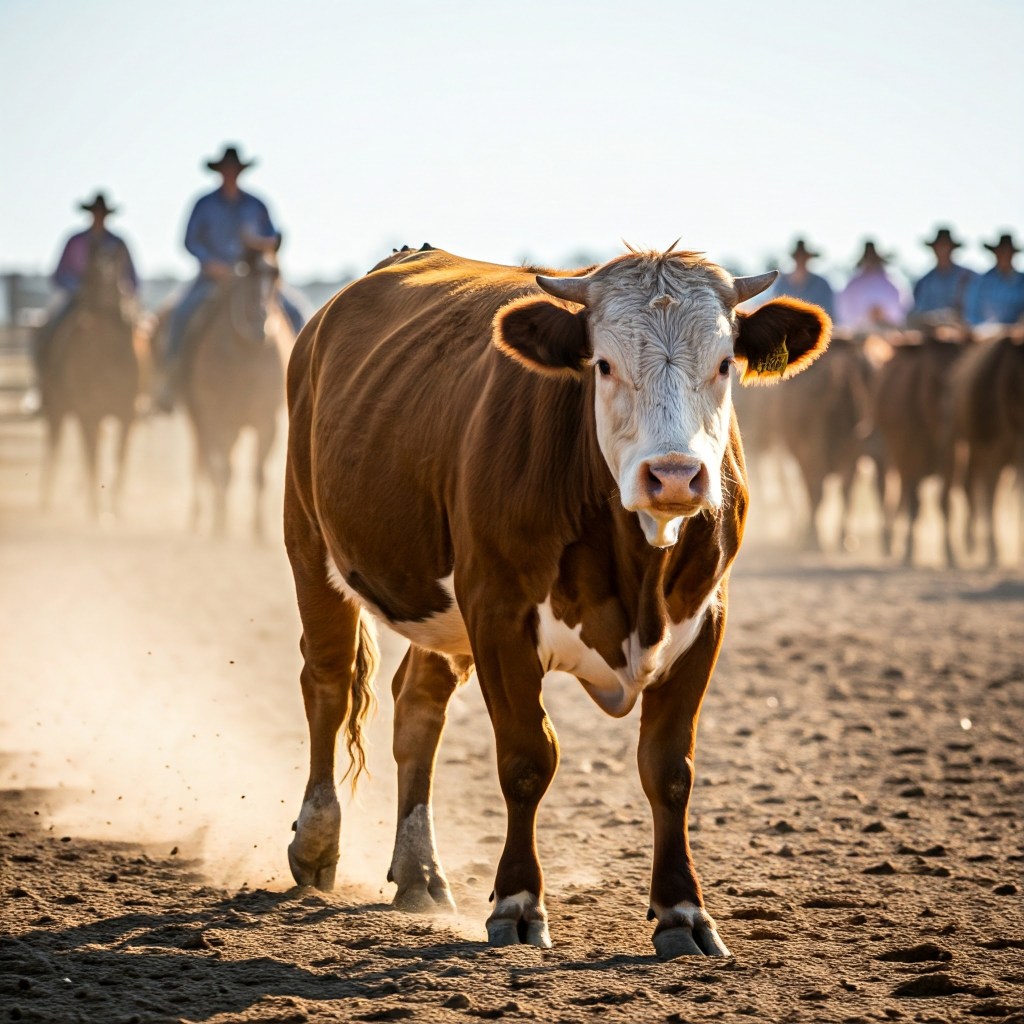
Good Luck
Farms and Rancheswith Beef Cattle2021 Census of Agricuiture11,1millionTotal Cattle and CalvesDary 1, 20242.1% fromJanuary 1, 2023(includes 1.4 million dairy cattle)Statistics Canada3.46millionBeef CowsJanuary1, 2024Down 2.4% fromJanuary 1, 2023Statistics CanadaQuebec 40Atlantic 2020 40 60#of Head (May 11, 2021)2021 Census of AgicultureBeef Cows by ProvinceJanuary 1,2024Statistics Canade: inventory x 1000 headPercentages may not add to 100% due to rounding5% 45%28% 11%1831.556 L 6% 1980 381 215117Average Cost of Production vs.Average Returns on anAlberta 550 Ib Calf*Price S/cwt EST. Total Costs per cwt3.1262.1161.1.690 92 94 96 98 00 02 04 06 08 10 12 14 16 18 20 22Canfax Research Services23% of farms havebetween 47 and 122 cows.with 956,118 beef cows, 26%of the herd.15% of farms have1% of the farms between 123 and 499 cows.have 13% of the with 1.21 million beef cows,45% of the herd.beef cows, between 2021 Census of Agriculture500 and 2,499 on Results rounded to nearesteach farm. whole numberCanada fed 3.1 million cattle in2023 (finished to market weight)down 4.4% from 2022.Canfax, Statistics Canada, AAFCWestern Canada finishes 79%of all fed cattle in Canada. canfaxIn 2023, Canadaproduced 3.44bilion pounosnof beef,offals), down 4.6% 3.44from 2022. BillionCanfax Research Services PoundsCattle and calf cash receiptsin 2023 totaled $15.0 billion,up 26% from 2022. statistics CanadaBeef production contributed$29 billion to Canada’s GDP(2021-2023 average).Canfax Research ServicesWHERE CANADA TRADESBeef Exports – 20231.1 billion pounds (499 million kg)75.2% United States2.9% South Korea9.1% Japan6.5% Mexico3.4% Other3.0% Southeast AsiaBeef Imports – 2023411 million pounds (187 milion kg)53.0% United States9.7% New Zealand6.4% Uruguay10.9% Australia6.2% Mexico13.8% otherStatistics CanadaIn 2023, Canada exported 51% of totalbeef and cattle produced in Canada.Statistics Canada, Canfax, AAFCIn 2023, 45% of Canadian productionwas exported (excluding slaughter cattle).Statistics Canada, Canfax, AAFCCanadian beef exports were valued at$5.02 billion in 2023, up 7.4% from$4.68 billion in 2022.Statistics CanadaCANADIAN BEEF What are wecONSUMPTION really eating?35.8 Ibs(16.2 kg)per person yearlyDown 7.2% versus last year.1 metric tonne = 2,204.6 lbs.Statistics Canada, Retail weight, 2023WHERE CANADA FITSTop 10 Beef Producing Nations – 2024fUnited States 19.72%Brazil 18.57%China 12.769%EU 10.65%India 7.57%Argentina a 5.20%Australia Canada 3.97%has 1.2% of theMexico world’s 942 million, 3.75%cattle.Russia 2.29%Canada 2.16%59% 10% 15% 20% 25%Canada produces 2% of the world’s beef supply. Worldwide beefproduction is forecast to be 60.4 million metric tonnes in 2024.USDATop 10 Beef Exporting Nations- 2024fAPvoorts)(excludes live slaughterBrazil 23.75%India 13.82%United States 12.97%Australia 10.31%Argentina 7.46%New Zealand 5.59%EU 4.86%Canada 4.54%Uruguay 3.85%Paraguay 3.65%5% 10% 15% 20% 25%Total world exports in 2024 are forecast to be 12.3 million metric tonnesand Canada is projected to be the 8th largest beef exporter in the world(excluding live slaughter exports).USDACanadian Beef ConsumptionDomestic Imports1.2001.00080060040020002 04 06 08 10 12 14 16 18Canadians consumed 924,283 metric tonnes of beef in 2023.Statistics Canada
Farms and Rancheswith Beef Cattle2021 Census of Agricuiture11,1millionTotal Cattle and CalvesDary 1, 20242.1% fromJanuary 1, 2023(includes 1.4 million dairy cattle)Statistics Canada3.46millionBeef CowsJanuary1, 2024Down 2.4% fromJanuary 1, 2023Statistics CanadaQuebec 40Atlantic 2020 40 60#of Head (May 11, 2021)2021 Census of AgicultureBeef Cows by ProvinceJanuary 1,2024Statistics Canade: inventory x 1000 headPercentages may not add to 100% due to rounding5% 45%28% 11%1831.556 L 6% 1980 381 215117Average Cost of Production vs.Average Returns on anAlberta 550 Ib Calf*Price S/cwt EST. Total Costs per cwt3.1262.1161.1.690 92 94 96 98 00 02 04 06 08 10 12 14 16 18 20 22Canfax Research Services23% of farms havebetween 47 and 122 cows.with 956,118 beef cows, 26%of the herd.15% of farms have1% of the farms between 123 and 499 cows.have 13% of the with 1.21 million beef cows,45% of the herd.beef cows, between 2021 Census of Agriculture500 and 2,499 on Results rounded to nearesteach farm. whole numberCanada fed 3.1 million cattle in2023 (finished to market weight)down 4.4% from 2022.Canfax, Statistics Canada, AAFCWestern Canada finishes 79%of all fed cattle in Canada. canfaxIn 2023, Canadaproduced 3.44bilion pounosnof beef,offals), down 4.6% 3.44from 2022. BillionCanfax Research Services PoundsCattle and calf cash receiptsin 2023 totaled $15.0 billion,up 26% from 2022. statistics CanadaBeef production contributed$29 billion to Canada’s GDP(2021-2023 average).Canfax Research ServicesWHERE CANADA TRADESBeef Exports – 20231.1 billion pounds (499 million kg)75.2% United States2.9% South Korea9.1% Japan6.5% Mexico3.4% Other3.0% Southeast AsiaBeef Imports – 2023411 million pounds (187 milion kg)53.0% United States9.7% New Zealand6.4% Uruguay10.9% Australia6.2% Mexico13.8% otherStatistics CanadaIn 2023, Canada exported 51% of totalbeef and cattle produced in Canada.Statistics Canada, Canfax, AAFCIn 2023, 45% of Canadian productionwas exported (excluding slaughter cattle).Statistics Canada, Canfax, AAFCCanadian beef exports were valued at$5.02 billion in 2023, up 7.4% from$4.68 billion in 2022.Statistics CanadaCANADIAN BEEF What are wecONSUMPTION really eating?35.8 Ibs(16.2 kg)per person yearlyDown 7.2% versus last year.1 metric tonne = 2,204.6 lbs.Statistics Canada, Retail weight, 2023WHERE CANADA FITSTop 10 Beef Producing Nations – 2024fUnited States 19.72%Brazil 18.57%China 12.769%EU 10.65%India 7.57%Argentina a 5.20%Australia Canada 3.97%has 1.2% of theMexico world’s 942 million, 3.75%cattle.Russia 2.29%Canada 2.16%59% 10% 15% 20% 25%Canada produces 2% of the world’s beef supply. Worldwide beefproduction is forecast to be 60.4 million metric tonnes in 2024.USDATop 10 Beef Exporting Nations- 2024fAPvoorts)(excludes live slaughterBrazil 23.75%India 13.82%United States 12.97%Australia 10.31%Argentina 7.46%New Zealand 5.59%EU 4.86%Canada 4.54%Uruguay 3.85%Paraguay 3.65%5% 10% 15% 20% 25%Total world exports in 2024 are forecast to be 12.3 million metric tonnesand Canada is projected to be the 8th largest beef exporter in the world(excluding live slaughter exports).USDACanadian Beef ConsumptionDomestic Imports1.2001.00080060040020002 04 06 08 10 12 14 16 18Canadians consumed 924,283 metric tonnes of beef in 2023.Statistics Canada

Hey Merit what do you say?


 Kevin Griffiths
 percypaschal
 The Proprietor Review