You are presumed to be honest and responsible without evidence to the contrary beyond a reasonable doubt… on the balance of probablilties you are justified by 51 % likelyhood.
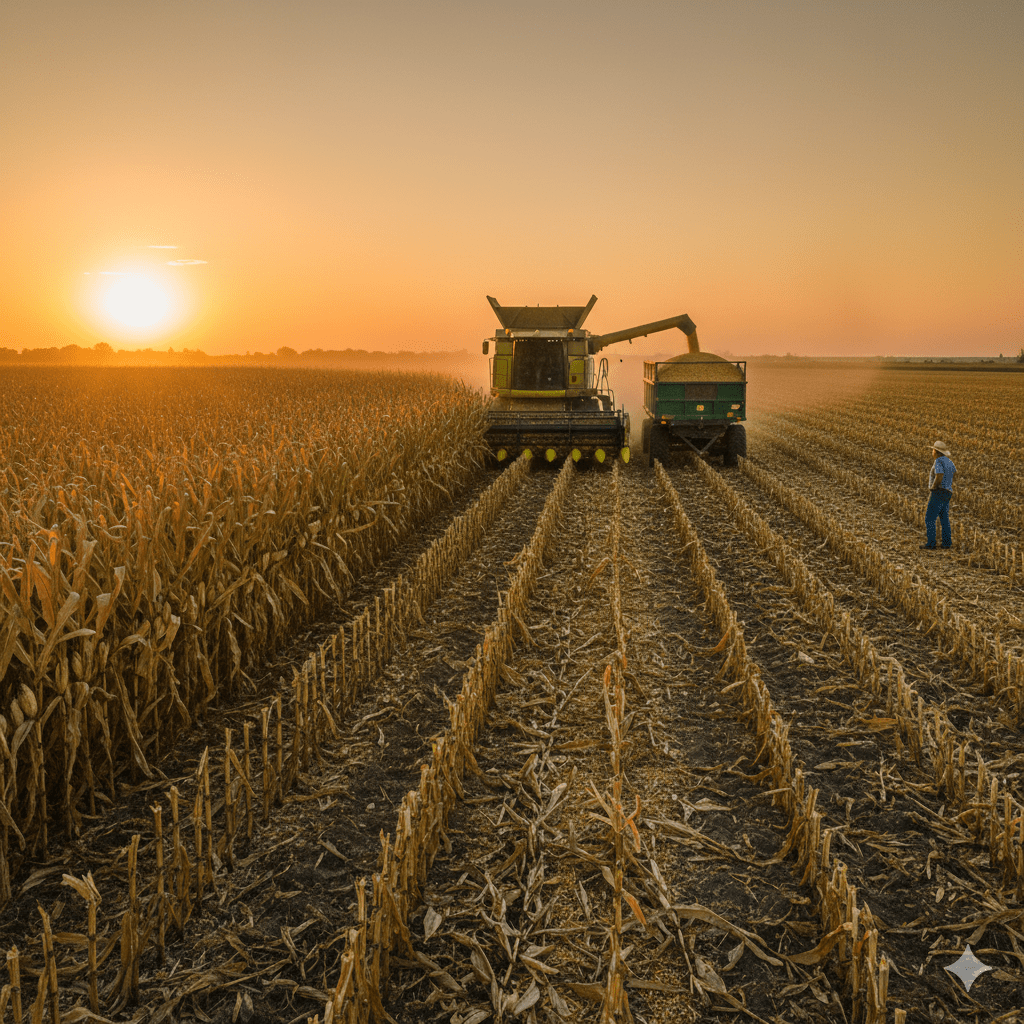
As of early September, the corn crop in British Columbia is likely in the later stages of its development, with the harvest season either beginning or imminent, depending on the specific location within the province. While nationwide reports from Statistics Canada indicate that Canadian producers intended to plant more corn acres in 2025, and that overall production for Canada is projected to increase, there are no specific, recent reports available that detail the current condition of the corn crop specifically within British Columbia. However, general information from the British Columbia government provides guidance on corn production in the province, and other Canadian agricultural reports point to a general trend of increased corn planting for 2025. It is important to note that growing conditions can vary significantly by region, so the state of the crop could differ between, for example, the Fraser Valley and the Interior of BC.
Well, it’s complicated. While a cooler spot might sound good in a warming world, the cold blob is a sign that major ocean currents are changing. That could have big impacts on weather patterns and sea levels around the globe. Scientists are still studying it to understand the full effects.
Tilt of the earth?
That’s a great question! The Milankovitch cycles do play a role in Earth’s long-term climate patterns, but the cooling of the cold blob is happening much faster than those cycles would predict. Scientists believe it’s primarily driven by the melting of the Greenland ice sheet and its impact on ocean currents.
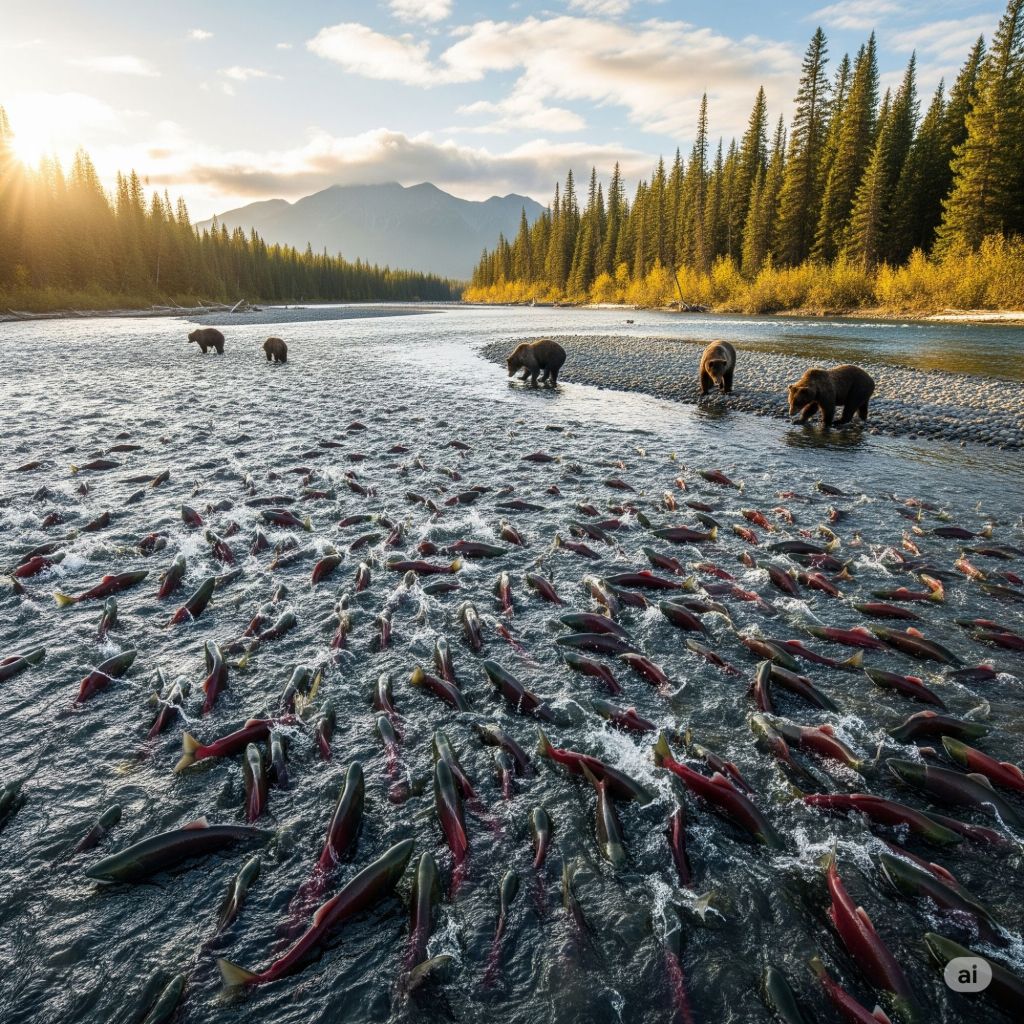
Fish return
Editor’s note: The government of British Columbia opened a recreational fishing season on returning salmon in the Fraser River on the 22nd of August 2025, this abundance of return is being credited to some cooler water by some sources. This brief opening is 11 Days ending on September 1st 2025. Many sources are lined up to take credit. In our view it may be a result of the rest the environment got during COVID.
Resolving conflict within a country is a multifaceted and complex undertaking that requires a comprehensive and adaptable approach. There isn’t a single “best” way, as the most effective strategies depend heavily on the specific context, the root causes of the conflict, and the willingness of all parties to engage in peaceful resolution. However, some key principles and approaches consistently prove valuable: 1. Addressing Root Causes: Sustainable peace requires identifying and addressing the underlying issues that fuel the conflict. These can be political, economic, social, cultural, or a combination thereof. Strategies include: * Promoting inclusive governance: Ensuring all groups have a voice in political processes and equitable access to power and resources. * Economic development: Reducing inequality and creating opportunities for all segments of society. * Social justice and reconciliation: Addressing historical grievances, promoting accountability for human rights abuses, and fostering understanding and empathy between communities. * Strengthening the rule of law: Establishing impartial and effective legal systems that ensure justice and protect human rights. 2. Fostering Dialogue and Negotiation: Creating platforms for communication and negotiation between conflicting parties is crucial. This involves: * Establishing inclusive dialogue processes: Ensuring that all relevant stakeholders, including marginalized groups, are represented. * Providing skilled facilitation and mediation: Utilizing neutral third parties to guide discussions, build trust, and help identify common ground. * Promoting Track I (official government-level), Track II (civil society and informal), and multi-track diplomacy: Engaging actors at various levels to create a comprehensive peace process. 3. Implementing Peacebuilding Initiatives: These are long-term efforts aimed at transforming relationships, institutions, and attitudes to prevent future conflict. Key components include: * Security sector reform: Establishing accountable and rights-respecting security forces. * Disarmament, demobilization, and reintegration (DDR) of ex-combatants: Providing pathways for former fighters to transition to civilian life. * Transitional justice mechanisms: Truth commissions, reparations programs, and judicial processes to address past abuses. * Education for peace: Promoting tolerance, empathy, and conflict resolution skills in schools and communities. * Civil society strengthening: Supporting local organizations working on peacebuilding, human rights, and reconciliation. * Interfaith and intercultural dialogue: Fostering understanding and cooperation between different religious and cultural groups. * Psychosocial support and trauma healing: Addressing the emotional and psychological wounds of conflict. 4. Ensuring Inclusivity and Participation: Peace processes are more likely to be successful and sustainable when they involve all segments of society, particularly those most affected by the conflict, including women, youth, and minorities. 5. Utilizing International and Regional Support: External actors can play a vital role by: * Providing financial and technical assistance: Supporting peacebuilding programs and institutions. * Facilitating dialogue and mediation: Offering neutral platforms and expertise. * Applying diplomatic pressure and targeted sanctions: Encouraging compliance with peace agreements and respect for human rights. * Deploying peacekeeping operations: Providing security and stability in conflict-affected areas (with careful consideration of their mandate and impact). 6. Building Trust and Confidence: Overcoming deep-seated mistrust is essential. This requires: * Transparency and accountability: Ensuring that peace processes and institutions operate openly and are held responsible for their actions. * Confidence-building measures: Small-scale initiatives that foster cooperation and communication between communities. * Consistent commitment to peace: Demonstrating a genuine willingness from all sides to find a peaceful resolution. 7. Adapting to the Specific Context: Each conflict is unique, and therefore, the resolution strategies must be tailored to the specific historical, political, social, and cultural dynamics at play. A flexible and adaptive approach is crucial. In conclusion, the “best” way to resolve conflict in a country involves a holistic approach that addresses root causes, fosters dialogue, implements long-term peacebuilding initiatives, ensures inclusivity, leverages international support, builds trust, and adapts to the specific context. It is a long and often challenging process that requires commitment, patience, and the willingness of all parties to work towards a peaceful and just future.
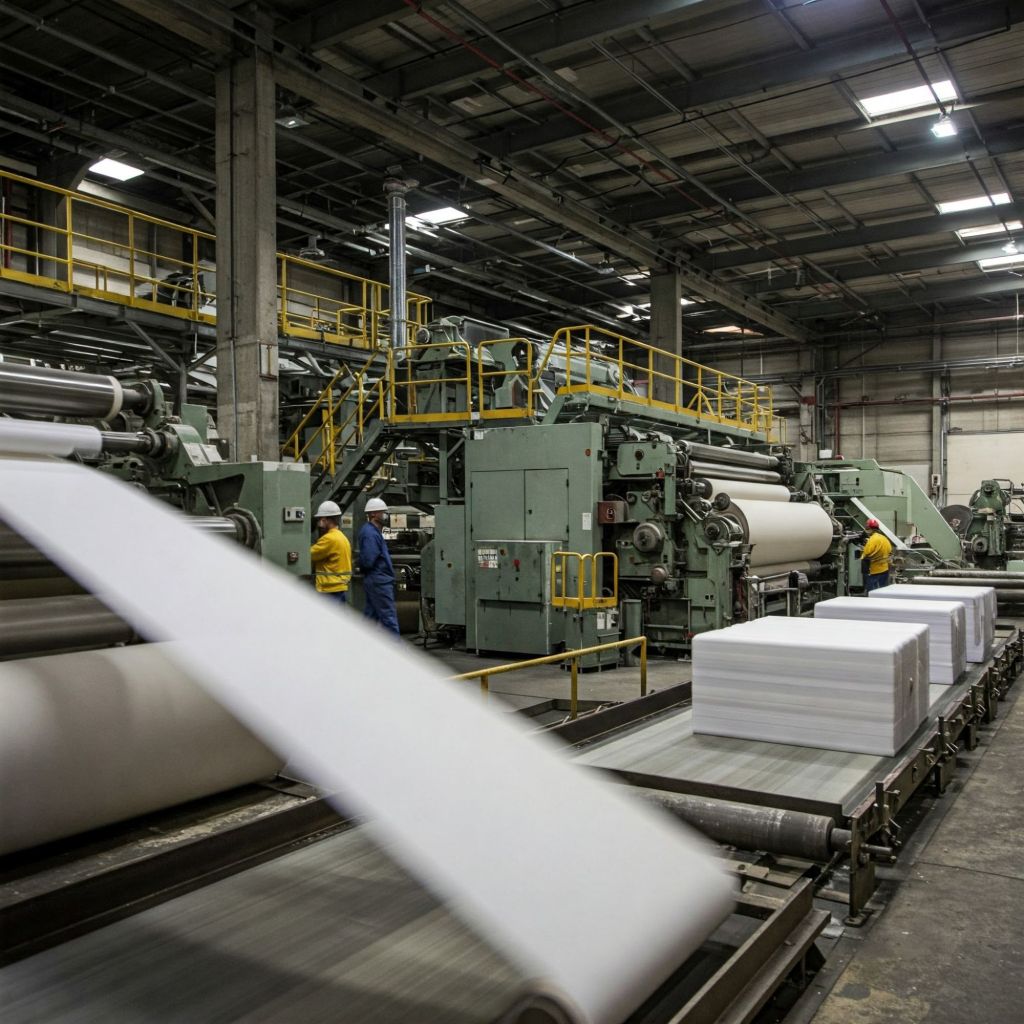
The world demand for paper products is substantial and constantly evolving, influenced by factors like economic growth, technological advancements, and environmental awareness. While digitalization has reduced the demand for some paper types (like newsprint), the need for packaging paper and board has significantly increased due to the growth of e-commerce and the demand for sustainable packaging solutions. Specialty papers for various industrial and consumer applications also contribute to the overall demand. The increasing global demand for paper products has significant implications for recycling and garbage disposal: Impact on Recycling: * Increased Need for Recycling: Higher demand necessitates a greater supply of raw materials. Recycling paper helps to meet this demand by providing a secondary source of fiber, reducing the pressure on virgin forests. * Economic Viability of Recycling: A strong demand for paper products, especially those made with recycled content, makes paper recycling more economically viable. This encourages investment in recycling infrastructure and technologies. * Quality Requirements: As the applications of recycled paper expand, there’s an increasing need for high-quality recycled fibers. This puts pressure on improving collection, sorting, and processing technologies to minimize contamination and enhance the quality of recovered paper. * Circular Economy: Increased paper demand reinforces the importance of a circular economy model where paper is collected, recycled, and reused multiple times, minimizing waste and resource consumption. Impact on Garbage Disposal: * Reduced Landfill Waste: Recycling paper significantly reduces the amount of paper waste that ends up in landfills. Paper is a major component of municipal solid waste, and diverting it through recycling conserves valuable landfill space. For example, recycling one ton of paper can save approximately 3.3 cubic yards of landfill space. * Lower Greenhouse Gas Emissions: When paper decomposes in landfills, it releases methane, a potent greenhouse gas. Recycling paper avoids this decomposition process, thus reducing greenhouse gas emissions. Additionally, producing paper from recycled fibers generally requires less energy than producing it from virgin wood pulp, further lowering emissions. * Decreased Incineration: In regions where waste is incinerated, increased paper recycling can reduce the volume of waste sent to incinerators. While incineration can recover energy, it also produces air pollutants and ash that require disposal. * Resource Conservation: By recycling paper, the demand for virgin wood pulp decreases, leading to the conservation of forests, water, and energy resources used in the papermaking process. This indirectly reduces the environmental burden associated with logging, transportation, and manufacturing, which can have broader impacts on waste generation and disposal in those related industries. In summary, the world’s demand for paper products has a direct and significant impact on recycling and garbage disposal. Increased demand necessitates more efficient and widespread recycling systems to reduce reliance on virgin resources and minimize the amount of paper waste ending up in landfills or being incinerated. A robust recycling infrastructure not only helps manage waste but also contributes to a more sustainable and circular use of paper resources.
It’s tricky to guarantee “calm, reliable” weather, as nature can always surprise us! However, here are five places known for generally pleasant spring and summer conditions, focusing on areas that tend to avoid extremes: * The Pacific Northwest (e.g., Seattle, Vancouver, Vancouver Island): * This region is famous for its mild summers. You’ll find comfortable temperatures, and while rain is possible, summers are generally drier than other times of the year. * It’s a great choice for those who prefer less intense heat. * The Baltic Coast (e.g., parts of Germany, Poland, and the Baltic States): * This area tends to have cooler summers, avoiding the intense heat waves that can affect other parts of Europe. * You can expect pleasant days and comfortable evenings. * Coastal California (e.g., areas north of Los Angeles): * Coastal California often has a “marine layer” that keeps temperatures moderate, especially in the mornings and evenings. * Areas like the central and northern California coast offer beautiful scenery and comfortable weather. * Patagonia (Southern Chile and Argentina): * While “summer” here is the Southern Hemisphere’s summer (our winter), their spring and summer months provide for very enjoyable hiking and outdoor activities. * This area is known for its dramatic landscapes and cooler temperatures, providing a great escape from heat. * Alaska (especially coastal areas): * Alaska offers mild summers with long daylight hours. * Coastal areas tend to have more moderate temperatures than inland areas. * It is a great place to experience nature, and see wildlife. When considering these locations, remember that: * “Calm” is relative. Even these places can have occasional weather variations. * Coastal areas often have microclimates, so conditions can change within short distances. I hope this helps!
Alright, let’s talk about spring in 2025! Here’s a breakdown of what you can expect: * The First Day of Spring: * In 2025, the first day of spring, also known as the vernal equinox, will be on Thursday, March 20th. * Specifically, it will occur at 5:01 a.m. EDT. * This marks the astronomical beginning of spring in the Northern Hemisphere. * What the Spring Equinox Means: * The spring equinox is when the sun crosses the equator line, heading north. * This causes the Northern Hemisphere to tilt more towards the sun, resulting in: * Longer days. * Warmer temperatures. * General Expectations for Spring: * Spring is a time of renewal and rebirth. Expect to see: * Plants and trees budding and blooming. * Animals emerging from hibernation. * Increased daylight hours. * A gradual rise in temperatures. * Factors that influence spring weather: * It is important to remember that weather patterns are becoming more variable. So while the equinox is a set date, the weather that follows is less predictable. Factors like the El Nino/La Nina southern oscillation, and other global weather patterns will greatly effect local weather. To get more specific information about your local area, I would recommend checking your local weather forecasts as spring approaches.
Prognostication by reading animal behavior, inward organs, and other natural signs is an ancient practice often referred to as folk meteorology or natural forecasting. Here’s a breakdown: * How it works (in theory): * Animal behavior: Certain animal behaviors were believed to predict weather changes. For example, if cows lie down, rain is coming. If birds fly low, stormy weather is expected. * Inward organs: Examining the livers of sacrificed animals was a common practice in ancient civilizations. The appearance and shape of the liver were interpreted to foretell the future, including weather patterns. * Other signs: Observing cloud formations, the direction of the wind, and the behavior of plants were also used to predict weather. Reliability for Weather: * Limited scientific basis: While some animal behaviors may indeed be influenced by subtle environmental changes that precede weather shifts, there’s no strong scientific evidence to support the reliability of these methods for accurate weather prediction. * Anecdotal evidence: Many of the “rules” are based on anecdotal observations and may not hold true consistently. * Subjectivity: Interpretation of animal behavior and organ appearance is highly subjective and can vary greatly between individuals. Entertainment vs. Hoax: * Entertainment value: Folk meteorology can be a fun and interesting way to connect with nature and observe animal behavior. It offers a glimpse into traditional beliefs and cultural practices. * Not necessarily a hoax: While not scientifically proven, it doesn’t necessarily constitute a deliberate deception. Many of these beliefs were developed based on genuine observations, albeit with limited understanding of the underlying scientific principles. My Opinion: * Interesting but not reliable: I find folk meteorology fascinating as a historical and cultural phenomenon. It reflects early attempts to understand and predict the natural world. * Not a substitute for modern methods: For accurate weather forecasts, I would rely on modern meteorological tools and techniques, such as weather stations, radar, and satellite imagery. Should You Rely on It? * For entertainment and cultural appreciation: Absolutely! Observing animal behavior and learning about traditional weather forecasting methods can be a rewarding experience. * For making important decisions: I wouldn’t recommend relying solely on folk meteorology for critical decisions that are heavily dependent on accurate weather predictions (e.g., planning outdoor events, making travel plans). In summary: While folk meteorology may have some limited value in observing natural patterns, it’s not a scientifically reliable method for weather prediction. It’s best enjoyed for its cultural and historical significance.









 Kevin Griffiths
 percypaschal
 The Proprietor Review