
Category: Industrial projects


Conservatism on rise.

Technology often rises with the population being able to flex and look forward instead back.

Symptoms?

This is a complex question with nuances in both politics and economics. The current global landscape suggests that conservatism is on the rise in many parts of the world, and there is an ongoing discussion about whether this trend is stifling innovation.🌎

The Rise of Conservatism

There’s evidence suggesting a global resurgence of conservative and radical right political movements. This rise is attributed to several factors: * Reaction to Globalization: Many people feel alienated by the economic and social changes brought by globalization, leading to support for policies emphasizing national sovereignty and protectionism.

* Emphasis on Traditional Values:

Concerns over cultural identity, immigration, and demographic shifts have fueled support for policies that preserve traditional institutions, customs, and values.

* New Political Paradigms:

The emergence of “National Conservatism” and similar movements focus on reasserting the primacy of national identity and state authority in response to perceived crises of globalization and liberalism.This trend is observable in various nations across Europe, Asia, and the Americas, and in some contexts, includes a rise in social and economic conservatism among the electorate.💡

Impact on Innovation

The relationship between rising conservatism and innovation is highly debated, with some research suggesting a potentially negative correlation in certain areas:

* Aversion to Disruption:

Conservatism, by its nature, emphasizes continuity and a preference for established institutions. Innovations that significantly challenge the status quo or disrupt traditional industries and social cohesion may be met with greater resistance from conservative stakeholders. * Moral and Ethical Concerns: Research indicates that conservatives may exhibit lower acceptance of new technology—such as AI, gene editing, or lab-grown meats—when it is perceived as clashing with binding moral foundations (like social order, purity, or tradition).

* Policy and Regulation:

Conservative approaches to policy can affect innovation in different ways: * Some policymakers prioritize a limited government role to allow private business and free markets to flourish and incentivize technological innovation. * Other “anti-tech” conservative movements are willing to use government intervention to regulate or punish “Big Tech,” often driven by concerns over censorship, market power, and the erosion of conservative values. * In the context of local politics, some argue that federal pre-emption of state-level regulations (like on AI) could cripple the ability to develop innovative, evidence-driven approaches, while opponents argue a patchwork of state rules threatens national competitiveness.

* Inventor Mobility:

Studies have suggested that a shift toward a more conservative local ideology can be associated with a reduction in corporate innovation output, possibly through the mobility of innovative talent who may be more left-leaning and prefer to move away from the changing social environment.In summary, while conservatism is demonstrably on the rise globally, whether it is stifling innovation is contingent on the specific policy, the type of innovation (e.g., disruptive vs. incremental), and how that innovation is perceived to align with or threaten existing social and moral orders.The discussion about the global rise of the radical right and its implications for world order provides a useful context for this topic. The Rise of the Radical Right and the Future of World Order touches on the broader ideological project of radical conservatism and its impact on international institutions and cooperation.

Editor’s note:

Nostalgia feels good as a motivator but it’s very hard to live up to and recreate. It is often exaggerated and distorted to fit the mood of the listeners.

Carnegie View

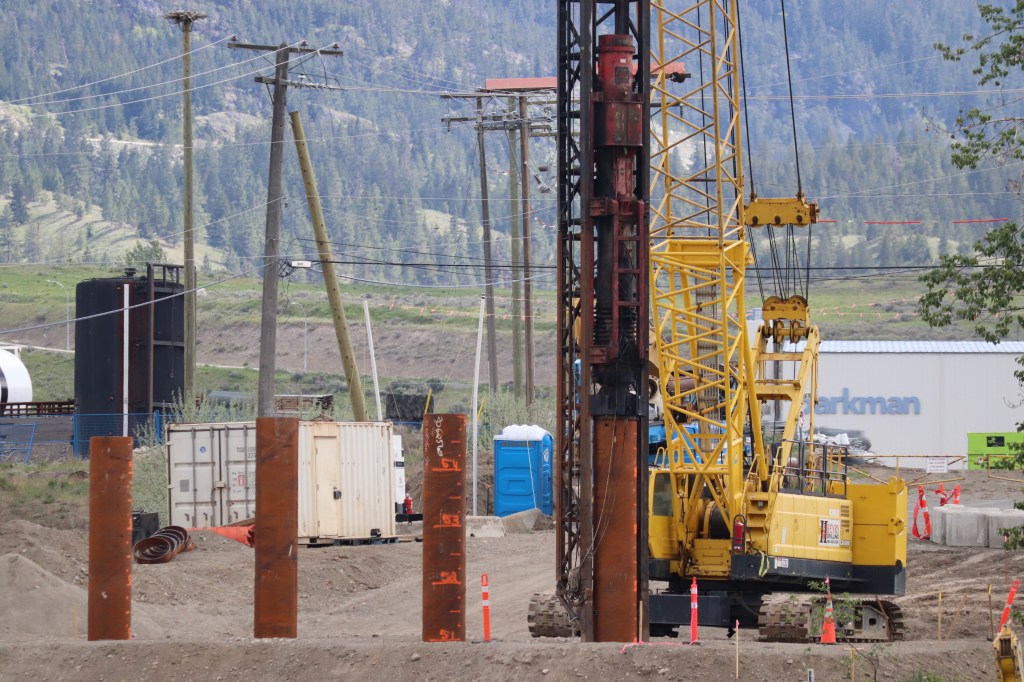
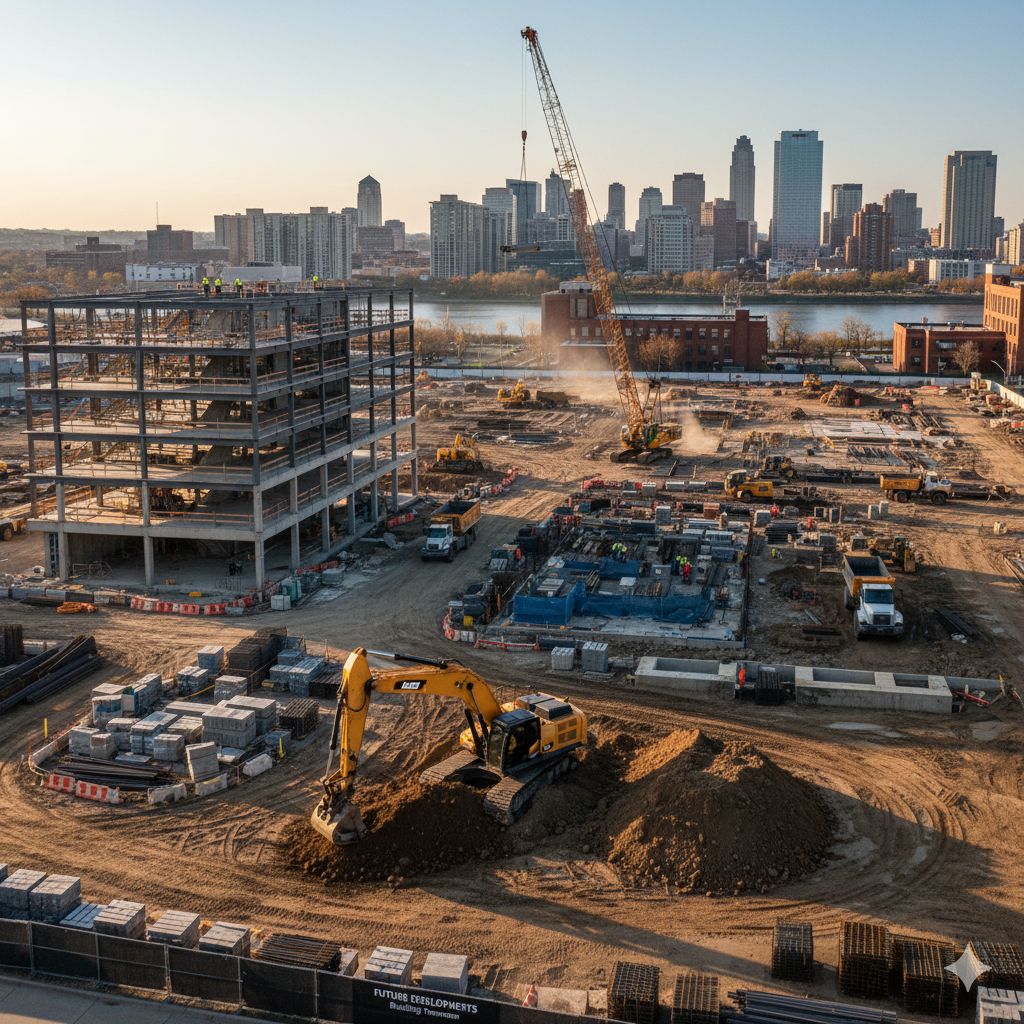
TGIF- construction

Bringing a construction project to completion is a complex process that involves several key stages, each with its own set of challenges and goals. While the specific steps can vary depending on the size and type of project, the general process can be broken down into the following phases:
1. Conception and Design: This is the initial stage where the project’s vision is created. It involves defining the project’s purpose, scope, and feasibility. The owner works with architects and engineers to create the design, which includes detailed blueprints and specifications. During this phase, a business case and feasibility study are often conducted to ensure the project is viable.
2. Pre-construction and Procurement: Once the design is finalized, the focus shifts to planning for the actual construction. This is where the construction team develops a detailed plan, including budgets, schedules, and a strategy for how the building will be constructed. This phase also involves procurement, which is the process of selecting and hiring the necessary contractors, subcontractors, and suppliers. Permits and approvals from local authorities are also secured during this time.
3. Construction: This is the physical phase of the project, where the actual building takes shape. It begins with site preparation and excavation, followed by laying the foundation, framing, and building the structural elements. This stage also includes the installation of major systems like plumbing, electrical, and HVAC. Throughout this phase, a project manager oversees the work, manages the schedule and budget, and ensures that safety protocols are followed.
4. Post-Construction and Close-Out: The final stage of the project involves bringing everything to a close and preparing for the handover to the owner. This includes:
* Final Inspections and Walk-throughs: Thorough inspections are conducted to ensure all work meets quality standards and is completed according to the plans. This is also when the project team and client do a final walk-through to identify any last-minute issues or “punch list” items that need to be addressed.
* Documentation and Paperwork: All necessary documents, including manuals, warranties, and “as-built” drawings (which show the final state of the building as constructed), are gathered and organized.
* Handover: The project is formally handed over to the client. This typically includes a meeting to review all documentation and transfer keys and other essential items.
* Insurance Changes: The construction insurance is changed to a permanent property insurance policy.
A successful construction project relies on a clear plan, effective communication, and a strong partnership between all parties involved, including the owner, architects, engineers, and contractors.

Good luck it’s not easy…

Photo KDG, Strawberry Moon Merritt BC.

The interest in all things lunar continues as mankind’s March to knowledge grows exponentially everyday.

Work on team

Two can do more than twice the amount as one alone can do…

So, long as they are pulling in the same direction…

To maximize production through teamwork and division of labor, it’s essential to clearly define roles and responsibilities based on individual strengths and skills. Encourage open communication among team members to foster collaboration and problem-solving. Utilize project management tools to organize tasks effectively and monitor progress, ensuring that everyone stays aligned with project goals. Regularly review and adjust workflows to identify bottlenecks, allowing teams to optimize processes and improve efficiency. Additionally, promote a culture of trust and respect, which enhances motivation and accountability, ultimately leading to higher productivity levels.

Piles of work, all done…

Photo: KDG

So, it seems that the world is coming around a bit. The la Nina severe storm generator is working to bring up cooler water from deeper parts of the ocean and cause weather fronts to move it inland.

And, a carbon tax is taking up tariffs on carbon imiting oil reserves ( when burnt). So, we have been watching and waiting for the catastrophic sea level to rise.

Not terribly dramatic the drought is more of a sense of attention than sea levels. We know that the seas were about 300 m shallower at the top of the last ice age when a mile high or 2 mile high or more in some places sheets of ice covered North America. So did that translate into how the seas were going to rise with current global warming,? I watched as island states in the South seas were marked as going under. On examination it seems those things move regularly because of the sand that composes them.

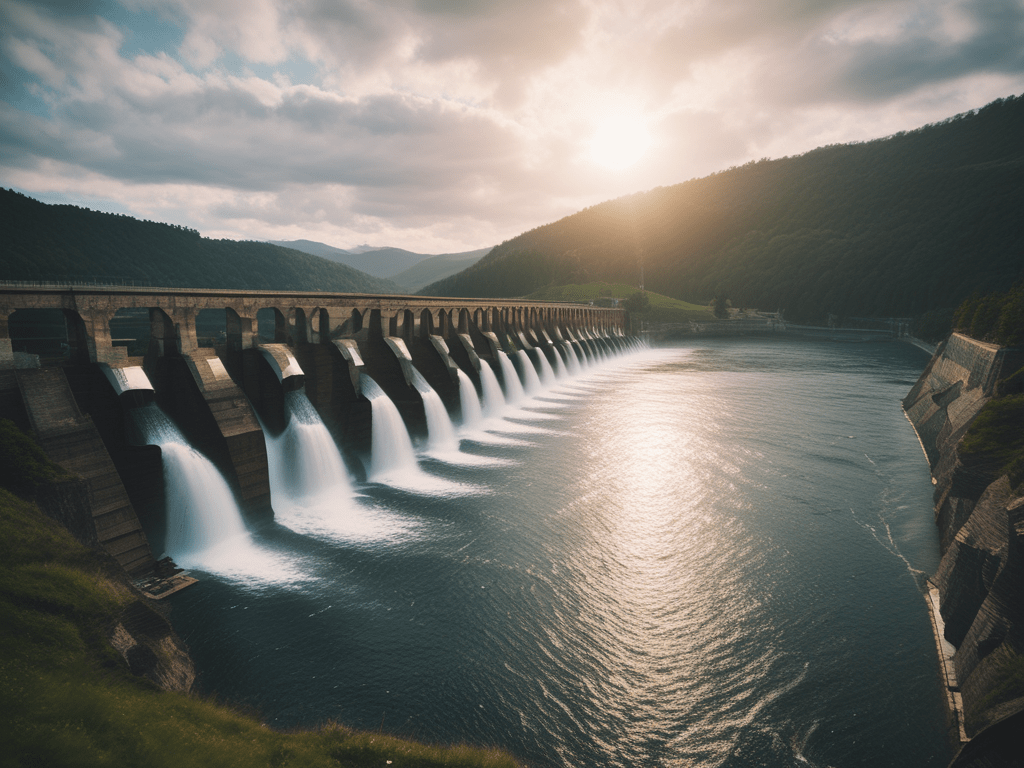
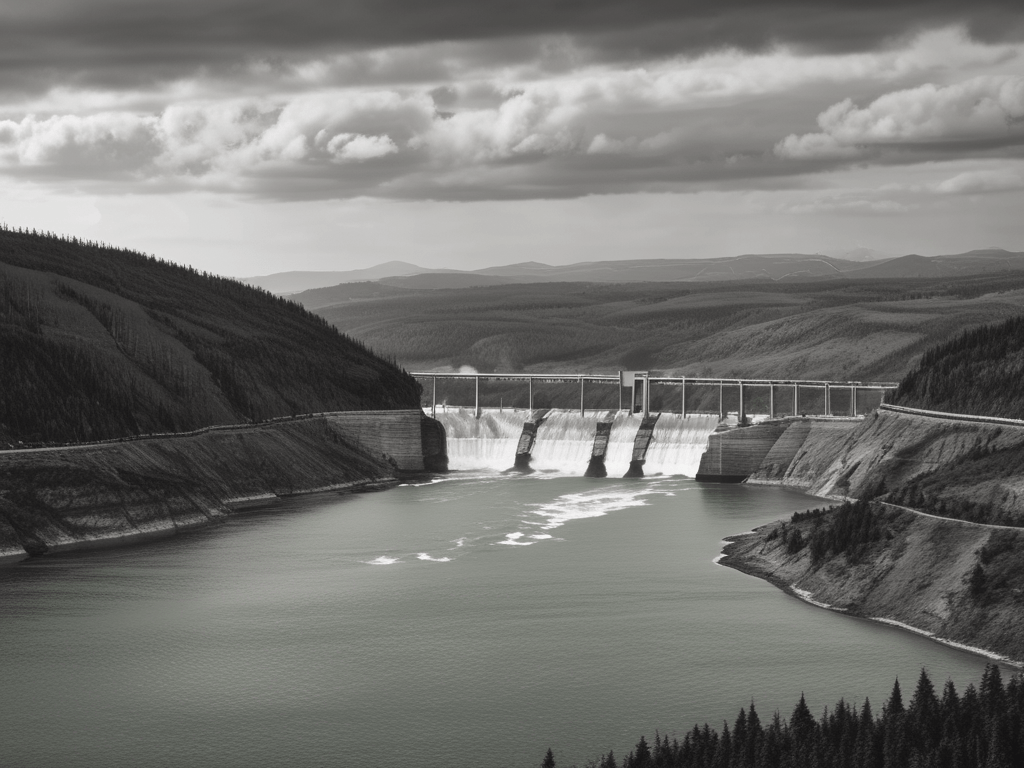
Then I  thought back to when our family business partnered with a couple other drillers to do the preliminary exploration work  drilling on the site C project in British Columbia, Canada. My thoughts were tossed and since we finished decades ago and it’s been under construction for decades and now at this very moment is being filled with water. However, because of drought conditions, it’s not taking any water out of the system or the land, but it’s taking it from Williston lake. The WAC Bennett reservoir.

Although there is a greater efficiency with the new project, it’s a moot point about water because the drought is a concern that needs to be dealt with in a measured way and they certainly can do that. And we can cooperate when we are asked to preserve water and or be part of solutions for that sort of thing.

But, it raises in my mind questions about the abundance of water when it’s mixed with oil. We know oil doesn’t mix with water. We have as a society that with licensing through our government has given a lot of oil leases that have drilled lots of holes in the ground and pumped out lots of oil over the last few decades and guess what?

That oil was burned and put in the atmosphere. Some it was taken up again by trees but lots of interest to me is that nobody has ever raised the issue of what is taking its place in the ground. Of all that oil being pumped out.Yes we know that oil and water don’t mix but where there’s a hole there’s going to be water put down it and I presume that the oil will work its way to the top of it and the water will be underneath it in most respects. I’m not a geologist but I’m sure somebody must have studied that.

Then, the question of the carbon tax and its relationship to the availability to the market of tar sands oil. Now Tar sands  oil isn’t pumped from big holes in the ground. It is mined refined  and sands put  in back filled pits so that would preclude the loss of groundwater, we would take.

But we’re not experts, but we think that would make tar sands oil more attractive to be used in place of huge amounts of pooled oil?  It wouldn’t be pumped from the ground and replaced with groundwater, which it seems at this point we are suffering for.

Now, we are still not experts or giving you a lecture. It is somebody subjectively thinking what the hey; is it true, could have the environmental impact of tar sands been underlooked for this dynamic of groundwater disappearing and exacerbating drought conditions.

At any rate, the sight C project will be generating power this fall sometime and it’ll be using water from Williston lake that would have gone through the aging WAC Bennet  Dam . So dam  it anyway, what way  water. ( I am sure it goes through both) Double dipped, but will it be back?

What are you going to do?

Carbon Tax

In Canada we have the advantage of a tax tied to a tangible commodity. The carbon tax no matter how pie in the sky it is, it’s still based on a tanagable.

Fraud not withstanding risk is better underwritten by this vehicle. So, the bubble of hard assets (oil reserves) that we are beginning to enjoy is timely for we all. Don’t waste this moment… Use it to transform ideas to near tangibles that will endure to our children’s children. 

Update

Peak oil reached by 2030.

Parks

Post from summer

We are comfortable more with fall approaching, you ?

Timely

The recent and prolonged warming is  motivating action.

We are probably facing a bubble as economic  power is increased by the  completion of the Trans Mountain expansion . The gold weld was done 👍 in a  small ceremony in recent weeks.

Carbon tax revenue available

The increase in available  Fossil energy will be accompanied by revenues that are dedicated similar to road construction in the province. These revenues will come from carbon tax  and fund plans that reduce and mitigate carbon in our atmosphere. Once again, good luck to all those in these endeavors and to those that have to use their brain power to put forward alternatives to what might be successful planning.

Parks are a good place to work for nature’s cure.

We will overcome…

Big Scale

Huge scale for those that come from small town.

JWST

Heat goes to Cold, Chaos goes to Order.

Moon rising File photo KDG

Music 🎵🎵🎶 relax👀

TGIF-Trans Mountain Expansion

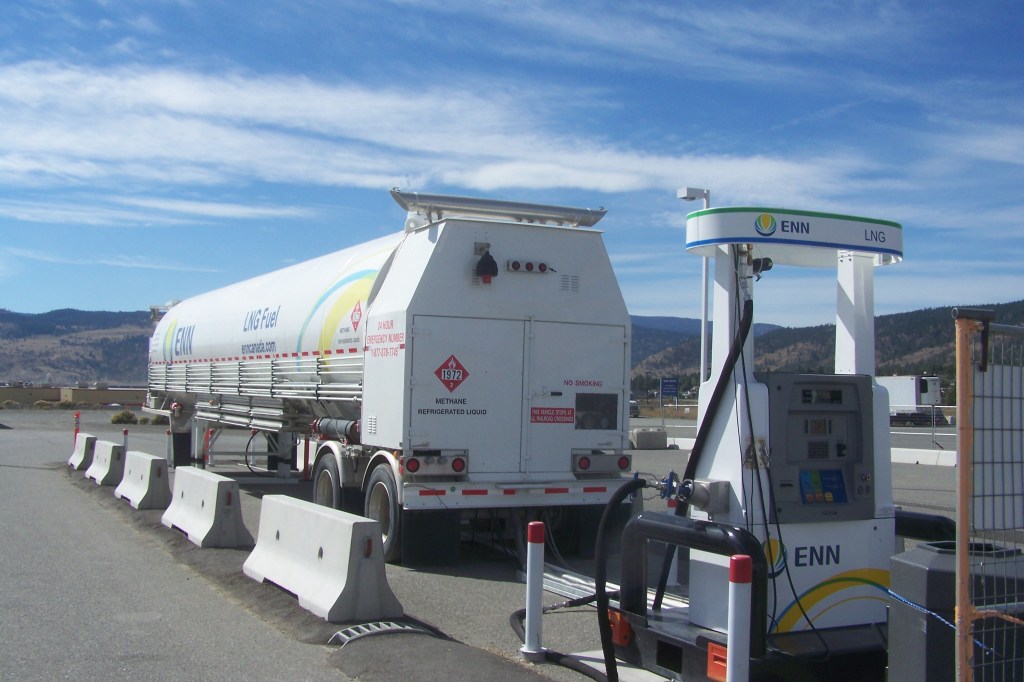
A Hydrogen filling station no longer in Merritt BC

The Bus Depo and truck stop had working hydrogen fuel up untill the emergency situation riddled the province in recent years.

A filling station formerly in truck stop north end of Merritt.

File Photo KDG

Hydrogen worked with a lot of applications including, “Ballard fuel cells”

Ballard Fuel Cells paragraph AI-generated.

are an essential part of the technology that powers cleaner and more efficient vehicles. As a leader in fuel cell technology, Ballard has been at the forefront of the shift towards sustainable transportation.

The Trans Mountain Expansion project is a major step towards expanding Canada’s ability to transport oil to the rest of the world. While many have concerns about the environmental impact of such projects, it’s important to recognize the role that clean technologies like fuel cells can play in mitigating those impacts.

Hydrogen has worked with Ballard on a number of projects over the years, and we’re proud to continue that partnership as we support the development of cleaner, more sustainable transportation solutions.

Whether it’s through the use of fuel cell electric vehicles or other applications, we believe that hydrogen and fuel cells will continue to play a vital role in the transition towards a more sustainable energy future.

So as we look forward to the weekend and celebrate another successful week, let’s also take a moment to consider the important role that cleaner technologies like fuel cells can play in making our world a better and more sustainable place.

Hydrogen Stations in Canada, April 2023

Hydrogen Stations in canada in April 2023

hydrogen-stations-canada

Hydrogen is a volatile gas, editor

The promos around hydrogen replacement are often centered on the fact that burning the element mate of water makes only clean water. The facts are hydrogen is a very volatile flammable gas. Way up there from propane and courser gases.

New Buses File Photo KDG

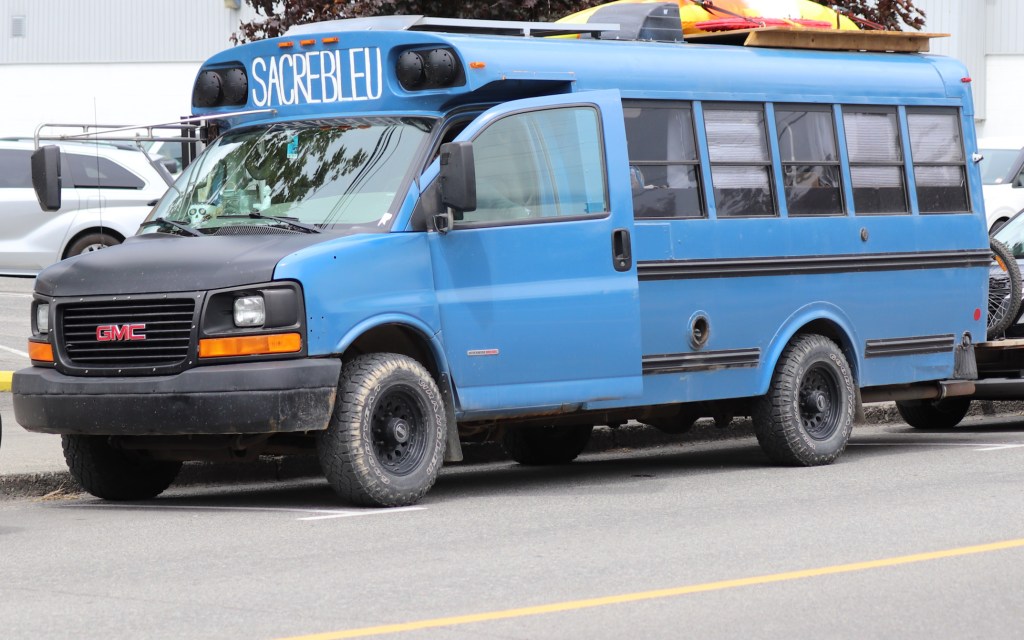
BC Transit operates a seven day a week Transit service. These bus vehicles rum on gasoline and never took advantage of either the hydrogen station above nor electric opportunities in the past few years. Yes the city is small however opportunities for research and development are a parent in a controlled environment.

Synopsis

The adaptability of the city of Merritt is demonstrated by the relationship of the TMX project hydrogen, electric and it’s clean energy 44 mega watt plant in city limits. Although hydrogen filling is not available here now the people who were cooperative and enduring are. As demonstrated by the words of a patron in the link on the bus photo.

BC Interior, TMX expansion, Work schedule…

👀⌛💰

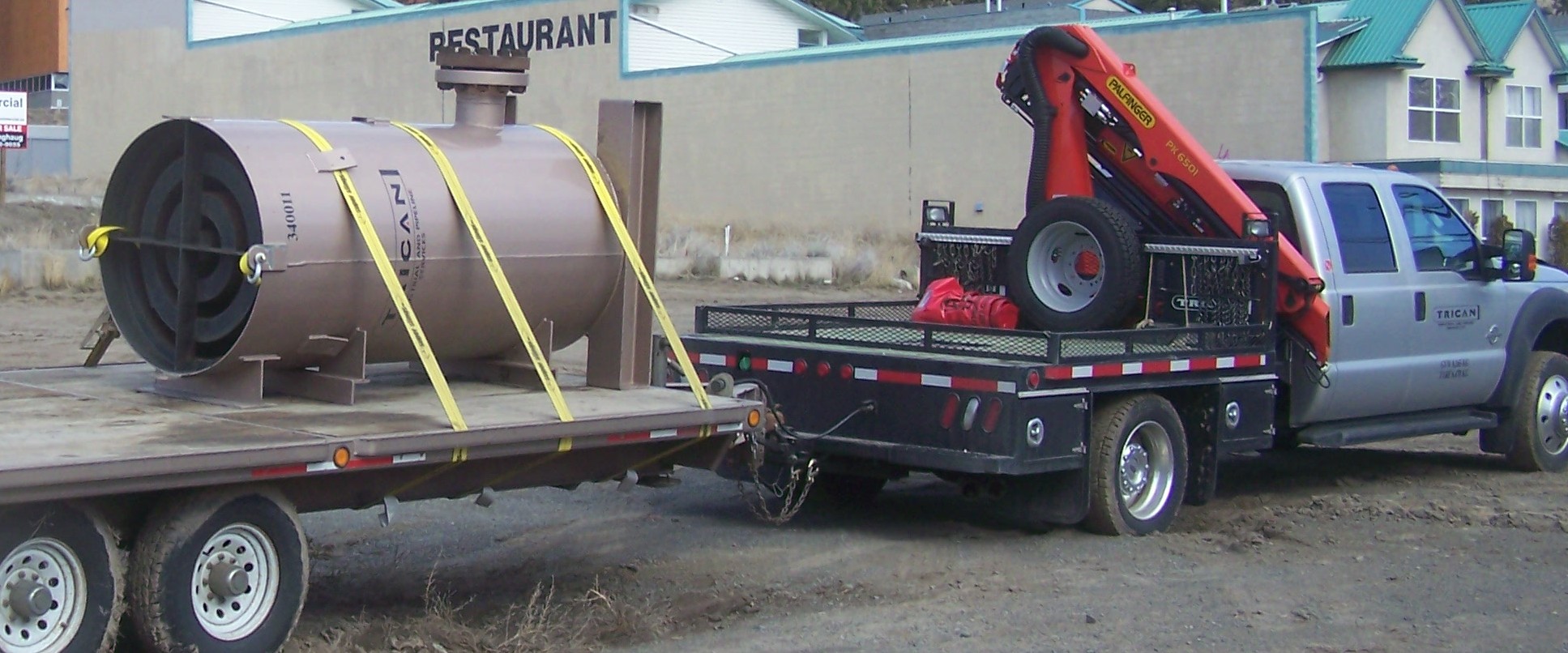
Pig catcher for an instrument that Xrays internal pipe. File photo KDG