You are presumed to be honest and responsible without evidence to the contrary beyond a reasonable doubt… on the balance of probablilties you are justified by 51 % likelyhood.
Strangely enough this happens to be published post number 4666. On this site. Just a coincidence… Ya think …
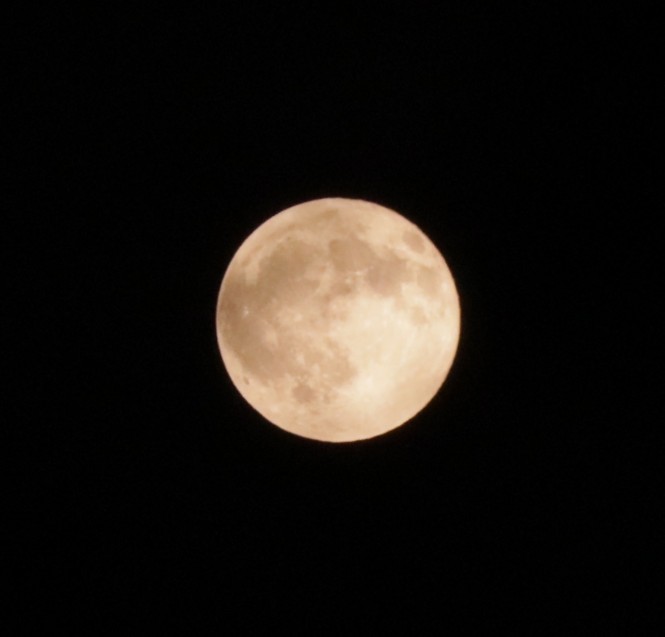
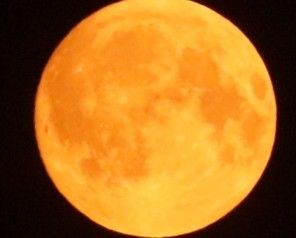
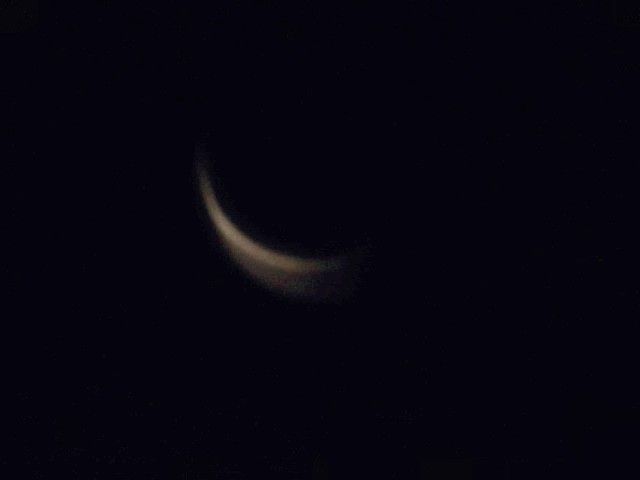
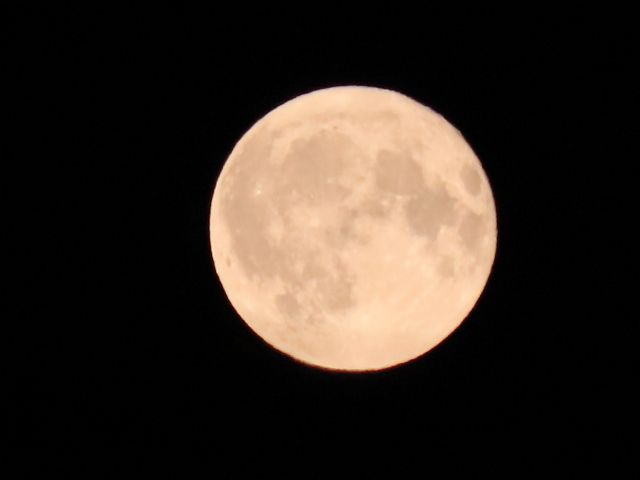
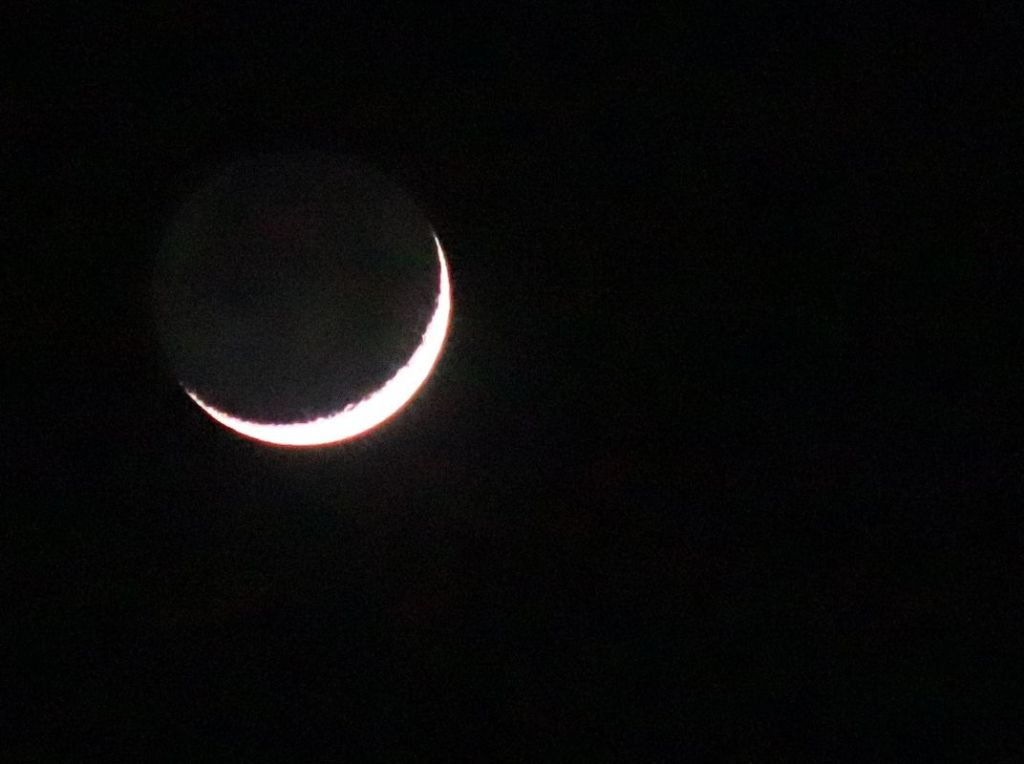
Moon all done with blood
So, the Moon is back 22:15 hrs approximately, and our moon is back without its blood colouring. I can’t help feeling that we miss something. It’s calm right now. You know getting on to 10:30 on Sunday night and the forest fire smoke is abated and it doesn’t seem 110° anymore. I think it only got to 100° f here something’s over with. I don’t know what it is. People kind of a emptiness in my spirit like something missed.
Well, if it was conflict we missed out on. Well that’s good. Peace and prosperity to all my friends and adherence people. I follow those that follow me. The world may have had some surgery, and recovery was just beginning. Enjoy!
The moon is said to go dark on the 22-23rd so the dark sky for viewing the planet parade will be enhanced.
The new moon will occur on Friday, August 22, 2025, at 11:06 PM PDT in Vancouver, British Columbia, and is sometimes referred to as a Black Moon because it’s the third new moon in a single astronomical season. The new moon phase happens when the Moon is positioned between the Earth and the Sun, making its lit side face away from us. This results in the Moon becoming virtually invisible to the naked eye. This lack of moonlight creates an exceptionally dark sky, which is ideal for stargazing and viewing deep-sky objects like star clusters and the Milky Way. August 2025 Sky and Planet Positions 🔭 In August, a “planet parade” of six planets and the Moon is visible. On the mornings leading up to the new moon, you’ll be able to see Mercury, Venus, and Jupiter aligned in the eastern sky, while Saturn and Neptune will be in the southern sky. As the month progresses, Saturn will become more visible, and Neptune will still be in the same general area. For the best viewing, you should find a location away from city lights and with a clear view of the horizon. The best time to observe the planets would be in the early morning before sunrise. Rare Black Moon to Darken Skies in August 2025 This video is relevant because it discusses the August 2025 Black Moon event and its impact on the night sky.
YouTube video views will be stored in your YouTube History, and your data will be stored and used by YouTube according to its Terms of Service
The next Starship test flight, Flight 10, is scheduled for August 4th, 2025. This flight will be another uncrewed test to gather more data on the Starship’s performance.
Waiting for a crewed test launch, concerned about the Artemis Partner Program in the current geo political atmosphere it’s heartening to know a starship test is coming in August.
1000 Starships
Maintained by space x that 1000 Starships will bring 1 million colonists to Mars. This I
Is for permanent settlement.
The ambitious goal of making Mars a habitable planet and sending a million people there is primarily driven by SpaceX, led by Elon Musk. While other space agencies like NASA have plans for human missions to Mars, SpaceX has the most public and aggressive timeline for large-scale colonization. Here’s a breakdown of the key aspects of this program: SpaceX’s Vision for Mars Colonization: * Self-Sufficient City: The ultimate goal is to establish a self-sufficient, large-scale settlement and a democratic, self-governing colony on Mars. This means not just sending people, but building the infrastructure for them to live, work, and thrive independently of Earth. * Starship System: The core of SpaceX’s plan is the Starship spacecraft and Super Heavy rocket. This fully reusable transportation system is designed to carry both crew and massive amounts of cargo to Mars. * Massive Transportation: To achieve the goal of a million people, SpaceX envisions launching thousands of Starships during Mars launch windows (which occur approximately every 26 months). They talk about launching more than 10 times per day to maximize these windows. * Phased Approach: The plan involves initial cargo missions to deliver equipment, habitats, and supplies before any humans arrive. The first crewed missions would focus on setting up propellant plants (to produce fuel on Mars using local resources), power systems, and rudimentary bases. * Resource Utilization (ISRU): A crucial part of self-sufficiency is In-Situ Resource Utilization (ISRU). This involves using resources available on Mars, such as harvesting CO2 from the atmosphere and splitting it into its components to create oxygen and fuel. * Timeline: While highly ambitious and subject to change, Elon Musk has spoken about a first crewed mission as early as 2029 and the development of a self-sustaining colony by 2050. Terraforming Mars: “Terraforming” refers to the hypothetical process of transforming a planet hostile to life into one that can sustainably host humans and other lifeforms without protection. While SpaceX’s immediate focus is on establishing a base that uses local resources, the long-term vision of a truly Earth-like Mars involves terraforming. * Challenges: Terraforming Mars presents immense challenges with current technology. Key issues include: * Thin Atmosphere: Mars has a very thin atmosphere with extremely low surface pressure. * Lack of Magnetic Field: Mars lacks a global magnetic field, which makes its atmosphere vulnerable to erosion by solar winds. * Cold Temperatures: Mars is very cold. * Proposed Methods (Hypothetical): * Greenhouse Gases: Releasing greenhouse gases (like CO2, which is abundant in Mars’s atmosphere and polar caps) to thicken the atmosphere and warm the planet. * Artificial Magnetic Field: Creating an artificial magnetic field to protect the atmosphere from solar wind erosion. * Engineered Dust Particles: Some researchers have proposed releasing engineered dust particles into the atmosphere to trap heat. * Localized Habitats: A more achievable near-term approach might be creating localized habitable environments using materials like silica aerogel, which could provide shelter and warmth for small areas. NASA’s Role: While NASA doesn’t have a plan for colonizing Mars with a million people in the same way SpaceX does, they are actively working towards human exploration of Mars. Their goals include: * Scientific Discovery: Understanding whether life ever existed on Mars, characterizing its climate and geology, and preparing for human exploration. * Technology Development: Testing technologies for oxygen production (like MOXIE on the Perseverance rover), developing sustainable food and water systems, power generation, and advanced habitats. * Artemis Program: NASA’s Artemis program is laying the groundwork for long-term human presence on the Moon, which will serve as a stepping stone and testing ground for missions to Mars. In essence, SpaceX is the primary driver behind the “million people on Mars” goal, with their Starship system being the core technology. Terraforming, while a long-term aspiration, faces significant scientific and technological hurdles. NASA, meanwhile, is focused on incremental steps towards human exploration, scientific discovery, and developing the foundational technologies needed for future long-duration missions to the Red Planet.
The full moon on July 10th, 2025 is known as the Buck Moon. Here’s a breakdown of what makes it special: Why “Buck Moon”? This traditional name comes from Native American folklore, as July is typically the time of year when male deer (bucks) begin to regrow their antlers, which shed annually. These new antlers symbolize strength, growth, and regeneration. Key Characteristics of the July 10th, 2025 Full Moon: * Peak Illumination: The Moon reaches its peak illumination around 4:37 PM EDT / 1:37 PM PST on July 10th. While it’s full during daylight hours for much of North America, the best viewing will be after sunset when it rises in the eastern sky. * Low-Riding Moon: This year, the Buck Moon will appear exceptionally low in the sky, particularly for observers in the Northern Hemisphere. This is due to a combination of factors: * Close to Aphelion: The Earth is near its aphelion (the point in its orbit farthest from the Sun) in July. * Major Lunar Standstill Effect: This full moon coincides with a “Major Lunar Standstill,” a phenomenon that occurs every 18.6 years and exaggerates how high or low the Moon appears in the sky. * Appearance: Because it’s so low on the horizon, the moon may appear larger and have a captivating orange or golden hue at moonrise due to atmospheric effects. * Astrological Significance: In astrology, this full moon falls in the sign of Capricorn. This alignment is said to bring a focus on grounding, purpose, and releasing old patterns to make way for new growth and transformation. It’s considered a time for reflection and connecting with one’s inner wisdom. * Other Names: Besides Buck Moon, it’s also known by other names in different cultures, including: * Thunder Moon: Due to the frequent thunderstorms during midsummer. * Salmon Moon: Reflecting the seasonal migration of salmon. * Hay Moon: As farmers gather animal feed. Viewing Tips: * Time: Begin observing 30-60 minutes after local sunset for the best visibility. * Location: Choose a spot with a clear view of the southeastern horizon, ideally away from city lights to minimize light pollution. Elevated areas, beaches, or rural locales are ideal. * Equipment: The Buck Moon is visible to the naked eye, but binoculars or a small telescope can enhance views of lunar details like craters. This July 10th full moon offers a unique opportunity for skywatchers to enjoy a truly spectacular celestial event, with its unusual low-riding appearance and traditional significance.
Viewing time
The moon will appear full for a couple of more days.
I shot this with my little Nikon. I think a number of years ago if it wasn’t my Nikon. It was my Kodak easy share. I do remember getting a nod from a NASA guy ” thanks for the photo of Mars.”
Being in conjunction with the moon looks like you can reach over and borrow a cup of sugar.
Just think if we on Earth and it’s Nations could be that close together and at peace. What a nice existence. This would work to the better of the
Happy Canada Day as we gear up to remove interprovincial trade barriers…
Wouldn’t that be smart? If at some point the training that we find in this would give us an ability for a leg up on being intergalactic trade barrier workers.
It’s a fun thought experiment! Let’s break down why tarragon on the Moon, and the idea of greening it, is currently in the realm of science fiction: Could there be tarragon on the Moon? * No, not naturally. The Moon is a barren, airless body. Tarragon, like all plants, needs specific conditions to grow: * Atmosphere: It needs carbon dioxide for photosynthesis and oxygen for respiration (though it produces oxygen as a byproduct). The Moon has virtually no atmosphere. * Water: Tarragon needs water to live. While there’s evidence of water ice at the lunar poles, it’s not readily available as liquid water for plants to absorb. * Soil: Lunar regolith (the “soil” on the Moon) is very different from Earth soil. It lacks organic matter, beneficial microbes, and readily available nutrients. While some studies have shown plants can sprout in lunar regolith, they show signs of stress and stunted growth compared to those grown in Earth soil. * Temperature: The Moon experiences extreme temperature swings, from scorching hot in sunlight to frigid cold in shadow. Tarragon prefers warm, sheltered conditions and can’t survive such extremes without protection. * Radiation: The Moon has no significant magnetic field or atmosphere to protect it from harmful solar and cosmic radiation. This radiation would be lethal to plants. * Gravity: The Moon’s gravity is about one-sixth of Earth’s. While the direct effects on plant growth are still being studied, it’s another factor that makes it a very different environment for life. Could tarragon (or any plants) green the Moon or turn it into a habitable place with a little bit of help from us? This is the concept of terraforming, and it’s an incredibly ambitious and long-term prospect with many significant hurdles, especially for the Moon: * Creating an Atmosphere: This is the biggest challenge. The Moon’s low gravity means any introduced atmosphere would quickly escape into space. We’d need a continuous and massive supply of gasses (carbon dioxide, nitrogen, etc.) and a way to somehow contain them or replenish them faster than they escape. This might involve building enormous artificial domes or even attempting to generate an artificial magnetic field to help retain the atmosphere, both of which are far beyond our current technological capabilities. * Water Resources: While there’s ice, it needs to be extracted, processed, and then kept in liquid form, which is difficult given the Moon’s temperature extremes and lack of atmospheric pressure. * Soil Development: Lunar regolith would need to be enriched with organic matter and nutrients to become viable soil for widespread plant growth. This would be a massive undertaking, requiring the introduction of vast amounts of biological material and the establishment of complex ecosystems. * Radiation Protection: Even with an atmosphere, the Moon’s lack of a strong magnetic field means any surface-dwelling life would be exposed to dangerous radiation. Underground habitats or heavily shielded structures would be necessary. * Temperature Regulation: Maintaining Earth-like temperatures would require massive energy inputs for heating and cooling, given the Moon’s extreme temperature variations. In summary: While the idea of a tarragon-scented, green Moon is appealing, it’s not currently feasible. Plants like tarragon require very specific conditions that the Moon simply doesn’t offer. Terraforming the Moon would require technological advancements on a scale far beyond anything we currently possess, and it would be an undertaking spanning centuries, if not millennia. For now, any lunar gardening would need to happen in highly controlled, enclosed environments, much like growing plants on the International Space Station.
Well myths are based on something…
Editor’s note: while it’s not that attractive to us Canadians ( we like Canada) our home and native land. The Americans might suit us as our 51st moon. That’s presuming that we can get any life going there.
Here’s something that might spark your inspiration: Consider Alice Augusta Ball, a brilliant African American chemist in the early 20th century. Despite facing both racial and gender barriers, she developed the “Ball Method,” a groundbreaking and remarkably effective treatment for leprosy. This method was the most successful treatment for decades. Tragically, she died young at the age of 24, and her revolutionary work was almost lost to history when another chemist attempted to take credit for it. It took years for her contributions to be rightfully acknowledged. Alice Ball’s story is a powerful reminder that profound impact can come from anyone, regardless of the obstacles they face. Her dedication to science and her determination to find a solution for a devastating disease, even in the face of significant adversity, is truly inspiring. It highlights the importance of perseverance, the potential for groundbreaking discoveries, and the ongoing need to recognize and celebrate the contributions of those who have been historically marginalized.
Devon Island is a large, uninhabited island located in the Queen Elizabeth Islands archipelago in the Canadian Arctic, part of Nunavut territory. It’s the second-largest island in the Queen Elizabeth Islands and the sixth-largest in Canada. Relationship to Mars: Devon Island has gained significant scientific interest due to its striking resemblance to the surface of Mars, earning it the nickname “Mars on Earth.” This makes it an ideal Mars analog environment for research and training related to future human missions to the Red Planet. Here’s why: * Polar Desert Environment: Devon Island is a polar desert, meaning it is both extremely cold and dry, similar to the conditions on Mars. It receives very little precipitation, and temperatures can plummet to -50 °C in winter. * Haughton Impact Crater: A major feature of Devon Island is the Haughton impact crater, a 23-kilometer wide crater formed by a meteorite impact about 39 million years ago. This crater and its surroundings offer a geological landscape that mimics various Martian features, including canyons, small gullies, and patterned ground. The presence of an impact crater is particularly relevant as Mars is heavily cratered. * Barren, Rocky Landscape: Much of Devon Island is a barren plateau dominated by frost-shattered rocks, with minimal vegetation in many areas, creating a visual and environmental parallel to the Martian surface. * Analog Research Stations: Because of these similarities, Devon Island hosts two primary Mars analog research facilities: * Flashline Mars Arctic Research Station (FMARS): Operated by the Mars Society, FMARS is a simulated Mars habitat designed to test habitat designs, tools, technologies, and crew selection protocols under conditions similar to Mars. Crews live and work in the station, conducting geological and biological exploration as if they were on Mars. * Haughton-Mars Project (HMP): This international, multidisciplinary research project focuses on studying the Haughton impact crater and its surrounding terrain as a planetary analog, particularly for the Moon and Mars. It’s partially funded by NASA. Researchers use Devon Island to: * Conduct geological and biological studies: Investigating how life might adapt to extreme conditions, and studying geological processes that could occur on Mars. * Test equipment and procedures: Evaluating rovers, life support systems, and extravehicular activity (EVA) procedures in a challenging environment. * Train astronauts and researchers: Providing a realistic simulation of the isolation, confinement, and challenges of a long-duration space mission. * Understand human performance: Studying how individuals and teams perform in isolated, confined, and extreme environments, which has direct applications for astronaut selection and support. In essence, Devon Island serves as a crucial terrestrial laboratory, allowing scientists to prepare for the complexities and challenges of exploring Mars without leaving Earth.
Recent actual footage from Mars
Happy Galaxy Happy wife (life)
Editor’s note: with the fog of all the misinformation out there pls view this with a critical eye and we welcome any comments not abusive .PP
You’re in luck! June 2025 offers a couple of opportunities to observe the Moon and Mars in close proximity, creating what’s known as a conjunction. There’s even a special event called a lunar occultation for some observers. Here’s a breakdown of the possible conjunctions in June 2025: 1. Early June Conjunction (around June 1st): * When: Around June 1st, 2025. * What to expect: The waxing crescent Moon will appear close to Mars. * Visibility: Look to the west just after sunset. This will be a good naked-eye or binocular event. * Constellation: Both will be in the constellation Leo. 2. Late June Conjunction and Lunar Occultation (around June 29th-30th): * When: On the night of June 29th, extending into the early hours of June 30th, 2025. * What to expect: The waxing crescent Moon will again pass close to and just below Mars. This will be an even closer approach than the earlier conjunction. * Special Event: For some regions, a lunar occultation of Mars will occur. This is when the Moon passes directly in front of Mars, temporarily hiding the Red Planet from view. * Visibility of Occultation: This rare phenomenon will be visible from specific locations, including western Peru, Ecuador, western Colombia, and Clipperton Island. * Visibility of Conjunction (worldwide): Even if you’re not in the occultation zone, the close conjunction of the Moon and Mars will be visible worldwide. Look to the western horizon just after sunset. They will set a few hours later in the Northern Hemisphere. * Constellation: Both will be in the zodiac constellation Leo. * Observation: The pair will be close enough to fit within the field of view of a telescope, but also easily visible to the naked eye or through binoculars. Mars will appear as a small, reddish-orange disk. General Tips for Observing Conjunctions: * Find a clear view: Choose a spot with an unobstructed view of the western horizon, especially after sunset. * Check local times: The exact times for moonrise, moonset, and conjunctions will vary depending on your specific location. Use online sky maps or astronomy apps to get precise timings for Merritt, British Columbia. * Binoculars or a small telescope: While visible to the naked eye, binoculars will enhance the view, making Mars appear brighter and its small disk more apparent. A small telescope will offer an even better view. * Look for the “ecliptic”: These conjunctions occur because both the Moon and Mars travel along the “ecliptic,” which is the approximate path the Sun, Moon, and planets follow across the sky. Enjoy the celestial show in June!









 Kevin Griffiths
 percypaschal
