Atmospheric dome is busy.
Space X
Test failed at tasks
So, not the Moon or Mars this week.

To the seasons of life

So, not the Moon or Mars this week.

The new moon will occur on Sunday, April 27, 2025, at 12:31 PM PDT on the west coast of North America.Visibility on the West Coast of North America:A new moon is the first lunar phase, which occurs when the Moon lies between the Earth and the Sun. At this phase, the sunlit side of the Moon faces away from Earth, making the Moon generally invisible to the naked eye. It rises and sets at roughly the same time as the Sun.Therefore, on the night of April 27th, 2025, and the days immediately surrounding it, the new moon will not be visible from the west coast of North America. The sky will appear dark (assuming clear weather and minimal light pollution), which makes it an excellent time for observing stars and other fainter celestial objects.General Information about the New Moon: * The Start of the Lunar Cycle: The new moon marks the beginning of the approximately 29.5-day lunar cycle. * Alignment: During a new moon, the Moon is positioned between the Earth and the Sun. * Earthshine: Although the sunlit side faces away, sometimes a very faint glow called “earthshine” can make the unlit portion of the new moon subtly visible. This is due to sunlight reflecting off the Earth and onto the Moon. * Solar Eclipses: New moons are the only phase during which a solar eclipse can occur. This happens when the new moon passes directly between the Sun and Earth, and the Moon’s shadow falls on Earth. However, a solar eclipse will not occur on April 27th, 2025. * Stargazing: The dark skies during the new moon phase provide the best conditions for observing faint stars, galaxies, and other deep-sky objects since there is no bright moonlight to interfere. * Tides: New moons (along with full moons) contribute to higher high tides and lower low tides, known as spring tides, due to the combined gravitational pull of the Sun and the Moon.So, while you won’t be able to see the new moon itself on April 27th from the west coast of North America, you will have a dark sky perfect for stargazing!
Well would a tariff opportunity speed things up … Tic…
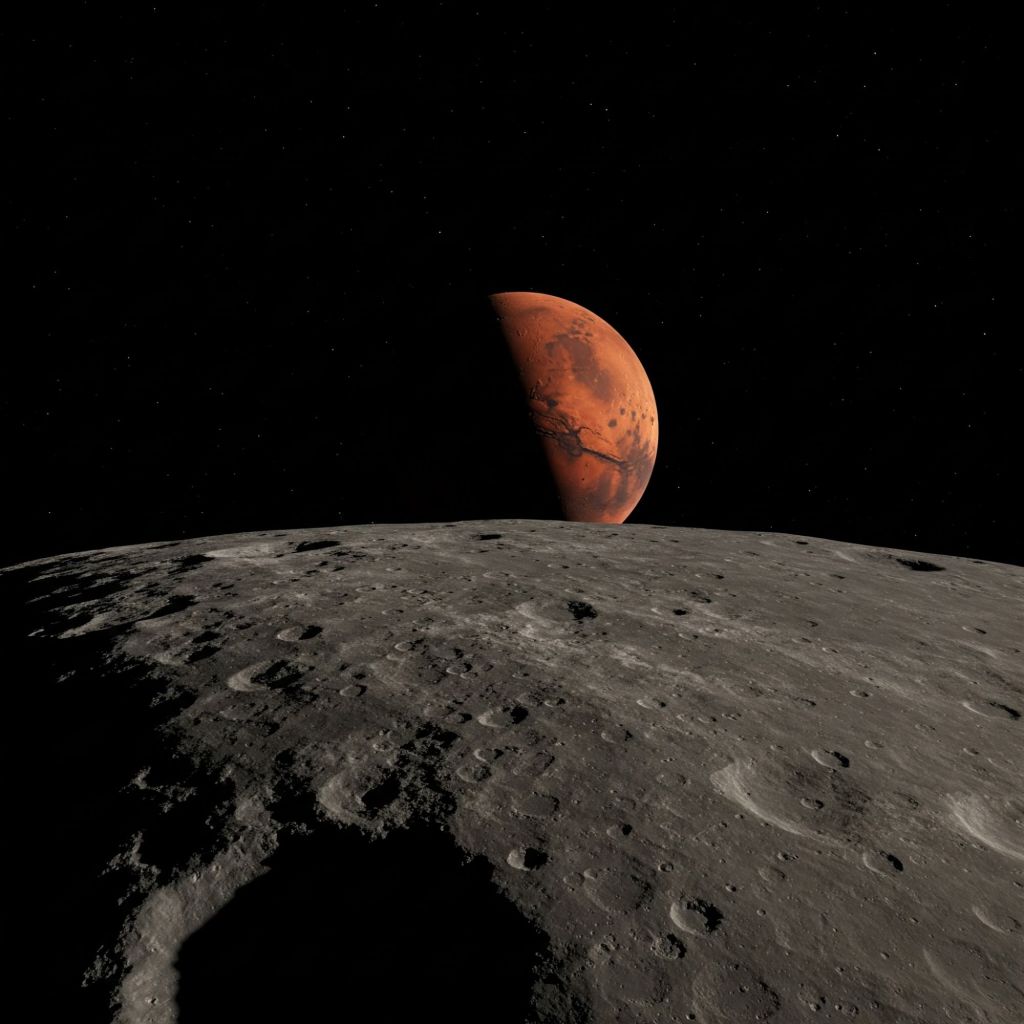
The Artemis program is currently underway, with several missions planned to establish a sustainable presence on the Moon as a stepping stone for human missions to Mars. Here’s an update on its progress and the outlook for a Mars landing:
Artemis Program Status:
The Artemis program is organized into a series of increasingly complex missions. Here’s the current status of the initial missions:
* Artemis I: This uncrewed test flight successfully orbited the Moon and returned to Earth in November 2022, serving as the first integrated test of the Space Launch System (SLS) rocket and the Orion spacecraft.
* Artemis II: This mission will be the first crewed flight of the Orion spacecraft, sending a crew of four astronauts around the Moon. It is currently targeted for launch no earlier than April 2026.
* Artemis III: This mission aims to land astronauts on the Moon’s South Pole region. It is currently scheduled for mid-2027. This mission will use the SpaceX Starship Human Landing System (HLS) to transport two astronauts to the lunar surface.
* Artemis IV: This mission is planned for late 2028 and will involve docking with the Lunar Gateway, a small space station that will orbit the Moon. Astronauts will transfer through the Gateway to the HLS for their descent to the lunar surface.
* Artemis V: Planned for March 2030, this mission will also dock with the Gateway and is expected to involve a longer stay on the lunar surface, contributing to the establishment of a permanent lunar habitat.
When to Expect a Landing on Mars:
The Artemis program’s long-term goal is to prepare for human expeditions to Mars. While there isn’t a specific date set, NASA’s planning indicates that a crewed mission to Mars could plausibly happen in the mid to late 2030s.
* Some sources mention a potential three-year crewed expedition to Mars with a return planned between 2035 and 2038. The duration of the stay on Mars could vary from 90 to 500 Earth days, depending on favorable return windows.
It’s important to note that the timeline for Mars missions is more fluid and depends on the success of the Artemis lunar missions, the development of necessary technologies, and continued funding. The experience gained from establishing a sustained presence on the Moon, including testing technologies and understanding the challenges of long-duration deep space missions, is crucial for the eventual human exploration of Mars.
Good luck, we will not hold our breath…
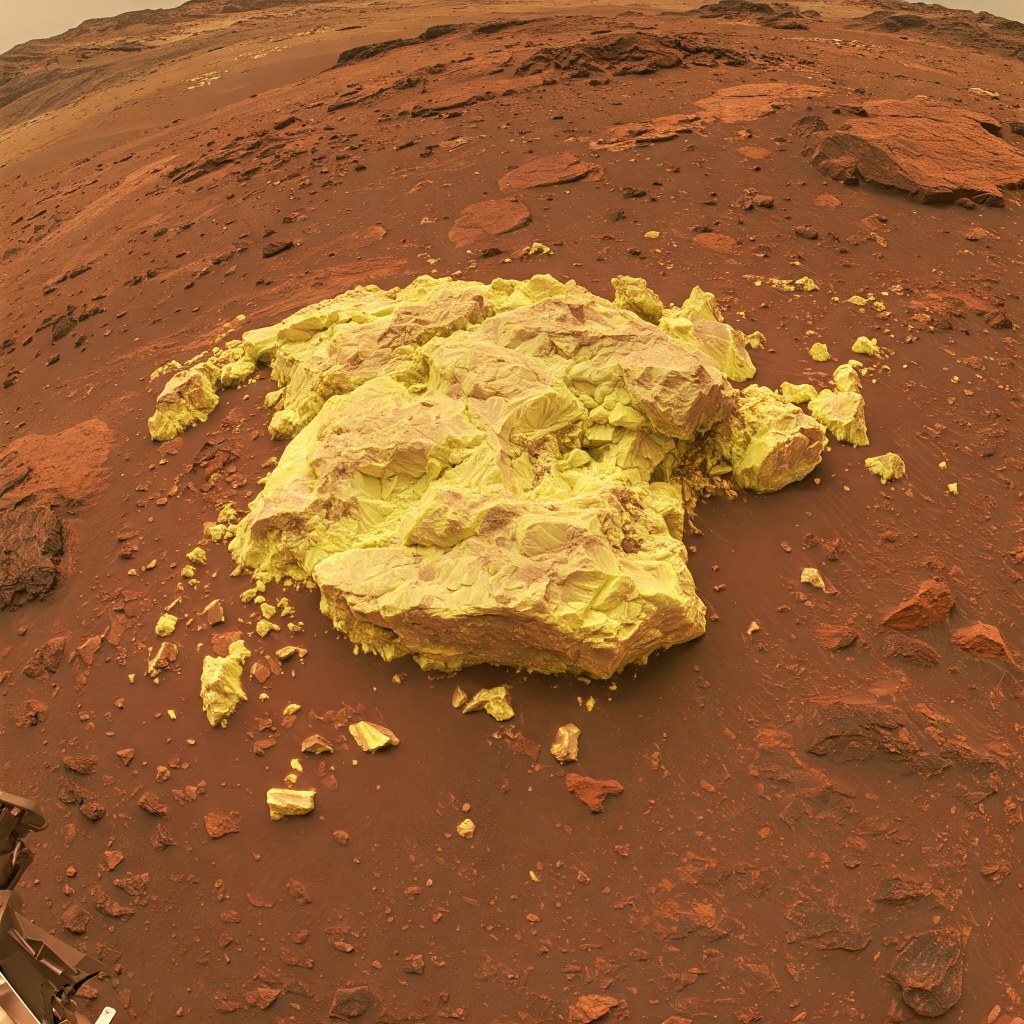
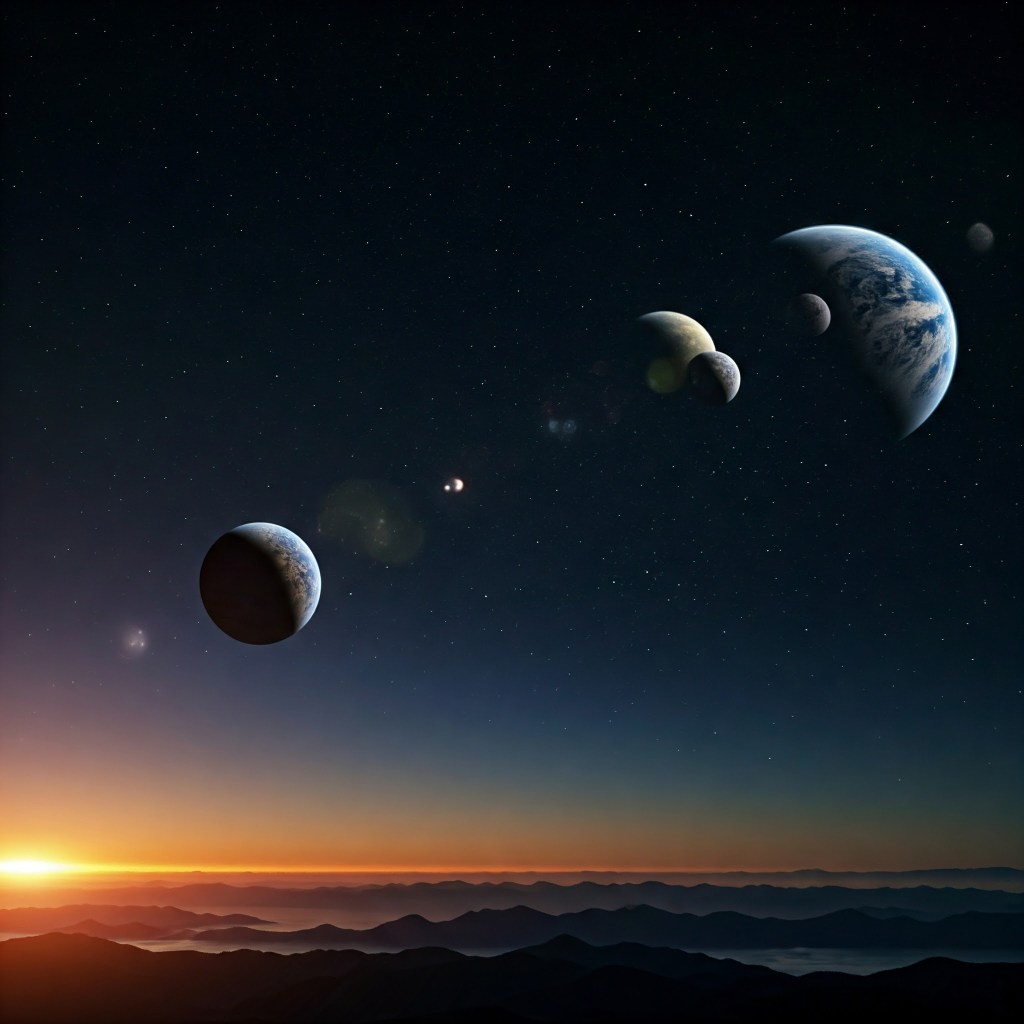
The planet parade continues into February .
February is a fantastic month for stargazing, with a planet parade happening! Here are some tips to help you make the most of it:
When to Watch:
* Early February: The planet parade is happening from February 1st to 9th. This is your prime time to see multiple planets lined up.
* Throughout February: While the main parade is early in the month, February offers other great stargazing opportunities, including the Full Snow Moon on February 12th and Venus at its brightest on February 16th.
What to Look For:
* Planet Parade: During the first week of February, you’ll have a chance to see six planets (Mercury, Venus, Mars, Jupiter, Uranus, and Neptune) aligned in the sky.
* Moon and Planet Pairings: Keep an eye out for the Moon passing close to different planets throughout the month. These pairings make for beautiful sights.
* Venus: Venus will be particularly bright this month, reaching its peak brightness on February 16th.
Tips for Viewing:
* Find a Dark Spot: The less light pollution, the better. Try to get away from city lights if possible.
* Check the Weather: Clear skies are essential for stargazing. Check the forecast before you head out.
* Use Binoculars or a Telescope: While some planets are visible to the naked eye, binoculars or a telescope will enhance your viewing experience and allow you to see fainter objects.
* Be Patient: It takes time for your eyes to adjust to the darkness, so be patient and allow yourself time to take in the night sky.
* Use a Sky Chart or App: A sky chart or stargazing app can help you identify planets and other celestial objects.
* Dress Warmly: February nights can be cold, so dress in layers to stay comfortable.
Specific Dates to Note:
* February 1st: The crescent moon will be close to Venus and Saturn.
* February 5th: The moon will be near Uranus.
* February 6th: The moon will be close to Jupiter.
* February 9th: The moon will be near Mars.
* February 12th: The Full Snow Moon will be visible.
* February 16th: Venus will be at its brightest.
Remember to check online resources or stargazing apps for the most up-to-date information on celestial events and their visibility in your location.
Enjoy the show!
Enjoy it for you and yours…K
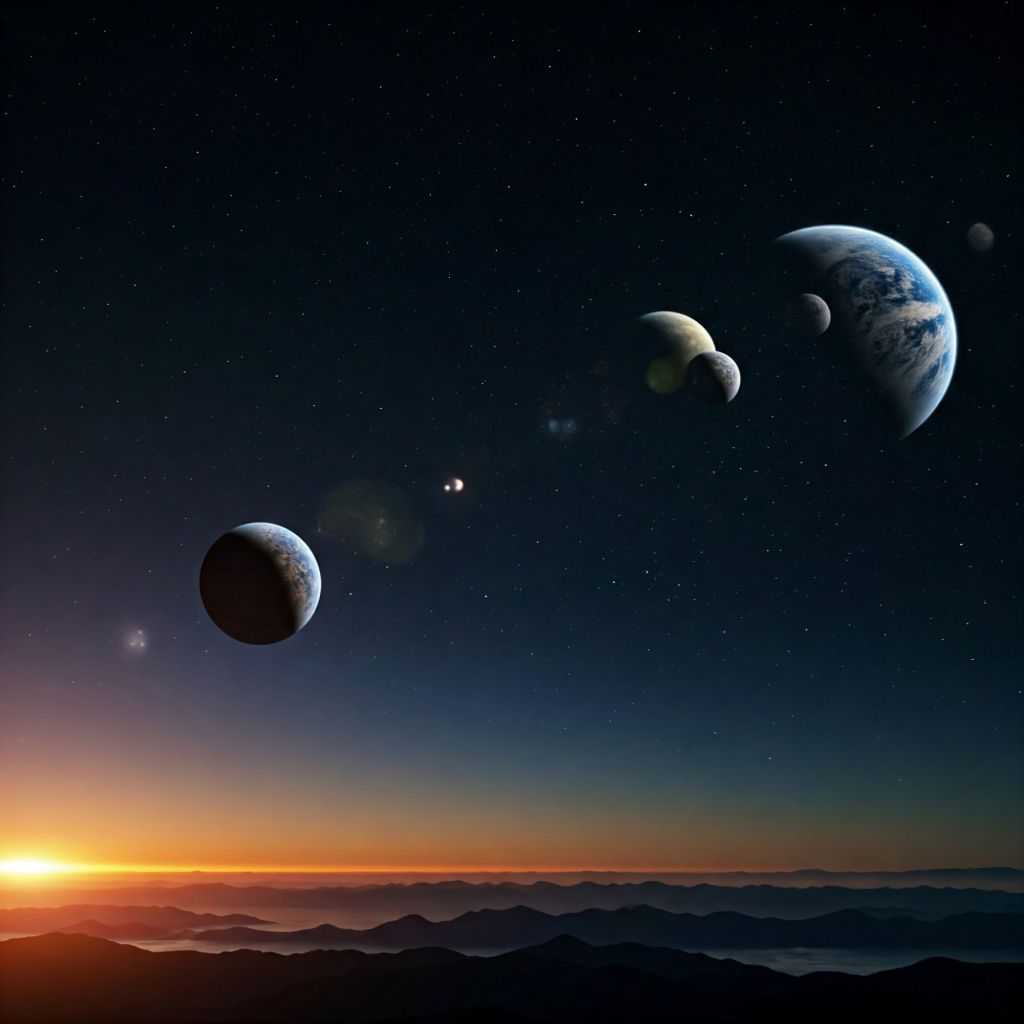
The planet parade continues into 2025 conjunctions of interest and partial eclipse on the 29th. Mars is up to something on Valentine’s Day.
Observing conditions are not under our control. Please take the time to plan according to prognostications from authorities.
Sources are saying that the sun is at solar maximum r. And will continue maybe even in the 2026. The 11-year cycle seems to be not to the minute. Look for more magnetic storms particles going by the Earth, producing Aurora Borealis light effects that you might enjoy.
Fall is the line, go sublime. KDG
The wait is no point when terrors die.
You know that time will come again and you fit the groove.
Take fair soloists to your bed, you matter in this charge.
That again the pattern to your pleasure will rise and then Fall again for your tour de-life...
Did you get some viewing of the electro magnetic storm activity as it sent particles past the earth lately?
Thanks Governments and agencies for the exploration and science that will enable us to come to better understanding and coping with our environment and its levers.

Spacex is a private contractor brought along by NASA to commercially provide service to space projects and development. The company is involved with the Artimas return to the moon program that will send four people back to the moon and have two of them land.
The view that we cannot rely on the earth to preserve our species existence drives Spacex through its founder Elon Musk. The view is strengthened by many nations taking it for strategic purposes that would result in permanent occupation of the moon and it used as a base to do the same on Mars.
This is incredibly expensive and dangerous . The view that we would be better served making earth a better cared for and safer place is mitigated slightly by the advance of science involved in space exploration.
Test flight number five, Starship…

Hey Merit what do you say?


 Kevin Griffiths
 percypaschal
 The Proprietor Review