Category: Vegtable soup


TGIF- tree culture…

Over time trees have been…🌳🍁🌳

Based on the search results, I can now answer all parts of the user’s query.
Modern Tree Culture
Modern tree culture, or the modern view of trees, is multifaceted. Trees are valued for their ecological benefits, such as sequestering CO2, enriching soil, and creating habitats. They are also integral to modern landscape design, where their aesthetic qualities and ability to define spaces are utilized. On a deeper level, trees continue to be powerful cultural symbols in art, literature, and environmental movements, representing growth, resilience, and the interconnectedness of life. They are also seen as vital for human well-being, providing sanctuaries for mental health and a connection to nature.
Distinction from Celtic and Druidic Tree Culture
The distinction between modern and ancient Celtic/Druidic tree culture lies primarily in the spiritual and religious significance of trees.
* Celtic/Druidic Culture: Trees were considered sacred, sentient beings and were central to spiritual practices. Certain trees like the oak, ash, and hazel were revered as embodying wisdom, life, and a connection to ancestors. The word “Druid” itself may be derived from the Celtic word for oak, “deru.” Sacred groves were places of worship, and specific trees were believed to have magical or divine properties, used for divination, healing, and protection from evil spirits. Felling a sacred tree was a serious offense, sometimes a symbol of a rival clan’s demoralization.
* Modern Culture: While trees are still seen as symbolic and spiritually significant to some, this view is not a dominant part of mainstream society. The modern appreciation for trees is more rooted in science, ecology, and aesthetics. The focus is on their role in mitigating climate change, improving air quality, and supporting urban life, rather than their use in specific religious rites or as literal dwellings for spirits.
The Good, the Bad, and the Evil
The search results interpreted the user’s query about “deep tree culture” in a more literal and horticultural sense, but also provided information that can be applied to the symbolic and cultural aspects.
Good:
* Environmental: Trees are crucial for creating habitats, enriching soil, and managing water. They sequester carbon, reduce urban heat, and lower energy consumption.
* Aesthetic & Personal: Trees define outdoor spaces and are a source of beauty and inspiration in art. They are shown to improve emotional health and provide a calming experience.
* Symbolic: The “Tree of Life” motif, found in many cultures, represents a unifying idea of creativity and the interconnectedness of all life. Trees symbolize personal growth, resilience, and stability.
Bad:
* Horticultural: The “bad” aspects are largely practical. Planting trees too deep can kill them by smothering roots. Improper planting and soil compaction can stunt growth and make trees susceptible to disease and wind damage.
* Urban & Public Health: Urban trees can have negative effects, such as emitting volatile organic compounds (VOCs) that contribute to smog during heat waves, or their roots can damage pipes and foundations. Some trees can also be a source of allergens.
Evil:
The concept of “evil” in “deep tree culture” is not addressed in a literal sense by the search results. However, from the historical Celtic context, the practice of a rival clan destroying an enemy’s sacred tree was a demoralizing act of spiritual violence. In this sense, an act of destroying something deeply sacred to a culture or people could be seen as an act of evil within their belief system.

Merit has Merritt…

Work going on the high ground

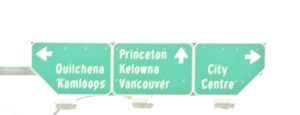
Construction by the  North exit of Merritt BC Canada

Can we control our selfs

Merritt, British Columbia, is currently experiencing a good deal of construction and development, particularly in the wake of the 2021 atmospheric river event and ongoing efforts to enhance the community’s infrastructure and housing.
Here’s a breakdown of what’s happening:
Current Construction Projects:
* Highway Flood Recovery Projects (Highway 8): Significant work is underway on permanent repairs to damaged sections of Highway 8 between Spences Bridge and Merritt. This includes bridge repairs, road reconstruction, and environmental enhancements to make the highway more resilient to extreme weather. Several sites along Highway 8 are actively under construction, with some sections still having gravel surfaces and reduced speed zones.
* Trans Mountain Expansion Project: Cleanup and reclamation efforts related to the Trans Mountain pipeline expansion continue between Merritt and Coquihalla Summit, as well as between Kamloops and Merritt. Crews are working intermittently on right-of-way and access road cleanup, reseeding, replanting, and land reclamation.
* Gateway 286 Development: This is a major redevelopment project at the former Visitor Information Centre site at Exit 286 (where the Coquihalla Highway meets Highway 97C). This commercial hub is expected to include restaurants, convenience stores, a gas station, a dog park, and what is planned to be Western Canada’s largest electric vehicle charging station. This project is a partnership with the five Nicola Valley First Nations and aims to provide economic opportunities and a vital transportation hub. Construction was expected to begin in Summer 2024.
* Affordable Housing Developments:
   * A 52-unit affordable rental housing development for First Nations families, elders, and youth is currently under construction at 2640 Spring Bank Avenue. This four-storey building is expected to be completed by Spring 2025 and will include studio, one-, two-, and three-bedroom units, with many being accessible or adaptable.
   * Construction is also starting on a new family housing complex at the Nicola Valley Institute of Technology (NVIT) Merritt campus. This project will include 12 townhouses for primarily Indigenous families, with a mix of two- and three-bedroom units, and an expanded childcare facility with 36 spaces. This is expected to open by Fall 2027.
* West Merritt Active Transportation Path: A 2.7 km multi-use path/active transportation corridor in West Merritt has been under construction and was expected to be completed in Spring 2023.
* Collettville Lindley Creek Road Development: A multi-phased residential and industrial development is underway on Lindley Creek Road in Collettville. The conceptual plan included 98 townhomes, 95 mobile homes, and up to 180 condominium units, along with a significant park dedication. The residential portion is expected to provide quicker and more attainable housing, and the industrial development aims to attract new businesses and jobs.
* Kasa Industrial Park: A 10-acre site at 3888 Voght Street is being developed into a distribution warehouse and precast concrete manufacturing facility, with a project value exceeding $15 million.
* Bell Canada National AI Data Centre: Merritt has been selected as the site for a new Bell Canada National AI Data Centre, with updates as of June 2025.
* Universal Water Meter Program: The City of Merritt is launching a universal water meter program, supported by a $3 million grant.
Building Permits and Property Makeup (Industrial vs. Residential):
While specific numbers for current permits entered into by the City of Merritt and a precise breakdown of the current makeup of industrial and residential properties are not readily available in general public searches, here’s what we know about permits and the general landscape:
* Building Permits: Building permits are required for most new construction, alterations, additions, or demolitions in Merritt. This ensures projects comply with the BC Building Code and local regulations for safety and integrity. The City of Merritt has a Development Services department that processes building, demolition, plumbing, and sign permits. You would generally need to contact the City directly for detailed statistics on the number of permits issued and their classification (e.g., residential vs. industrial).
* Development Permits: For multiple-unit residential, commercial, or industrial developments, a Development Permit (DP) is often required in addition to a building permit. These are processed by the Planning staff and are necessary if the land is within a designated Development Permit Area.
* Industrial and Residential Mix: Merritt is seeing growth in both residential and industrial sectors. The affordable housing projects and the Collettville development indicate an expansion of residential options, while the Kasa Industrial Park and the industrial component of the Collettville development point to continued industrial growth. The Gateway 286 project is primarily a highway commercial center, which falls under commercial development but serves as a hub for both residents and travelers. The city’s focus on attracting new business and industry through projects like the Collettville industrial development suggests an effort to expand its industrial tax base.
To get the most precise and up-to-date figures on building permits and the current ratio of industrial to residential properties, it would be best to contact the City of Merritt’s Development Services or Planning department directly. They would have the official records and statistics.

A piece of art from a recent art showing in Merritt offered poetic advice.

You can sometimes get a low down across the counter at the Nicola Valley Community Arts Council’s art gallery on the corner of Nicola and Voght.

Weather,two days 35 degrees, Merritt BC.

Summer haze

Jeffery Sacks

“If we normalize craziness there’s no way out.”

Great Summer

The weather  is  forecast for the next  number of days to be moderate with rain .

Stay   bright stay right

National Adaption Strategy

Version Two starship…

The second version of the Mars flying starship has been moved to Texas.

Mars readying

One heavy lifter and away they go…
Photo KDG, Strawberry Moon Merritt BC.

The interest in all things lunar continues as mankind’s March to knowledge grows exponentially everyday.

Flash Flood,2021, just going behind us…

Recent Texas flooding brings memory to the forefront.

It’s been a while on Flood and COVID , and mill closure and we are still here.

Flash floods are among the deadliest natural hazards worldwide, responsible for a significant number of deaths and substantial economic losses. Their sudden onset leaves very little time for warnings, making them particularly dangerous. Climate change, rapid urbanization, and land-use changes are contributing to an increase in their frequency and intensity.
Here’s a breakdown of flash flood statistics:
Global Statistics (relevant to developing world)
* Fatalities: Flash floods cause over 5,000 deaths annually worldwide and account for 85% of all flood-related fatalities.
* Economic Losses: They result in economic losses exceeding $50 billion annually.
* Mortality Rate: Flash floods have the highest mortality rate among different classes of flooding (e.g., riverine, coastal).
* Developing World Impact: In tropical countries, as high as 90% of deaths from flash floods are due to drowning from rapidly rising waters. Developing countries often have limited infrastructure and early warning systems, making their populations more vulnerable.
* Examples:
   * In 2022, flash floods in Pakistan killed over 1,700 people and displaced millions.
   * When Hurricane Mitch struck Central America in 1998, it caused over 11,000 casualties and destroyed hundreds of thousands of homes due to flash floods, floods, landslides, and mudslides.
   * From 1990 to 2022, floods recorded in 168 countries affected over 3.2 billion people, caused 218,353 deaths, and resulted in over $1.3 trillion in economic losses.
     * China was the most affected country in terms of population (1.9 billion) and economic damage ($442 billion), and the second largest in deaths (30,890).
     * India had the second largest population affected (629 million) and the largest number of deaths (46,506).
United States
* Fatalities: Flooding has caused an average of more than 125 deaths per year in the United States over the past few decades, with flash floods being the nation’s top storm-related killer.
* Recent Events:
   * In July 2025, devastating flash floods across the Hill Country in central Texas left a staggering trail of destruction and claimed at least 120 lives (as of July 9, 2025), with many more unaccounted for.
   * Hurricane Helene (September 2024) caused about 250 deaths, many due to massive inland flooding.
   * Eastern Kentucky floods in 2022 led to 45 deaths.
   * Hurricane Harvey (2017) caused over 300,000 structures to be damaged and an estimated $125 billion in damage, with nearly all deaths attributed to freshwater flooding.
* Overall Disasters (1980-2024): The U.S. has experienced 403 billion-dollar weather and climate disasters, claiming nearly 17,000 lives and resulting in more than $2.9 trillion in direct costs. The frequency and cost of these disasters have increased dramatically.
   * The average number of billion-dollar disasters per year has grown from about three in the 1980s to 19 in the last 10 years.
   * 2023 and 2024 shattered previous records with 28 and 27 billion-dollar disasters, respectively.
* Circumstance of Fatalities: 63% of flood-related fatalities are associated with vehicles.
Canada
* Costliest Natural Disaster: Flooding is the costliest natural disaster for Canadians.
* Frequency: Floods occur five times as often as wildfires in Canada. Between 1900 and 2005, there were 241 flood disasters. Statistics show the number of floods has almost tripled from the 1960s to the 1970s and continues to rise.
* Recent Events:
   * In July 2024, torrential rain and flash floods in Toronto and southern Ontario caused over $940 million in insured damage.
   * The 2024 year is already the costliest in terms of catastrophic weather-related insurance payouts, surpassing the 2016 Fort McMurray wildfire, with one life lost during the four largest weather catastrophes (wildfires, hail, floods) in the summer of 2024.
   * The 2013 Alberta floods are considered the costliest natural disaster in Canada’s history.
* Historical Fatalities:
   * Hurricane Hazel in October 1954 caused flooding in Toronto, resulting in more than 80 deaths and severe damage.
   * The 2021 British Columbia floods, a once-in-500-year event, swallowed highways, washed away bridges, cut off railroads, and led to at least four deaths.
   * In 1950, the Winnipeg flood affected one-sixth of the city, evacuating over 100,000 people and costing about $126 million (adjusted for 2020), damaging 10,500 homes.
These statistics highlight the escalating threat of flash floods globally and regionally, emphasizing the urgent need for improved early warning systems, resilient infrastructure, and adaptation strategies in the face of a changing climate.

Skies are friends and foe.

May the recent flash flood in Texas be seen as a going forward opportunity rather than catastrophic loss doing no one some good.

Never swim alone…

When engaging in water activities, especially swimming, prioritizing safety is paramount. One of the most critical aspects of water safety is the “buddy system” – always swimming with another person.
Here’s a breakdown of why this is so important and other key water safety tips:
The Importance of the Buddy System
* Immediate Assistance: In an emergency, such as a cramp, exhaustion, or a sudden medical issue, a buddy can provide immediate help. This could mean pulling you to safety, calling for help, or performing CPR if they are trained. Even a few seconds can make a significant difference in a water emergency.
* Accountability: Knowing someone is watching out for you and vice-versa adds a layer of accountability. You’re less likely to take unnecessary risks when someone else’s safety is also a consideration.
* Reduced Panic: If you get into trouble, the presence of a calm and capable buddy can help reduce panic, which is often a major factor in drowning incidents.
* No One is Immune: Even strong swimmers can get into trouble. Unexpected currents, hidden obstacles, or sudden health issues can affect anyone.
* Supervision for Children: For children, the buddy system extends to constant, active adult supervision. A child should never be left unsupervised near water, even for a moment.
General Water Safety Tips:
* Learn to Swim: This is the most fundamental water safety skill. Enroll in swimming lessons if you don’t know how to swim or want to improve your skills.
* Choose Supervised Locations: Whenever possible, swim in areas with lifeguards. Lifeguards are trained professionals who can respond quickly to emergencies.
* Know Your Limits: Don’t overestimate your swimming ability. If you’re tired or unsure, get out of the water. Avoid swimming long distances in open water if you’re not properly trained.
* Check Water Conditions: Be aware of currents, tides, water depth, and potential hazards like rocks, weeds, or marine life. Look for signs indicating dangerous conditions.
* Never Dive into Unknown Depths: Always check the depth of the water before diving in. Many serious injuries occur from diving into shallow water or striking hidden objects.
* Avoid Alcohol and Drugs: Alcohol and drugs impair judgment, coordination, and reaction time, significantly increasing the risk of accidents in and around water.
* Wear a Life Jacket: If you are participating in boating activities, or are a weak swimmer in open water, always wear a properly fitted U.S. Coast Guard-approved (or equivalent national standard) life jacket.
* Sun Protection: While not directly related to drowning, prolonged exposure to the sun can lead to sunburn and heatstroke, which can impair your ability to react in an emergency.
* Enter Feet First: When entering unfamiliar water, go in feet first to avoid surprises.
* Emergency Preparedness:
   * Know how to call for help.
   * If you see someone in trouble, don’t just jump in unless you are trained in water rescue. “Reach or throw, don’t go.” Extend a rescue device (like a pole, rope, or life preserver) to the person.
   * Learn CPR and basic first aid.
By following these guidelines, especially the crucial buddy system, you can significantly reduce the risks associated with water activities and ensure a safer, more enjoyable experience for everyone.

Water safety is everyone’s concern.

A little training could make a difference.

Be safe you’re in control…

One thought, make it home to…

On this Day: August 26th 2002

The Earth summit 2002 begins in Johannesburg South Africa.

2025 Schedule https://www.facebook.com/share/v/UFE4QB146J2E9R5w/?mibextid=Dpxkx3

Thank you for your time in Merritt…

The Bass Coast Festival is happening this weekend in Merritt, British Columbia, from July 11-14, 2025.
Regarding proceeds and attendance:
Attendance:
Bass Coast Festival has capped its attendance at 6,500 people each year to maintain its community aspect and focus on the overall experience. This number includes artists, festival-goers, volunteers, and vendors.
Proceeds:
While specific overall proceeds for the 2025 festival aren’t publicly detailed, Bass Coast Festival is an independently owned and artist-run event. They have a strong commitment to community support, as evidenced by:
* Donations to the Nicola Valley Food Bank: Bass Coast has an annual fundraising compilation called “12 Days,” where 100% of proceeds from album sales are donated to the Nicola Valley Food Bank in Merritt. They also top up the amount to reach a specific goal (e.g., $2500 CAD in one instance, and a $22,000 donation in another).
* Donations to environmental organizations: Bass Coast has also donated Bandcamp proceeds to organizations like West Coast Environmental Law.
* Economic Impact: The festival significantly contributes to Merritt’s economy, generating an estimated $4 million for the local area.
Essentially, while the exact financial “proceeds” in terms of profit aren’t publicly disclosed, the festival is known for its community-focused approach and its positive economic impact on the host town, Merritt.

We would love to have you back…

Algae blooms Nicola lake…

Warm and low water levels make for rapid toxicity.

As of late June 2025, there are current advisories and responses in place for algae blooms on Nicola Lake, near Merritt, BC. Here is a summary of the situation and the responses from local authorities:
Algae Bloom Advisories and Status:
* Current Advisories: BC Parks and Interior Health are currently advising the public about potential blue-green algae blooms on Nicola Lake. Visitors are urged to use caution and avoid direct contact with any visible blooms.
* Water Activity Discouragement: Water activities like swimming are discouraged in areas where blooms are present.
* Previous Closures: It’s important to note that Nicola Lake has a history of toxic algae blooms, with advisories and beach closures occurring in previous years. For example, advisories and closures were in place in July 2023 due to the presence of cyanobacterial toxins. These advisories were lifted once water samples tested negative for toxins.
* Monitoring: The First Nations Health Authority and Interior Health continue to monitor Nicola Lake, as well as nearby lakes like Douglas Lake and Chapperon Lake, for algae blooms.
Responses and Recommendations:
* Avoid Contact: The primary recommendation from health authorities is to avoid any contact with the water if you see a bloom. This includes swimming, boating, and waterskiing.
* Rinse Off: If you do come into contact with the water, rinse your body with clean water immediately.
* Drinking Water: If you use Nicola Lake as a source of drinking water, you should use an alternate source, such as bottled water. Boiling the water will not remove the toxins.
* Pets and Livestock: Use an alternate drinking water source for pets and livestock as well.
* Symptoms: Exposure to cyanobacteria toxins can cause symptoms such as dizziness, cramps, diarrhea, skin rash, and mouth blisters. If you or your pet show these symptoms, contact a physician or veterinarian immediately.
* Citizen Science: The BC Algae Watch program encourages the public to report algae bloom sightings, which helps experts monitor and understand their occurrence.
* Continued Monitoring: Interior Health and BC Parks continue to monitor the situation and will update the public as required. They have a public beaches website where they post current advisories and closures.
* Foreshore Management: In a long-term effort to improve the health of Nicola Lake, the Upper Nicola Indian Band and Living Lakes Canada have been collaborating on foreshore management and monitoring projects, using both scientific data and Indigenous knowledge to guide their work.
What is an Algae Bloom?
Algae blooms are a natural phenomenon, but their frequency and severity can increase due to factors like excessive nutrient loading and warmer water temperatures. The blooms in Nicola Lake are often caused by cyanobacteria, also known as blue-green algae. While some algae are harmless, cyanobacteria can produce toxins that are harmful to people, pets, and livestock. These blooms can look like pea soup, have a paint-like appearance, or form thick scums on the water’s surface, and they can produce a strong, unpleasant odor.

Dog death, Nicola Lake

There are reports of at least one dog’s death and its exposure was not that long and its contraction of bacteria fairly rapid. This is the recent weekend, first of July.

Red tide and red algae

Red algae, also known as Rhodophyta, are a diverse group of mostly marine macroalgae (seaweeds) that get their characteristic red color from pigments called phycobiliproteins, particularly phycoerythrin. This pigment allows them to absorb blue light, which penetrates deeper into the ocean, enabling them to photosynthesize at greater depths than most other algae.
They play crucial roles in marine ecosystems, including contributing to reef formation. Some species, like Nori (Porphyra) and Dulse (Palmaria palmata), are consumed as food, while others are used to produce industrial products like agar and carrageenan due to their gelling and thickening properties.
Toxicity: Red Algae vs. Blue-Green Algae
When discussing toxicity, it’s important to distinguish between “red algae” as the broader group (Rhodophyta) and “red tide,” which is a specific type of harmful algal bloom (HAB) often caused by certain dinoflagellates. While some red algae can be consumed safely, “red tide” blooms are often associated with toxins.
Here’s a comparison of toxicity between “red tides” (often caused by dinoflagellates, sometimes referred to as red algae due to their color) and blue-green algae (cyanobacteria):
* Blue-green algae (Cyanobacteria): These are a common cause of harmful algal blooms in freshwater environments (lakes, rivers). They produce toxins called cyanotoxins, which can affect the liver (microcystins), nervous system (anatoxins), or skin. Exposure can lead to symptoms like skin irritation, gastrointestinal issues, and in severe cases, liver damage or neurological problems. Animals and humans can get sick by touching, swallowing, or inhaling contaminated water.
* Red Tides (Dinoflagellates and some Diatoms): These are the most common cause of harmful algal blooms in saltwater environments. While they can sometimes be caused by dinoflagellates that are red or brown, they are not typically from the larger group of red algae (Rhodophyta). The toxins produced vary by species but can include:
   * Brevetoxins (from Karenia brevis): Cause neurotoxic shellfish poisoning, leading to gastrointestinal and neurological symptoms, and respiratory irritation when airborne.
   * Saxitoxins (from Alexandrium species): Cause paralytic shellfish poisoning, which can be severe and life-threatening, affecting the nervous system and leading to paralysis.
   * Domoic acid (from Pseudo-nitzschia species, a diatom): Causes amnesic shellfish poisoning, which can lead to gastrointestinal and neurological symptoms, including memory loss.
Which is “more toxic”?
It’s difficult to definitively say which is “more” toxic as the severity of illness depends on the specific toxin, the concentration of the bloom, and the level of exposure. Both blue-green algae and the organisms causing red tides can produce highly potent toxins that can cause severe illness or death in humans and animals.
Key takeaways:
* Red algae (Rhodophyta), as a general group, are diverse, and many species are harmless and even consumed as food.
* “Red tide” refers to harmful algal blooms in saltwater, often caused by dinoflagellates or diatoms, which can produce dangerous toxins. These are distinct from the broader category of red algae.
* Blue-green algae (cyanobacteria) are a major concern for harmful blooms in freshwater and can also produce potent toxins.
In any case where there’s suspected algal bloom, it’s crucial to avoid contact with the water and follow local advisories, as you cannot tell if a bloom is toxic just by looking at it.

Stay safe…

Globalization making us food insecure

Geopolitics

Canadian independence from the US, need and globalization has the agenda from ecology preservation – Suzuki.

New PM talking pipelines

Dr. Suzuki is concerned that the well-being of Canada’s been hijacked or is being hijacked and that the current government along with it has backed away from unnecessary emphasis on the environment.

Extinction of creatures, two generations.

A human generation is generally considered to be about 20-30 years, with recent research suggesting an average of around 27-30 years. Therefore, “two human generations” would refer to a period of roughly 40-60 years.
It’s incredibly difficult to give an exact number of creatures that have gone extinct in such a recent timeframe due to several factors:
* Many species are undiscovered: Scientists estimate there are millions of species on Earth yet to be identified, especially in lesser-explored environments like deep oceans or rainforests. Many could go extinct before we even know they exist.
* Difficulty in confirming extinction: It can take many years, even decades, of no confirmed sightings before a species is officially declared extinct.
* Varying definitions of “creature” or “species”: This can include everything from insects and fungi to large mammals, and the data available often focuses on more well-known or charismatic species.
However, scientific consensus indicates that we are currently in the midst of a sixth mass extinction event, driven primarily by human activities. The current extinction rate is estimated to be 1,000 to 10,000 times higher than the natural background rate.
While precise numbers for the last 40-60 years are hard to pinpoint, some reports highlight the alarming trends:
* Some estimates suggest that dozens to hundreds of species go extinct every day, though this often includes unconfirmed or localized extinctions.
* The World Wildlife Fund’s Living Planet Index reported a 73% decline in the average size of global wildlife populations in just 50 years (between 1970 and 2020), which indicates widespread biodiversity loss even if not all species are officially declared extinct.
* A 2019 UN report stated that around 1 million animal and plant species are now threatened with extinction, many within decades. It also noted that at least 680 vertebrate species had been driven to extinction since the 16th century.
In summary, while a precise number is elusive, the scientific community overwhelmingly agrees that a significant and alarming number of creatures have gone extinct in the last two human generations, and the rate of extinction is accelerating due to human impact.

What answers remain?

Deer in yard  summer 2025

Habitable for tokens, photo KDG Merritt BC