
Latest Entries »

Search,for…

Personal Safety is worth its weight in gold.

Manitoba context

The “search the landfills” controversy in Manitoba, Canada, is a significant and painful issue surrounding the missing remains of murdered Indigenous women.

The Manitoba Landfill Search Controversy

The controversy centers on the Prairie Green Landfill north of Winnipeg, where the remains of several Indigenous women, victims of serial killer Jeremy Skibicki, are believed to have been dumped. * The Victims: The remains of Morgan Harris and Marcedes Myran are believed to be in the landfill. A third victim, Rebecca Contois, had partial remains found at a different landfill, and the remains of a fourth victim, an unidentified woman known as Mashkode Bizhiki’ikwe (Buffalo Woman), have not been found. * Initial Refusal: Family members and Indigenous leaders advocated strongly and publicly for a search of the Prairie Green Landfill. However, the provincial government at the time, and the Winnipeg police, initially refused to conduct a full search, citing safety concerns due to hazardous materials (like asbestos) and the high cost and complexity of sifting through massive amounts of toxic debris. * Political Shift and Search: The refusal was met with outrage and became a major issue in the 2023 Manitoba provincial election. The New Democratic Party, led by Wab Kinew, campaigned on a promise to fund the search if elected. After winning, the new provincial government, along with the federal government, committed tens of millions of dollars to the search effort. * The Search Begins: The humanitarian search began in December 2024. In the following months, possible human remains were found and one set was identified as belonging to Morgan Harris. The search for Marcedes Myran continues. This development, while bringing grief, provided validation for the families’ tireless fight.

* Broader Context:

The entire controversy is a microcosm of the systemic issue of Missing and Murdered Indigenous Women, Girls, and 2SLGBTQQIA+ People (MMIWG2S+) in Canada, and the perceived systemic failure by police and government to adequately investigate and prioritize these cases.

Personal Safety Advice

Feeling safe is a fundamental right. While no single set of tips can guarantee safety, practicing situational awareness and setting boundaries are key.Increase Awareness and Trust Your Intuition * Be Alert: Limit distractions like excessive phone use. Keep your head up, remain alert, and pay attention to your surroundings—who is around you, and what behavior seems out of place? * Trust Your Gut: Your “sixth sense” or intuition is a powerful self-defense tool. If a person, place, or situation feels wrong or unsafe, leave immediately. It is never rude to prioritize your safety. * Project Confidence: Walk with purpose and confidence, and make eye contact. Predators often target those who appear distracted or vulnerable.Planning and Technology *

Have a Plan:

When going out, let a trusted person know your itinerary, including who you’re with, where you are going, and approximately when you expect to be home. Check in with them when you arrive and leave. * Share Your Location: Use your smartphone’s features to ping or share your real-time location with trusted friends or family. * Self-Defense Tools: Consider carrying a personal safety alarm or whistle. The sound is disorienting to an attacker and draws attention. * In Transit: When walking, stick to well-lit, busy streets. If driving, keep your doors locked and look inside your car, especially the back seat, before getting in.

Setting and Defending Boundaries

* Clearly Say “No”:

Practice asserting your boundaries with firm body language and a clear voice. You have the right to refuse anything that makes you uncomfortable, whether it’s unwanted attention or pressure to go somewhere.

* Socializing:

If you’re out with friends, stick together. Watch your drinks at all times, or use protective covers. If you feel unsafe or notice an escalation, immediately seek help from a bartender, bouncer, or staff member.

The successful landfill search bringing hope for families of other missing

Trusted friends are a great value

Merritt Centennials

The Merritt Centennials met the Princeton Posse in action at the Nicola valley memorial arena in Merritt this evening. The final score was home 2 and guest five. That would be Princeton over Merritt in Merritt.

Great fun!.

TGIF-Friends

Your only Young once…

All work and no play makes Jack a dull boy.

Be innocent as a dove and as wise as a serpent.

Data

Economic weight

Data storage, primarily housed in data centers, is a critical component of the modern digital economy. It involves the recording and keeping of digital information using various technologies.

Economic Impact (GDP Percentage)The data storage and broader data center market contributes significantly to the global economy, though its contribution isn’t typically captured as a single percentage of global GDP.

* Market Size and Growth: The global data storage market was valued at approximately $218.33 billion in 2024 and is projected to grow substantially, reaching an estimated $774.00 billion by 2032. This rapid growth reflects its increasing importance to all sectors of the economy.

* Indirect Contribution: The true economic impact is much larger than the market size alone, as data storage is an enabling technology. Virtually every other industry—from finance and healthcare to retail and manufacturing—relies on it. For example, some economists have suggested that a significant portion of GDP growth can be attributed to the infrastructure provided by data centers.

Relationship with Electrical Usage

In the clouds

power

demand

There’s a strong and rapidly growing relationship between data storage/data centers and electrical consumption.

* High Power Demand:

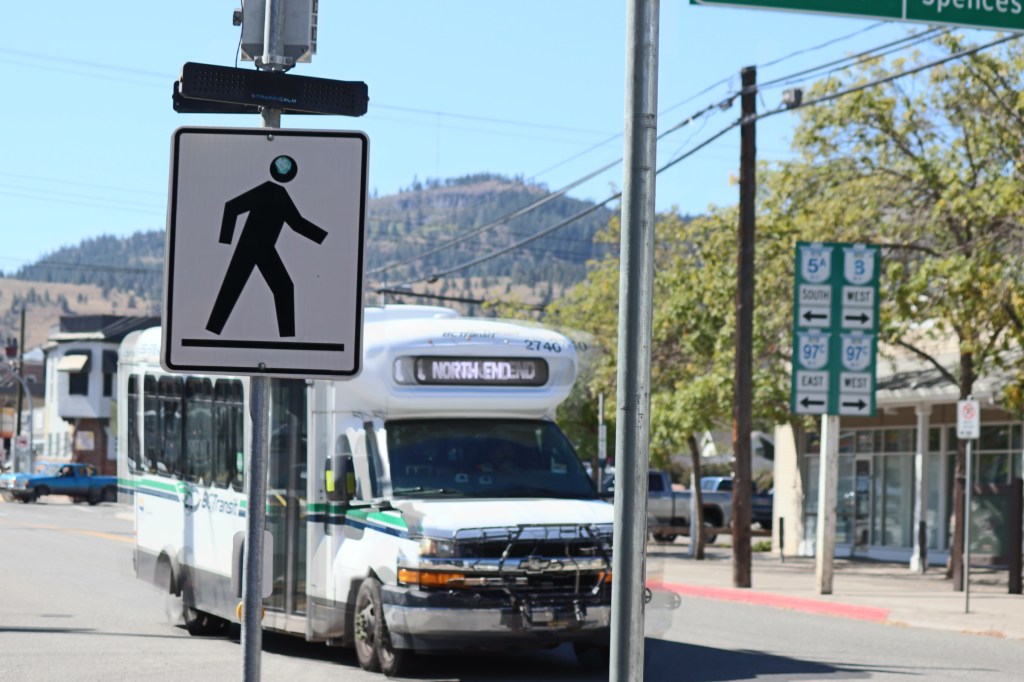
North end Merritt

Data centers are massive consumers of electricity, primarily due to two factors:

* IT Equipment Operation: The servers, storage drives, and networking equipment must run 24/7. *

Cooling Systems: A significant portion of the electricity—often around 40% or more—is used to power the cooling, ventilation, and air conditioning (HVAC) systems required to dissipate the vast amount of heat generated by the running equipment.

* Global Consumption: Globally, data centers currently account for an estimated 1.5% to 2% of total worldwide electricity consumption. *

Rapid Growth: This usage is expected to increase dramatically, driven by the explosive demand for Artificial Intelligence (AI), cloud computing, and big data analytics. Projections suggest that global electricity consumption from data centers could double or even triple by 2030 in some scenarios.

Advantage of Iceland for Data Storage

Iceland is an exceptionally advantageous location for hosting data centers, primarily because of its unique geological and climatic features, which address the major challenges of cost and sustainability.| Advantage | Benefit for Data Storage ||—|—|| Cool Climate | The country’s year-round mild and cool temperatures allow data centers to use “free air cooling” or “natural cooling.” This dramatically reduces or eliminates the need for mechanical cooling, saving huge amounts of electricity and lowering operating costs. |

| 100% Renewable Energy | Iceland’s electricity is sourced entirely from geothermal and hydroelectric power. This provides a stable, abundant, and carbon-free energy supply, which is critical for companies focused on sustainability and minimizing their carbon footprint.

Low Energy Costs

|| Low Energy Costs | Due to the abundant renewable resources, Iceland offers competitive and stable low energy prices, which is a significant operating expense for any data center.

|| Strategic Location | Its location in the North Atlantic, with submarine fiber optic cables connecting it to both North America and Europe, positions it as a potential hub for transatlantic data transfer.

|| Political Stability | Iceland offers a secure and stable political and business environment with a clear regulatory framework, reducing operational risks for large investments.

In summary, Iceland offers a “cool, green, and scalable” environment, allowing data centers to achieve excellent Power Usage Effectiveness (PUE) and meet corporate sustainability goals.

Bell Merritt

Good luck, in Merritt, Bell Canada is in process of constructing for a closer to home operation in the North end of Merritt BC Canada.

“Big things” for a small town with stable workforce and amenities including climate and proximity as well as reliable transportation in a stable Country.

photo: KDG October 22nd, 2025

The frosts on the roofs of these Garcia Street homes in Merritt, British Columbia are the first visible substantial frost in our minds for this fall. The skies are sunny and the days are still warm. We generally don’t get snow on the grounds of the second week of November. There is a bit of a sense of normality.

no alerts as of 10:00 a.m. Wednesday, October 22nd 2025 according to environment Canada.

Nicola River

Garcia street Merritt BC

Highways entering 5&5A

The Nicola River was the quiet partner draining the Nicola Valley to the coast from the conjuction of the Coldwater bad boy of 2021. The enterence to the city from the north end includes two highways shared with the Nicola river. A dance partner that sustained a lot of damage that took years to repair…

The Nicola River:

Tributary of Thompson River

is an important tributary to the Thompson River in south-central British Columbia. The section from the outlet of Nicola Lake to its confluence with the Thompson River near Spences Bridge covers a distance of approximately 100 kilometers.Here is some general information about the river’s flow and levels in this stretch:General Flow Characteristics * Regulation: The flow out of Nicola Lake is regulated by a storage dam, which influences the river’s initial discharge. * Tributary Influence: As the river flows towards the Thompson, it is significantly augmented by major tributaries, most notably the Coldwater River (near Merritt) and Spius Creek. These tributaries, particularly the Coldwater River, contribute large volumes of water, especially during spring melt. * Annual Pattern: Like many interior BC rivers, the Nicola River experiences a typical pattern: * Maximum Flows (Peak Flows): Generally occur in the late spring or early summer (May/June) due to snowmelt, and are the basis for flood events. * Minimum Flows (Low Flows): Typically occur in the late summer, fall, and winter. Low flows can be a critical concern for fish, particularly salmon, due to reduced habitat and increased water temperatures. Drought conditions can exacerbate these low-flow periods.Flow Rate DataExact, long-term historical maximum, minimum, and annual mean flows vary considerably along the river and depend on the specific monitoring station (hydrometric station) and the period of record. However, some data points are available for reference: * Near the Outlet of Nicola Lake: The drainage area is approximately 2,990 \text{ km}^2. *

At the Thompson River Confluence (Spences Bridge):

The total drainage area of the Nicola River is approximately 7,670 \text{ km}^2. The discharge here is much greater than at the lake outlet due to the contributions of major tributaries. * One study mentions a designated (daily) flow of 380 \text{ m}^3/\text{s} at the downstream limit of a study area, which indicates the scale of potential high flows near the confluence. *

Critical Low Flow for Fish: MAD

Photo KDG returning Salmon circa September 2025

For salmon management, thresholds like the 20\% Mean Annual Discharge (MAD) and 10\% MAD are used to indicate flows below which fish may be negatively impacted. For a station on the Nicola River (near Nicola), the 20\% MAD was noted as 1.4 \text{ m}^3/\text{s} and the 10\% MAD as 0.678 \text{ m}^3/\text{s}.Maximum and Minimum Levels * Maximum: The Nicola River has a history of significant flood events. The November 2021 flood, for example, was described as a 200-year flood event, which severely impacted the river’s channel and surrounding communities like Merritt.

* Minimum:

Low water levels are a recurring environmental concern, especially in the late summer and early fall, driven by both natural climate cycles and water abstraction for uses like agricultural irrigation.For the most precise and up-to-date data on daily and historical maximum/minimum levels and flows, it is best to consult the Environment and Climate Change Canada’s Water Survey of Canada or the British Columbia River Forecast Centre, which maintain continuous monitoring stations (like 08\text{LG}065 at the Outlet of Nicola Lake and 08\text{LG}070 south of Shackan).

Recovery from flash flood of 2021

The Coldwater River flooded very quickly and did a lot of damage in November of 2021. It joined the Nicola River at the confluence of highway 8 and continued to do its contribution to a 200 year flash flooding that did extensive damage to the coquihalla highway in many places in the province. Not many lives were lost, however economic damage was tremendous.

Canada drives

New federal inputs…

This input is prevoked by unidentified sources saying that Recent Federal activity may cause a signage flurry. Safe and defensive driving remains your primary duty. Be calm and carry on…

Bigger Fines

Remember Claire Newman

Merritt City Councillor, Deceased

The landscape of traffic and road safety regulations in Canada involves a distinct division of powers between the federal, provincial, and territorial governments.Federal Traffic Regulations for 2025 (Potential and Confirmed)While some sources circulated claims of a “New Canada Driving Law 2025” with wide-ranging changes, official government sources indicate that many day-to-day traffic rules remain under provincial jurisdiction.The federal government’s role, through Transport Canada, primarily focuses on areas like: * Vehicle Safety Standards (Motor Vehicle Safety Act): * **Advanced Driver Assistance Systems (ADAS): New federal regulations are mandating that all newly manufactured vehicles (light and heavy) include specific safety technologies like Automatic Emergency Braking (AEB) and, potentially, other systems like lane-keeping assistance and adaptive cruise control. *

School Bus Safety:

Proposed regulations include mandating extended stop arms and exterior vehicle perimeter visibility systems on all newly manufactured school buses. * Recall Information: New regulations may require designated vehicle companies to provide a free web-based service for consumers to look up vehicle-specific recall information using their VIN. * Commercial Vehicle Regulation (Interprovincial/Territorial Carriers): * Electronic Logging Devices (ELDs): Regulations require federally regulated commercial carriers (those crossing provincial/territorial borders) to use certified ELDs to track driver Hours of Service (HOS). Updates to this may include a transition to third-generation ELDs. * Hours of Service (HOS) Rules: Updates to HOS regulations for commercial drivers (e.g., specific break requirements) are implemented at the federal level to reduce fatigue-related risks. * Criminal Law: * The Criminal Code of Canada governs serious driving offenses like Impaired Driving (alcohol or drug-related) and Dangerous Driving. Any changes to the BAC limits or impaired driving penalties are made at the federal level, applying nationwide.How the Federal Government Implements Regulations with Limited Direct JurisdictionYou are correct that the federal government owns and maintains only a very small fraction of Canada’s roads (such as some roads on federal lands like national parks, military bases, or the small portion of the National Highway System that is federally owned).The federal government is able to establish nationwide rules because its authority stems from different legislative powers than those of the provinces: *

Criminal Law Power:

Guilty mind or should have been.

prison for impaired

The federal government has exclusive jurisdiction over criminal law, which is why it sets the rules and penalties for impaired and dangerous driving that apply across all provinces. *

Trade and Commerce Power:

This allows the federal government to regulate interprovincial and international trade, which is the basis for regulating commercial trucking (carrier safety, ELDs, HOS) that crosses borders. * Peace, Order, and Good Government (POGG) Power and Declaratory Power: These allow the federal government to set national standards where there is a clear national concern or to declare works (like certain transportation systems) to be for the general advantage of Canada. * Motor Vehicle Safety Act: The federal government uses this act to set technical safety standards for all vehicles and equipment imported or manufactured for sale in Canada. This is how mandatory ADAS systems are enforced—it’s a requirement for the vehicle to be sold in the country, not a direct rule for the driver on the road.In summary: *

Federal government regulates the vehicle (safety standards),

and the serious criminal offenses (impaired driving), and interprovincial commercial transport. * Provincial/Territorial governments regulate the driver and use of the road (licensing, vehicle registration, speed limits, distracted driving, right-of-way rules, and most general traffic enforcement).

Your child is out there…

Stay safe, cost to much otherwise

20th,October 2025

Three interesting things that have happened on the 20th of a month are: *

July 20, 1969:

The Apollo 11 Lunar Module, Eagle, landed on the Moon, and a few hours later, Neil Armstrong became the first human to walk on its surface. *

October 20, 1968:

Former U.S. First Lady Jacqueline Kennedy married Greek shipping magnate Aristotle Onassis on the island of Skorpios.

* November 20, 1910:

The Mexican Revolution began with the call to arms by Francisco I. Madero, marking the start of a decade-long struggle that profoundly reshaped the country’s political and social structure.

What will you do on October 20th?

Cassadra Dolen returns…

Cassandra Dolen, an established successful artist with published books was at the the artist reception for the October November showing of the “Who Done It” version of an anonymous artist competition and sale.

cassadradolen.org

Cassandra was noted as saying that she has returned to Merritt after living with her brother in Victoria after losing her husband, 3 years ago.

Who Done It art show continues on to November 10th. 2025, corner of Nicola avenue and Voght Street in Merritt, BC.

Sop, Saturday

What is peace?

That’s a profound request. Peace is one of the most complex and universally desired concepts. Here is an overview of its nature, attainment, duration, allies, adversaries, and value.The Nature of PeacePeace is not merely the absence of war or conflict; it is a dynamic state of harmony, balance, and well-being. It exists on two main levels: *

Inner Peace

(or Psychological/Spiritual Peace): A state of mind where one is calm, content, and free from debilitating anxieties and emotional turmoil. It’s often found through self-acceptance and mindfulness. * Outer Peace (or Social/Global Peace): A condition in communities, nations, and the world characterized by justice, equality, respect for human rights, cooperation, and the constructive resolution of conflict.How Peace is AttainedAchieving peace is a continuous process requiring effort on both the individual and collective levels.For Inner Peace: * Mindfulness and Meditation: Practices that train the mind to stay present and observe thoughts without judgment, reducing reactivity to stress. * Acceptance: Acknowledging and accepting circumstances, both internal and external, that cannot be changed. * Forgiveness: Releasing anger and resentment toward oneself or others, which frees up emotional energy.For Outer/Global Peace: * Justice and Equality: Addressing systemic inequalities, poverty, and discrimination, as injustice is a primary root cause of conflict. * Dialogue and Diplomacy: Establishing open channels of communication to understand opposing viewpoints and negotiate solutions. * Education: Teaching empathy, critical thinking, and conflict resolution skills from a young age. *

Strong, Fair Institutions:

Creating effective legal and governmental structures that enforce laws impartially and protect human rights.The Duration of PeaceHow long peace lasts depends entirely on its foundation and maintenance. * Temporary Peace (Truce/Absence of Conflict): This can be short-lived, often only lasting as long as the underlying issues remain unaddressed. A simple ceasefire, for example, is temporary. * Durable Peace (Positive Peace): This is long-lasting because it is built on strong pillars of social justice, economic opportunity, and political stability. It’s a system where conflicts are naturally resolved without violence.Peace is not a permanent destination but an ongoing activity. It requires constant vigilance, effort, and reinvestment by all parties involved, much like maintaining a garden.Enemies and Friends of PeaceThe Enemies (Adversaries)The enemies of peace are the forces that disrupt harmony and fuel conflict: * Injustice: Unfair systems, inequality, and oppression. * Fear and Ignorance: Fear often leads to prejudice, and ignorance prevents understanding. * Greed: The insatiable desire for power, resources, or wealth, leading to exploitation and competition. * Extremism and Dogmatism: Rigid, uncompromising beliefs that reject dialogue and compromise. * Poverty: Economic deprivation that leads to desperation and vulnerability to recruitment by violent groups.The Friends (Allies)The friends of peace are the virtues and practices that sustain harmony: * Empathy and Compassion: The ability to understand and share the feelings of others. *

Tolerance and Respect:

Acknowledging the value and rights of all individuals, regardless of their differences. * Honesty and Integrity: Building trust between people and nations. * Dialogue and Diplomacy: The commitment to non-violent communication and negotiation. * Rule of Law: A system where all people and institutions are accountable to laws that are fairly enforced.The Value of PeaceThe value of peace is incalculable and serves as the foundation for all other human progress: * Enables Development: Peace allows societies to divert resources from military spending to education, healthcare, infrastructure, and scientific research. *

Fosters Human Potential:

In a peaceful environment, individuals are free from the daily struggle for survival and can focus on creativity, self-improvement, and contribution to society. * Preserves Life and Dignity: It prevents the loss of life, injury, and the widespread suffering and displacement caused by war. *

Strengthens Economy:

Stable, peaceful societies attract investment and facilitate trade, leading to economic prosperity. * Promotes Democracy and Human Rights: Peace provides the necessary stability for democratic institutions to flourish and for fundamental rights to be protected.In essence, peace is the indispensable prerequisite for a thriving, just, and humane world.

TGIF-Artist reception…

Who done it?

Friday October 17th,2025,5-7 PM

The Nicola Valley Community Arts council is at it with a show that runs till November 10th, “Who Done It”, displays a lot of local artists with the same size canvas putting their art up anonymously and showing their style into a Discovery.

Reception at the corner of Nicola and Voght Street in Merritt, British Columbia, Canada. Enter by the side door beside

Kekalui Cafe.

This is not an add, however, it’s news and we expect anybody that would like to would make a comment about the show and we’d appreciate that input. KDG

A House of Dynamite

Well, lust for power is always going to be there ❤️💖