You are presumed to be honest and responsible without evidence to the contrary beyond a reasonable doubt… on the balance of probablilties you are justified by 51 % likelyhood.
All deference to My generation who grew up with the friendly giant and Rusty the rooster and CBC.
Hey Rusty
Rusty the Rooster was a beloved fixture of Canadian children’s television, appearing on CBC’s The Friendly Giant alongside Jerome the Giraffe and Bob Homme from 1958 to 1985. Emerging from a canvas bag or a book, Rusty was characterized by his gentle demeanor, intellectual curiosity, and his collection of “book bags” filled with stories. The show’s tenure was defined by a deliberate, quiet pacing that contrasted sharply with the high-energy spectacle of typical children’s programming. By prioritizing a “low-key” atmosphere, the program fostered a sense of safety and intimacy, suggesting that the most profound growth in a child’s development occurs through soft-spoken guidance and imaginative play rather than overstimulation.Impact and LegacyThe success of The Friendly Giant and Rusty the Rooster is often measured by their enduring cultural footprint and the emotional resonance they held for generations of viewers. * Longevity: A 27-year run on the CBC remains one of the longest in Canadian broadcasting history. * Philosophy: The show proved that “peaceful and gentle” content was not only viable but essential. It treated children with dignity, never “talking down” to them, which built a foundation of trust. * Cultural Success: The show received numerous accolades, including the Sylvania Award and a Gemini for Bob Homme’s contribution to the arts. Even decades after its cancellation, the theme music and characters remain iconic symbols of a nurturing, compassionate approach to early education.Would you like me to look into other classic CBC children’s programming from that era, such as Mr. Dressup or Chez Hélène?
It’s legal spring now since the 20th. There was a bit of sunshine today. It was just poking around after a bunch of wind and rain snow and grief you know. Looking forward to some nice spring with some nice music and some getting out. Are you? I am.
A reconnect dear friend,verse by KDG
Come dear spring and be my friend. Acquaintance was nice but never precise and it kept me from my queue.
The line that flexed with the rest who came to see if it was you. With tight abode there was a road that said down there is good. We walked and talked and then we stopped and we found a bit of Bloom.
Now we feel at rest again and can take our pain to the rain and leave it where it depends.
Come dear spring, our friend again come whenever we call step, Tell us where you’ve been.
It will remember old familiarities and will be on cue, with our call we dive and thrive in bliss and comfort all.
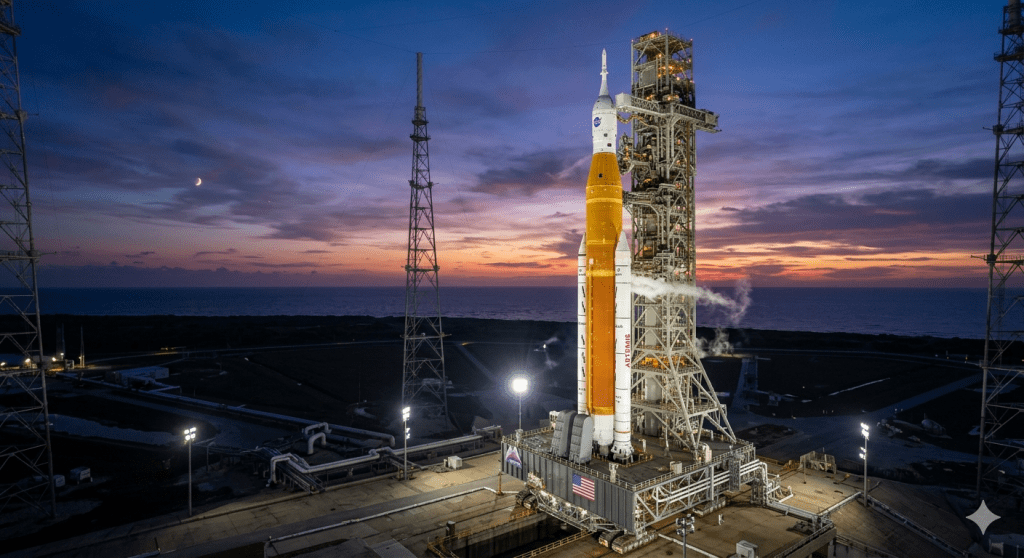
NASA’s Artemis II mission, the first crewed flight in the Artemis program, is scheduled to launch next week from Launch Complex 39B at the Kennedy Space Center in Florida. The target launch date is Wednesday, April 1, 2026, with the launch window opening at 6:24 PM EDT. Therefore, the launch is scheduled for the evening.
If you are watching from other time zones, this corresponds to 10:24 PM UTC, or early Thursday morning, April 2, for locations such as India (3:54 AM IST). NASA has additional backup launch opportunities available through April if a delay is necessary.
Between Vancouver and Toronto is one of the world’s most iconic rail journeys. Covering 4,466 kilometers (2,775 miles), this transcontinental trek spans five provinces—British Columbia, Alberta, Saskatchewan, Manitoba, and Ontario—offering an unrivaled window into the vast and diverse Canadian landscape.Here is a detailed guide to what you can expect on this bucket-list excursion.The Route and Key Stops the full journey takes approximately four days and four nights (about 96 hours). The train runs twice a week year-round in both directions.While the train makes numerous brief stops to exchange passengers and refuel, there are several “major” stops where you have enough time to get off, stretch your legs, and explore the immediate station area.Major Eastbound Stops (Vancouver to Toronto):
* Vancouver, BC (Pacific Central Station):
Your departure point. * Kamloops North, BC: A brief stop, usually late at night or early morning, in the heart of BC’s interior. * Jasper, AB: One of the highlights. The train usually stops here for 1–3 hours, giving you ample time to explore the town of Jasper, which is nestled directly within Jasper National Park. It’s surrounded by stunning mountain peaks.
* Edmonton, AB:
A longer stop in Alberta’s capital city. The station is a bit far from downtown, so excursions are limited unless you have pre-arranged transport, but it’s a good chance for a longer walk.
* Saskatoon, SK:
Known as the “Paris of the Prairies” for its many bridges. You’ll get a feel for the vastness of the prairie landscape here. * Winnipeg, MB: A significant stop at the historic Union Station. Located at the forks of the Red and Assiniboine Rivers, you can often walk to The Forks market area if time permits. * Sudbury Junction, ON: A brief stop as you enter the rugged, lake-filled terrain of northern Ontario.
* Toronto, ON
(Union Station): Your final destination, located in the heart of downtown, right next to the CN Tower and Lake Ontario.Important Note on Delays: Because VIA Rail freight trains typically own the tracks and have priority, “The Canadian” is notorious for significant delays. It is highly recommended not to book connecting travel or crucial appointments on your scheduled arrival day.Onboard Experience: Classes of ServiceThe class of service you choose fundamentally shapes your journey. The Canadian is unique in that it is not just transport; for sleeper passengers, it is a rolling hotel and dining experience.1. Economy ClassThis is the most budget-friendly way to travel, suited for adventure-seekers or those on a tight budget. * Seating: You are assigned a spacious, reclining seat with ample legroom (much more than an airline) in a dedicated economy coach car. * Sleeping: You sleep in your seat. While they recline significantly, it is not a bed. Pillows and blankets are available for purchase, or you can bring your own. * Meals: Meals are not included. You can purchase snacks, light meals, and beverages (including alcohol) from the Skyline car’s service counter. You are also welcome to bring your own food.
* Amenities:
You have access to shared washrooms, power outlets, and a dedicated section of the Skyline car, which features a scenic glass-domed viewing area. * Shower: There are no shower facilities available for Economy class passengers.2. Sleeper Plus Class (The Core Sleeper Experience)This is the most popular choice, offering a true classic train travel experience. It includes accommodations and all meals. * Accommodations: * Berths: Upper and lower bunks located in an open-plan section of the train car. During the day, they are two large facing seats. At night, a thick curtain provides privacy. Public washrooms and a shared shower are nearby in the car. (Lower berths are generally more expensive as they are easier to access and have a window).
* Cabin for One:
A private, small room with a seat that converts to a bed, a small sink, and a toilet (with a lid that folds down to create a seat). A shared shower is down the hall. * Cabin for Two: A larger private room with two armchairs, a private washroom with a sink and toilet, and upper/lower bunks that pull down at night. A shared shower is in the car. * Meals: All meals are included and served in the dedicated Dining Car. Meals are three-course, chef-prepared affairs with several options for each course.
* Amenities:
You have access to all public cars, including the Skyline dome car and the Park Car, which is located at the very back of the train and features a bar, lounge, and an even more spectacular scenic dome. Non-alcoholic beverages are complimentary. * Shower: Access to a shared shower in your car is included.3. Prestige Class (The Luxury Choice)Introduced as a premium, all-inclusive luxury option, this is for those wanting the ultimate comfort. * Accommodations: A very spacious private cabin with a large picture window. It features a modular L-shaped leather sofa that transforms into a double bed (on the floor, no upper bunk). The cabin has its own private, en-suite bathroom with a shower. * Meals: All meals are included, with a focus on gourmet dining. You can choose to eat in the Dining Car or have meals served in your cabin. * Amenities: You have access to a personal concierge. All beverages (including alcoholic) are complimentary. You have priority access and reserved seating in the scenic dome cars (Skyline and Park Car). * Shower: Your cabin has its own private, en-suite shower.Things to Do:
On the Train
The main activity on “The Canadian” is, paradoxically, relaxed contemplation. However, the train offers more than just watching the world go by. * Scenic Viewing (The Domes): This is the single best part of the trip.
Spending hours in the glass-domed Skyline or Park cars offers panoramic views of the Rockies, the Prairies, and the Canadian Shield that you cannot get any other way. * Dining Car Experience: For sleeper passengers, meals are a major event. It’s a chance to enjoy high-quality food, meet fellow travelers (seating is often communal), and watch the scenery change as you eat. * Socializing: The lounge areas in the Skyline and Park cars are natural social hubs. It’s very common to strike up conversations with people from all over the world. * Lectures and Presentations (Seasonal): During the peak summer season, VIA Rail often hosts an artist-on-board or a historian who gives presentations in the lounge cars. * Reading and Relaxation: The gentle motion of the train, combined with the lack of reliable Wi-Fi, creates the perfect environment to disconnect and lose yourself in a book. * Photography: The ever-changing light and landscapes make for incredible photo opportunities.A Note on Wi-Fi: There is no reliable Wi-Fi on “The Canadian” for the vast majority of the journey. Cell service is also spotty, vanishing for hours at a time in remote areas. Prepare to be digitally disconnected.
Costs and Rates
Fares on VIA Rail are dynamic, meaning they fluctuate based on how far in advance you book, the season, and demand. Summer (June–September) is peak season with the highest prices, while winter (January–March) offers significant discounts.Important: Prices listed below are approximate, per person, one-way and should only be used as a general guide. They do not include taxes.| Season | Economy Class | Sleeper Plus (Berth) | Sleeper Plus (Cabin for 2) | Prestige Class ||—|—|—|—|—|| Winter (Low) | $450 – $600 | $1,000 – $1,400 | $1,800 – $2,500 | $4,500 – $5,500 || Summer (High) | $600 – $900 | $1,600 – $2,200 | $3,000 – $4,500 | $7,000 – $9,000 |How to Get the Best Rate: * Book Early: This is the single most important factor. Prices rise as the train fills up. Book 6–12 months in advance for the best deals. * Travel in the Off-Season: If you don’t mind the snow, traveling in winter or the “shoulder” seasons (spring/fall) offers massive savings. * VIA Rail Discounts: VIA offers discounts for seniors (60+), youth (12–25), and children. They also have a “Discount Tuesday” email with last-minute deals.In summary, the journey on “The Canadian” is less a trip and more an experience. It offers a rare chance to truly feel the immense scale and beauty of Canada, all while experiencing a slower, more deliberate form of travel.
Help others that Don’t know were they are going as well.
Tour operator, no knows Canada better than Canadians.
Government Compliance
For a new entrepreneur in British Columbia, the landscape in 2026 is shifting away from “general” cash grants toward targeted support for specific industries (like tech, agriculture, and manufacturing) and demographic-based funding.Here are the most relevant programs and routes currently available in BC
:1. The WorkBC Self-Employment ProgramIf you are currently unemployed or under-employed (working fewer than 20 hours a week), this is one of the most comprehensive “entry points.”
* What it offers:
Financial financial support (a living allowance) while you spend 10 weeks developing a business plan and 38 weeks launching your business. * Best for: People who have a solid idea but need a safety net and expert coaching to transition from “worker” to “owner.”
2. Community Futures
(Rural & Regional Support)Since you are in a regional area like the Nicola Valley, Community Futures Nicola Valley (located right in Merritt) is often more accessible than big provincial bodies. * Programs: They offer small business loans (often with more flexible terms than big banks), one-on-one business counseling, and specialized programs for entrepreneurs with disabilities or Indigenous youth. * 2026 Focus: They are currently emphasizing “Business Resilience” and “Digital Transformation,” helping older businesses or new startups integrate AI and modern tools.3. Innovate BC & Tech-Based GrantsIf your venture involves any level of innovation or technology (including specialized manufacturing), Innovate BC has several active “micro-grants.” * Go-To-Market Microgrants: These provide up to $50,000 (covering 75% of costs) for sales and marketing to help a new product get traction.
* BC Employer Training Grant:
If you do plan to hire even one person, this grant covers 80% of training costs (up to $10,000 per employee) to help them gain the skills your new company needs.4. New 2026 Tax IncentivesThe recent BC Budget 2026 introduced a few “hidden” benefits that act like grants by saving you cash immediately:
* Manufacturing Investment Credit:
A new 15% refundable tax credit for businesses investing in buildings, machinery, or equipment. * Small Business Venture Capital Tax Credit: The budget for this was increased to $53.5 million this year, which encourages local investors to put money into your startup by giving them a 30% tax credit.
Summary Table of Funding Types
| Type | Program Name | Best For ||—|—|—|| Living Support | WorkBC Self-Employment | Unemployed individuals starting a first business. || Startup Loan | Community Futures | Rural entrepreneurs needing capital and mentorship. || Growth Grant | Innovate BC Go-To-Market | Scaling a product or service into new markets. || Training Grant | BC Employer Training Grant | Upskilling yourself or a new hire in specialized tech/trades.
Entrepreneurship in Canada currently exists in a state of cautious optimism rather than full capacity. While Canada ranks highly (4th globally) for early-stage activity—meaning many people are starting new ventures—the “established business” rate is significantly lower. This suggests a latent potential where the spirit of innovation is high, but the ability to scale and sustain businesses is hampered by narrow profit margins, rising operational costs, and a complex regulatory environment. As of early 2026, many business owners are shifting from “survival mode” toward strategic growth, though they remain constrained by labor shortages and inflation.Becoming an entrepreneur is often a choice driven by a desire for independence rather than a lack of traditional jobs. In the Canadian context, there are no formal “degrees” required to be an entrepreneur, but the functional qualifications include high financial literacy, risk tolerance, and the ability to navigate provincial and federal regulations. Legally, the Canada Revenue Agency (CRA) distinguishes an entrepreneur (self-employed) from a worker based on control and financial risk. If you provide your own tools, have the chance to make a profit or suffer a loss, and decide how the work is done, you are technically an entrepreneur.
Key Comparisons: Entrepreneur vs. Worker
| Feature | Entrepreneur (Self-Employed) | Worker (Employee) ||—|—|—|| Income | Variable; unlimited upside but includes risk of loss. | Stable salary or hourly wage with a “ceiling.” || Control | You decide the “how, when, and where.” | The employer directs the work and methods. || Tools | You provide and maintain your own equipment. | The employer typically provides all necessary tools. || Benefits | Responsible for own insurance, CPP, and taxes. | Entitled to paid vacation, EI, and health plans. || Liability | Personally or corporately liable for errors. | Generally protected by the employer’s liability. |When to Make the SwitchTransitioning from a worker to an entrepreneur is typically recommended when:
* The “Specialization Gap” Closes:
You have gained enough niche expertise that your skills are more valuable as a service to multiple clients than to a single employer.
* Risk Capacity is High:
You have a financial buffer to handle the “startup phase” where income is often non-existent or negative.
* Market Opportunity:
You identify a specific problem (especially in high-growth areas like clean energy or AI-driven services) that existing companies are not solving.
* Autonomy Over Security:
You value the freedom to steer your own ship more than the “safety net” of a corporate paycheck.
Driven people do better at this then others “See a need and fill it” has been the most credible motivation for these sorts of things in the past.
Opinion
Help is available, local community futures organization or work BC. These organizations are doing these things often and will help somebody that has a ambition.
With a lull in the peace talks, to fill that Gap, is there any kind of collaboration that Russia and Ukraine could take on away from disputed areas that would be of mutual benefit to both of them? Perhaps like that as one damn was to Egypt and the Soviets at one point. Is there any possibility that the belligerents could work together on a energy project away from the front that they could both benefit from?.
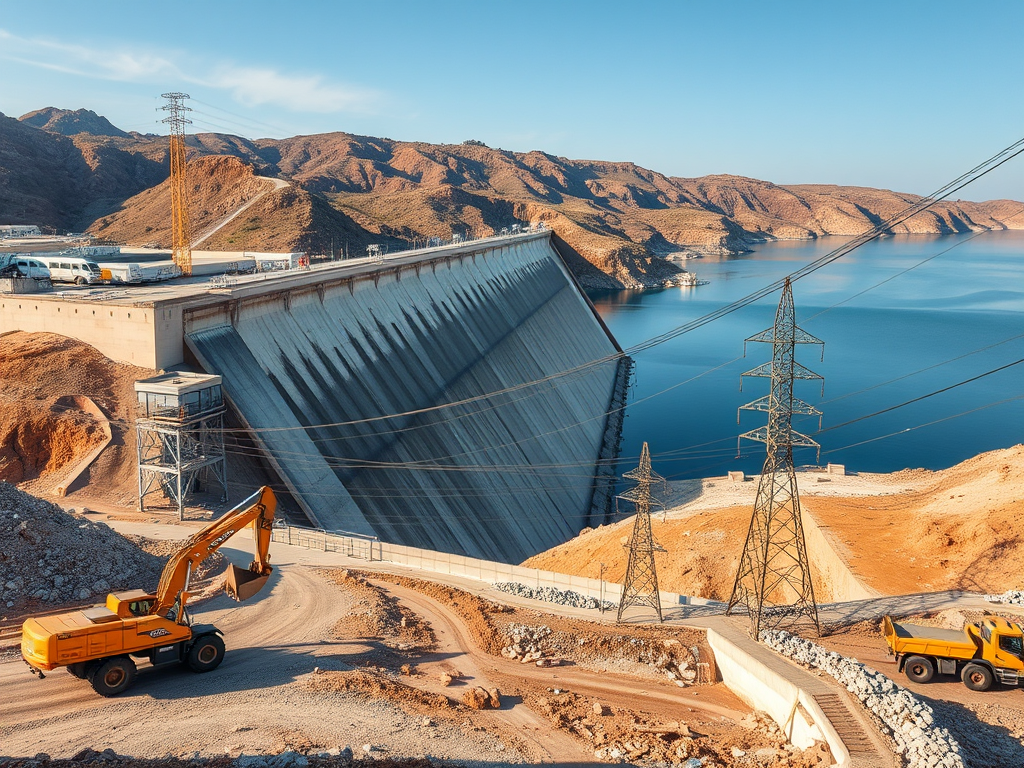
Generating hydropower from the Black Sea region focuses primarily on the significant river systems that flow into it and the mountainous terrain of its coastal countries, rather than the sea itself. The potential is substantial but unevenly developed across the region.Here is a detailed breakdown of the potential, consumption, and benefits of hydropower in the Black Sea area.
1. The Potential of Hydropower in the Black Sea RegionThe true hydropower potential lies not in the saltwater of the Black Sea, but in the vast catchment areas of the major rivers that empty into it and the steep topography of the surrounding lands.
Major River Systems
(The Largest Potential)The Black Sea receives water from some of Europe’s largest and most powerful rivers. These rivers have massive, established, and further developable hydropower capacity.
* The Danube River:
This is the most significant contributor. Flowing through 10 countries, it has immense hydropower potential, particularly in its upper and middle sections. The most famous and largest installation is the Iron Gate (Đerdap) Dam system on the border of Romania and Serbia.
* The Dnieper and Dniester Rivers:
These rivers, primarily flowing through Ukraine, hold significant potential. The Dnieper has a cascade of large hydroelectric power plants.
* The Rioni and Enguri Rivers:
Located in Georgia, these rivers, fed by the high Caucasus Mountains, offer very high potential. The Enguri Dam is one of the highest arch dams in the world and a cornerstone of Georgia’s energy system.
* The Kizilirmak and Sakarya Rivers:
These are major rivers in Turkey flowing into the Black Sea, with substantial and actively developed hydropower capacity.Mountainous Coastal RegionsThe countries with significant mountain ranges near the coast possess excellent potential for high-head hydropower projects (which use a large vertical drop). * Georgia (Caucasus Mountains): Has some of the highest hydro potential per capita in the world. Its steep, glacier-fed rivers are ideal for hydropower. *
Turkey (Pontic/North Anatolian Mountains): The steep terrain along the northern coast allows for many hydro projects, from large dams to small run-of-river plants. * Romania and Bulgaria (Carpathian and Balkan Mountains): These ranges provide substantial hydro potential, which is already significantly developed.
Summary of Regional Potential
The total theoretical hydropower potential for the entire Black Sea catchment area is estimated to be over several hundred terawatt-hours (TWh) per year, though only a portion of this is technically and economically feasible. Countries like Turkey and Georgia are actively working to harness more of their remaining potential.
2. Where would the Hydropower be Consumed?The consumption of hydropower from the Black Sea region can be divided into internal (domestic) use and external (export) markets.
Domestic Consumption
(Internal to Each Country)For most countries in the region, hydropower is a vital part of their domestic energy mix. *
Georgia:
Hydro dominates, often providing 75-80% or more of the country’s electricity, especially during the wet spring and summer months. * Albania: (Technically Adriatic, but part of the wider region’s energy market) Relies almost 100% on hydropower.
* Romania, Bulgaria, and Turkey:
Use hydropower as a crucial source of renewable energy to meet domestic demand and improve grid stability.
Regional Export and IntegrationOne of the most significant aspects of Black Sea hydropower is its potential for export. *
Seasonality:
A key challenge and opportunity. Hydro-dependent countries like Georgia have a surplus of power in the spring/summer (due to snowmelt) but face a deficit in the winter. This creates a natural basis for trade.
* Export Markets:
Surplus hydropower from countries like Georgia, Turkey, and Romania can be exported to: * The European Union (EU): A major target market. The EU has a high demand for clean energy and offers competitive prices. * Neighboring Countries: Power can be traded within the region (e.g., Georgia exporting to Turkey, Russia, or Armenia).
The Black Sea Submarine Cable Project
A vital proposed infrastructure project is the Black Sea Submarine Cable.
This ambitious plan aims to lay an undersea electricity cable linking Georgia to Romania, creating a direct energy corridor between the South Caucasus and the EU. This would enable Georgia and other countries to export their surplus green energy directly to European markets.3. What would the Benefits be to Whom?The development of hydropower in the Black Sea region offers a wide range of benefits to various stakeholders.| Stakeholder | Primary Benefits ||—|—|| Individual Countries | Energy Security: Reduces reliance on imported fossil fuels (especially natural gas).Economic Growth: Attracts investment, creates jobs, and generates revenue through exports
.Grid Stability:
Hydropower is flexible and can be quickly turned on or off to balance the variable output of other renewables like wind and solar. ||
Local Communities |
Infrastructure Development: Construction projects often bring new roads, bridges, and services.Revenue Sharing: Some projects include mechanisms to share profits with local municipalities.Ancillary Benefits: Dams can provide flood control, water storage for irrigation, and opportunities for tourism and recreation. ||
The Black Sea Region
| Regional Cooperation: The need for interconnected grids and power trade fosters dialogue and diplomatic ties.
Environmental Goals: Helps the region meet its climate commitments and transition to a green economy.
Energy Independence:
Strengthens the region’s overall energy independence. ||
The European Union (EU) | Green Energy Supply: It provides a reliable source of clean energy. This source is renewable and helps meet ambitious climate goals. Diversification: Reduces dependence on a limited number of external energy suppliers. Geopolitical Stability: Strengthens ties with Eastern Partnership countries. || The Global Environment | Climate Change Mitigation: Displaces carbon-intensive fossil fuel generation, reducing greenhouse gas emissions. |












 Kevin Griffiths
 percypaschal
