You are presumed to be honest and responsible without evidence to the contrary beyond a reasonable doubt… on the balance of probablilties you are justified by 51 % likelyhood.
April 30th 2025 is the last day for filing 2024 taxes in general, so let’s just check the calendar to make sure it doesn’t wind up on the weekend and you’ve got a couple more days we have to look.
Employing music to your advantage in the mornings can significantly enhance your mood and productivity. Start your day with upbeat and energizing tracks that can motivate you and create a positive atmosphere. You can create a morning playlist that resonates with your vibe to help you wake up gradually and stay focused while getting ready for the day. Additionally, listening to calming music during breakfast can set a relaxed tone and help you mentally prepare for the challenges ahead. Consider using music as a timer for your morning routine; for example, play a song that lasts a specific duration to keep you on track without feeling rushed. By intentionally incorporating music into your mornings, you can boost your energy, improve your focus, and start your day on a high note.
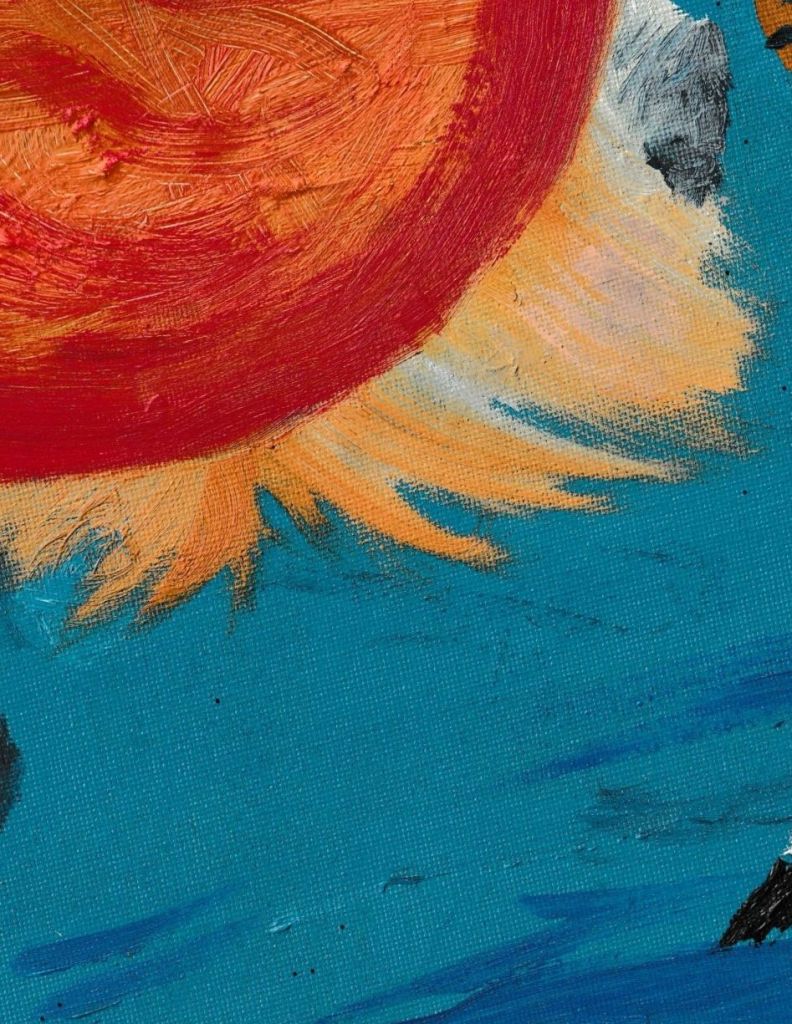
The geomagnetic weather of Space is a powerful force. That force could kill us except for the magnetic fields that the Earth generates that helps to keep our atmosphere in that barrier between space and Earth.
Space weather refers to the dynamic conditions in space and the near-Earth environment that can affect the performance and reliability of space-borne and ground-based technological systems, and can endanger human health. It is primarily driven by the Sun and its activity. Dangers of Space Weather: Space weather events can pose several hazards: * Disruption of Satellite Operations: Energetic particles and radiation from solar flares and coronal mass ejections (CMEs) can damage satellite electronics, leading to malfunctions, data loss, or even complete failure. This can affect communication, navigation (GPS), weather forecasting, and other satellite-dependent services. For example, a strong geomagnetic storm in October 2003 was associated with numerous satellite anomalies. * Power Grid Disturbances: Geomagnetically induced currents (GICs) caused by geomagnetic storms can flow through long conductors like power lines and pipelines. In extreme cases, this can overload transformers, leading to blackouts. The Hydro-Québec blackout in 1989, which left six million people without power for nine hours, is a notable example. * Communication and Navigation Issues: Solar flares can cause radio blackouts by disrupting the ionosphere, affecting high-frequency (HF) radio communications, especially in polar regions. Geomagnetic storms can also interfere with GPS signals, reducing their accuracy. This can impact aviation, marine navigation, and other GPS-dependent technologies. * Radiation Hazards: Solar energetic particles (SEPs) can increase radiation levels at high altitudes, posing a risk to astronauts on spacewalks and potentially to airline passengers and crew on polar routes. * Increased Satellite Drag: The heating of the Earth’s upper atmosphere during geomagnetic storms can cause it to expand, increasing drag on low-Earth orbit satellites. This can alter their orbits and require more frequent adjustments. * Pipeline Corrosion: GICs can also accelerate the corrosion of oil and gas pipelines. Precautions to Take for Space Weather: While individuals cannot directly control space weather, several precautions are taken at various levels to mitigate its impacts: * Monitoring and Forecasting: Space weather agencies like NOAA’s Space Weather Prediction Center and Space Weather Canada continuously monitor the Sun and the space environment to provide forecasts and warnings of potential events. This allows operators of vulnerable systems to take protective measures. * Satellite Hardening: Satellites are designed with radiation-hardened electronics and shielding to withstand the harsh space environment and solar events. Operators can also put satellites in a “safe mode” during severe events to minimize potential damage. * Power Grid Protection: Power companies implement measures such as monitoring geomagnetic activity, adjusting voltage levels, and having backup systems in place to reduce the risk of blackouts. Research is ongoing to develop more resilient power grids. * Aviation Procedures: Airlines can reroute flights over polar regions during solar radiation storms to minimize radiation exposure to passengers and crew. They also rely on alternative communication and navigation systems when HF radio and GPS are affected. * Emergency Preparedness: Individuals and communities should be prepared for potential power outages and communication disruptions by having emergency kits with essential supplies, backup communication methods, and plans for extended outages. * Awareness and Education: Raising public awareness about space weather and its potential impacts can help individuals and organizations take appropriate preparedness measures. Enjoyment from Space Weather: While space weather can pose risks, it also gives rise to one of the most spectacular natural phenomena: * Auroras (Northern and Southern Lights): Geomagnetic storms cause charged particles from the Sun to interact with the Earth’s magnetosphere and atmosphere, particularly near the polar regions. This interaction excites atmospheric gases, resulting in the breathtaking displays of colored lights known as the auroras. Seeing the aurora borealis or australis is a significant draw for tourism and a source of wonder and beauty. Space weather forecasts help predict when and where auroras might be visible. In summary, space weather is a natural phenomenon driven by the Sun that can have significant impacts on our technology and infrastructure. While there are potential dangers, ongoing monitoring, technological hardening, and preparedness measures help to mitigate these risks. Additionally, space weather creates the beautiful aurora, offering a unique and enjoyable connection to the dynamics of our solar system.
Here are the traditional full moon names for each month of the year: * January: Wolf Moon * February: Snow Moon * March: Worm Moon * April: Pink Moon * May: Flower Moon * June: Strawberry Moon * July: Buck Moon * August: Sturgeon Moon * September: Corn Moon (or Harvest Moon) * October: Hunter’s Moon * November: Beaver Moon * December: Cold Moon It’s worth noting that some months can occasionally have a second full moon, which is called a Blue Moon.
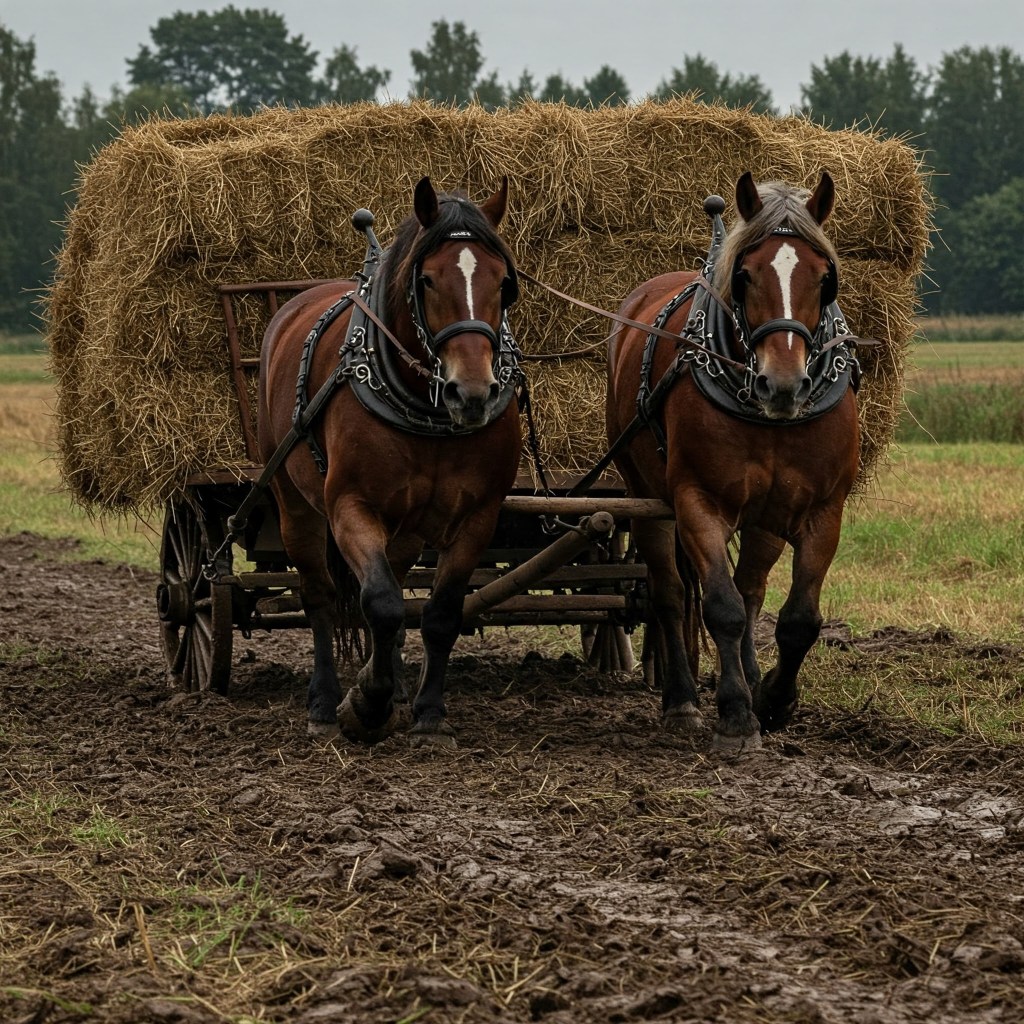
Two can do more than twice the amount as one alone can do…
So, long as they are pulling in the same direction…
To maximize production through teamwork and division of labor, it’s essential to clearly define roles and responsibilities based on individual strengths and skills. Encourage open communication among team members to foster collaboration and problem-solving. Utilize project management tools to organize tasks effectively and monitor progress, ensuring that everyone stays aligned with project goals. Regularly review and adjust workflows to identify bottlenecks, allowing teams to optimize processes and improve efficiency. Additionally, promote a culture of trust and respect, which enhances motivation and accountability, ultimately leading to higher productivity levels.
Some moments build, excite, engage, test and then after a time revive…
The values of the liberty fraternity, which typically include principles such as freedom, equality, justice, and fraternity, are often conceived in various philosophical, political, and social contexts. Here are some key sources where these ideas have developed:
Enlightenment Philosophy: Thinkers like John Locke, Jean-Jacques Rousseau, and Montesquieu explored ideas of individual rights and social contracts, laying the foundation for modern liberal democracy.
Political Revolutions: The American and French Revolutions were pivotal events that advocated for liberty and equality, leading to constitutions and declarations that enshrined these values.
Human Rights Movements: Throughout history, various movements aimed at securing human rights have articulated the principles of liberty and justice for all, emphasizing the need for equal treatment and respect.
Social and Cultural Contexts: Different cultures have their interpretations of liberty and fraternity, shaped by their unique histories and struggles for freedom.
These ideas continue to evolve as societies seek to balance individual freedoms with collective responsibility.
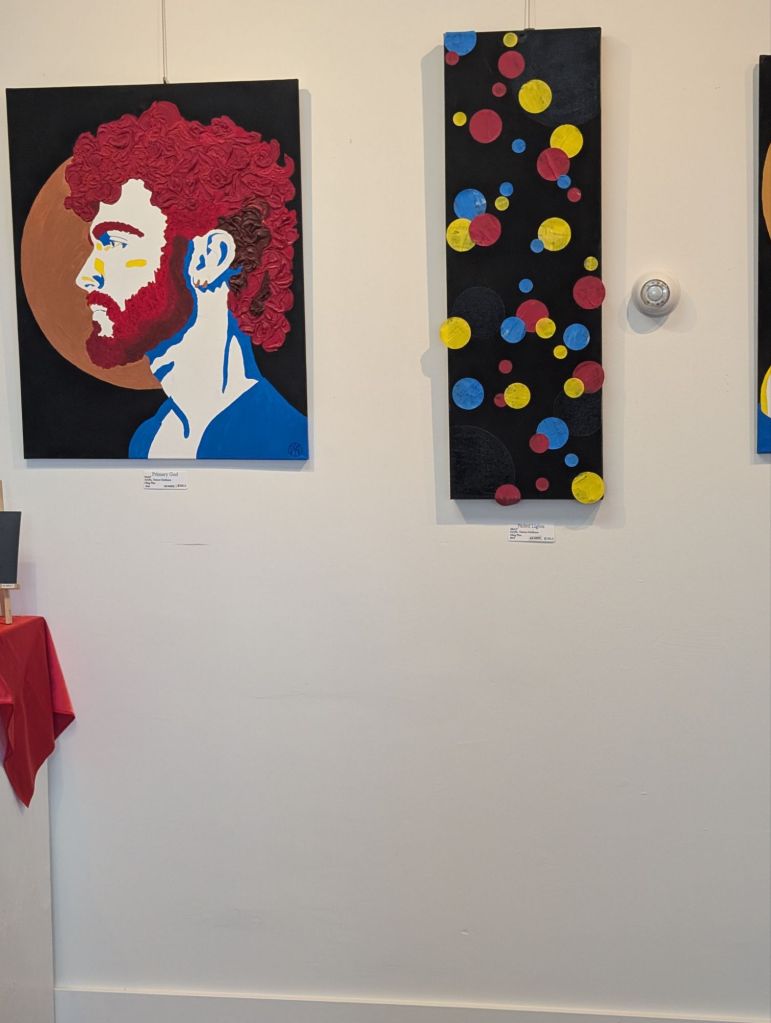
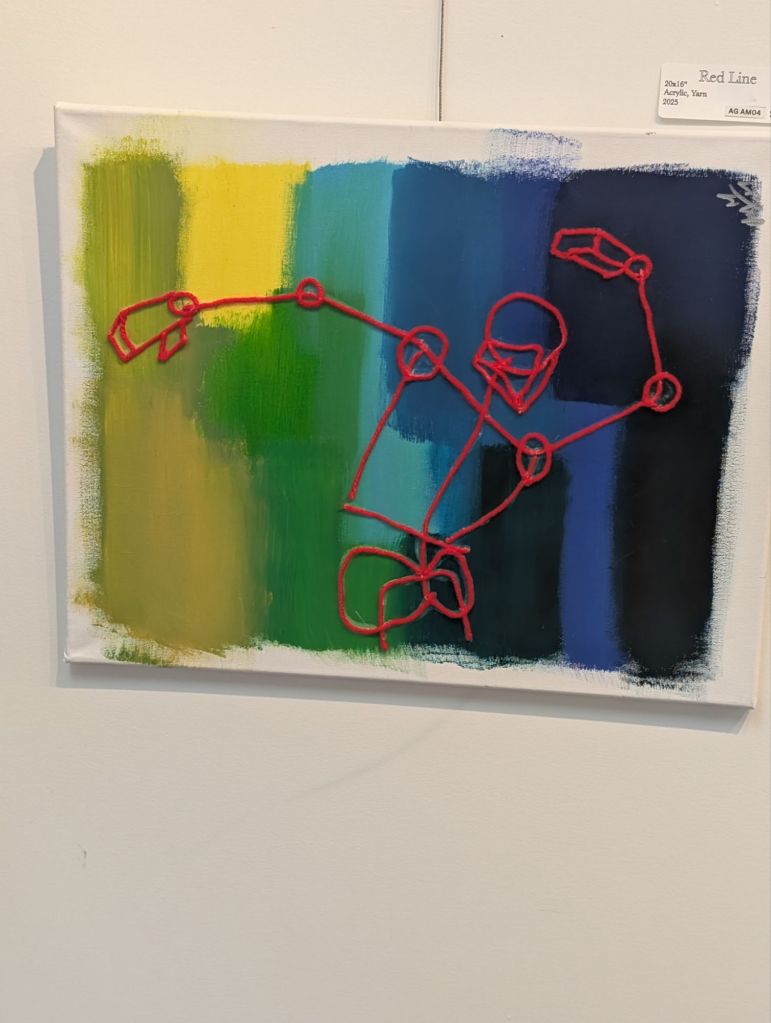
Come see Amy’s labour of thought and style at the Gallery on the corner of Voght and Nicola, Merritt BC Canada. Open most days 10 AM to 5 PM. Closed Tuesdays.
Music is a complex interplay of different elements, and understanding tone and resonance is key to appreciating and creating music. Here’s a closer look at each aspect:
Tone
Definition: Tone refers to the character or quality of a sound. It encompasses various aspects such as pitch, intensity, and timbre.
Components:
Pitch: The highness or lowness of a sound, determined by the frequency of sound waves.
Timbre: Often referred to as the “color” of the sound, it differentiates one instrument or voice from another, even when they are playing the same note.
Intensity: The loudness or softness of a sound, influenced by the amplitude of the sound waves.
Quality Resonance
Definition: Resonance is the amplification and enhancement of sound, influenced by the physical characteristics of the space or medium through which sound travels.
Characteristics:
Natural Resonance: Each instrument has a natural resonant frequency, which contributes to its unique sound. For example, a guitar has a different resonance quality than a piano.
Room Acoustics: The space where music is played can significantly alter sound quality. Factors like wall material, room shape, and dimensions can enhance or diminish certain frequencies.
Harmonics: Resonance can cause certain frequencies to stand out, creating overtones that enrich the overall tone of the music.
Application in Music
Understanding tone and resonance helps musicians and audiophiles alike appreciate performances more deeply. Here are some practical applications:
Instrument Selection: Musicians choose instruments based not only on sound but also on how their natural tone fits within a specific musical context.
Sound Engineering: In recording and production, engineers manipulate resonance properties to achieve the desired sound quality.
Vocal Techniques: Singers often use resonance to enhance their vocal tone, controlling where the sound resonates in their body to produce a fuller sound.
Conclusion
Paying attention to tone and resonance can significantly enhance the listening experience. Whether you’re a musician, a sound engineer, or just an enthusiastic listener, these elements play a vital role in the beauty and richness of music.
Best Ways to Use Late Season Fresh Snow for Skiing in BC
Skiing on late-season fresh snow in British Columbia can be an exhilarating experience. Here are some tips to make the most out of those conditions:
1. Choose the Right Ski Area
Opt for higher elevation slopes where fresh snow is more likely to stick around longer. Areas like Whistler Blackcomb and Revelstoke often have great late-season conditions.
2. Timing is Key
Ski during the mornings when the snow is still fresh and untouched. The sun can quickly change the snow’s texture later in the day.
3. Stay Flexible with Your Plans
Conditions can vary day by day, so be ready to adjust your skiing plans based on the latest snow reports and weather forecasts.
4. Explore Off-Piste Terrain
Late-season snow can create exciting off-piste opportunities. Just make sure to check avalanche conditions and ski with a buddy in more challenging areas.
5. Focus on Technique
Take advantage of the softer snow by practicing your carving and turning techniques. This can improve your skills while enjoying the fresh powder.
6. Use the Right Gear
Ensure your skis are equipped for soft snow. Skis with wider waists will offer better floatation and control.
7. Hydrate and Rest
Spring skiing can be more taxing due to warmer temperatures. Stay hydrated, take breaks, and don’t forget to apply sunscreen.
8. Celebrate the Warm Weather
Embrace the warmer weather by dressing in layers. This allows for comfort as temperatures fluctuate throughout the day.
9. Enjoy the Scenery
Late season offers stunning views with longer daylight hours. Take some time to appreciate the beautiful surroundings of BC.
10. Join a Ski Clinic or Lesson
Improve your skills while learning to navigate late-season conditions by participating in a ski clinic or taking lessons.
Enjoy the late-season skiing and make the most of the fresh snow while it lasts!














 Kevin Griffiths
 percypaschal
 The Proprietor Review