You are presumed to be honest and responsible without evidence to the contrary beyond a reasonable doubt… on the balance of probablilties you are justified by 51 % likelyhood.
The Trans-moutain- pipeline is shipping oil to the west coast again. The company stopped it’s transport of product on November 14 2021on its own to be proactive to the flooding in BC.
Building the 980 kilometres of new pipeline and associated facilities to complete by the to timeline of the end of 2022 is only part of it’s operations, the twinning and increase of ability to ship fluids and semi fluids is the object of the parallel line.Its duty has been delivering Alberta oil to the west coast for the last 60 years.
Trans Mountain Pipeline Has Safely Restarted.
Source
Dec 5, 2021
December 5, 2021, 12:20 pm PDT
Outline diaries…
The Trans Mountain Pipeline was safely restarted today.
As part of this process Trans Mountain will monitor the line on the ground, by air and through our technology systems operated by our control centre.
The restart comes following the completion of all necessary assessments, repairs, and construction of protective earthworks needed for the pipeline to be returned to service. Over the coming weeks Trans Mountain will continue with additional emergency work.
Supporting Communities Through BC Floods
In addition to the restart efforts, our teams on the ground are helping communities with transportation, fuel, food and water, supplying necessary equipment, and re-establishing road access.
December 4, 2021, 12:00 pm PDT
Following the precautionary shutdown of the Trans Mountain Pipeline as a result of heavy rains and flooding, Trans Mountain plans to restart the pipeline tomorrow.
Throughout the shutdown period, the pipeline remained safely in a static condition and there was no indication of any product release or serious damage to the pipe. Trans Mountain completed detailed investigations of the pipe’s integrity and geotechnical assessments of the surrounding landscape to confirm readiness to restart the line. Restarting the pipeline has required a significant, sustained effort to re-instate access lost due to damaged roads, changes in river flows, and adverse weather. Crews worked around the clock to clear highways, build bridges and manage watercourses to allow for access and repairs to the pipeline.
We expect that all assessments, repairs and protective earthworks necessary for a safe restart will be completed by tomorrow and plans have been developed and shared with the Canada Energy Regulator.
Subject to CER concurrence and final repair work, the restart will take place during daylight hours tomorrow and the pipe will be closely monitored by our teams in the field and technology systems operated by our Control Centre. Emergency management teams and equipment remain staged in key areas with booms proactively deployed in the unlikely event of a release.
Over the coming weeks Trans Mountain will continue with additional emergency work. Some of this work includes conducting additional inline inspection, armouring of riverbanks and adding ground cover or relocating sections of the pipeline.
December 1, 2021, 11:30 am PDT
With continued storms bringing heavy rain causing water accumulation, crews are continually monitoring and assessing the pipeline and so far, there are no new areas of concern caused by the weather conditions. Where work has been done to shore-up banks, we are making improvements such as berm fortification to ensure the work already done is holding.
Trans Mountain has brought-in more than 44,000 cubic metres of rock and gravel at critical sites and deployed several hundred sandbags to assist with shoring-up banks in flooded areas to allow the required assessment and repair work to continue. Crews are utilizing 30 sets of pumps and hoses to manage water accumulation and have set up 15 separate light-stands with generators to allow monitoring and work to continue around the clock.
We are continually assessing conditions in the region and are deploying additional resources where necessary. More than 470 people, six helicopters and some 100 pieces of heavy equipment, including three pieces of snow maintenance equipment and three sidebooms are in the Coquihalla and Coldwater regions to support getting the pipeline restarted.
We have natural hazard assessments ongoing and are focused on supporting our field teams who are working day and night in dynamic wet weather conditions near high-energy river flows. Safety of our crews and protection of the pipeline system remain our top priorities and despite the adverse conditions we are moving forward with work necessary to safely restart the pipeline.
Provided there are no additional setbacks from the latest round of rainstorms, Trans Mountain will soon complete work that needs to be done before a restart can take place. Based on current conditions and the amount of progress we have been able to make, we are only a few days away from restarting the pipeline at a reduced capacity.
1 / 4
Rip rap installed to protect bridge supports
Rip rap installation to stop bank erosion
Bank fortification following recent flooding
Bridge installed for Coldwater River crossing
Rip rap installed to protect bridge supports
Rip rap installation to stop bank erosion
Share
November 29, 2021, 2:45 pm PDT
This past weekend, progress continued towards a safe restart of the pipeline. However heavy rains impacted air and ground access and caused substantial accumulation of water in some areas where work is underway. Work was interrupted at some sites on Sunday November 28, 2021 due to high water or lack of access. Assessments of the impacts of the latest storm are being undertaken today with a focus on the Coldwater and Coquihalla regions. While early reports indicate much of the work to protect the worksites held up well, crews continue to reinforce berms and are continuing to improve ground access.
Based on current conditions and the amount of progress we have been able to make in the face of continued challenges with weather and access, we are still days away from restarting the pipeline at a reduced capacity. Once restarted, delivery of oil and refined products currently in the line will continue as they progress to their delivery points at either Kamloops, Sumas, or Burnaby. After initial start-up, a sustained effort will continue to return the system to its full capacity as soon as possible.
The Trans Mountain Pipeline is a critical piece of infrastructure for British Columbia and Washington state and every effort is being made to safely restart the pipeline as promptly as possible. Trans Mountain does not own the product transported in the pipeline. We are the only pipeline in North America that carries both refined products and crude oil. Depending on the needs of Trans Mountain’s customers, the amount of product shipped to four general destinations: Kamloops Terminal, Burnaby Terminal, Westridge Marine Terminal or Washington State refineries, varies from week to week.
1 / 4
Aerial view of rising water – Coldwater Area
Work to reinforce protection of pipeline
Inundated worksite at Juliet Creek crossing
Crews working to reinforce berm
Aerial view of rising water – Coldwater Area
Work to reinforce protection of pipeline
Share
November 26, 2021, 2:15 pm PDT
The Trans Mountain Pipeline remains shut down following a voluntary, precautionary shut down on Sunday, November 14, in anticipation of the impacts of the heavy rainfall and extreme weather conditions.
Trans Mountain has made considerable progress towards a safe restart of the pipeline. Based on current conditions and the amount of progress we have been able to make in the face of continued challenges with weather and access, we are working towards restarting the pipeline at a reduced capacity early to mid-next week. Once restarted, delivery of oil and refined products currently in the line will continue as they progress to their delivery points at either Kamloops, Sumas, or Burnaby. After initial start-up, a sustained effort will continue to return the system to its full capacity as soon as possible.
The Trans Mountain Pipeline is a critical piece of infrastructure for British Columbia and Washington state and every effort is being made to safely restart the pipeline as promptly as possible. Trans Mountain is in regular contact with its shippers and is working to mitigate potential impacts of the pipeline shut down on the region.
Trans Mountain does not own the product transported in the pipeline. We are the only pipeline in North America that carries both refined products and crude oil. Depending on the needs of Trans Mountain’s customers, the amount of product shipped to four general destinations: Kamloops Terminal, Burnaby Terminal, Westridge Marine Terminal or Washington State refineries, varies from week to week.
5 / 5
Pipeline repair and river berm reinstatement
Pipeline assessment – Coldwater Area
Equipment mobilized on site – Coquihalla
Fording Coldwater river to access sites
Pipeline assessment tents – Coldwater Area
Pipeline repair and river berm reinstatement
Pipeline assessment – Coldwater Area
Share
November 25, 2021, 1:00 pm PDT
The Trans Mountain Pipeline remains shut down following a voluntary, precautionary shut down on Sunday, November 14, in anticipation of the impacts of the heavy rainfall and extreme weather conditions.
With the continued deterioration of weather conditions in the region in the coming days, Trans Mountain is closely monitoring the situation to ensure our crews can continue to progress safely, particularly in areas still dependent on air support for access and provision of supplies and equipment.
Trans Mountain has added snow maintenance equipment – two plows and two snowcats – to the list of heavy equipment already engaged in the response. More than 400 people, seven helicopters and some 100 pieces of heavy equipment in the Coquihalla and Coldwater regions, focused on getting the pipeline restarted.
The pipeline remains safely in a static condition and there is no indication of any loss of containment or serious damage to the pipe. Our focus has shifted to complete repairs to ensure integrity of the line where it has been exposed and impacted by flooding and debris. In preparation of this work, we have staged necessary materials and supplies in the area, and we continue efforts to improve ground and air access into parts of the Coquihalla and Coldwater Valley isolated by highway damage.
Work continues to progress towards a safe restart of the pipeline, in a reduced capacity. Key to successful execution of the restart plan will be access for equipment, fair weather, and no new findings of concern. A sustained effort will continue to return the system to its full capacity.
November 24, 2021, 2:30 pm PDT
The Trans Mountain Pipeline remains shut down following a voluntary, precautionary shut down on Sunday, November 14, in anticipation of the impacts of the heavy rainfall and extreme weather conditions.
With the weather conditions expected to deteriorate in the region in the coming days, Trans Mountain is closely monitoring the situation to ensure our crews can continue to progress safely, particularly in areas still dependant on air support for access and provision of supplies and equipment.
Trans Mountain has set up seven staging areas in the most affected areas, including two dedicated to helicopter operations, to act as bases for equipment and resources. Our response includes more than 400 people, seven helicopters and some 100 pieces of heavy equipment in the Coquihalla and Coldwater regions, focused on getting the pipeline restarted.
With the majority of on-the-ground assessments of the pipeline’s condition completed, our focus is shifting to complete repairs to ensure integrity of the line where it has been exposed and impacted by flooding and debris. In preparation of this work, we have staged necessary materials and supplies in the area, and we continue efforts to improve ground and air access into parts of the Coquihalla and Coldwater Valley isolated by highway damage.
The pipeline remains safely in a static condition and there is no indication of any loss of containment or serious damage to the pipe. We are documenting and have begun to repair locations where the pipeline has been exposed, its protective coating has been scoured by debris, and, in some cases where surface dents and scratches on the outside of the pipe have occurred.
If all work continues to progress and no further issues with the pipeline are identified, Trans Mountain is optimistic that we can safely restart the pipeline, in a reduced capacity, by the end of the week. Key to successful execution of the restart plan will be access for equipment, fair weather, and no new findings of concern. A sustained effort will continue to return the system to its full capacity.
The Trans Mountain Pipeline is a critical piece of infrastructure for British Columbia and Washington State and every effort is being made to safely restart the pipeline as promptly as possible. This is the longest period the pipeline has been shut down in its nearly 70-year history. Trans Mountain is in regular contact with its shippers and is working in cooperation with the Province to mitigate the effects of the pipeline shut down on the region.
We are in contact with Federal and Provincial agencies including Emergency Management British Columbia and continue to offer our support and assistance where possible.
1 / 4
Material staging for road access
Crews adding supports under pipe
Pipe examination underway
Crews examining pipe with temporary supports
Material staging for road access
Crews adding supports under pipe
Share
November 23, 2021, 12:30 pm PDT
The Trans Mountain Pipeline remains shut down following a voluntary, precautionary shut down on Sunday, November 14, in anticipation of the impacts of the heavy rainfall and extreme weather conditions.
Crews are nearing completion of the remaining ground evaluations of the pipeline, as expected, in the Coquihalla and Coldwater regions. Much of the work to re-divert watercourses where flooding resulted in water flows on the right-of-way has been completed. A critical temporary bridge is nearing completion. Trans Mountain teams worked through the night to accelerate this work in the face of worsening weather.
Trans Mountain has set up seven staging areas in the most affected areas, including two dedicated to helicopter operations, to act as bases for equipment and resources. Our response includes more than 400 people, seven helicopters and some 100 pieces of heavy equipment in the Coquihalla and Coldwater regions, focused on getting the pipeline restarted.
Trans Mountain has completed surveys of the Puget Sound portion of the pipeline system and is also working with U.S. officials to restart a small section of the Puget Sound Pipeline within Washington State to move oil currently held in tanks at Trans Mountain’s Laurel Station to Cherry Point for processing. The amount of product we expect to deliver is limited to a small amount of crude already in that portion of the line.
The pipeline remains safely in a static condition and there is no indication of any loss of containment. Trans Mountain has deployed spill-response equipment at our pre-determined control points, including safety boom in river areas near to or downstream from where we are working.
If all planning and work continues to progress and no further issues with the pipeline are assessed, Trans Mountain is optimistic that we can restart the pipeline, in some capacity, by the end of the week. Key to successful execution of the restart plan will be access for equipment, fair weather, and no new findings of concern.
The Trans Mountain Pipeline is a critical piece of infrastructure for British Columbia and Washington state and every effort is being made to safely restart the pipeline as promptly as possible. This is the longest period the pipeline has been shut down in its nearly 70-year history. Trans Mountain is in regular contact with its shippers and is working in cooperation with the Province to mitigate the effects of the pipeline shut down on the region.
We are in contact with Federal and Provincial agencies including Emergency Management British Columbia and continue to offer our support and assistance where possible.
5 / 6
UTV being transported to site
Progress on river diversion – Coldwater Area
River diversion work – Coldwater area
Strengthening berm for diversion – Coldwater
Crews assessing pipe – Coldwater Area
Transporting supplies to site
UTV being transported to site
Progress on river diversion – Coldwater Area
Share
November 22, 2021, 12:20 pm PDT
Trans Mountain has more than 350 people working around the clock to safely restart the Trans Mountain Pipeline. The pipeline remains shut down following a voluntary, precautionary shut down on Sunday, November 14, in anticipation of the impacts of the heavy rainfall and extreme weather conditions.
Over the weekend, crews continued with efforts to fully evaluate the pipe in the affected areas, with teams being airlifted or hiking into areas where there is still no road access. Ground inspections have been completed at many sites and Trans Mountain expects to complete the remainder by the end of day today, weather permitting.
Key response areas
Trans Mountain is utilizing six helicopters and some 80 pieces of heavy equipment in the Coquihalla and Coldwater regions clearing roads, installing temporary bridges and re-diverting watercourses. In some areas where the flooding resulted in water flows on the right-of-way, the rivers need to be re-directed back to their normal channel to allow Trans Mountain to assess and support the pipeline.
The pipeline remains safely in a static condition and there is no indication of any loss of containment. As a precaution until the assessment phase is completed, Trans Mountain has deployed spill-response equipment at our pre-determined control points, including containment boom in river areas near to or downstream from where we are working.
If all planning and work continues to progress and no further issues with the pipeline are assessed, Trans Mountain is optimistic that we can restart the pipeline, in some capacity, by the end of the week. Key to successful execution of the restart plan will be access for equipment, fair weather, and no new findings of concern.
The Trans Mountain Pipeline is a critical piece of infrastructure for British Columbia and Washington state and every effort is being made to safely restart the pipeline as promptly as possible. This is the longest period the pipeline has been shut down in its nearly 70-year history. Trans Mountain is in regular contact with its shippers and is working in cooperation with the Province to mitigate the effects of the pipeline shut down on the region.
Work on the Trans Mountain Expansion Project continues along unaffected parts of the pipeline corridor and at Terminals – with crews in the Coquihalla and Merritt regions being redeployed to assist with efforts to re-open highways and to get the Trans Mountain Pipeline restarted. We are in contact with Federal and Provincial agencies including Emergency Management British Columbia and continue to offer our support and assistance where possible.
5 / 5
Preparing temporary access bridge – Coldwater
Equipment working on river – Coldwater area
Sidebooms supporting pipe – Coldwater area
Boom deployed as precaution – Coldwater area
River diversion – Coldwater area
Preparing temporary access bridge – Coldwater
Equipment working on river – Coldwater area
Share
November 19, 2021, 3:30 pm PDT
The Trans Mountain Pipeline remains shut down following a voluntary precautionary shut down on Sunday, November 14, in anticipation of the impacts of the heavy rainfall and extreme weather conditions. The pipeline remains safely in a static condition and there is no indication of any loss of containment.
Trans Mountain has more than 200 people dedicated around the clock to getting the pipeline back up and running. Teams are beginning helicopter operations in the Coldwater region to remove fallen trees and debris that are hampering detailed inspection of the pipeline in that area. Another key priority remains getting ground access to the affected areas, and we are actively assisting the BC Ministry of Transportation and Infrastructure with getting roads cleared.
Crews and equipment working to clear debris on Highway 1
There are multiple areas of the pipeline between Hope and Merritt where pipeline cover needs to be restored and there are other sections that we may decide to cut-out and replace entirely, for example long sections that have been fully exposed to river course changes. As a precaution, Trans Mountain is deploying spill-response equipment trailers to areas where we will be working.
If all planning and work continues to progress and no further issues with the pipeline are assessed, Trans Mountain is optimistic that we can restart the pipeline, in some capacity, by the end of next week. Key to successful execution of the restart plan will be access for equipment, fair weather, and no new findings of concern.
The Trans Mountain Pipeline is a critical piece of infrastructure for British Columbia and Washington state and every effort is being made to safely restart the pipeline as promptly as possible. This is the longest period the pipeline has been shut down in its nearly 70-year history. Trans Mountain is in regular contact with its shippers and is working in cooperation with the Province to mitigate the effects of the pipeline shut down on the region.
Work on the Trans Mountain Expansion Project continues in many areas along the pipeline corridor – and crews in the Coquihalla and Merritt regions have been redeployed to assist with efforts to get the Trans Mountain Pipeline restarted.
We are in contact with Emergency Management British Columbia and continue to offer our support and assistance where possible.
1 / 4
Exposed pipe in flooded Coldwater Valley
Crews working to clear debris on Hwy 1
Equipment stranded along Coquihalla Highway
Exposed pipe in Coldwater River Valley
Exposed pipe in flooded Coldwater Valley
Crews working to clear debris on Hwy 1
Share
November 18, 2021, 11:25 am PDT
The Trans Mountain Pipeline remains shut down following a precautionary shut down on Sunday, November 14, in anticipation of the impacts of the heavy rainfall and extreme weather conditions. The pipeline remains safely in a static condition and there is no indication of any oil release.
The Trans Mountain Pipeline is a critical piece of infrastructure for British Columbia and Washington state and every effort is being made to safely restart the pipeline as promptly as possible. Trans Mountain is in regular contact with its shippers and is working to mitigate potential impacts of the pipeline shut down on the region.
Trans Mountain is focusing its efforts in the region between Chilliwack and Merritt where weather had the most affect and utilizing both our Expansion Project and operational resources to work towards restarting the pipeline. While a number of activities are underway simultaneously, a key priority is to get access to the affected areas, and we are actively assisting the BC Ministry of Transportation and Infrastructure with getting roads cleared.
Crews continued to make progress yesterday with assessments of the pipeline by air and on the ground, but access to some areas is still hampered by debris and washed-out roads and bridges. Restarting requires geotechnical evaluations of slope stability and on-the-ground analysis to determine if there is work required before we can safely resume operations. There are some areas where Trans Mountain will need to restore cover over the pipe or make other repairs to ensure integrity of the line where it has been exposed due to flooding.
Work on the Trans Mountain Expansion Project continues in many areas along the pipeline corridor – and crews in the Coquihalla and Merritt regions have been redeployed to assist with efforts to get the Trans Mountain Pipeline restarted. We are in contact with Emergency Management British Columbia and continue to offer our support and assistance where possible. We continue to assist the broader affected communities by clearing access roads, providing air transport for supplies and critical evacuations for medical incidents and offering beds at our Merritt Camp Community to local first responders and Indigenous communities.
November 17, 2021, 12:00 pm PDT
The Trans Mountain Pipeline remains shut down following a precautionary shut down on Sunday, November 14, in response to heavy rainfall and extreme weather conditions.
Trans Mountain has a team working on plans to restart the pipeline and completed an initial assessment of the affected areas by air yesterday. The plans for restarting require continued assessments, including geotechnical evaluations of slope stability and on-the-ground analysis to determine if there is work required to repair or re-establish protective cover where the pipe has been exposed due to flooding.
Trans Mountain is in regular contact with its shippers and is working to mitigate potential impacts of the pipeline shut down on British Columbians.
Work on the Trans Mountain Expansion Project continues in areas unaffected by extreme weather. In the Fraser Valley and the Coquihalla regions, crews are assisting communities and local authorities with road clearing and providing equipment and resources wherever possible.
Trans Mountain has a strong, capable workforce with experience and expertise in responding to all kinds of emergency situations. We have crews and equipment throughout the Fraser Valley, Coquihalla and BC Interior regions as part of the Expansion Project and regular operations. We are in contact with Emergency Management British Columbia and have offered our support and assistance in any way we can including offering beds at our camp community in Merritt to evacuees.
November 16, 2021, 1:20 pm PDT
As a precaution, Trans Mountain safely shut down the Trans Mountain Pipeline in response to heavy rainfall and extreme weather conditions. The pipeline remains shut down due to widespread flooding and debris flows in British Columbia and Washington state. In order to restart the pipeline, we need to complete an assessment of the system in affected areas and are undertaking that work by air and on the ground.
Construction on the Trans Mountain Expansion Project remains stood down in the Fraser Valley, Coquihalla, and Interior regions of BC affected by the weather event. Inspections of these worksites and equipment are underway, and construction will restart when it is safe and practical to do so.
Our thoughts are with the communities and people affected by the flooding. Trans Mountain is in contact with Emergency Management British Columbia and have offered our support and assistance in any way we can including offering beds at our camp community in Merritt to evacuees.
Stay up to date.
Sign up to the weekly Trans Mountain email newsletter
Your Email
Construction Updates
Receive updates for your location
Request updates
Pipeline Emergency?
Please Call Toll-free 24 Hours
1-888-876-6711
Call us now
Resources
Contact
Media Centre
Careers
About
Site Map
Le site Web est accessible en français
Key project information available in: 中文 (简体), 中文 (繁體), 한국어, Filipino, ਪੰਜਾਬੀ
Privacy Legal Disclaimer
The Trans Mountain Expansion Project is committed to providing pipeline and facilities construction employment opportunities for Indigenous, local and regional community members and will do so by working with Indigenous groups, communities, companies, industry associations and other stakeholders along the pipeline corridor. This disaster has shown that the company has the prudence and commitment to be in a place of trust in the largess the demanding scope of our complex market and life space.
On this Day: December 7th 1921
The first woman in Canada to has seat in parliament.
The TMX organisation took part in the UBCM, Union of British Columbia Municipalities Convention this September.
Ian Anderson, Trans Mountain president hosted a virtual breakfast for 23 mayors of impacted communities through Microsoft teams.; this was the sixth breakfast TMX has participated in at the
UBCM annual conventions.
A matched donation to the Red Cross, Registered Fire Appeals Fund was made by TMX in support of the wildfire situation during the fire season.
10,000 workers engaged…
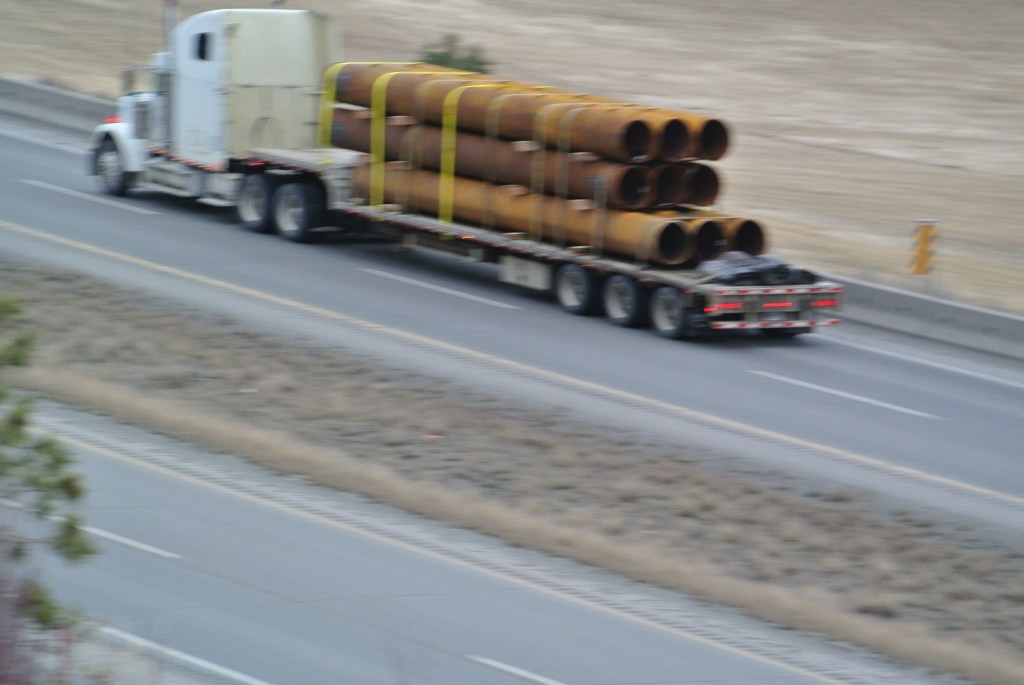
Pipe for oil field File: Photo KDG
On this Day: September 28th 1825
The first passenger breaks the 15 MPH barrier, causing fear.
Pipe for oil field File: Photo KDG Click for video
The Trans mountain pipeline that has run from Edmonton to Burnaby is to run at full for November according to the company.
Expansion to be done in 2022
The Burnaby tank farms are under construction to be ready for the bigger volumes of bitumen rich crude.
Stay safe the world is beyond martyrs.
Thanks to all those that gave their time and talent to a process that will give many a better quality of life. Everyone’s view point is worth something at some level , most often when it is timely, productive and without malice. The dead are dead for ever sometimes our words live on a long time so choose them wisely and carefully they can wreak lives past your experience. Or grow in maturity beyond you.
On this Day: November 5th 1983
Diving bell from Norway accident kills five injures one.
The pipeline is currently under expansion and doubling its ability to carry, as well as storage in Burnaby.
Revenues go into the company and the government can take dividends.
The crisis in public health ad stopped oil flow last spring and caused crude price to go below zero . The supplies of crude in the US had been falling at a rate of around 5 million barrels a week during the summer. Light sweet crude prices are just under 40 dollars US today down 4.5 percent.
The expansion project is following up on its notification to its contractors to gear up for the expansion that it issued in August. Fully expecting to get approvals on remaining permits and authorities they expect to be hiring about 4200 people in a phased project timeline.
Trans Mountain remains committed to prioritizing and maximizing Indigenous, local and regional hiring to the greatest extent possible. Hiring by prime contractors is underway, with approximately 4,200 workers expected to be employed in various communities along the corridor in the fourth quarter of 2019.
Source Trans Mountain news.
Presumed offset
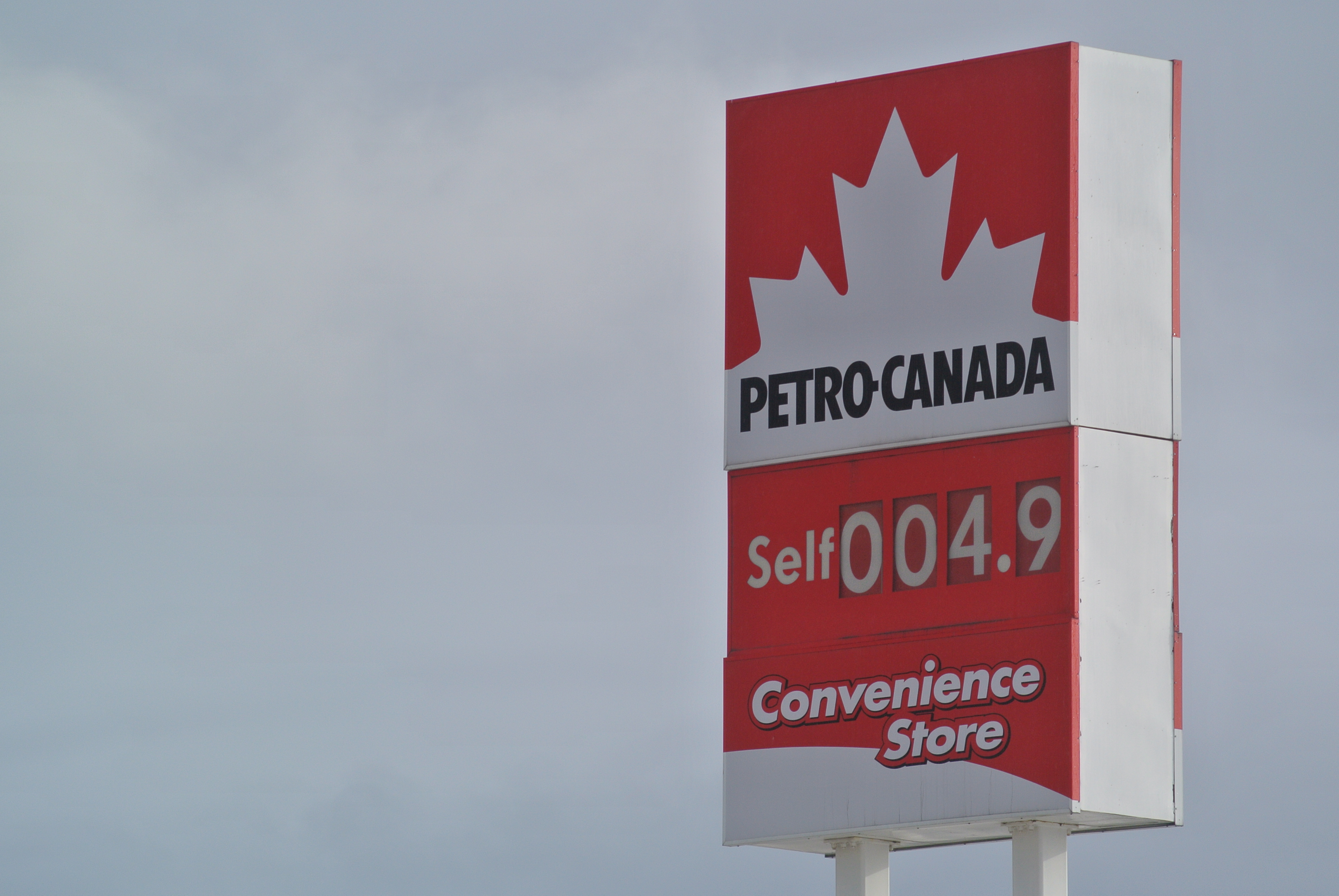
A broken sign was a distraction a few years ago, the station has recently installed quick chargers ( yet to be opened).
Petro Canada has installed quick chargers a the local outlet of Belshaw avenue in Merritt and is committed to a national highway of chargers,
Good news, the NEB approved the reconsidered application to build the Trans Mountain Pipeline expansion. Significant risks are in the report however they confirm it is in the national interest and should be built. One risk is the effect of marine traffic on the Southern resident killer whale and its culture value to First peoples. the conclusion is that the risk to them is already there with the other marine traffic, meaning that measures that should be in place now will become more demanding with increased tanker activity.
Consultation remaining…
There remains constitutional obligated talks with about 40 of 120 effected FN groups.
Cabinet has 90 days to approve the approval…
The federal cabinet has 90 days to consider the approval and endorse it. Tanker traffic is to increase to about 35 medium tankers a month with the expansion from the stated 1 a week now.
Clean gas clean gas pump File photo KDG click for link…
The Trans Mountain bunch have repaired the trail that they maintain near their Burnaby South oil infrastructure. The reality is often people have to live next to industry and we say thanks to those that are in that sacrifice. We appreciate the fact that they are often the alarm when things are out of control and that they have made a trade off ( we hope with empowered choice) .
A long-time stream keeper and neighbour of the Burnaby Terminal expressed appreciation for Trans Mountain’s trail restoration work and riparian habitat enhancements. Regularly used by the local community, the neighbours noticed and appreciated the trail repairs.
Source Trans Mountain.
An installation of a cell phone transponder.
File Photo KDG
Cell phones, hydro power, fuel all need infrastructure and it sometimes comes with a potential cost of enjoyment. However the law maintains the right of quiet enjoyment of private property at the level that owners have when acquiring it. Good luck and thanks to those that can…
The Trans Mountain pipeline company ( now the Canadian government )have noted the policy. Gas prices in Merritt have been at $140.9 a liter for weeks here gone are the swings of the price of the last few years. Ecology preservation is always worth the price in a free market as demand is usually blind and tensions over competing ones bring balance.
Monitoring of Vessel noise:
The policy is new and is to help the situation of the Southern resident killer whales. The species that was the center of the court challenge to the companies expansion.
According to the Vancouver Sun , the “Echo” program will monitor sounds and will lead to possible threat protection.
Earlier this week, the federal government announced new measures to monitor underwater ship and mammal noise in British Columbia’s Salish Sea to help develop measures to support the recovery of endangered southern resident killer whales
Anyway, consumers can enjoy stable but higher gas prices for a while perhaps it will end back in wage and price controls like PET’s time.
Canoe quest to north west coast of BC file Photo KDG
The Federal Appeals Court of Canada was created in July of 2003. It has three notable decisions”
In April 2014, the court ruled in favour of the Métis people in a case involving extending protections to Aboriginal peoples in Canada who lived off-reserve.[3]
In September 2015, the court dismissed an appeal by the Government of Canada over a ruling by the Federal Court that found a rule banning the Niqāb at citizenship ceremonies to be unconstitutional.[4]
In August 2018, the court rejected the expansion of the Trans Mountain Pipeline on the basis that the National Energy Board’s (NEB) process and findings were “so flawed that the Governor in Council could not reasonably rely on the Board’s report”[5] and that “the Government of Canada failed to fulfill the legal duty to consult Indigenous peoples”[5 Source Wikipedia
Kudos to the people that organized the 16 lawsuits that were heard over the indigenous rights concern. Organization is a huge thing and very effective just look at all the times that nations have tried to dominate the world and the organization it took to set those efforts aside. However lets not lose in the wash a concept and reality that we enjoy or have the right to enjoy, free and with out fetered access to the sea, rivers and the land between the high water mark and lots public access As well the right and ability to chose a moderate lifestyle over a competitive, controlling, dominating one. This in an idealistic sense viewed as equality of the person.
Even plastics in the sea may seem a simplistic issue to deal with however if it comes to a change that limits and gives over rights to the rich and dominate it would be a horrific loss.
When push comes to shove the money and unction that saw the appeals brought by the first nations groups come from government with the hammer of the Indian Acts shadow pushing.
In a funny irony you may wish to save your plastic straws for a day when the process to give jurisdiction to beach’s and river banks makes an authority that will take access to the sea coast from you. If we all dumped our straws in the river at once then we could all go to jail at once; that you could say is organization.
Legal experts say the First Nations cases have real implications that should not be overlooked or forgotten. Vancouver Sun
So did fast ferries have implications when wakes affected beaches of the rich. Perhaps zoning is the answer to these questions. Have areas for the enjoyment of moderate living people and nice places for the connected and elite. The boundaries could be defined by plastic straws.
How could the NEB have a report that ” could not be relied on”. What is up? Are we getting ready to eat our children?
Think leaf when using plastic straws. straws move as easily into the water environment as a dry leaf. File Photo KDG
On this Day: September 7th 1923
Interpol is formed.
PS: I think this had to be said, here’s a shove though, who wants their name linked to an environmental calamity. Even if its just that Vancouver bear reasonable risk ,who wants to sign off on that risk, maybe an emaciated 3rd world economic refuge! Will he run. Or a nameless elite organization that will take his right to drown on a beach in Peace.
On thing sure, everyone will want to sign when the Canadian dollar is 50 cents US and the price of modern tankers are out of reach. PP
PPS:
Contrary to some claims, NAFTA does not commit Canada to exporting a certain share of its energy supply to the United States regardless of Canadian needs. Canadian producers sell without restriction on the open market.
The only significant limitation NAFTA places on Canada is that it prevents the Canadian government from implementing policies that interfere with the normal functioning of energy markets in North America. Provided they have the demand and can pay the price, Canadian consumers could conceivably buy 100% of all energy produced in the country without violating NAFTA. Source Parliament of Canada. Michael Holden economics division 2006










 Kevin Griffiths
 percypaschal
 The Proprietor Review