Ballie House, Merritt British Columbia Canada…
New cooler,new visable choice, new tone,It was a Happy BC Day weekend!.
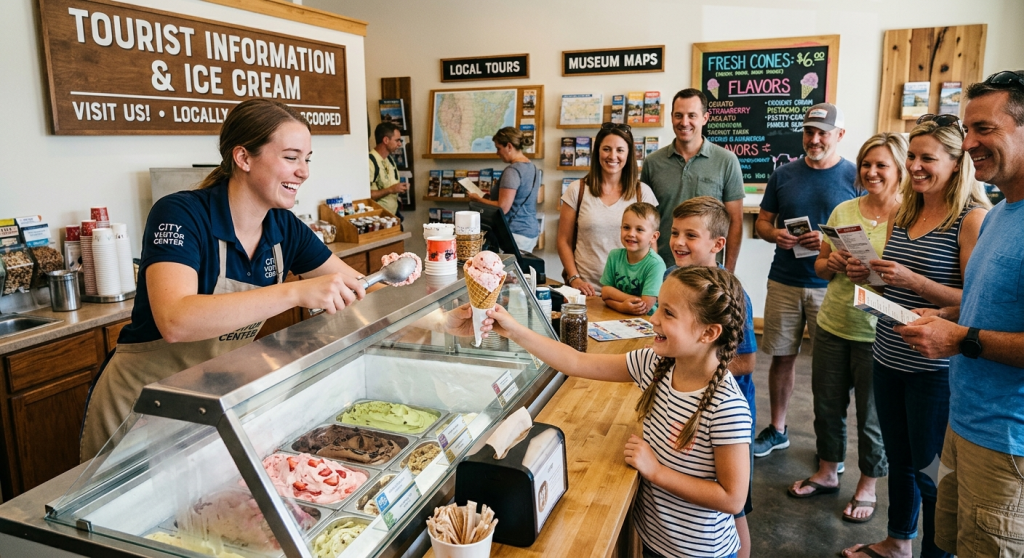
Downtown tourist information center 2202 Voght Merritt BC…

To the seasons of life
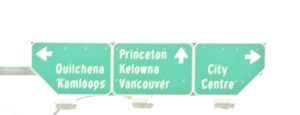
New cooler,new visable choice, new tone,It was a Happy BC Day weekend!.
Downtown tourist information center 2202 Voght Merritt BC…
https://share.google/vkkqgxNH67HNMlwzt
At its simplest, a **bot** (short for *robot*) is a software program designed to perform automated, repetitive tasks on a schedule or in response to specific triggers—much faster and at a far higher volume than a human could ever manage.
### Common Types of Bots
Bots make up a huge portion of internet traffic, serving both helpful and annoying (or harmful) purposes:
* **Search Engine Crawlers (Web Spiders):** Google and Bing use bots like *Googlebot* to scan, index, and organize web pages so they show up in search results.
* **Chatbots & Virtual Assistants:** AI models and automated messaging tools that help answer questions, handle customer support, or draft text.
* **Monitoring Bots:** Tools that constantly check if a website is online or functioning properly.
* **Data Feed Bots:** Programs that automatically sync weather updates, news feeds, or financial tickers.
L
* **Spambots:** Programs designed to harvest email addresses or flood contact forms and comment sections with spam advertisements.
* **Scraper Bots:** Programs that steal published text, images, or content from websites without permission.
* **Scalper / Ticket Bots:** Bots programed to buy up limited-availability event tickets or retail items the microsecond they go on sale.
* **Credential Stuffers:** Automated scripts trying thousands of stolen username/password combinations to breach user accounts.
* **Botnets:** Networks of thousands of infected computers or devices controlled by a central attacker to launch cyberattacks (like DDoS attacks).
“`
Input / Trigger ──> Algorithm / Logic ──> Automated Action
(e.g. Schedule, (e.g. “If X happens, (e.g. Send message,
User message) do Y”) index page)
“`
1. **Trigger:** A bot receives an instruction—such as a timer going off, an incoming user message, or a web page loading.
2. **Logic Processing:** It processes the input using pre-set rules, scripts, or (in modern systems) machine learning models.
3. **Action:** It performs the task instantaneously, whether that’s submitting a web form, sending a message, or grabbing a piece of data.
For more info search for: Identifying bots from humans…


Cloud nine has joy after a tough week..
So, the smoke tariff is a thing of the past, as we go into August 2026. But here’s an idea, create a narrative in your garden over August before you harvest in September with garden totems. Tell the the story in gli🌨️phs of nick nacs and surviving images that may have perished except for your pluck and presence.

Happy day on your way…
Editor’s: Note Smoke is back going into the weekend…
Forty percent chance for rain Saturday. (Today).
Environment Canada Weather Merritt
Conditions are expected to last the next 24 to 48 hours Saturday. Winds to be gusting up to 70 km an hour out of the Southwest.

This fellow was looking to see the surrounding hills in recent days on Garcia St North end…
City Light Concert, August 2nd
Klosters festival/.
City Light Concerts, Klosters Arena
Culture reminds…KDG
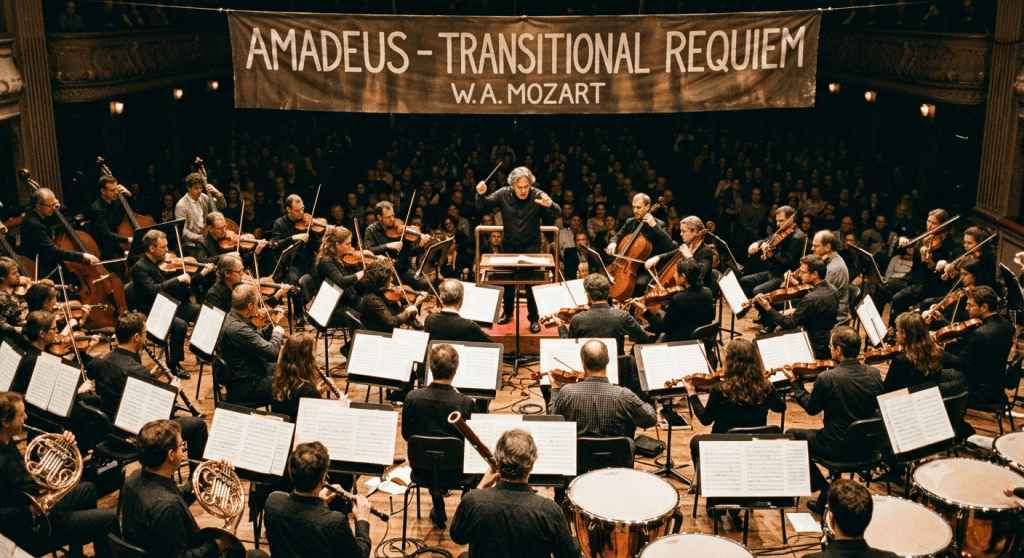
Mass in C Minor, Transitional Requiem
City Lights tour, ” Let Mozart’s work speak for itself.” Kevin Griffiths” Mystro…
Viewing wild orcas in British Columbia is a world-class experience. The coastal waters surrounding Vancouver Island and the BC mainland provide some of the richest marine habitats on Earth, attracting two primary distinct populations (ecotypes) of orcas.
### **1. Key Orca Ecotypes in BC**
* **Bigg’s (Transient) Orcas:** These are mammal-eating orcas that hunt seals, sea lions, and porpoises. Their populations are thriving along the BC coast, and they move continuously throughout the Salish Sea and outer coastal inlets, making year-round sightings frequent.
* **Resident Orcas (Northern & Southern):** These orcas feed almost exclusively on fish, especially Chinook salmon.
* **Northern Residents:** Frequently sighted in the waters around Northern Vancouver Island (Johnstone Strait and Broughton Archipelago) during summer and early fall.
* **Southern Residents:** Found around southern Vancouver Island, the Gulf Islands, and the Salish Sea. Due to conservation efforts, strict distance regulations apply when viewing them to protect their population.
### **2. Top Locations for Orca Viewing**
#### **Telegraph Cove & Johnstone Strait (Northeast Vancouver Island)**
* **Highlights:** Widely recognized as one of the best locations in the world for orca watching. Home to the **Robson Bight (Michael Bigg) Ecological Reserve**, a protected sanctuary famous for its “rubbing beaches,” where Northern Resident orcas come to rub against smooth gravel on the ocean floor.
* **How to Experience:** Boat tours, multi-day sea kayaking expeditions, or zodiac excursions based out of Telegraph Cove, Port McNeill, or Alert Bay.
#### **Victoria & Sooke (Southern Vancouver Island)**
* **Highlights:** Prime entry point to the Salish Sea and Strait of Juan de Fuca. Excellent for spotting Bigg’s orcas and humpback whales.
* **How to Experience:** Daily Zodiac and covered cruiser tours depart directly from Victoria’s Inner Harbour or Sooke.
#### **Vancouver & Steveston (Lower Mainland)**
* **Highlights:** Convenient access for travelers staying on the mainland. Tours navigate the Strait of Georgia, the Gulf Islands, and Howe Sound to follow active pods.
* **How to Experience:** Day-trip operators depart out of Granville Island, Coal Harbour, and Steveston Village (Richmond).
#### **Campbell River & Cowichan Bay / Parksville (Central Salish Sea)**
* **Highlights:** Sheltered waters between Vancouver Island and the mainland, offering high success rates for spotting transient pods navigating channel passes.
#### **Prince Rupert & The North Coast**
* **Highlights:** For a remote, off-the-beaten-path experience, northern BC waters offer encounters with migrating orcas following salmon runs alongside humpbacks and grizzly bear viewing.
### **3. Prime Season**
* **Best Months:** **May through October**
* **July to September** is peak season, offering calm sea conditions, long daylight hours, and high concentrations of both resident and transient orcas following migrating salmon or hunting marine mammals.
* **Year-Round Potential:** Because Bigg’s (transient) orcas travel constantly in search of seals and sea lions, they can be spotted in BC waters in winter and spring as well.
### **4. Ways to Tour**
* **Covered Motor Vessels / Cruisers:** Ideal for family comfort, shelter from wind and spray, photography with stable platforms, and onboard naturalists.
* **Zodiacs:** Open-air, high-speed boats that offer an adventurous, closer-to-the-water feel.
* **Guided Kayaking Trips:** Multi-day basecamp or expedition tours (especially in Johnstone Strait / Hanson Island) allow quiet, immersive encounters with wildlife.

* **Distance Laws:** Marine mammal regulations in Canada require vessels to maintain a minimum distance (typically **400 metres** for all killer whales in BC coastal waters, or **200 metres** in specific designated areas for non-resident populations) to prevent boat noise from interfering with their echolocation and feeding.
* **Eco-Certified Operators:** Choose operators accredited by the *Pacific Whale Watching Association (PWWA)* or local eco-tourism boards that follow strict wildlife viewing protocols and contribute to marine conservation research.

This is an international association members are linked below. We suggest to be safe to engage the people that have the cumulative experience to ensure your safety.
From the Editor:
While some interactions can naturally happen closely, there are strict guidelines in place today to ensure the animals are protected and not disturbed.
Well NASA bless them, as all their photos are public domain.
PP
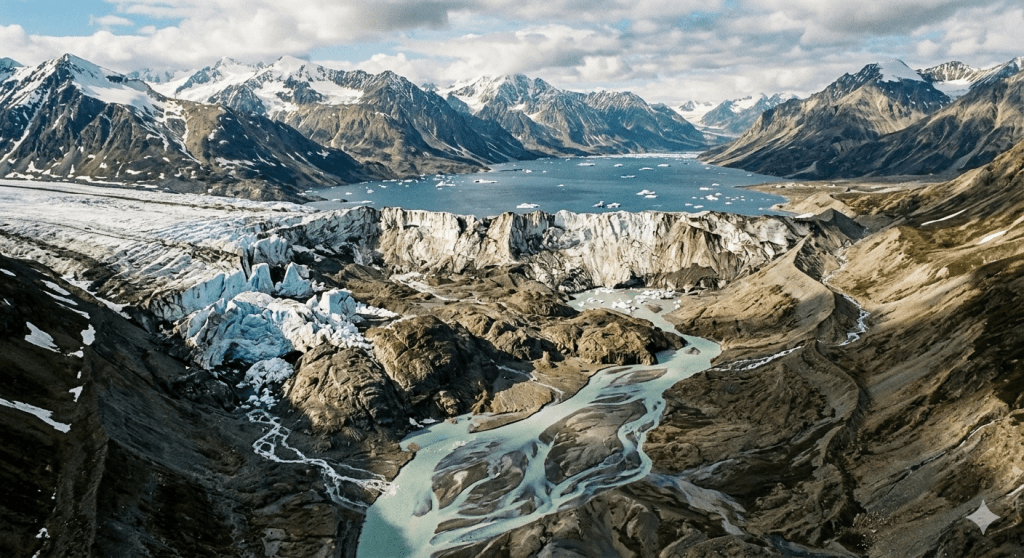
British Columbia Sites worthy. 10 sites worth your time…
British Columbia offers a vast canvas for landscape and outdoor photography, ranging from rugged coastal rainforests to dry interior canyons and dramatic alpine peaks.
Here are **10 of the most visually spectacular sites in BC**, selected for their distinct geological character, compelling natural light, and immense creative potential:
### **1. Mount Robson Provincial Park (Berg Lake & Kinney Lake)**
* **The Draw:** Home to the highest peak in the Canadian Rockies. The sheer vertical scale of Mount Robson rising above glacier-fed water provides incredible depth and dramatic contrast.
* **Photographic Focus:** Capturing early morning light hit the face of Mt. Robson, or framing the vivid turquoise waters of Kinney Lake against surrounding alpine slopes.
### **2. Mount Assiniboine Provincial Park**
* **The Draw:** Often dubbed the “Matterhorn of the Rockies,” this remote park is a dream for wide-angle landscape photography featuring jagged peaks, larch forests, and crystal-clear reflection lakes.
* **Photographic Focus:** Sunrises over Sunburst Lake with Mt. Assiniboine perfectly mirrored on a calm morning.
### **3. Yoho National Park (Emerald Lake & Lake O’Hara)**
* **The Draw:** Tucked along the continental divide, Yoho features intense glacial silts, towering waterfalls (like Takakkaw Falls), and rugged granite amphitheaters.
* **Photographic Focus:** Reflections of surrounding peaks on the still surface of Emerald Lake or framing dramatic, cascading water against deep canyon walls.
### **4. Pacific Rim National Park Reserve (Tofino & Ucluelet)**
* **The Draw:** Wild, moody Pacific Northwest coastline. Mist-shrouded old-growth rainforests meet rocky headlands and expansive, ocean-swept beaches.
* **Photographic Focus:** Long-exposure seascape photography along Chesterman Beach or the Wild Pacific Trail during stormy weather, capturing churning waves and sea stacks.
### **5. Joffre Lakes Provincial Park**
* **The Draw:** Three cascading alpine lakes famous for their striking, radiant turquoise color caused by glacial flour suspended in the water.
* **Photographic Focus:** Framing the Matier Glacier hovering over Middle and Upper Joffre Lakes using shoreline logs or pine branches for strong foreground leading lines.
### **6. Seton Lake & The Fraser Canyon (Lillooet Region)**
* **The Draw:** A unique contrast to coastal rainforests, this dry interior landscape features sharp canyon walls, winding rivers, and brilliant golden hour light.
* **Photographic Focus:** The dramatic horseshoe bend of the lake framed by arid, rugged mountains during sunset, highlighting texture and warm earth tones.
### **7. Great Bear Rainforest & Bella Coola Valley**
* **The Draw:** One of the most pristine coastal temperate rainforests left on Earth, where deep fjords meet steep, glacier-capped mountains and ancient granite walls.
* **Photographic Focus:** Atmospheric, moody forest framing, ocean mist hanging over narrow inlets, and dynamic wildlife photography along river valleys.
### **8. Wells Gray Provincial Park**
* **The Draw:** Known as Canada’s “waterfall park,” shaped by ancient volcanic activity and glacial carving. It features massive drops like Helmcken Falls plunging into deep canyons.
* **Photographic Focus:** Experimenting with shutter speeds to capture the sheer power and movement of Helmcken, Dawson, or Moul Falls framed by volcanic rock walls.
### **9. Kootenay Lake & West Kootenay Passes**
* **The Draw:** Deep, fjord-like lake basins surrounded by the Selkirk and Purcell Mountain ranges. The area mixes quiet historic charm with dramatic valley elevation shifts.
* **Photographic Focus:** Composition opportunities using ferry crossings, shoreline reflections, and mountain passes catching low-angle alpine light during golden hour or twilight.
### **10. Johnstone Strait & Telegraph Cove (Northern Vancouver Island)**
* **The Draw:** Misty marine channels, lush coastal islands, and rich ocean ecosystems.
* **Photographic Focus:** Telephoto compositions capturing marine life against mist-laden forest backdrops, or framing colorful boardwalk settlements tucked into coastal bays.
Under the government’s Canada strong initiative:. Admission in national parks is free till September 7th 2026. Some provincial parks are also sharing in this initiative or their own.
Provincial is being dropped in the name for a reconciliation value to FN soon…
Junior A Hockey, Merritt
Tonight the Merritt Centennials ended 51 consecutive years of play, positive presence posed…
Itelca Gillispie, Merritt Centennials.

Good luck Merritt Centennials hockey players and your move to the KHL league.
The end of 51 years,they remain a force in Merritt.
Looking ahead
CBC Gem offers many services including sports broadcasting. Get the free app and link your phone…
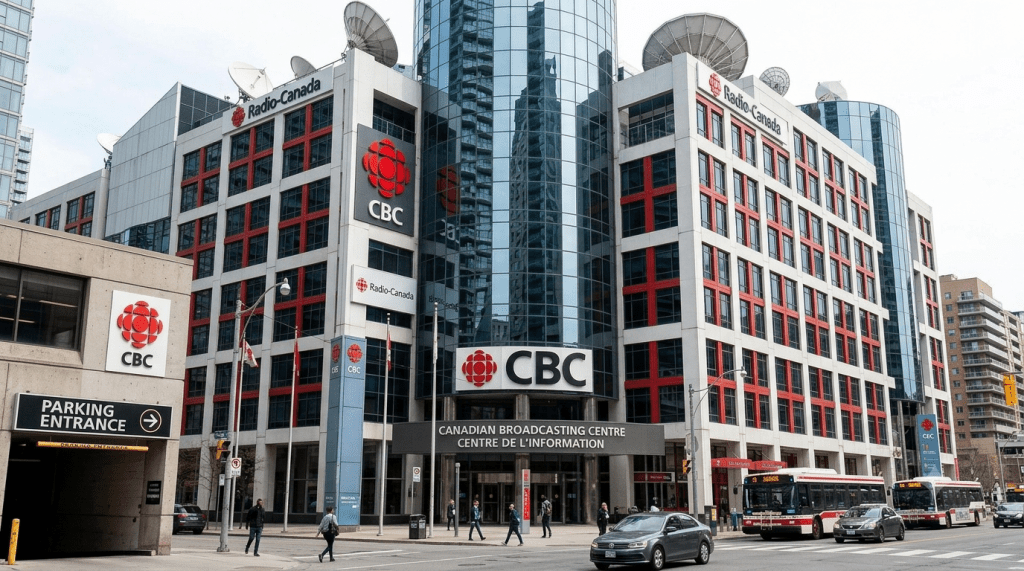
Happy sports viewing…
Disclaimer: This is not an ad; it is posting news and soliciting comment interaction and viewpoints.
Available on Apple TV
This film is critically acclaimed and is a Canadian small budget production(5 million dollars .
Set in a British Columbia town. Originally the story came from the Texas location but was adapted for BC. 40 school. Children are drowned in a school box accident. It’s driven into a lake.
A lawyer comes to town looking for deep pockets and soliciting clients, an interesting dynamic arises.
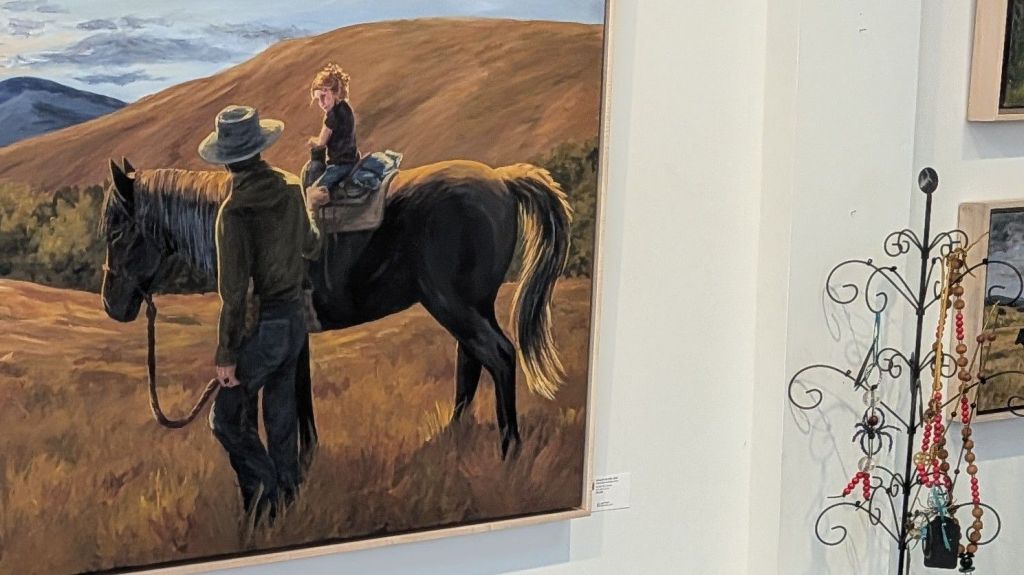
On now, at the corner of Nicola Avenue, and Voght Street, the August art show is a community show with a strong showing from the Cowboy/ Western Rural community.
Enter : Kekilui cafe entrance, the gallery hours are ten to five most days.

Hey Merit what do you say?


 Kevin Griffiths
 percypaschal
