
The interest in all things lunar continues as mankind’s March to knowledge grows exponentially everyday.

To the seasons of life

The interest in all things lunar continues as mankind’s March to knowledge grows exponentially everyday.
Star ship 💥
The next Starship test flight, Flight 10, is scheduled for August 4th, 2025. This flight will be another uncrewed test to gather more data on the Starship’s performance.
Waiting for a crewed test launch, concerned about the Artemis Partner Program in the current geo political atmosphere it’s heartening to know a starship test is coming in August.
Maintained by space x that 1000 Starships will bring 1 million colonists to Mars. This I
Is for permanent settlement.
The ambitious goal of making Mars a habitable planet and sending a million people there is primarily driven by SpaceX, led by Elon Musk. While other space agencies like NASA have plans for human missions to Mars, SpaceX has the most public and aggressive timeline for large-scale colonization.
Here’s a breakdown of the key aspects of this program:
SpaceX’s Vision for Mars Colonization:
* Self-Sufficient City: The ultimate goal is to establish a self-sufficient, large-scale settlement and a democratic, self-governing colony on Mars. This means not just sending people, but building the infrastructure for them to live, work, and thrive independently of Earth.
* Starship System: The core of SpaceX’s plan is the Starship spacecraft and Super Heavy rocket. This fully reusable transportation system is designed to carry both crew and massive amounts of cargo to Mars.
* Massive Transportation: To achieve the goal of a million people, SpaceX envisions launching thousands of Starships during Mars launch windows (which occur approximately every 26 months). They talk about launching more than 10 times per day to maximize these windows.
* Phased Approach: The plan involves initial cargo missions to deliver equipment, habitats, and supplies before any humans arrive. The first crewed missions would focus on setting up propellant plants (to produce fuel on Mars using local resources), power systems, and rudimentary bases.
* Resource Utilization (ISRU): A crucial part of self-sufficiency is In-Situ Resource Utilization (ISRU). This involves using resources available on Mars, such as harvesting CO2 from the atmosphere and splitting it into its components to create oxygen and fuel.
* Timeline: While highly ambitious and subject to change, Elon Musk has spoken about a first crewed mission as early as 2029 and the development of a self-sustaining colony by 2050.
Terraforming Mars:
“Terraforming” refers to the hypothetical process of transforming a planet hostile to life into one that can sustainably host humans and other lifeforms without protection. While SpaceX’s immediate focus is on establishing a base that uses local resources, the long-term vision of a truly Earth-like Mars involves terraforming.
* Challenges: Terraforming Mars presents immense challenges with current technology. Key issues include:
* Thin Atmosphere: Mars has a very thin atmosphere with extremely low surface pressure.
* Lack of Magnetic Field: Mars lacks a global magnetic field, which makes its atmosphere vulnerable to erosion by solar winds.
* Cold Temperatures: Mars is very cold.
* Proposed Methods (Hypothetical):
* Greenhouse Gases: Releasing greenhouse gases (like CO2, which is abundant in Mars’s atmosphere and polar caps) to thicken the atmosphere and warm the planet.
* Artificial Magnetic Field: Creating an artificial magnetic field to protect the atmosphere from solar wind erosion.
* Engineered Dust Particles: Some researchers have proposed releasing engineered dust particles into the atmosphere to trap heat.
* Localized Habitats: A more achievable near-term approach might be creating localized habitable environments using materials like silica aerogel, which could provide shelter and warmth for small areas.
NASA’s Role:
While NASA doesn’t have a plan for colonizing Mars with a million people in the same way SpaceX does, they are actively working towards human exploration of Mars. Their goals include:
* Scientific Discovery: Understanding whether life ever existed on Mars, characterizing its climate and geology, and preparing for human exploration.
* Technology Development: Testing technologies for oxygen production (like MOXIE on the Perseverance rover), developing sustainable food and water systems, power generation, and advanced habitats.
* Artemis Program: NASA’s Artemis program is laying the groundwork for long-term human presence on the Moon, which will serve as a stepping stone and testing ground for missions to Mars.
In essence, SpaceX is the primary driver behind the “million people on Mars” goal, with their Starship system being the core technology. Terraforming, while a long-term aspiration, faces significant scientific and technological hurdles. NASA, meanwhile, is focused on incremental steps towards human exploration, scientific discovery, and developing the foundational technologies needed for future long-duration missions to the Red Planet.
Test number 10
Farm gate pricing can be a crucial component for supporting a family in British Columbia or Canada, but it’s often not sufficient on its own. Here’s a breakdown of the factors involved:
Farm Gate Pricing and Family Income:
* Potential for Higher Returns: Selling directly to consumers (farm gate sales) generally allows farmers to capture a larger share of the retail price, as they cut out intermediaries like wholesalers and retailers. This can lead to better margins per unit of product.
* Challenges to Viability:
* Scale and Volume: To generate enough income to support a family, a farm needs to produce and sell a significant volume of products. This requires substantial labor, land, and capital investment.
* Market Access and Demand: While direct sales offer better prices, farmers need consistent customer demand. This often means being located near population centers, investing in marketing, and building customer relationships.
* Off-Farm Income: A significant number of small-scale family farms in Canada, including BC, rely on off-farm income to supplement their farm gate sales and cover living expenses. This indicates that farm income alone is often not enough.
* Rising Costs: Farmers face increasing input costs (feed, fertilizer, fuel, equipment), high land values (especially in BC), and fluctuating market prices, which can squeeze profit margins even with direct sales.
* Labor and Time Commitment: Operating a successful farm with direct sales requires a huge time commitment, including production, processing, marketing, and sales. This can be challenging to balance with family life and other employment.
* Government Regulations: In BC, there are specific “Farmgate” and “Farmgate Plus” licenses for meat producers, allowing certain slaughter volumes for direct sales. This shows an attempt to support direct marketing, but there are still volume limits and other regulations to navigate.
Economies of Scale and Small Farms/Cooperatives:
* Traditional Economies of Scale: Historically, “economies of scale” in agriculture have favored large farms that can produce massive quantities at lower per-unit costs due to specialized machinery, bulk purchasing, and efficient distribution networks. This often puts small farms at a disadvantage.
* How Small Farms Can Achieve “Economies of Scope” or “Network Economies”: While true “economies of scale” (simply growing bigger to reduce per-unit costs) might be harder for individual small farms, they can achieve similar benefits through different strategies:
* Diversification (Economies of Scope): Small farms often diversify their crops and products. This allows them to spread risk, utilize resources more efficiently, and cater to diverse market demands, effectively creating multiple revenue streams from a similar asset base.
* Direct Marketing: Selling directly to consumers at farmers’ markets, farm stands, CSAs (Community Supported Agriculture), or online platforms helps small farms capture more of the retail dollar, effectively increasing their “scale” of profitability per unit.
* Value-Added Products: Processing raw agricultural products into higher-value goods (e.g., making jams from fruit, baked goods from grains, or prepared meals) can significantly boost revenue.
* Cooperatives and Economies of Scale: This is where cooperatives truly shine for small family farms. Cooperatives allow individual farms to achieve many of the benefits of larger-scale operations by:
* Bulk Purchasing: Buying inputs like seeds, fertilizers, and equipment collectively at discounted rates.
* Shared Equipment: Investing in expensive machinery that individual farms couldn’t afford on their own.
* Collective Marketing and Distribution: Pooling products to access larger markets, negotiate better prices, and streamline logistics (e.g., shared transportation, centralized storage facilities).
* Processing and Value-Adding: Establishing shared processing facilities to create value-added products that individual farms might not have the capacity for.
* Risk Management: Sharing risks associated with crop failure or market fluctuations.
* Knowledge Sharing: Members can share expertise and best practices, leading to improved efficiency and productivity.
* Access to Financing: Cooperatives may have better access to loans and grants than individual small farms.
* Increased Bargaining Power: Cooperatives give small farmers a stronger voice in the marketplace and with suppliers.
In Conclusion:
While farm gate pricing offers potential for higher returns, it’s often not enough on its own to support a family in British Columbia or Canada given the high costs and challenges of farming. However, when combined with strategies that mimic economies of scale, particularly through cooperatives and diversified direct marketing, small family farms have a much better chance of achieving economic viability and supporting a family. Cooperatives, in particular, empower small farms to collectively leverage resources and market power, providing a pathway to sustainable livelihoods in agriculture.
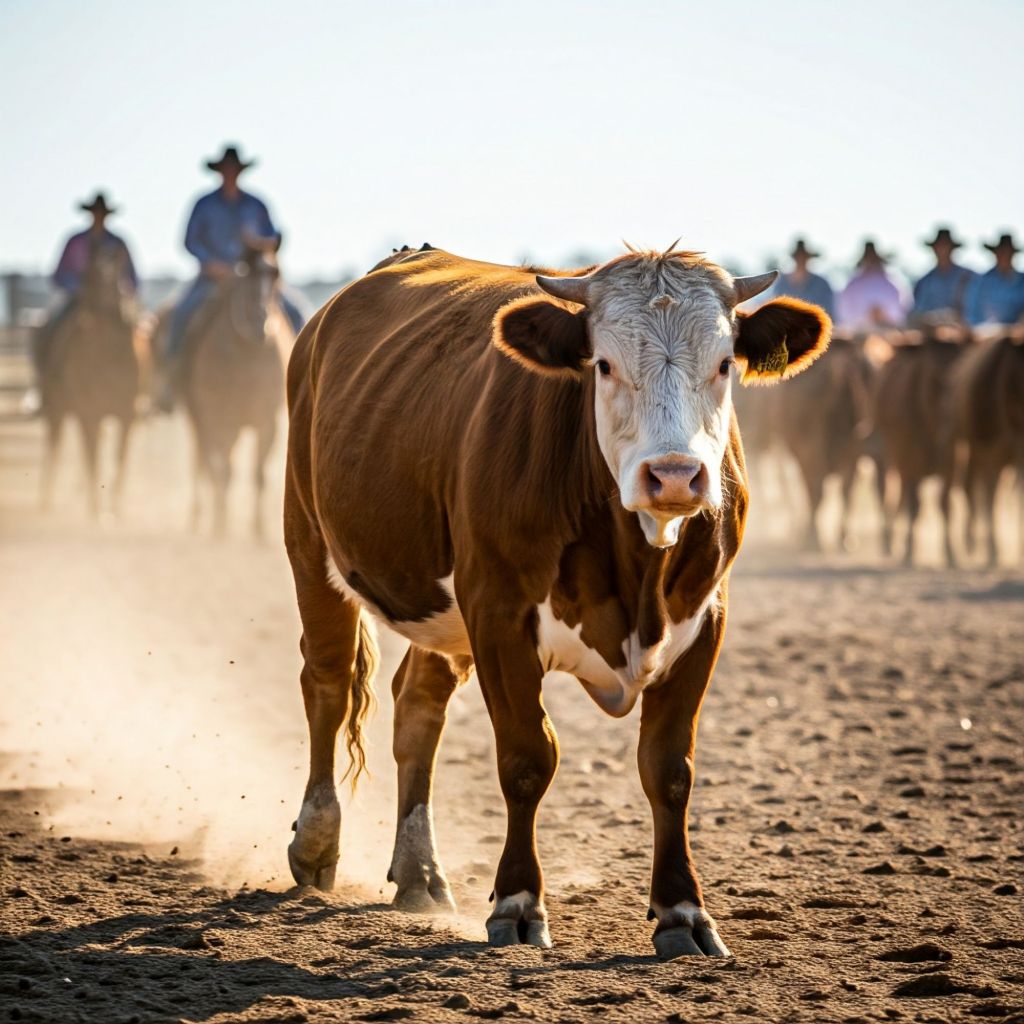
Australia is a major player in the global beef market, known for its high-quality grass-fed and grain-fed beef. The Australian red meat and livestock industry is a significant contributor to the national economy.
Here’s a breakdown of Australian beef production and its global comparison:
Australian Beef Production:
* Significant Industry: The red meat and livestock industry in Australia had a turnover of A$81.7 billion in 2022–23 and employed approximately 418,921 people.
* Production Volume: In 2023, Australia produced around 2.2 million tonnes (carcase weight) of beef and veal. In the March 2025 quarter alone, beef production increased by 4.9% to 709,140 tonnes. Forecasts suggest a further increase in production for 2025, potentially reaching 2.62 million tonnes due to anticipated destocking.
* Grain-fed Cattle: In the 2024 financial year, 2.8 million grain-fed cattle were marketed, a 4% increase from FY 2023.
* Cattle Numbers: As of June 2022, Australia had 24.4 million head of cattle (including dairy cattle).
Global Comparison – Production, Imports, and Exports:
Production:
* Global Standing: While Australia is a significant beef producer, its production volume is relatively small globally, accounting for less than 5% of the world’s beef and buffalo meat supply.
* Top Producers (2024/2025 estimates):
* United States: Leading the world with an estimated 12.29 million metric tons annually (around 20% of global production).
* Brazil: Second largest, with an estimated 11.85 million metric tons (around 19% of global production).
* China: An estimated 7.79 million metric tons (around 13% of global production).
* European Union: Collectively, about 6.63 million metric tons (around 11% of global production).
* India: Approximately 4.57 million metric tons (primarily buffalo meat).
* Argentina: Approximately 3.18 million metric tons.
* Australia: Around 2.58 million metric tons (approximately 4% of global production).
Exports:
* Major Exporter: Australia is a dominant force in global beef trade, ranked as the second-largest beef exporter in the world in 2024. In 2023, Australia exported 67% of its total beef and veal production, with a value of A$11.3 billion.
* Export Volume (2024): Australian beef export volumes reached 1.6 million tonnes in 2024, a 20% increase from the previous year. The total value of Australian beef exports in 2024 was £7.9 billion (approximately A$15 billion).
* Key Export Markets for Australian Beef:
* United States: Has been Australia’s largest market for exported beef for most of the last 25 years, accounting for 30.7% of Australia’s beef exports in 2024 (up from 17% in 2022).
* Japan: A consistent major trade partner.
* China: While China has historically been a significant market, Australian beef exports to China have seen volatility due to changing import protocols. However, China remains an attractive market for premium Australian beef products.
* South Korea: Another key market.
* Indonesia: Important for Australian beef exports.
* Global Export Landscape (2025 estimates):
* Brazil: Projected to be the largest exporter (3.6 million MT CWE).
* Australia: Second largest exporter (1.9 million MT CWE).
* India: (1.645 million MT CWE, mainly buffalo meat).
* United States: (1.179 million MT CWE).
* Argentina: (860,000 MT CWE).
Imports:
* Australia as an Importer: Australia generally has minimal beef imports, relying on its strong local supply. Occasional imports from New Zealand occur, typically during New Zealand’s peak beef production cycles. Very small quantities of high-end Japanese Wagyu beef are air freighted to Australia for top restaurants.
* Major Global Beef Importers (based on value in 2024 for fresh whole beef):
* United States
* Italy
* Germany
* Netherlands
* Japan
* France
* Chile
* South Korea
* United Kingdom
* Mexico
Key Characteristics of Australian Beef Production:
* Traceability and Integrity: Australia boasts strong paddock-to-plate traceability and product integrity systems, which are key selling points for food safety and sustainability.
* Quality and Reputation: Australian beef is globally recognized for its high quality, whether grass-fed or grain-fed.
* Market Diversification: Following trade challenges with China, Australia has actively diversified its export markets, strengthening relationships with other major importers.
In summary, Australia is a relatively smaller global producer of beef but a massive exporter, leveraging its reputation for quality and robust supply chains to compete effectively in international markets.
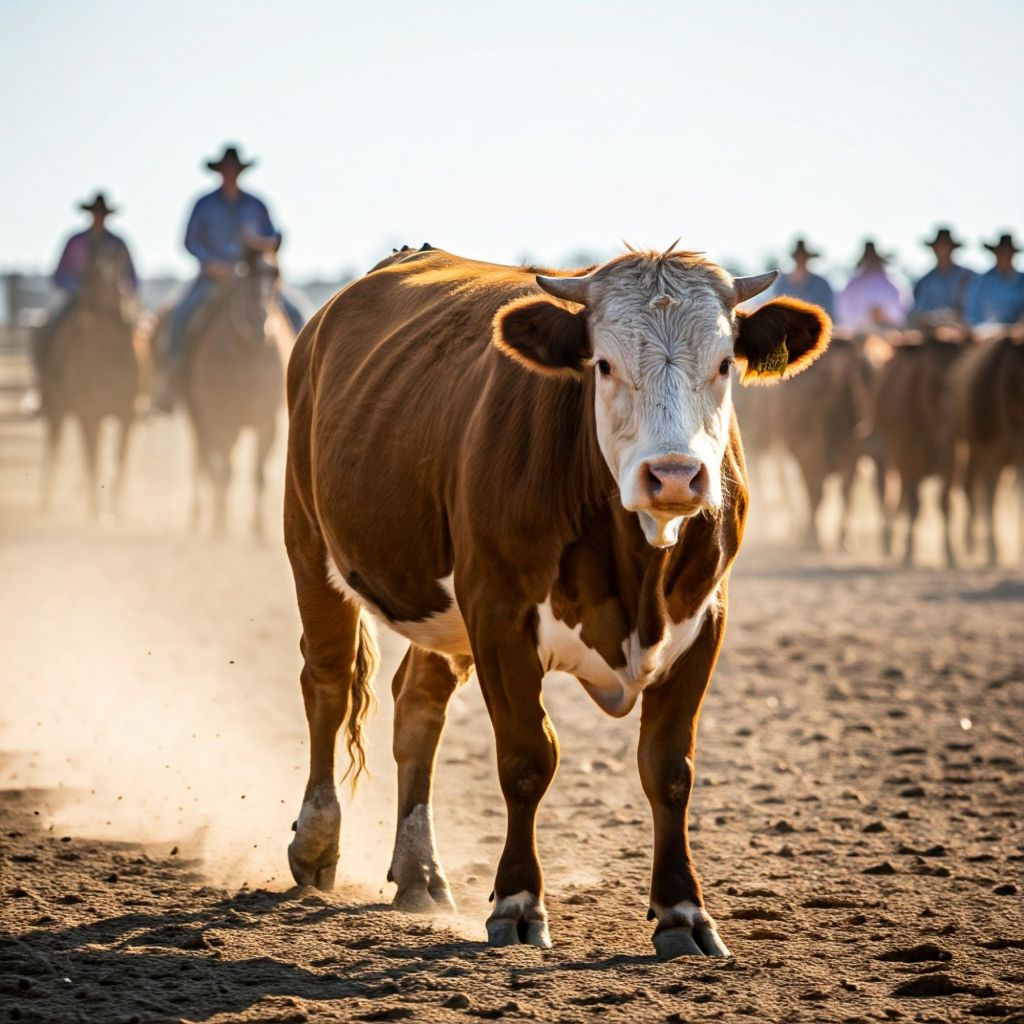
Free and fair trade is the normal default desirable position tariffs are often punitive and arbitrary.
https://youtube.com/shorts/2blNjxDa4pM?feature=share

Remember, taking up the small while being mindful of the large can help you navigate tasks and challenges with balance and purpose.

Is fishing back?
Based on the search results, here’s information regarding fishing licenses on the BC Coast:
Tidal Waters (Saltwater) Recreational Fishing Licenses:
* In the 2023 to 2024 season (April 1 to March 31), a total of 333,478 tidal waters sport fishing licenses were issued to residents of British Columbia. This includes various types of licenses such as annual, 5-day, 3-day, and 1-day for adults, as well as annual licenses for seniors and juveniles.
* For the 2022 to 2023 season, the total number of tidal water sport fishing licenses issued to BC residents was 302,179.
* Approximately 300,000 license holders participate in tidal recreational fishing in British Columbia.
* Juveniles (under 16 years old) are required to obtain a free tidal waters sport fishing license.
* A separate Salmon Conservation Stamp is required for anglers of all ages who wish to retain any species of Pacific salmon.
Commercial Fishing Licenses:
* The number of individual annual commercial license holders in the Pacific region has been declining. In 2023, there were 4,057 individual license holders, which is a 74% decrease from the peak in 1987.
* These individual license holders were issued a total of 5,512 species-specific commercial licenses in 2023.
It’s important to note the distinction between recreational (sport) fishing licenses and commercial fishing licenses, as they are managed and tracked separately. The data provided above gives a recent snapshot of the number of licenses issued for both categories on the BC Coast.

Most jurisdictions in Canada have been lifting the carbon tax off the consumer price of gasoline. Along with that, the carbon credit may be on its way out. Hard to say when everything fits together but it seems to be the moniker that is driving it.
Well, if people feel empowered by it, It’s probably the right thing to do.
So, We wonder where the next excise taxes will be stuck into, some consumer things somewhere. I wonder if it’ll be cars or are they going to be relying on tariffs?
Don’t bring your tariffs to town. Billy boy Billy boy.
Taxidermied? skinned, cleaned, hung out to dry.
The premier of Alberta has doubled her bacon consumption + has her eye on beef. In the sense that made in Canada a solution to sales can be achieved, so bacon up.
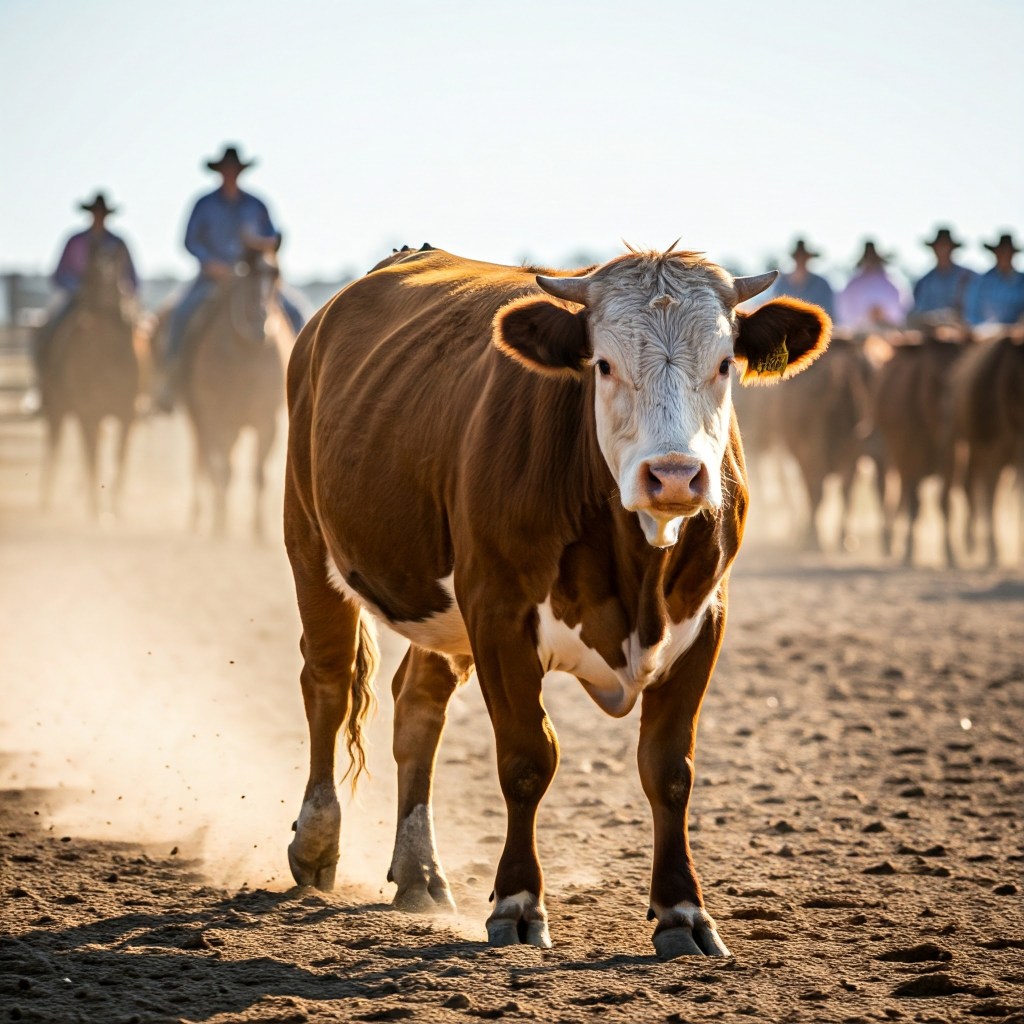
Good Luck
Farms and Rancheswith Beef Cattle2021 Census of Agricuiture11,1millionTotal Cattle and CalvesDary 1, 20242.1% fromJanuary 1, 2023(includes 1.4 million dairy cattle)Statistics Canada3.46millionBeef CowsJanuary1, 2024Down 2.4% fromJanuary 1, 2023Statistics CanadaQuebec 40Atlantic 2020 40 60#of Head (May 11, 2021)2021 Census of AgicultureBeef Cows by ProvinceJanuary 1,2024Statistics Canade: inventory x 1000 headPercentages may not add to 100% due to rounding5% 45%28% 11%1831.556 L 6% 1980 381 215117Average Cost of Production vs.Average Returns on anAlberta 550 Ib Calf*Price S/cwt EST. Total Costs per cwt3.1262.1161.1.690 92 94 96 98 00 02 04 06 08 10 12 14 16 18 20 22Canfax Research Services23% of farms havebetween 47 and 122 cows.with 956,118 beef cows, 26%of the herd.15% of farms have1% of the farms between 123 and 499 cows.have 13% of the with 1.21 million beef cows,45% of the herd.beef cows, between 2021 Census of Agriculture500 and 2,499 on Results rounded to nearesteach farm. whole numberCanada fed 3.1 million cattle in2023 (finished to market weight)down 4.4% from 2022.Canfax, Statistics Canada, AAFCWestern Canada finishes 79%of all fed cattle in Canada. canfaxIn 2023, Canadaproduced 3.44bilion pounosnof beef,offals), down 4.6% 3.44from 2022. BillionCanfax Research Services PoundsCattle and calf cash receiptsin 2023 totaled $15.0 billion,up 26% from 2022. statistics CanadaBeef production contributed$29 billion to Canada’s GDP(2021-2023 average).Canfax Research ServicesWHERE CANADA TRADESBeef Exports – 20231.1 billion pounds (499 million kg)75.2% United States2.9% South Korea9.1% Japan6.5% Mexico3.4% Other3.0% Southeast AsiaBeef Imports – 2023411 million pounds (187 milion kg)53.0% United States9.7% New Zealand6.4% Uruguay10.9% Australia6.2% Mexico13.8% otherStatistics CanadaIn 2023, Canada exported 51% of totalbeef and cattle produced in Canada.Statistics Canada, Canfax, AAFCIn 2023, 45% of Canadian productionwas exported (excluding slaughter cattle).Statistics Canada, Canfax, AAFCCanadian beef exports were valued at$5.02 billion in 2023, up 7.4% from$4.68 billion in 2022.Statistics CanadaCANADIAN BEEF What are wecONSUMPTION really eating?35.8 Ibs(16.2 kg)per person yearlyDown 7.2% versus last year.1 metric tonne = 2,204.6 lbs.Statistics Canada, Retail weight, 2023WHERE CANADA FITSTop 10 Beef Producing Nations – 2024fUnited States 19.72%Brazil 18.57%China 12.769%EU 10.65%India 7.57%Argentina a 5.20%Australia Canada 3.97%has 1.2% of theMexico world’s 942 million, 3.75%cattle.Russia 2.29%Canada 2.16%59% 10% 15% 20% 25%Canada produces 2% of the world’s beef supply. Worldwide beefproduction is forecast to be 60.4 million metric tonnes in 2024.USDATop 10 Beef Exporting Nations- 2024fAPvoorts)(excludes live slaughterBrazil 23.75%India 13.82%United States 12.97%Australia 10.31%Argentina 7.46%New Zealand 5.59%EU 4.86%Canada 4.54%Uruguay 3.85%Paraguay 3.65%5% 10% 15% 20% 25%Total world exports in 2024 are forecast to be 12.3 million metric tonnesand Canada is projected to be the 8th largest beef exporter in the world(excluding live slaughter exports).USDACanadian Beef ConsumptionDomestic Imports1.2001.00080060040020002 04 06 08 10 12 14 16 18Canadians consumed 924,283 metric tonnes of beef in 2023.Statistics Canada
Farms and Rancheswith Beef Cattle2021 Census of Agricuiture11,1millionTotal Cattle and CalvesDary 1, 20242.1% fromJanuary 1, 2023(includes 1.4 million dairy cattle)Statistics Canada3.46millionBeef CowsJanuary1, 2024Down 2.4% fromJanuary 1, 2023Statistics CanadaQuebec 40Atlantic 2020 40 60#of Head (May 11, 2021)2021 Census of AgicultureBeef Cows by ProvinceJanuary 1,2024Statistics Canade: inventory x 1000 headPercentages may not add to 100% due to rounding5% 45%28% 11%1831.556 L 6% 1980 381 215117Average Cost of Production vs.Average Returns on anAlberta 550 Ib Calf*Price S/cwt EST. Total Costs per cwt3.1262.1161.1.690 92 94 96 98 00 02 04 06 08 10 12 14 16 18 20 22Canfax Research Services23% of farms havebetween 47 and 122 cows.with 956,118 beef cows, 26%of the herd.15% of farms have1% of the farms between 123 and 499 cows.have 13% of the with 1.21 million beef cows,45% of the herd.beef cows, between 2021 Census of Agriculture500 and 2,499 on Results rounded to nearesteach farm. whole numberCanada fed 3.1 million cattle in2023 (finished to market weight)down 4.4% from 2022.Canfax, Statistics Canada, AAFCWestern Canada finishes 79%of all fed cattle in Canada. canfaxIn 2023, Canadaproduced 3.44bilion pounosnof beef,offals), down 4.6% 3.44from 2022. BillionCanfax Research Services PoundsCattle and calf cash receiptsin 2023 totaled $15.0 billion,up 26% from 2022. statistics CanadaBeef production contributed$29 billion to Canada’s GDP(2021-2023 average).Canfax Research ServicesWHERE CANADA TRADESBeef Exports – 20231.1 billion pounds (499 million kg)75.2% United States2.9% South Korea9.1% Japan6.5% Mexico3.4% Other3.0% Southeast AsiaBeef Imports – 2023411 million pounds (187 milion kg)53.0% United States9.7% New Zealand6.4% Uruguay10.9% Australia6.2% Mexico13.8% otherStatistics CanadaIn 2023, Canada exported 51% of totalbeef and cattle produced in Canada.Statistics Canada, Canfax, AAFCIn 2023, 45% of Canadian productionwas exported (excluding slaughter cattle).Statistics Canada, Canfax, AAFCCanadian beef exports were valued at$5.02 billion in 2023, up 7.4% from$4.68 billion in 2022.Statistics CanadaCANADIAN BEEF What are wecONSUMPTION really eating?35.8 Ibs(16.2 kg)per person yearlyDown 7.2% versus last year.1 metric tonne = 2,204.6 lbs.Statistics Canada, Retail weight, 2023WHERE CANADA FITSTop 10 Beef Producing Nations – 2024fUnited States 19.72%Brazil 18.57%China 12.769%EU 10.65%India 7.57%Argentina a 5.20%Australia Canada 3.97%has 1.2% of theMexico world’s 942 million, 3.75%cattle.Russia 2.29%Canada 2.16%59% 10% 15% 20% 25%Canada produces 2% of the world’s beef supply. Worldwide beefproduction is forecast to be 60.4 million metric tonnes in 2024.USDATop 10 Beef Exporting Nations- 2024fAPvoorts)(excludes live slaughterBrazil 23.75%India 13.82%United States 12.97%Australia 10.31%Argentina 7.46%New Zealand 5.59%EU 4.86%Canada 4.54%Uruguay 3.85%Paraguay 3.65%5% 10% 15% 20% 25%Total world exports in 2024 are forecast to be 12.3 million metric tonnesand Canada is projected to be the 8th largest beef exporter in the world(excluding live slaughter exports).USDACanadian Beef ConsumptionDomestic Imports1.2001.00080060040020002 04 06 08 10 12 14 16 18Canadians consumed 924,283 metric tonnes of beef in 2023.Statistics Canada
The General Agreement on Tariffs and Trade (GATT) was a pivotal international trade agreement that played a crucial role in shaping the post-World War II global economy. Here’s a breakdown of its key aspects:
Purpose and Jurisdiction:
* Objective:
* GATT’s primary goal was to liberalize international trade by reducing or eliminating trade barriers, such as tariffs and quotas.
* It aimed to foster economic recovery after World War II and promote global economic cooperation.
* Jurisdiction:
* GATT focused primarily on trade in goods.
* It established a set of rules and principles that signatory countries were expected to adhere to in their trade practices.
* It also provided a framework for resolving trade disputes among member nations.
Effect:
* Tariff Reduction:
* GATT was highly successful in reducing average tariff levels among member countries through a series of negotiating “rounds.”
* This led to a significant increase in international trade.
* Trade Liberalization:
* By reducing trade barriers, GATT facilitated the growth of global trade and economic interdependence.
* Foundation for the WTO:
* GATT laid the groundwork for the creation of the World Trade Organization (WTO), which succeeded it in 1995.
Membership:
* Initial Signatories:
* GATT was initially signed by 23 countries in 1947.
* Growth:
* Over time, GATT’s membership expanded significantly, reflecting the increasing importance of international trade.
* By the time it was replaced by the WTO it had over 125 member nations.
Success and Legacy:
* Success:
* GATT is widely regarded as a successful agreement that contributed significantly to the growth of the global economy.
* Transition to the WTO:
* GATT no longer exists as an independent organization.
* It was replaced by the WTO on January 1, 1995.
* The WTO built upon the principles of GATT and expanded its scope to include trade in services and intellectual property.
* Therefore, GATT’s principles live on within the WTO.
In summary, GATT was a crucial stepping stone in the evolution of international trade, paving the way for the modern global trading system.

We believe that individual sovereignty of Nations is very important but not as important as some people bewit the end of the world and that some sort of non-benign entity is behind world-based order and its rules.
The paranoia that might overtake the reasoning of the many. To quote a former US president and somebody intimately involved in the rules-based order for a peaceful world after World war II, President Roosevelt ” We have nothing to fear but fear itself”
Govern ourselves accordingly.

I can see by the clock on the wall. It’s time to bid one and all. This was the poetic beginning of the closing to the Wayne and Schuster show when I was a kid. So it’s appropriate to be in Granny’s corner at the coffee house off Nicola Avenue.
Just around the back with signage ” this parking lot is not ours” is a delightful nook for baking coffee and conversation.
There is two hours on street unmetered parking on Nicola Avenue which is highway eight out of town to the Coquihalla and 5A + West to Spences Bridge.
2114 Nicola Ave, Merritt BC, open 6:30 a.m. to 3:00 p.m. most days.
Remember the clock on the wall.
Got a bunch? There is a municipal parking lot within easy walking at the corner of Granite avenue and Garcia street; unmetered.

Canada’s electric vehicle (EV) market is experiencing significant growth in both production and consumption. Here’s a summary:
Production:
* While Canada doesn’t have a large number of domestic EV manufacturers compared to other countries, it is making strides in this area. Several companies are investing in EV production and battery manufacturing facilities in Canada.
* The Canadian government is actively promoting the development of the EV industry through various incentives and investments. This is attracting both established automakers and new players to set up production facilities in the country.
* Canada is also rich in resources needed for battery production, such as lithium, nickel, and cobalt. This gives the country a competitive advantage in the EV market.
Consumption:
* EV sales in Canada have been steadily increasing in recent years. In 2023, zero-emission vehicles (ZEVs) accounted for 11.7% of new light-duty vehicle sales, a significant jump from previous years.
* Several factors are driving this increase in EV adoption, including government incentives, growing awareness of environmental issues, and the increasing availability of EV models.
* British Columbia and Quebec are leading the way in EV adoption, with higher market shares compared to other provinces.
Overall, the Canadian EV market is dynamic and growing rapidly. With increasing production capacity and strong consumer demand, EVs are expected to play a significant role in Canada’s transportation sector in the coming years.

Investing in comic books and publications can be a fascinating and potentially lucrative endeavor. It combines a passion for the art form with the possibility of financial returns. However, it’s essential to approach it with knowledge and a clear understanding of the market. Here’s a breakdown of key aspects:
What Makes a Comic Book Valuable?
* Rarity: The fewer copies available, the higher the value. This can be due to limited print runs, errors, or damage over time.
* Condition: A comic book’s grade significantly impacts its price. Factors like spine creases, tears, and discoloration are considered.
* Historical Significance: First appearances of popular characters, key storylines, and landmark issues hold greater value.
* Demand: Popularity and cultural relevance drive demand. This can be influenced by movies, TV shows, and general fandom.
Types of Comic Book Investments:
* Golden Age (1938-1950s): These are the earliest comic books, often featuring iconic characters like Superman and Batman. They are generally the most expensive and sought-after.
* Silver Age (1956-1970): This era saw the rise of Marvel Comics and introduced characters like Spider-Man and the X-Men.
* Bronze Age (1970-1985): This period explored darker themes and introduced many beloved characters.
* Modern Age (1985-present): While newer comics are generally less valuable, some have the potential to appreciate if they feature significant events or characters.
Where to Buy and Sell:
* Local Comic Book Stores: These are great for browsing, building relationships with experts, and finding hidden gems.
* Online Marketplaces: eBay, MyComicShop, and others offer a vast selection but require careful inspection and buyer protection.
* Comic Conventions: Cons provide opportunities to buy, sell, and network with collectors and dealers.
* Auction Houses: For high-value and rare comics, auction houses like Sotheby’s and Heritage Auctions are options.
Tips for Investing:
* Do Your Research: Understand the market, grading standards, and key issues.
* Focus on Quality: Invest in high-grade comics to maximize potential returns.
* Diversify Your Portfolio: Don’t put all your eggs in one basket. Spread your investments across different eras and characters.
* Store Properly: Protect your comics from damage by using proper storage methods.
* Be Patient: Comic book investing is a long-term game. Don’t expect overnight riches.
* Consider Professional Grading: Services like CGC and CBCS authenticate and grade comics, which can increase their value.
Risks and Considerations:
* Market Fluctuations: Like any investment, the comic book market can be volatile.
* Counterfeits: Be wary of fakes and reproductions.
* Grading Disputes: Disagreements on a comic’s grade can affect its value.
* Storage Costs: Proper storage can be expensive, especially for large collections.
Is it Right for You?
Investing in comic books can be a rewarding experience for those passionate about the hobby. However, it’s crucial to approach it with realistic expectations and a solid understanding of the market. If you’re looking for a quick return, this might not be the best investment. But if you’re a fan of comics and willing to do your research, it can be a fun and potentially profitable venture.
Remember: Always consult with a financial advisor before making any investment decisions.
Take that hockey cards…

Hey Merit what do you say?


 Kevin Griffiths
 percypaschal
 The Proprietor Review