You are presumed to be honest and responsible without evidence to the contrary beyond a reasonable doubt… on the balance of probablilties you are justified by 51 % likelyhood.
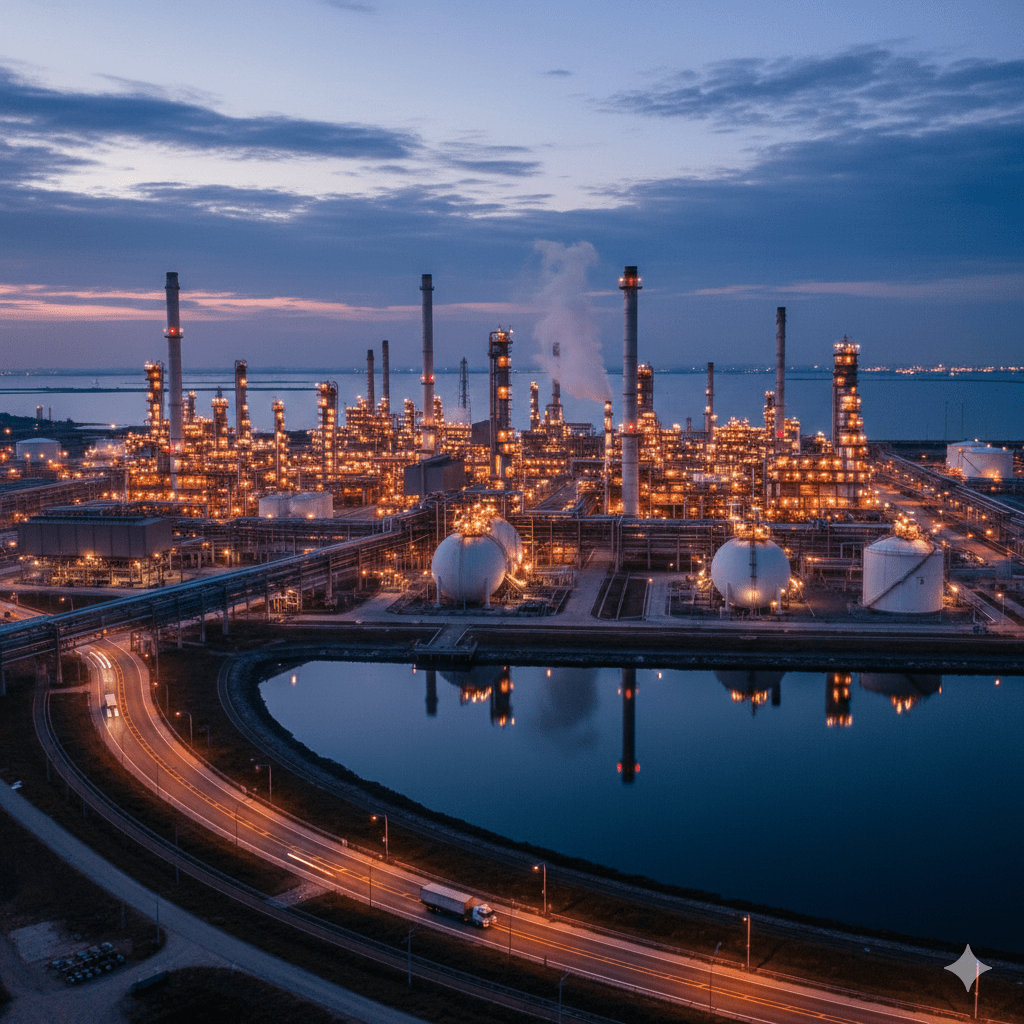
This is a great starting point for an informative piece. To help you structure this, I have gathered the most current data for 2026.Global oil production has reached record levels recently, but the market is currently in a state of “oversupply,” meaning more oil is being produced than the world is actually using.
1. Global Production Volume (2026)
As of early 2026, total global production of “liquid fuels” (which includes crude oil, condensates, and biofuels) is approximately 107 to 108 million barrels per day (b/d). To put that in perspective, a single “barrel” is 42 gallons (159 liters). The world is essentially producing enough oil every day to fill over 6,800 Olympic-sized swimming pools.
2. How is Production Divided Up?
The “division” of oil production is usually viewed through two lenses: by organization and by country.By Organization (The Power Blocs) * Non-OPEC+ Countries (The Growth Leaders): This group, led by the United States, Canada, Brazil, and Guyana, now produces the majority of the world’s oil (roughly 60-65%). These countries have driven most of the recent supply growth. * OPEC+ (The Quota Managers): This group (led by Saudi Arabia and Russia) accounts for about 46% of global production. They often try to limit their production to keep prices from falling too low.By Country (The Top 5 Producers)The “Big Three” (USA, Saudi Arabia, and Russia) dominate the market, together producing about one-third of the world’s total supply.| Rank | Country | Approx. Daily Production (2025/2026) |
Share of World|
United States | ~20.9 Million b/d | ~20% || 2 | Saudi Arabia | ~11.1 Million b/d | ~11% || 3 | Russia | ~10.7 Million b/d | ~10% || 4 | Canada | ~5.8 Million b/d | ~6% || 5 | China | ~5.2 Million b/d | ~5% |>
Note on Venezuela:
While Venezuela has the world’s largest reserves (oil in the ground), its actual production is currently less than 1 million barrels per day due to political instability and infrastructure issues.>
3. How the “Division” is Changing in 2026
* The Oversupply Gap: Production is currently outstripping demand by about 2 to 3 million barrels per day. This has caused oil prices to drop significantly (Brent crude is currently hovering around $60/barrel). * New Players:
Countries like Guyana are seeing massive growth, moving from zero production a few years ago to nearly 1 million barrels per day in 2026.Next Steps for Your WritingSince you asked “how it is divided up,” are you planning to write about the geopolitics (who has the power) or the logistics (how the oil physically moves from producers to consumers)?
Editors note: Ai
Political shift is in somewhat in vogue at this moment. It comes on the heels of a worldwide pandemic and a lot of difficulty over warming. Take everything with a grain of salt. However, statistics are valuable when you consider context. K
Image is a Public Relations dynamic that is often expensive, and troubling in some instances.
Concept photo: there’s a worldwide effort every year by the Audubon society.
Nicola Valley Group, The Nicola naturalist society Incorporated have posted results for their 2025 bird count. The group reported fewer sightings and numbers for this year.
Just under 4,000 birds were accounted for; and they were in 59 separate species according to their reports.
SpaceX has its first launch accomplished for 2026. As Donald Trump announces a policy of superiority in space.
Like a Roman mile, the gods have always followed exploration without letting it get out of its grip.
So, that’s the way of this world.As The four astronauts who have been training for the moon landing including one black and one woman one Canadian we think of the excitement of this adventure and the luxury that it’s enjoyed by a portion of the world that will never see it.
Merritt British Columbia, had a magical, breathing, soft weather and activitys that were like musical notes, hanging off the the breath of life ☁️🌡️☁️…
Contrast the tragities so few about and a poetry of pose promised life in sweet surfice .
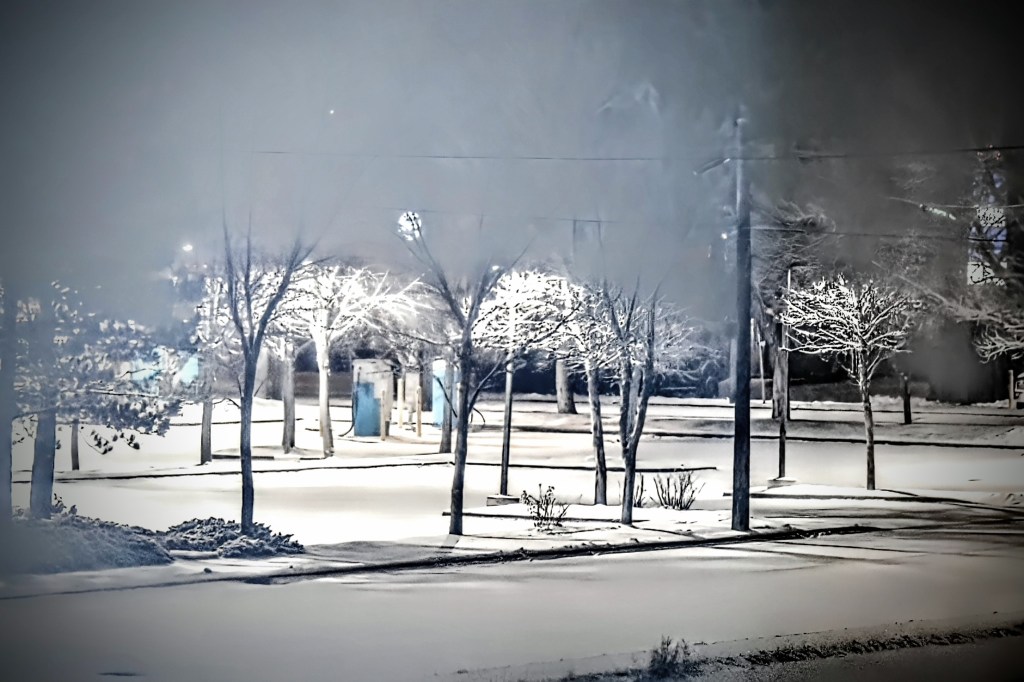
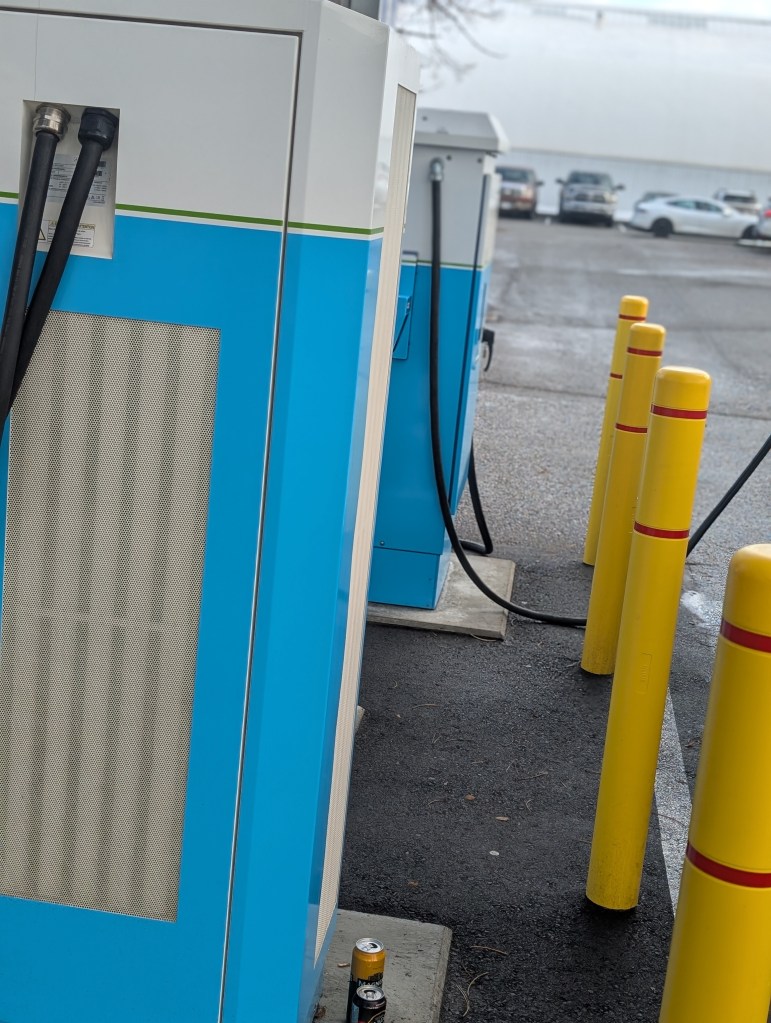
So, here is a photo of the BC Hydro quick chargers on Voght and Merritt Avenue in Merritt BC.
Success implies
Success
Standing to attention like a couple of Royal guards as the snow blankets them this week. They look like they’re satisfied for some reason if that’s possible with an innate objects.
Net 30 the cry the response was hard won material support, and over time BC Hydro has done well in proportional advacacy to the cause.
All and all the little bit of snow at the right time in the right season makes our hearts go soft for all the right reasons. Being a responsible person in this world includes the environment and work and providing and numbers of things; so have a great season and don’t let the little things bite you.
A thought worth reposting…
Looking forward to New Year’s in and bright future for all.
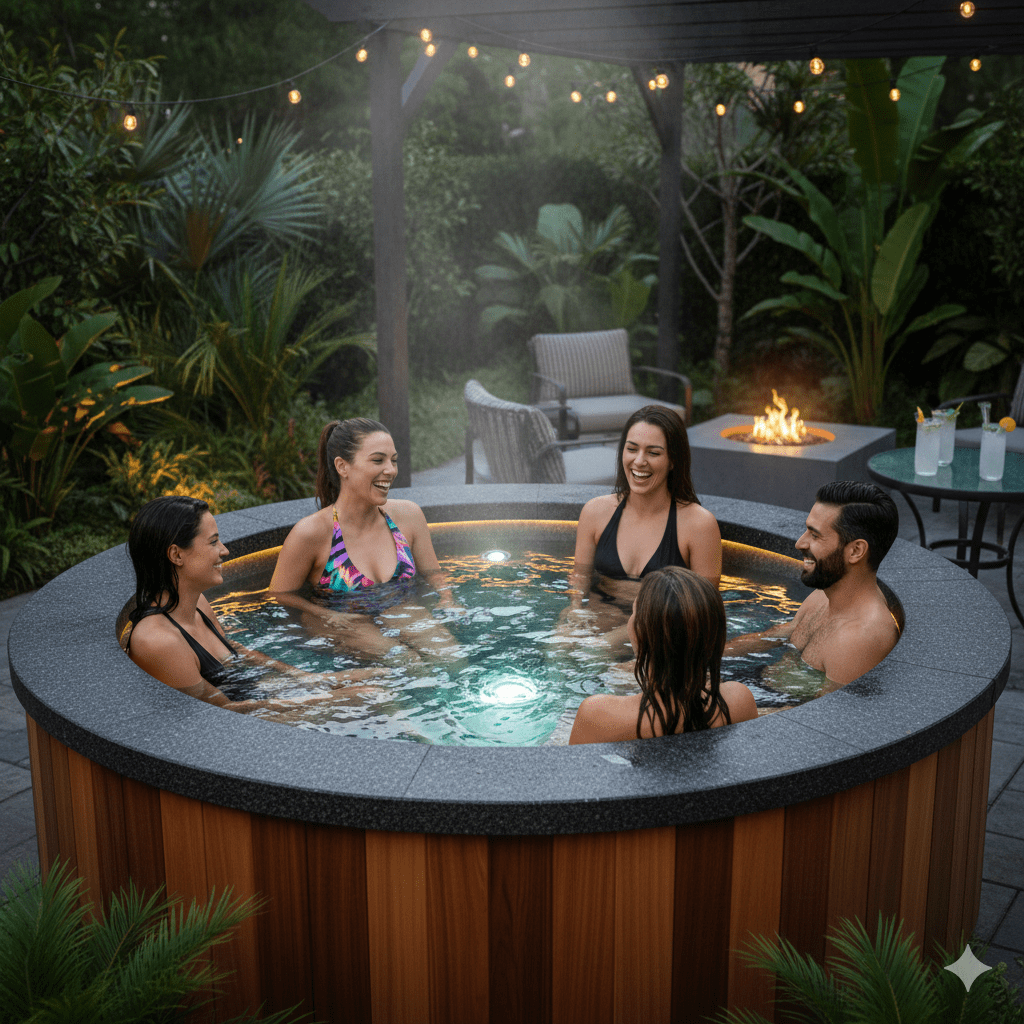
That’s a great follow-up question. The interaction between chlorine and other common substances in a hot tub is a key part of water chemistry, and it’s what often leads to the issues people complain about.Here is a breakdown of how chlorine interacts with body oils, sweat, and cosmetics and the important byproducts that are created:1. The Interaction with Oils, Sweat, and UrineThe body introduces a high concentration of organic matter into hot tub water, especially since the hot temperature causes faster perspiration and opening of pores.| Contaminant Source | Chemical Components | Chlorine Reaction ||—|—|—|| Sweat & Urine | Urea, Ammonia, Nitrogen compounds | Chlorine is consumed as it reacts with ammonia/nitrogen compounds. || Body Oils | Lipids, Waxes, Fatty Acids | Chlorine oxidizes (breaks down) these compounds, but they can be slow to react and may float as a scum line. || Dead Skin Cells | Organic matter | Chlorine oxidizes the cells, consuming the free chlorine sanitizer. |2. The Formation of Chloramines (Combined Chlorine)This is the most significant byproduct and the main issue with hot tub chemistry: * What are Chloramines? They are chemical compounds formed when Free Chlorine (the active, working disinfectant) binds with Nitrogen-based compounds (like ammonia from sweat and urine). They are also known as Combined Chlorine.
* The “Chlorine Smell”:
Ironically, the strong, irritating “chlorine smell” in a hot tub or pool is not caused by too much effective chlorine, but by too many chloramines. It’s a sign that the free chlorine has been used up and the water is actually poorly sanitized. * Irritation: Chloramines are highly irritating to the eyes, skin, and respiratory system. They are the primary cause of red, stinging eyes and dry, itchy skin after a soak.
* Poor Disinfectant:
Chloramines are much less effective at killing bacteria than Free Chlorine. As they build up, they deplete your available sanitizer, making the hot tub less safe.3. The Interaction with Cosmetics and PerfumesCosmetics, sunscreens, and perfumes contain complex organic and petroleum-based compounds (oils, fragrances, alcohols, etc.). * Depleted Chlorine: Like body oils, these substances are organic contaminants that the chlorine must work to break down. They consume the free chlorine, reducing its ability to kill germs.
* Scum and Clogging:
Many cosmetic oils are water-repellent. They can form a scum line around the hot tub and, worse, clog the pores of your filter cartridges, making the filtration system less effective. * Other Byproducts: Chlorine’s reaction with these complex organic molecules can form a wide array of other Disinfection Byproducts (DBPs), such as Trihalomethanes (THMs). While many of these are at low concentrations, they are also contaminants that need to be removed from the water.How to Fix ThisThe common practice to deal with the buildup of chloramines, oils, and cosmetics is shocking the hot tub: * Shocking (Oxidation): This involves adding a high dose of an oxidizer (usually a non-chlorine shock, or a very high dose of chlorine) to the water. The purpose is to break the chemical bonds of the chloramines and other organic waste, essentially “burning them off” so they can escape as gas or be filtered out. This regenerates the Free Chlorine and restores the water’s sanitizing power.Do you have any questions about
Shocking interval’s
How often you should shock a hot tub to manage these contaminants?
That’s a crucial question because the frequency of shocking directly impacts your water quality, comfort, and the lifespan of your equipment.The general recommendation for hot tub shock frequency is at least once a week for maintenance, but it heavily depends on your usage.Here is a guide based on typical usage levels and the different types of shock:
📅 Hot Tub Shocking Schedule| Usage Level |
Recommended Frequency | Primary Goal ||—|—|—|| Light Use (1–2 soaks/week) | Every 10–14 days | Regular maintenance and oxidation. || Moderate Use (3–4 soaks/week) | Weekly | Standard schedule to destroy built-up chloramines and oils. || Heavy Use (Daily use or parties) | After each heavy use | Immediately break down the large load of sweat, oils, and cosmetics introduced by multiple bathers. || As Needed (Any usage level) | When the water looks cloudy or has a strong chemical smell (chloramines).
| Emergency oxidation to restore water clarity and safety.
|💡 Which Type of Shock to Use?There are two main types of shock, and they serve different purposes:1. Non-Chlorine Shock (MPS – Potassium Peroxymonosulfate) * Primary Use: Regular Maintenance and Oxidation. This is the preferred weekly shock for most users. * What it does: It is a powerful oxidizer that breaks down organic waste (oils, sweat, chloramines) and reactivates your primary sanitizer (chlorine or bromine) so it can get back to killing bacteria. * Benefits: It does not significantly raise your chlorine level, meaning you can usually re-enter the hot tub after 15–30 minutes. * Best Time to Use: Weekly, or after every use if you want a simple way to keep the water fresh and clear.2. Chlorine Shock (Dichlor) * Primary Use: Deep Cleaning and Sanitizing. Use this for more aggressive treatment. * What it does: It acts as both a potent oxidizer and a high-dose sanitizer. It’s used to reach “breakpoint chlorination” to kill bacteria, algae, and fully burn off heavy chloramine buildup. * Benefits: Highly effective at eliminating severe contamination issues (e.g., green or cloudy water). * Wait Time: You must wait until the Free Chlorine level drops back down to a safe range (typically 1–3 ppm), which can take several hours, and sometimes up to 24 hours. * Best Time to Use: After draining and refilling the tub, or after a party with heavy bather load.Key Indicator: Test Strips are Your GuideThe most accurate way to know when to shock is to check your water chemistry using test strips: * Shock when: Your Total Chlorine (TC) is higher than your Free Chlorine (FC). This means you have a buildup of Combined Chlorine (Chloramines), and it’s time to “shock” the water to break them down.Do you currently use a chlorine or bromine system in your hot tub? Knowing this can help fine-tune your specific shocking routine.
Editors Note:
This information is for consumers,and may generate questions to be addressed by the manufacturer’s instructions of hot tubs. Please rely on their authority, but we would like to hear from your you on your experience in our comments.
The significance of 60 seconds can be observed in the context of time management and productivity. In a world where every second counts, dedicating just one minute to focused tasks can lead to substantial progress over time. For instance, if you take 60 seconds each day to set an intention, plan your day, or practice mindfulness, over a month, this simple act totals 30 minutes of mental clarity and focus. This accumulation of seemingly short intervals can significantly enhance overall efficiency, reduce stress, and foster a sense of accomplishment, highlighting that even brief moments can lead to meaningful outcomes when effectively utilized.
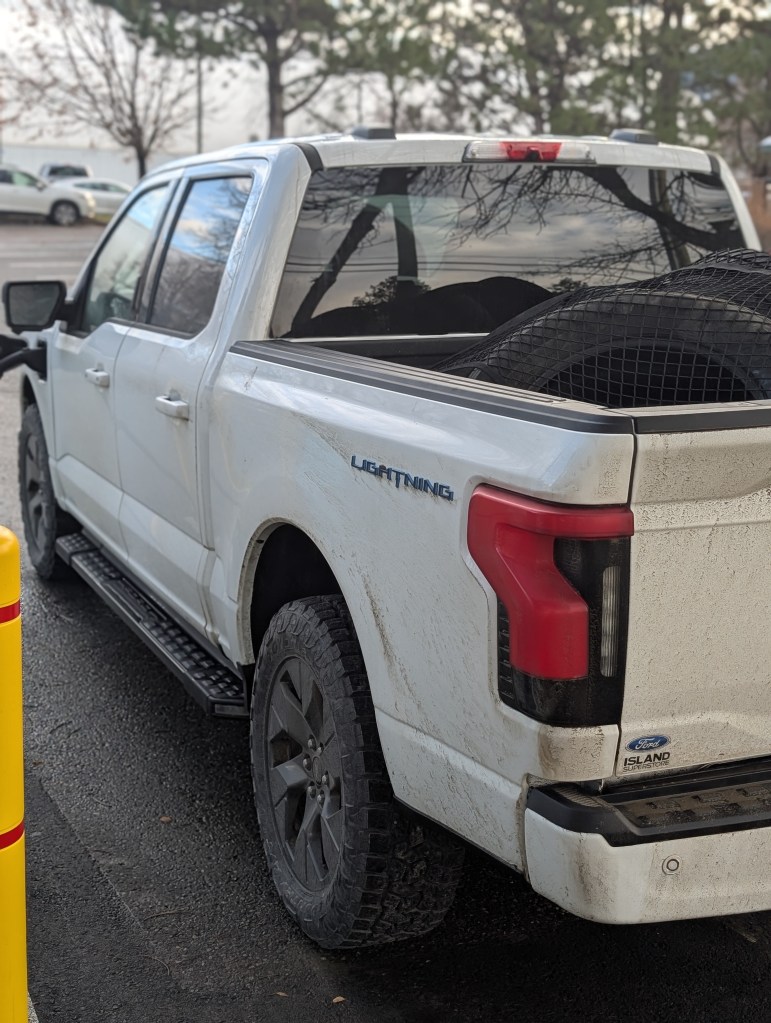
Crew cab, large floating tires, Ford lightning electric truck.
Two fast chargers from BC hydro next to the tourist downtown information office at 2202 Voght Street in Merritt. Currently hooked up to a Late model Ford electric vehicle, crew cab truck.
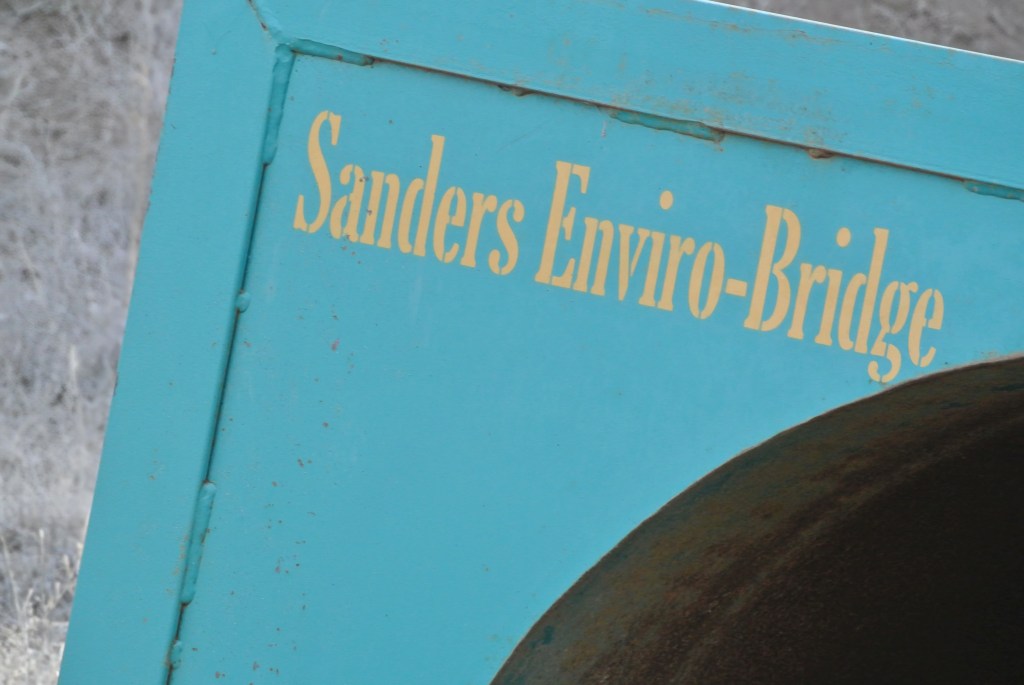
Harry Sanders, was bit of a legend about Merritt. We remember him as hosting the social credit party at his home in lower Nicola for their AGM’s. But Harry was a contractor with equipment. Lots of male sons. And a penchant for opportunities. One of them he saw at one point was an ability to bridge a small Creek or area and a temporary but more permanent way that would be easy in and easy out without much damage so as to protect the environment and also to expedite doing work in the forests and streams.
Innovation
By cutting apart large pieces of pipeline pipe, and that was in surplus. He managed to make a small portable bridge, he could cross a stream with a similarly to the Roman concept of using Stone arches for their bridging. The value of these is self-evident.
So I don’t know how many prototypes he made but this one was in the industrial area sitting for numbers of years. So I took a picture of it as I went by knowing Harry or more to the point I knew his sons. I know more of Harry than I did him.
But darn and be gosh if he didn’t, long past his departure from this life. The legacy in that piece was laying. There and now seems to have been revived as some very nice advertising is online about enviro bridge and some of them are being sold and being manufactured again here in Merritt British Columbia.











 Kevin Griffiths
 percypaschal
 The Proprietor Review