Category: debates


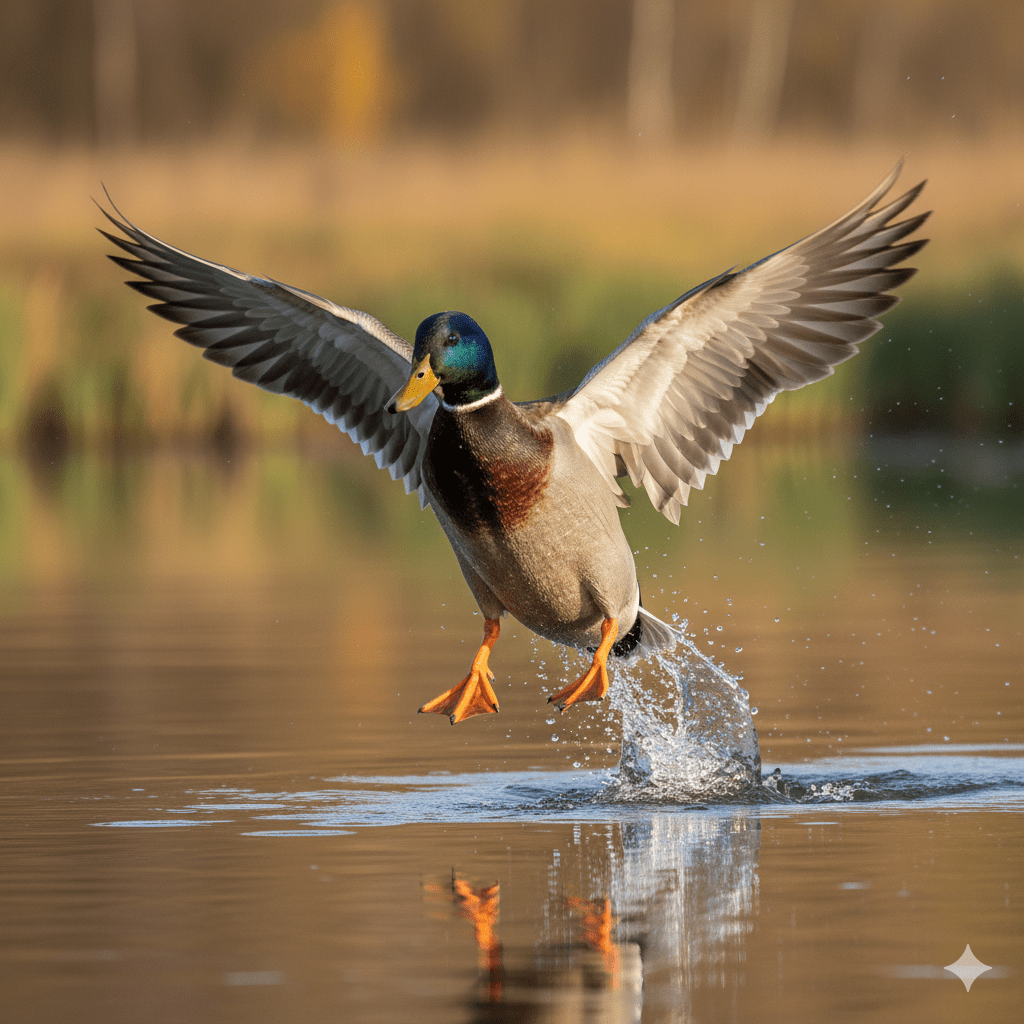
Mallard Ducks: Habitats, Behaviors, and Hunting Debate

Fauna

Mallard Duck BCs 🦆

Mallard Ducks and Their Presence in British ColumbiaMallards are the most widespread and abundant dabbling duck in Canada, found in almost any freshwater habitat. In British Columbia, they are a significant part of the waterfowl population, particularly along the Pacific coast and in the interior plateaus. The population of mallards in western Canada, which includes B.C., has been considered “secure” and “at an acceptable level” for some time. They are found in high concentrations in the lower Fraser Valley and are a prominent resident species in the interior of the province, with populations increasing in some areas.While there isn’t specific data for the mallard population in the immediate Merritt, BC area, the birds are known to be part of the general interior population, which winters in the warmer coastal regions and returns to breed in the interior, following major river systems.Interesting Mallard BehaviorsMallards exhibit some fascinating behaviors, including brood amalgamation, which is the adoption of ducklings by a hen who isn’t their biological mother. This can occur in a few ways: * Pre-hatch Brood Amalgamation (Brood Parasitism): A female lays her eggs in another female’s nest. The host female then incubates and cares for the eggs as if they were her own. This behavior is more frequent in areas with high nest densities. * Post-hatch Brood Amalgamation: This is when a hen with a brood takes in ducklings from another family. This can happen for various reasons, such as when a mother loses her brood and joins another, or when a hen’s ducklings get separated and are accepted by a different mother. Mallard ducklings can be adopted by a hen of a different brood, as the hen will usually accept any duckling that is peeping nearby.These adoptions, especially in crowded populations, can lead to very large “combined broods.”The Debate on Sport Hunting MallardsThe question of whether mallards should be sport-hunted is complex and involves arguments about conservation, ethics, and the role of hunting in wildlife management.Arguments in favor of hunting often include: * Population Management: Proponents argue that hunting is a tool to manage and maintain healthy wildlife populations. Mallards are not considered an at-risk species, and regulated hunting ensures their numbers remain stable and do not exceed the carrying capacity of their habitat. * Conservation Funding: Hunters are a major source of funding for wildlife conservation through the purchase of licenses and stamps. In Canada, a federal Migratory Game Bird Hunting Permit and a Canadian Wildlife Habitat Conservation Stamp are required to hunt migratory birds, and the revenue from these goes directly to conservation efforts. * Tradition and Recreation: For many, hunting is a long-standing tradition and a way to connect with nature and source food. Hunters often express a deep respect for the animals they pursue.Arguments against hunting often raise concerns about: * Genetic Integrity: Recent genetic research has shown that some wild mallard populations, particularly in the eastern United States, have a significant amount of genetic material from game-farm birds. This is a result of releasing farm-raised mallards for hunting. Critics argue that this dilutes the wild population’s gene pool and may introduce less-efficient foraging and migratory traits, potentially affecting their long-term survival. * Ethical Considerations: Some people question the ethics of hunting, especially for sport. They may argue that it’s unnecessary to kill animals for recreation when food can be obtained in other ways. * Environmental Impact: While hunting is regulated, some critics are concerned about potential negative environmental impacts, such as the use of lead shot in the past (which is now prohibited for migratory birds in B.C.) and the overall disturbance to wildlife.In British Columbia, mallards are a regulated migratory game bird, and hunters must adhere to specific regulations, including daily bag and possession limits and the use of non-toxic shot. The fact that mallards are hunted is based on the premise that their population is large and healthy enough to sustain a harvest without negatively impacting the species as a whole.


Thank you A dub…

The local A&W  in Merritt BC, changed its signage to be more Canadian. Recently. The chain has over a thousand outlets in Canada. And on its side entry door it says Canadian owned and operated a turn to the inside facing away and not meant to be seen by the drive-thru customers.

American industry wants to crank it out.

I remember the go-to photo of the United States in the hilarious John Candy movie Canadian bacon.

Don’t be too cranky… K

Don’t be nice…

Canadians should be: Tough on what could be “continued Vasseliseing”! Opinion.

Editor’s Note:

There is Merit in the problems and the solutions are in reach. No panic, application mutes action when settled. Always keep the conversation going and civil.

What are you going to do?

Carbon Tax

In Canada we have the advantage of a tax tied to a tangible commodity. The carbon tax no matter how pie in the sky it is, it’s still based on a tanagable.

Fraud not withstanding risk is better underwritten by this vehicle. So, the bubble of hard assets (oil reserves) that we are beginning to enjoy is timely for we all. Don’t waste this moment… Use it to transform ideas to near tangibles that will endure to our children’s children. 

Update

Peak oil reached by 2030.

Be a limited public figure

Photo by Inspirative Studio on Pexels.com

Reporters are no, Columnists are public figures:

A fairly high threshold of public activity is necessary to elevate people to public figure status. Typically, they must either be:

a public figure, either a public official or any other person pervasively involved in public affairs, or
a limited purpose public figure, meaning those who have “thrust themselves to the forefront of particular public controversies in order to influence the resolution of the issues involved.” A “particularized determination” is required to decide whether a person is a limited purpose public figure, which can be variously interpreted:[2]

A person can become an “involuntary public figure” as the result of publicity, even though that person did not want or invite the public attention. For example, people accused of high profile crimes may be unable to pursue actions for defamation even after their innocence is established…

A person can also become a “limited public figure” by engaging in actions which generate publicity within a narrow area of interest. For example, [jokes about]… Terry Rakolta [an activist who spearheaded a boycott of the show Married With Children] were fair comments… within the confines of her public conduct [and] protected by Ms. Rakolta’s status as a “limited public figure”.

Sourced

A public figure can push the envelope on what that person is entitled to say in the fray and what is said in respect to positions they have. These are open for more privacy concerns for activies, and can become dogged.

October jazz, 10 days to community media day …

Have a communicative month…

👀💭

Ten day count down

Community Media Day is October 20th 2023, an initiative to celebrate free speech and community in it’s outlets for free speech.

In a nutshell mediums are available for people to give their message with only the constraints of malice, untruth held with knowledge of it being untrue, libel and slander.

Propaganda is information without rebuttal or balancing information and often without genuine facts, it is a scourge to communities.

So, for the countdown, watch for communication vehicles and reserve your trust in the credible, but make aware the views of the incredible.

Messaging is often a challenge and sometimes toxic, however necessary.

TGIF- Parliamentary privilege, working

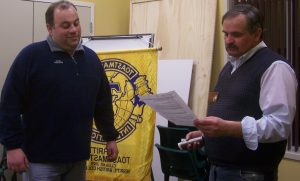
Toastmasters club,  File Photo KDG

Toastmasters club,
File Photo KDG


The executive of government still need to be members of the house of commons ( Parliament) and a legal communication and interaction privilege exist in parliament and for some blocks around it. Parliamentary privilege allows the provocation of the executive and others and protects those that use it from being prosecuted for slander. House rules however limits the language to be used, you can not call someone a liar with out being banned front the house until either proven or apologised for.
They constructed the government and opposition bench’s at different sides of the house with a distance of ” two swords lengths and an inch”. This accommodates the privilege to use inflammatory accusation to provoke the truth.
It seems to have been effective this week in Canada.

On this Day: May 20th 1969
The battle of Hamburger Hill in Vietnam ends.

Election done, onwards and upwards

Its been more then 5 years since stock markets had so much trouble, good luck to the newly elected and those running for office.

Animation of the blood moon September 28th photo KDG

Animation of the blood moon September 28th
photo KDG

Oil

On this day: October 20th 1970

The Nepal Stock exchange collapses.

Playing devils advocate

Taking a position for the sake of argument has been a useful and productive method to improve an end result of a doctrine, law, or statement. We have been involved in taking the status quo position in debates and find it a little uncomfortable and difficult. We can imagine that in an opposition in government if you played devils advocate with out a conviction its merit you could be stained be the perception that you have poor alternative to the movement.

In common parlance, a devil’s advocate is someone who, given a certain argument, takes a position they do not necessarily agree with (or simply an alternative position from the accepted norm), for the sake of debate or to explore the thought further. In taking this position, the individual taking on the devil’s advocate role seeks to engage others in an argumentative discussion process. The purpose of such a process is typically to test the quality of the original argument and identify weaknesses in its structure, and to use such information to either improve or abandon the original, opposing position. It can also refer to someone who takes a stance that is seen as unpopular or unconventional, but is actually another way of arguing a much more conventional stance. The background of this word comes from an official position within the Catholic Church, in which a canon lawyer called the Devil’s Advocate, also known as the Promoter of Faith, “argued against the canonization (sainthood) of a candidate in order to uncover any character flaws or misrepresentation evidence favoring canonization.”[1]

Discussion is always better then unilateral action. Compromise amongst people of good faith is desirable in most all situations.
Taking the position late in a debate can put you in the place of folding the tent up for those that have done the lions share of work and may cause some resentment, however if serious error is prevented it may be the right thing to do.

Today in history: December 16th 1707
The last recorded eruption of Mount Fuji in Japan.