Category: Emergency readiness


AMOC

Atlantic Meridonacal overturning current.

National security threat

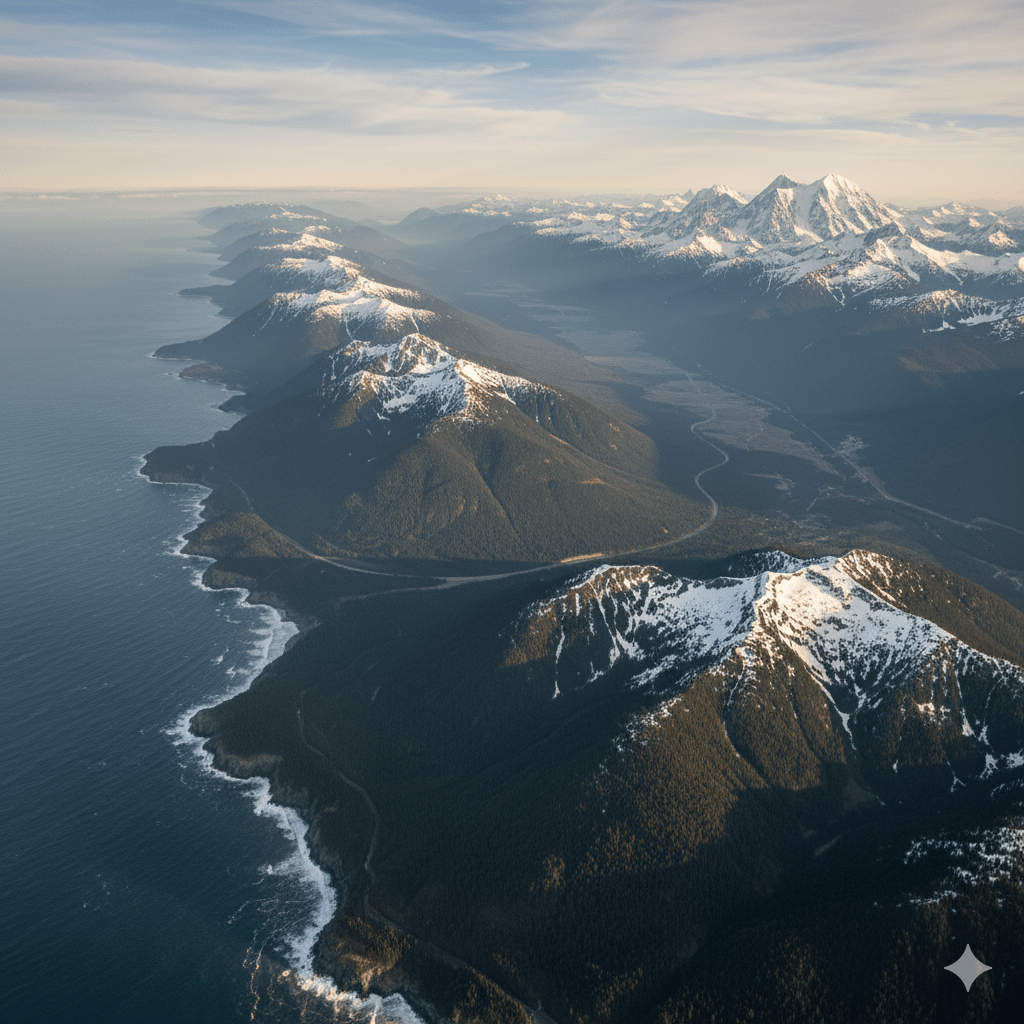
Concept photo generated to demonstrate the fine balance of altitude sea levels. Sea temperatures.

Current

The “overturning current” you’re referring to is the Atlantic Meridional Overturning Circulation (AMOC), often described as the Atlantic’s “great conveyor belt.” This massive system of currents plays a critical role in global climate by transporting warm, salty water from the tropics north toward the Arctic. In the high latitudes of the North Atlantic, this surface water cools and loses heat to the atmosphere—which helps keep Western Europe significantly warmer than other regions at similar latitudes. As the water cools, its salinity and density increase, causing it to sink to the deep ocean floor. This cold, dense water then flows southward in a deep return current, completing the overturning loop. This circulation is essential not only for regional weather but also for redistributing heat, dissolved oxygen, and carbon throughout the ocean basins, impacting marine ecosystems and the ocean’s function as a vital carbon sink.However, recent studies indicate that the AMOC is weakening, and scientists are concerned that continued global warming could push it past a critical

“tipping point.”

The primary factor driving this slowdown is the influx of freshwater into the North Atlantic, primarily from melting ice sheets in Greenland. This freshwater is less dense than the salty ocean water and inhibits the cooling surface water from sinking, thereby disrupting the engine of the overturning circulation. If the AMOC were to substantially slow or, in a worst-case scenario, collapse, the consequences would be severe: Northern Europe could face much harsher winters, global rainfall patterns could shift drastically (affecting tropical monsoon regions), and sea levels could rise along the U.S. East Coast. While the exact trajectory and timing of a potential collapse are subject to scientific debate, the potential risks have led some governments, like Iceland’s

To:

Earthquakes in BC

You feel it report it.

Official Canadian earthquake, the stats, information on tsunamis and how to report is in the link above.

Red Cross Ready program

Ask your employer to enroll in the Red Cross Ready program. It has a structured information progression.

Some tips will ensure your safe movement.

Things available include:

Advance warning

Estimate of strength

FAQs

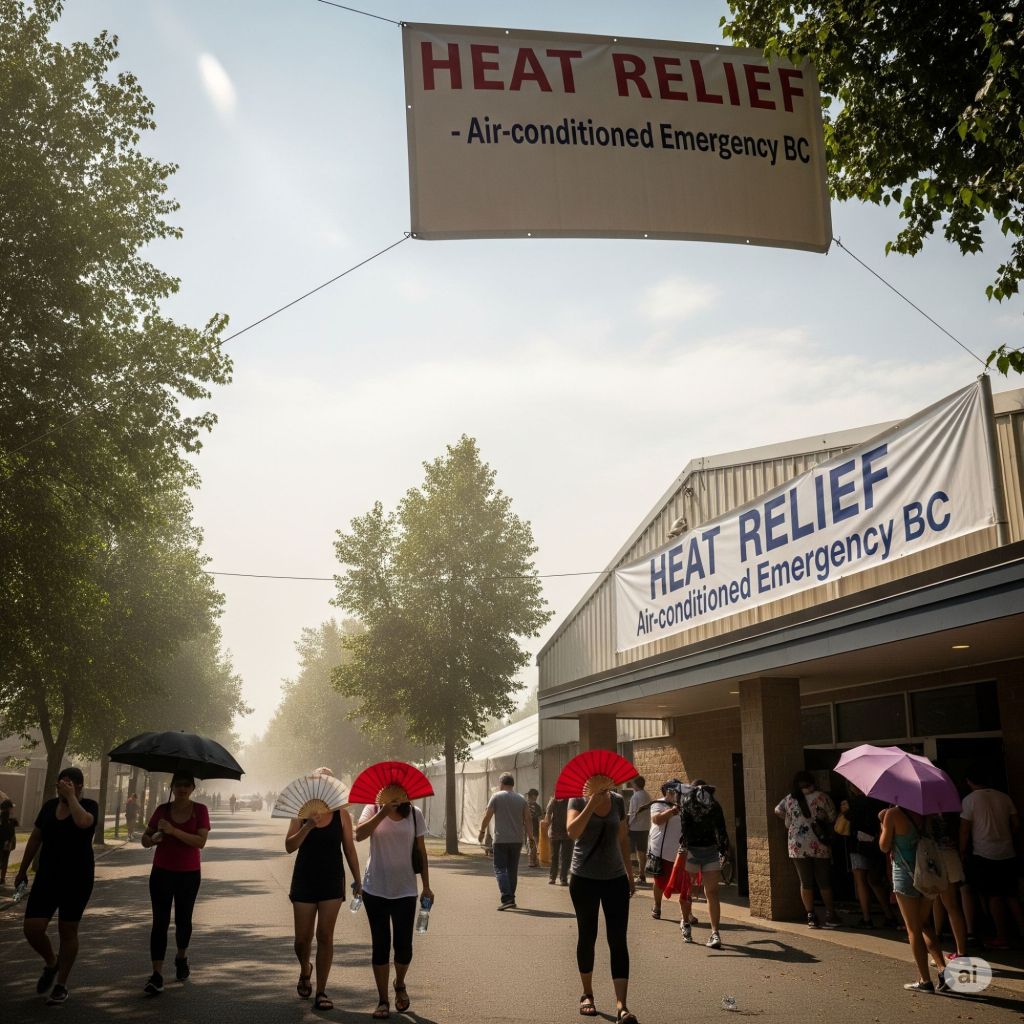
British Columbia is experiencing some heat warnings, for some good advice  from emergency BC, I’ll put the link. Just below on the site.

AI generated photo, conception..

Never swim alone…

When engaging in water activities, especially swimming, prioritizing safety is paramount. One of the most critical aspects of water safety is the “buddy system” – always swimming with another person.
Here’s a breakdown of why this is so important and other key water safety tips:
The Importance of the Buddy System
* Immediate Assistance: In an emergency, such as a cramp, exhaustion, or a sudden medical issue, a buddy can provide immediate help. This could mean pulling you to safety, calling for help, or performing CPR if they are trained. Even a few seconds can make a significant difference in a water emergency.
* Accountability: Knowing someone is watching out for you and vice-versa adds a layer of accountability. You’re less likely to take unnecessary risks when someone else’s safety is also a consideration.
* Reduced Panic: If you get into trouble, the presence of a calm and capable buddy can help reduce panic, which is often a major factor in drowning incidents.
* No One is Immune: Even strong swimmers can get into trouble. Unexpected currents, hidden obstacles, or sudden health issues can affect anyone.
* Supervision for Children: For children, the buddy system extends to constant, active adult supervision. A child should never be left unsupervised near water, even for a moment.
General Water Safety Tips:
* Learn to Swim: This is the most fundamental water safety skill. Enroll in swimming lessons if you don’t know how to swim or want to improve your skills.
* Choose Supervised Locations: Whenever possible, swim in areas with lifeguards. Lifeguards are trained professionals who can respond quickly to emergencies.
* Know Your Limits: Don’t overestimate your swimming ability. If you’re tired or unsure, get out of the water. Avoid swimming long distances in open water if you’re not properly trained.
* Check Water Conditions: Be aware of currents, tides, water depth, and potential hazards like rocks, weeds, or marine life. Look for signs indicating dangerous conditions.
* Never Dive into Unknown Depths: Always check the depth of the water before diving in. Many serious injuries occur from diving into shallow water or striking hidden objects.
* Avoid Alcohol and Drugs: Alcohol and drugs impair judgment, coordination, and reaction time, significantly increasing the risk of accidents in and around water.
* Wear a Life Jacket: If you are participating in boating activities, or are a weak swimmer in open water, always wear a properly fitted U.S. Coast Guard-approved (or equivalent national standard) life jacket.
* Sun Protection: While not directly related to drowning, prolonged exposure to the sun can lead to sunburn and heatstroke, which can impair your ability to react in an emergency.
* Enter Feet First: When entering unfamiliar water, go in feet first to avoid surprises.
* Emergency Preparedness:
   * Know how to call for help.
   * If you see someone in trouble, don’t just jump in unless you are trained in water rescue. “Reach or throw, don’t go.” Extend a rescue device (like a pole, rope, or life preserver) to the person.
   * Learn CPR and basic first aid.
By following these guidelines, especially the crucial buddy system, you can significantly reduce the risks associated with water activities and ensure a safer, more enjoyable experience for everyone.

Water safety is everyone’s concern.

A little training could make a difference.

There was a young man going around the area of Quilchena and Chapman with a gas sniffer he said that it is routine testing and that you can expect that a test sniffer will be about every five years in residential areas. There is a Fortis BC test annually.

Leaking Natural gas smells like rotten eggs and is unmistakable.
The man has a proper picture ID around his neck that identifies him.

Cautions to employ…

Yes, gas leaks can certainly be a problem in British Columbia communities, and people should absolutely be aware of the potential dangers. While FortisBC reports a downward trend in gas line damages, largely due to increased use of BC 1 Call before digging, incidents still occur, and they can be serious.
Here’s a breakdown of the problem and potential dangers:
The Problem in BC:
* Underground Gas Line Damages: A significant number of gas leaks in BC are caused by individuals (homeowners, landscapers, contractors) who dig without first contacting BC 1 Call to locate buried utility lines. In 2024, nearly 60% of gas line damages were attributed to this. Surrey, Vancouver, and Kelowna have seen the highest numbers of these incidents.
* Industrial/Wellsite Leaks: The oil and gas sector also experiences leaks. There have been reports of “serious” leaks at well sites, some with high levels of methane and potentially fatal levels of hydrogen sulphide.
* Appliance Malfunctions/Improper Installation: While less frequently highlighted in recent news, gas leaks can also stem from faulty appliances, improper installation, or lack of maintenance in homes and businesses.
* Explosions and Injuries: There have been documented cases of gas line explosions causing significant property damage and injuries, some serious. For example, investigations into incidents in Comox and Fernie in 2021-2022 caused extensive damage and injured 30 people. A recent incident (April 2025) at a gas plant north of Fort St. John, where a pipe was struck, resulted in one fatality and one injury.
Potential Dangers of Gas Leaks:
The primary dangers associated with gas leaks are:
* Fire and Explosions: This is perhaps the most immediate and devastating risk. Natural gas is highly flammable. If it accumulates in an enclosed space and comes into contact with an ignition source (a spark from a light switch, a phone, an appliance, a cigarette, etc.), it can lead to a catastrophic explosion and fire, causing severe injuries or fatalities, and extensive property damage.
* Asphyxiation (Oxygen Depletion): While natural gas itself is not toxic, it can displace oxygen in an enclosed space. If the concentration of gas in the air becomes high enough, it can lead to a lack of oxygen, causing dizziness, fatigue, nausea, unconsciousness, and in severe cases, death. This is particularly dangerous in confined spaces.
* Health Hazards (e.g., Hydrogen Sulphide): In some instances, particularly with leaks from oil and gas wells, other gases like hydrogen sulphide (H2S) can be present. H2S is highly toxic and can cause serious health issues, even at low concentrations, including headaches, nausea, dizziness, and at higher levels, can be rapidly fatal.
* Carbon Monoxide Poisoning: While not a direct result of a natural gas leak, if natural gas appliances are not properly vented or maintained, they can produce carbon monoxide (CO). CO is an odorless, colorless, and highly toxic gas that can lead to severe illness or death. This is why having CO detectors is crucial.
What People Should Be Aware Of and What To Do:
* Smell of Rotten Eggs: Natural gas is odorless, but a chemical called mercaptan is added to give it a distinct “rotten egg” smell. If you smell this, it’s a strong indicator of a gas leak.
* Other Signs:
* Hissing or roaring sound near a gas line or appliance.
* Bubbles in water (if the leak is outside in a puddle).
* Blowing dust or discolored/dying plants near a gas line.
* Act Fast and Evacuate: If you suspect a gas leak:
* Stop what you’re doing immediately. Do not use any electrical switches (lights, appliances, phones), do not light matches, smoke, or create any other potential ignition source.
* Go outside immediately. Take everyone with you, and as you exit, leave doors and windows open if possible to allow the gas to dissipate.
* Once in a safe place, call for help. Do NOT call from inside the building. Call 911 or the FortisBC Emergency Line at 1-800-663-9911. Do not assume someone else has called.
* “Call Before You Dig”: This is paramount for preventing damage to buried gas lines. Before any excavation project, big or small (even planting a tree), contact BC 1 Call at least three business days in advance. It’s a free service that provides information on buried utility lines.
* Regular Maintenance: Have your natural gas appliances regularly serviced by a licensed natural gas contractor. This ensures they are operating efficiently and safely.
* Know Your Shut-Off Valve: Familiarize yourself with the location of your main natural gas shut-off valve and how to turn it off in an emergency.
* Install Carbon Monoxide Detectors: While distinct from a natural gas leak, these are vital for detecting CO, a dangerous byproduct of incomplete combustion from gas appliances.
In summary, while efforts are being made to reduce gas leak incidents in British Columbia, they remain a potential danger that residents should be aware of. Knowing the signs of a leak and, more importantly, knowing how to react swiftly and safely, is crucial for protecting lives and property.


Kosmos 482

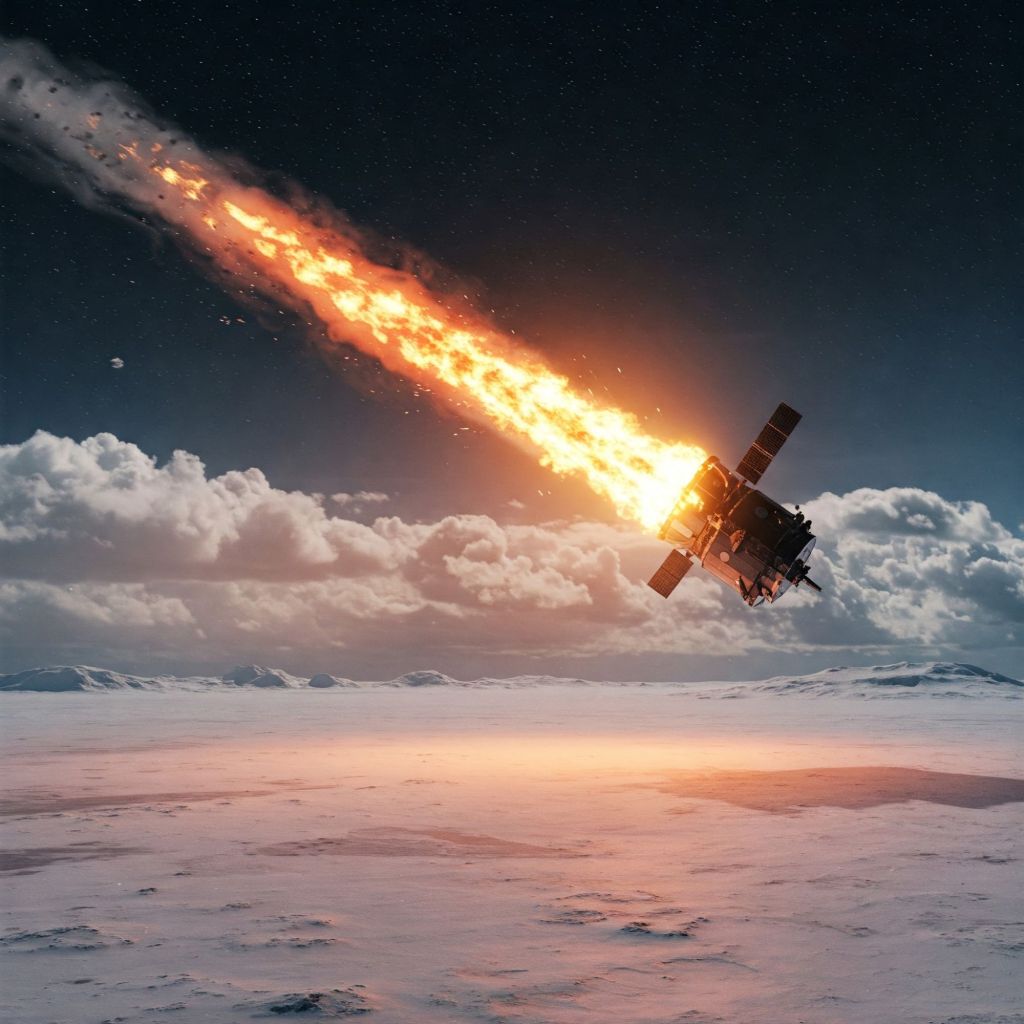
May fall to earth tonight… went to earth May 10th 2025

May 10th 2025

The spacecraft fell to Earth after 50 years of being in orbit and not landing on Venus which was designed to withstand. That hot planet was photographed by it. And it wasn’t expected to come back this way. However, they saw it coming in but they don’t know where it landed. So if you see this thing give NASA or call any other whatever space agencies. Or the police, somebody because they’re missing it.

Mars on track…

Lunar landing

Well would a tariff  opportunity speed things up … Tic…

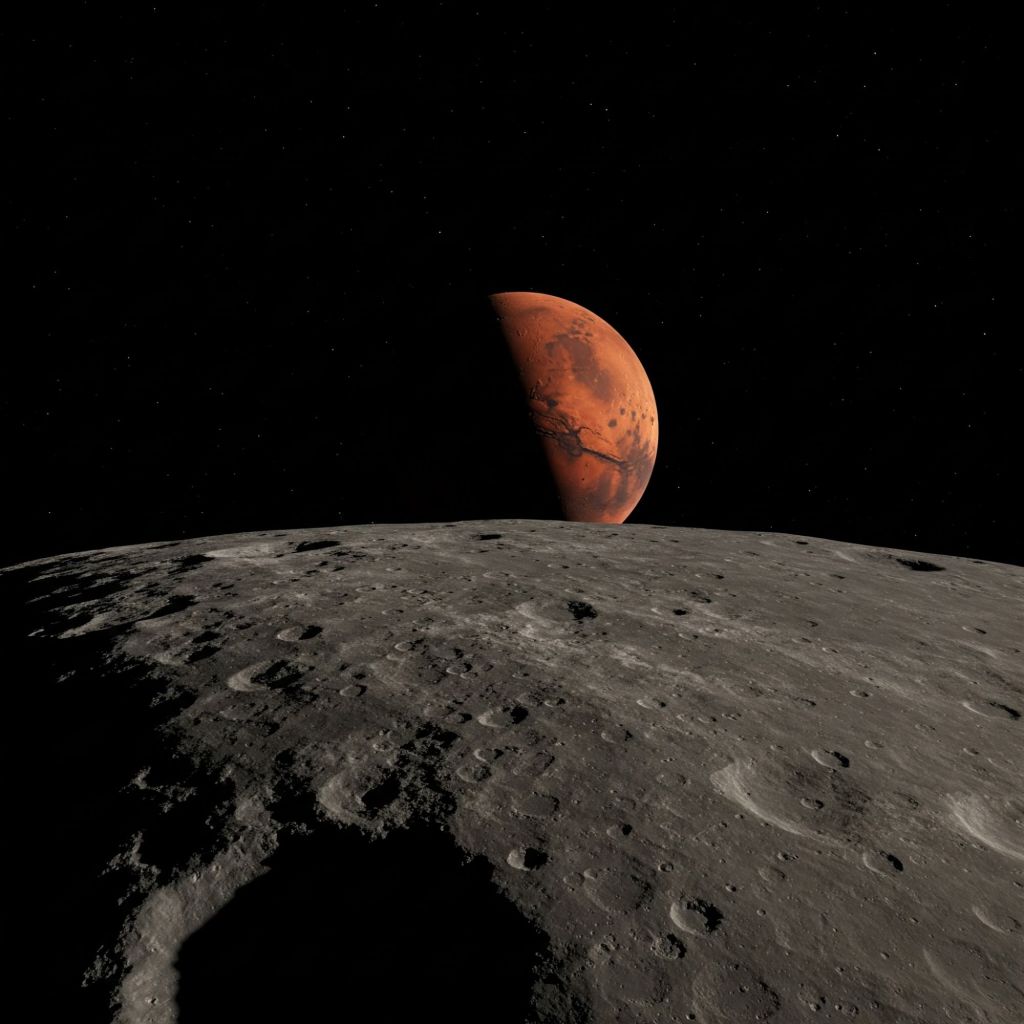
The Artemis program is currently underway, with several missions planned to establish a sustainable presence on the Moon as a stepping stone for human missions to Mars. Here’s an update on its progress and the outlook for a Mars landing:
Artemis Program Status:
The Artemis program is organized into a series of increasingly complex missions. Here’s the current status of the initial missions:
* Artemis I: This uncrewed test flight successfully orbited the Moon and returned to Earth in November 2022, serving as the first integrated test of the Space Launch System (SLS) rocket and the Orion spacecraft.
* Artemis II: This mission will be the first crewed flight of the Orion spacecraft, sending a crew of four astronauts around the Moon. It is currently targeted for launch no earlier than April 2026.
* Artemis III: This mission aims to land astronauts on the Moon’s South Pole region. It is currently scheduled for mid-2027. This mission will use the SpaceX Starship Human Landing System (HLS) to transport two astronauts to the lunar surface.
* Artemis IV: This mission is planned for late 2028 and will involve docking with the Lunar Gateway, a small space station that will orbit the Moon. Astronauts will transfer through the Gateway to the HLS for their descent to the lunar surface.
* Artemis V: Planned for March 2030, this mission will also dock with the Gateway and is expected to involve a longer stay on the lunar surface, contributing to the establishment of a permanent lunar habitat.
When to Expect a Landing on Mars:
The Artemis program’s long-term goal is to prepare for human expeditions to Mars. While there isn’t a specific date set, NASA’s planning indicates that a crewed mission to Mars could plausibly happen in the mid to late 2030s.
* Some sources mention a potential three-year crewed expedition to Mars with a return planned between 2035 and 2038. The duration of the stay on Mars could vary from 90 to 500 Earth days, depending on favorable return windows.
It’s important to note that the timeline for Mars missions is more fluid and depends on the success of the Artemis lunar missions, the development of necessary technologies, and continued funding. The experience gained from establishing a sustained presence on the Moon, including testing technologies and understanding the challenges of long-duration deep space missions, is crucial for the eventual human exploration of Mars.

Good luck, we will not hold our breath…

Space weather April 2025.

Space weather Canada

The geomagnetic  weather  of Space is a powerful force. That force could kill us except for the magnetic fields that the Earth generates that helps to keep our atmosphere in that barrier between space and Earth.

What is it…

Space weather refers to the dynamic conditions in space and the near-Earth environment that can affect the performance and reliability of space-borne and ground-based technological systems, and can endanger human health. It is primarily driven by the Sun and its activity.
Dangers of Space Weather:
Space weather events can pose several hazards:
* Disruption of Satellite Operations: Energetic particles and radiation from solar flares and coronal mass ejections (CMEs) can damage satellite electronics, leading to malfunctions, data loss, or even complete failure. This can affect communication, navigation (GPS), weather forecasting, and other satellite-dependent services. For example, a strong geomagnetic storm in October 2003 was associated with numerous satellite anomalies.
* Power Grid Disturbances: Geomagnetically induced currents (GICs) caused by geomagnetic storms can flow through long conductors like power lines and pipelines. In extreme cases, this can overload transformers, leading to blackouts. The Hydro-Québec blackout in 1989, which left six million people without power for nine hours, is a notable example.
* Communication and Navigation Issues: Solar flares can cause radio blackouts by disrupting the ionosphere, affecting high-frequency (HF) radio communications, especially in polar regions. Geomagnetic storms can also interfere with GPS signals, reducing their accuracy. This can impact aviation, marine navigation, and other GPS-dependent technologies.
* Radiation Hazards: Solar energetic particles (SEPs) can increase radiation levels at high altitudes, posing a risk to astronauts on spacewalks and potentially to airline passengers and crew on polar routes.
* Increased Satellite Drag: The heating of the Earth’s upper atmosphere during geomagnetic storms can cause it to expand, increasing drag on low-Earth orbit satellites. This can alter their orbits and require more frequent adjustments.
* Pipeline Corrosion: GICs can also accelerate the corrosion of oil and gas pipelines.
Precautions to Take for Space Weather:
While individuals cannot directly control space weather, several precautions are taken at various levels to mitigate its impacts:
* Monitoring and Forecasting: Space weather agencies like NOAA’s Space Weather Prediction Center and Space Weather Canada continuously monitor the Sun and the space environment to provide forecasts and warnings of potential events. This allows operators of vulnerable systems to take protective measures.
* Satellite Hardening: Satellites are designed with radiation-hardened electronics and shielding to withstand the harsh space environment and solar events. Operators can also put satellites in a “safe mode” during severe events to minimize potential damage.
* Power Grid Protection: Power companies implement measures such as monitoring geomagnetic activity, adjusting voltage levels, and having backup systems in place to reduce the risk of blackouts. Research is ongoing to develop more resilient power grids.
* Aviation Procedures: Airlines can reroute flights over polar regions during solar radiation storms to minimize radiation exposure to passengers and crew. They also rely on alternative communication and navigation systems when HF radio and GPS are affected.
* Emergency Preparedness: Individuals and communities should be prepared for potential power outages and communication disruptions by having emergency kits with essential supplies, backup communication methods, and plans for extended outages.
* Awareness and Education: Raising public awareness about space weather and its potential impacts can help individuals and organizations take appropriate preparedness measures.
Enjoyment from Space Weather:
While space weather can pose risks, it also gives rise to one of the most spectacular natural phenomena:
* Auroras (Northern and Southern Lights): Geomagnetic storms cause charged particles from the Sun to interact with the Earth’s magnetosphere and atmosphere, particularly near the polar regions. This interaction excites atmospheric gases, resulting in the breathtaking displays of colored lights known as the auroras. Seeing the aurora borealis or australis is a significant draw for tourism and a source of wonder and beauty. Space weather forecasts help predict when and where auroras might be visible.
In summary, space weather is a natural phenomenon driven by the Sun that can have significant impacts on our technology and infrastructure. While there are potential dangers, ongoing monitoring, technological hardening, and preparedness measures help to mitigate these risks. Additionally, space weather creates the beautiful aurora, offering a unique and enjoyable connection to the dynamics of our solar system.

This is good…

Verify travel  by authorities still.

Spleen read,

Prognostication by reading animal behavior, inward organs, and other natural signs is an ancient practice often referred to as folk meteorology or natural forecasting.
Here’s a breakdown:
* How it works (in theory):
   * Animal behavior: Certain animal behaviors were believed to predict weather changes. For example, if cows lie down, rain is coming. If birds fly low, stormy weather is expected.
   * Inward organs: Examining the livers of sacrificed animals was a common practice in ancient civilizations. The appearance and shape of the liver were interpreted to foretell the future, including weather patterns.
   * Other signs: Observing cloud formations, the direction of the wind, and the behavior of plants were also used to predict weather.
Reliability for Weather:
* Limited scientific basis: While some animal behaviors may indeed be influenced by subtle environmental changes that precede weather shifts, there’s no strong scientific evidence to support the reliability of these methods for accurate weather prediction.
* Anecdotal evidence: Many of the “rules” are based on anecdotal observations and may not hold true consistently.
* Subjectivity: Interpretation of animal behavior and organ appearance is highly subjective and can vary greatly between individuals.
Entertainment vs. Hoax:
* Entertainment value: Folk meteorology can be a fun and interesting way to connect with nature and observe animal behavior. It offers a glimpse into traditional beliefs and cultural practices.
* Not necessarily a hoax: While not scientifically proven, it doesn’t necessarily constitute a deliberate deception. Many of these beliefs were developed based on genuine observations, albeit with limited understanding of the underlying scientific principles.
My Opinion:
* Interesting but not reliable: I find folk meteorology fascinating as a historical and cultural phenomenon. It reflects early attempts to understand and predict the natural world.
* Not a substitute for modern methods: For accurate weather forecasts, I would rely on modern meteorological tools and techniques, such as weather stations, radar, and satellite imagery.
Should You Rely on It?
* For entertainment and cultural appreciation: Absolutely! Observing animal behavior and learning about traditional weather forecasting methods can be a rewarding experience.
* For making important decisions: I wouldn’t recommend relying solely on folk meteorology for critical decisions that are heavily dependent on accurate weather predictions (e.g., planning outdoor events, making travel plans).
In summary: While folk meteorology may have some limited value in observing natural patterns, it’s not a scientifically reliable method for weather prediction. It’s best enjoyed for its cultural and historical significance.

Culture came from somewhere.

Parks

Post from summer

We are comfortable more with fall approaching, you ?

Timely

The recent and prolonged warming is  motivating action.

We are probably facing a bubble as economic  power is increased by the  completion of the Trans Mountain expansion . The gold weld was done 👍 in a  small ceremony in recent weeks.

Carbon tax revenue available

The increase in available  Fossil energy will be accompanied by revenues that are dedicated similar to road construction in the province. These revenues will come from carbon tax  and fund plans that reduce and mitigate carbon in our atmosphere. Once again, good luck to all those in these endeavors and to those that have to use their brain power to put forward alternatives to what might be successful planning.

Parks are a good place to work for nature’s cure.

Wednesday Charm

How would you use charm to make these items tame?

Charm is a special quality or feature that gives a person, place, or thing an attractive and pleasing character. It can be used to enhance one’s personal or professional interactions, adding an element of appeal or charisma to a situation. Effective use of charm involves being genuine, attentive, and responsive to others, while also exuding positivity and warmth. Balancing charm with authenticity is key to building strong and lasting connections.

Charm is in the charmer

Charm can be a combination of both nature and nurture. Some individuals naturally possess traits that are perceived as charming, such as charisma, warmth, and an engaging personality. At the same time, charm can also be learned and cultivated through observation, practice, and personal development. By refining social skills, communication techniques, and emotional intelligence, anyone can enhance their ability to exude charm and create positive interactions with others. Ultimately, a harmonious blend of innate.

Fantasy place.. pour vous.

To create a pleasant dream escape as a form of therapy, you can follow these steps:

  1. Visualization: Find a quiet and comfortable place to sit or lie down. Close your eyes and imagine a peaceful and serene fantasy place. This can be a tranquil beach, a lush forest, or any setting that brings you comfort and relaxation.
  2. Engage the Senses: As you visualize your fantasy place, focus on engaging all your senses. Imagine the sight of the surroundings, the sound of the gentle waves or rustling leaves, the feel of the warm sun or soft grass, and even the faint scent of the environment.
  3. Deep Breathing: While visualizing your fantasy place, practice deep breathing to enhance relaxation. Inhale slowly through your nose, hold for a few seconds, and then exhale slowly through your mouth. This can help reduce stress and promote a sense of calm.
  4. Positive Affirmations: Incorporate positive affirmations into your visualization. Repeat phrases such as “I am safe and at peace” or “I am surrounded by tranquility and serenity” to enhance the therapeutic effect.
  5. Practice Regularly: Set aside time each day to practice this therapy. The more you engage in the visualization of your fantasy place, the more effective it can be in reducing stress and promoting emotional well-being.

Have a great day