On to Christmas

The days are shorter the weeks longer ( feels that way) .
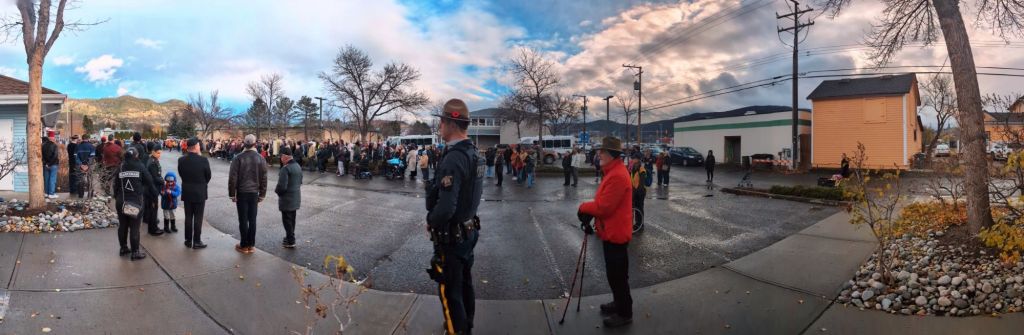

To the seasons of life

The days are shorter the weeks longer ( feels that way) .
Time change is coming, on November the 3rd 2024,1am local time.
Pacific time will fall back to standard time from Daylight time for most of us in most parts of BC. Some areas do not change and are already on standard time such as all of Saskatchewan and the Yukon, parts of BC and pockets on the eastern coast, check your local area.
Always continue your diligence for safety when things like driving a routine route suddenly are seen in a different light than the previous day.

” More advanced poles effort” Elections BC
More than 170,000 people voted on the first day of advanced pools. There’s an indication by polling and that it’s a dead heat that one of two parties or could win at this point people may be realizing that their vote really matters in this election on who would get elected and what sort of narratives would succeed. PP
So, the 2024 12th anniversary version of the Bass Coast festival has come and gone.
The get together for this year drew more than 6,000 people. The event is popular amongst fans of music, art, and nature.
Good luck for next year. P P
No bad luck came from this event for 2024. People told us they enjoyed the access to the Coldwater River for recreating . EN Keep it up…
In 2024, there will be several celestial events to look forward to in the night sky. Some of the highlights may include:
Remember to check the specific dates and times for these events based on your location, as visibility can vary depending on your geographical position. Enjoy stargazing in 2024!
For more detailed and specific information, you can also check astronomical websites and resources.
Mark your calendar for these celestial events!
The weather guy says rain through Wednesday for parts of BC. As well the snow has not let up on us Canuks in the east.
In Canada, March typically marks the transition from winter to spring. The popular phrase “March comes in like a lion and goes out like a lamb” is often used to describe this transition, suggesting that the month starts with harsh, winter-like conditions and ends with milder, spring-like weather. This is not specific to Canada alone, but a common theme in many regions with distinct seasonal changes.

Hey Merit what do you say?


 Kevin Griffiths
 percypaschal
 The Proprietor Review