You are presumed to be honest and responsible without evidence to the contrary beyond a reasonable doubt… on the balance of probablilties you are justified by 51 % likelyhood.
Stephen Hawking’s, the planetary scientist and the theological physicist passed away at the age of 76 a number of years ago on March 14th. So we remember him fondly today as somebody. That was very curious and was a good example for us to be curious and at the same time, productive, stable, and personable.
Since we are already halfway through the month, the first half’s events like the Quadrantids and Jupiter’s official opposition have passed. Here are four significant astronomical events occurring after January 16, 2026, that offer great scientific intrigue and visual appeal.
1. New Moon “Dark Sky” Window (January 18)
On January 18, the Moon reaches its New Moon phase, meaning it will be positioned between the Earth and the Sun and will not be visible in the night sky. * Scientific Value: For astronomers, the days surrounding a New Moon are the most critical for “deep-sky” observation. Without the interference of reflected moonlight (light pollution from space), faint objects like the Andromeda Galaxy and the Orion Nebula become visible even through standard binoculars. * What to look for: This is the best time to head to a dark-sky location to see the Milky Way’s winter arm in its full, dusty detail.
Comet Wierzchos reaches its perihelion (closest approach to the Sun) on January 20. As it swings around the Sun, the heat causes the comet’s ice to sublimate, creating a glowing “coma” and a tail of dust and gas. * Intrigue: Comets are essentially “time capsules” of the early solar system. While this specific comet is expected to be around magnitude 8 (requiring a small telescope or good binoculars), its appearance provides a real-time look at primitive solar system material. * Viewing Tip: Look low toward the southwest horizon shortly after sunset.
3. Conjunction of the Moon, Saturn, and Neptune (January 22–23)
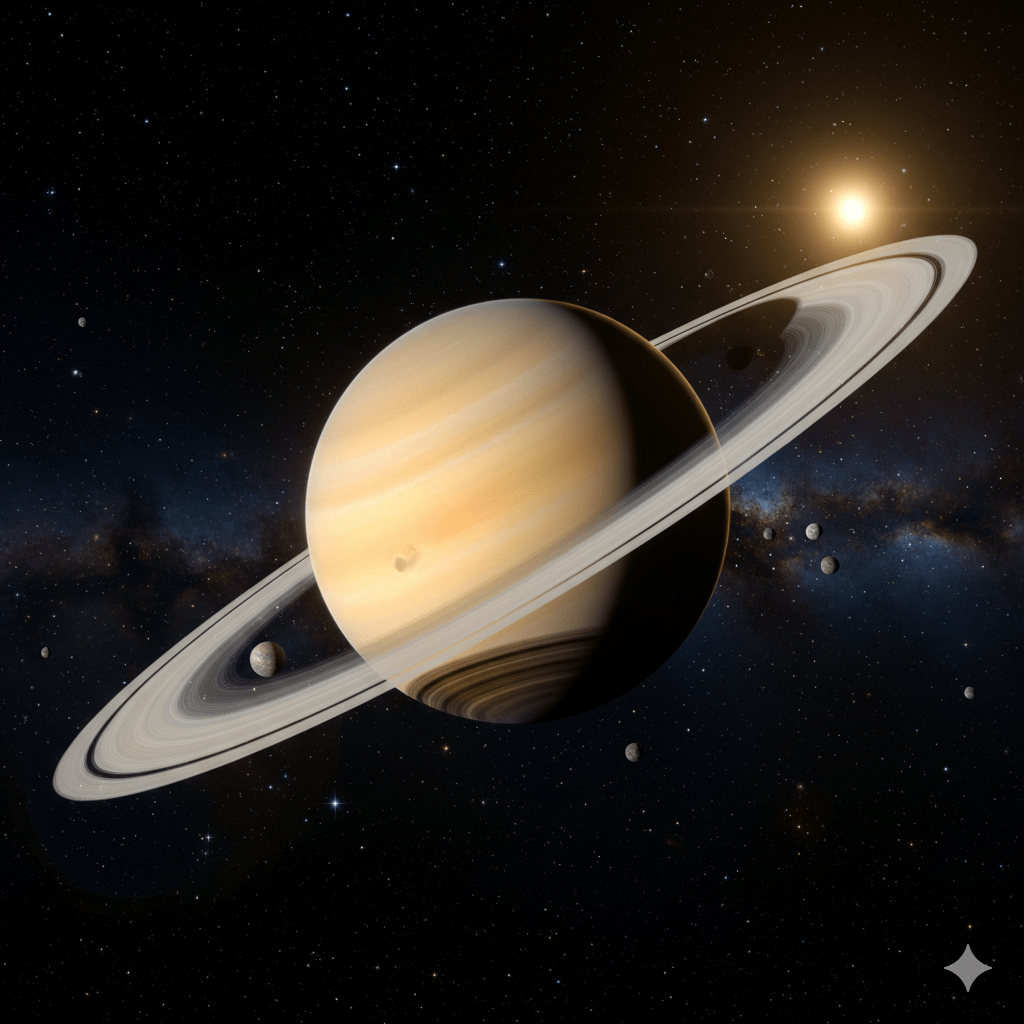
On these two evenings, a thin, waxing crescent Moon will drift remarkably close to the ringed planet Saturn and the distant ice giant Neptune. * Scientific Value: These alignments (conjunctions) are perfect for “star-hopping.” Neptune is usually incredibly difficult to find because of its distance and dimness. On January 23, Saturn and the Moon act as celestial signposts, allowing amateur astronomers to point their telescopes at the exact spot needed to glimpse the tiny, blue-hued disk of the solar system’s outermost major planet.
* Visual: The “Earthshine” effect—where the dark part of the Moon is dimly lit by sunlight reflecting off Earth—will be particularly beautiful on these nights.
4. First Quarter Moon & The Pleiades (January 25–27)
As the month closes, the Moon will reach its First Quarter phase on January 25, moving steadily toward the famous Pleiades (Seven Sisters) star cluster. * Scientific Intrigue: This is a “high-contrast” period. The shadows along the Moon’s terminator line (the line between light and dark) are at their longest, making it the best time to see the staggering vertical relief of lunar mountains and the deep bowls of craters like Copernicus. * The Highlight: On the night of January 27, the Moon will appear very close to the Pleiades. This provides a stunning scale comparison between our singular, rocky Moon and a “nursery” of hundreds of young, hot-blue stars located 444 light-years away.
Would you like me to find the exact coordinates for Neptune during the January 23rd conjunction, or perhaps a guide on how to spot the Orion Nebula during the New Moon?Ai
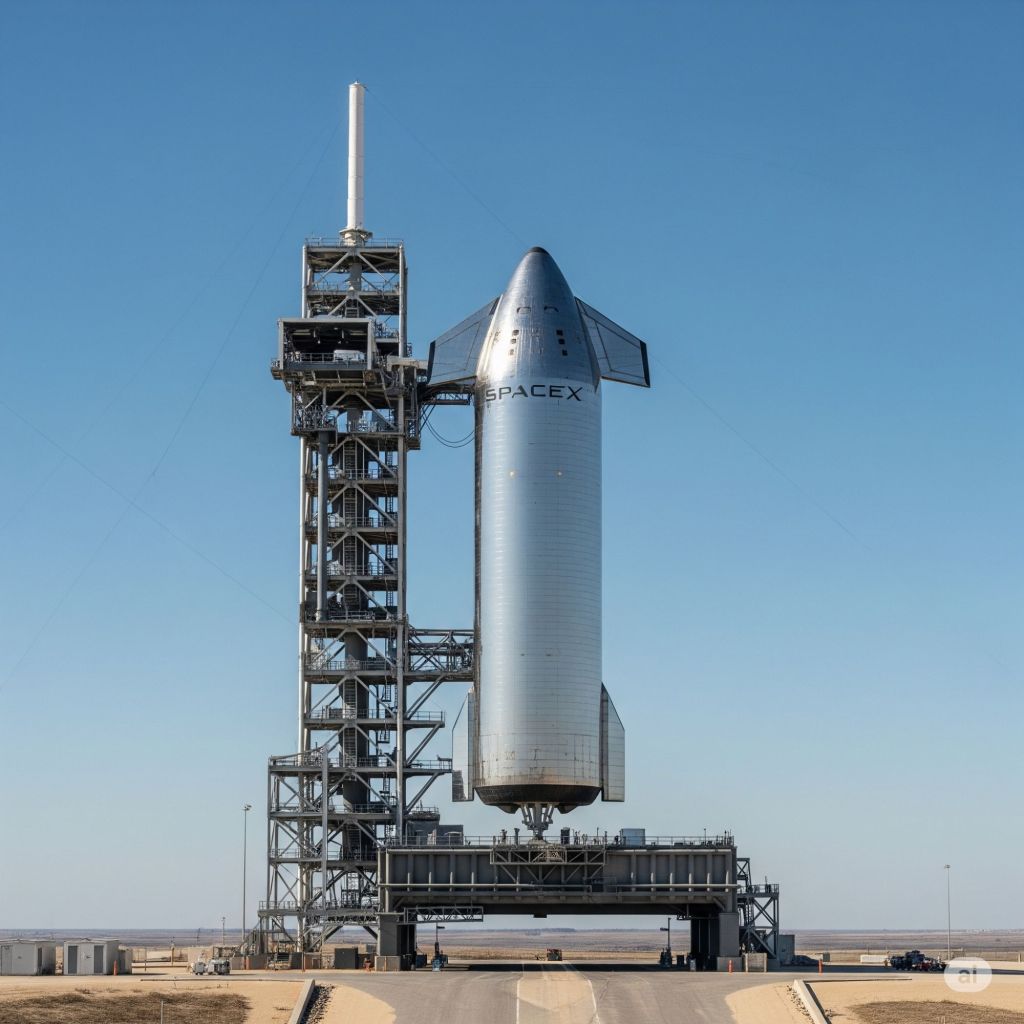
SpaceX has its first launch accomplished for 2026. As Donald Trump announces a policy of superiority in space.
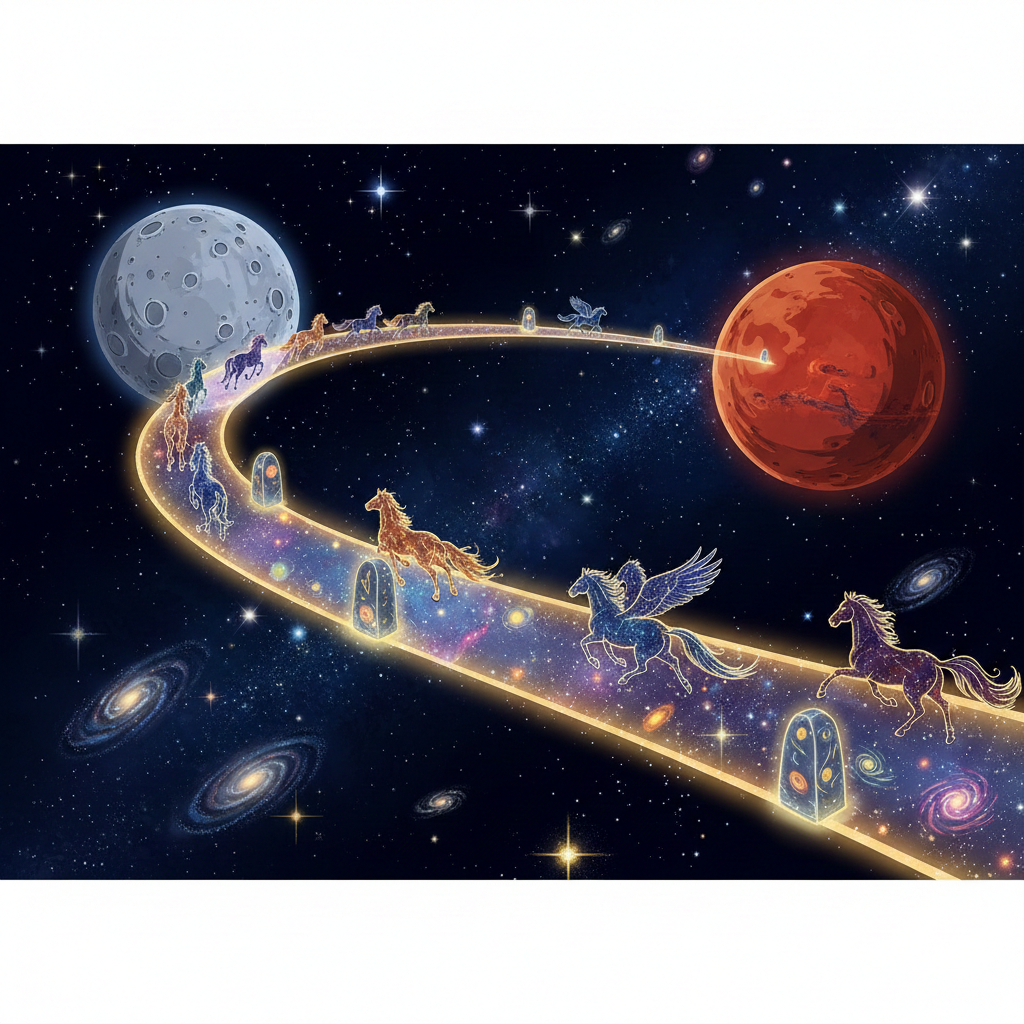
Like a Roman mile, the gods have always followed exploration without letting it get out of its grip.
So, that’s the way of this world.As The four astronauts who have been training for the moon landing including one black and one woman one Canadian we think of the excitement of this adventure and the luxury that it’s enjoyed by a portion of the world that will never see it.
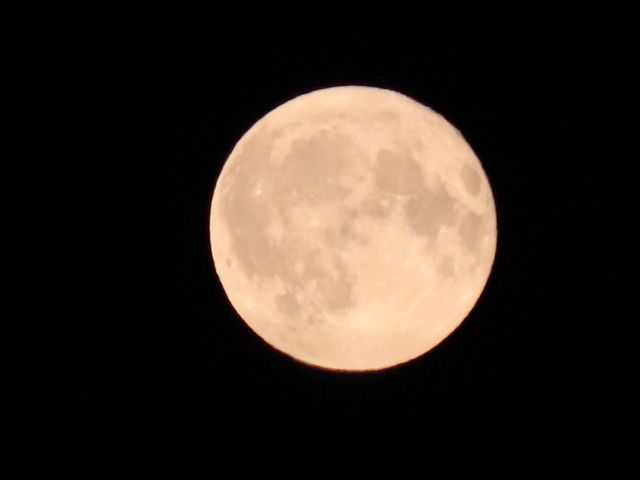
The November 2025 sky promises a spectacular display, headlined by the closest and brightest Supermoon of the year!🌕 The November 5 Supermoon in British ColumbiaThe Full Moon in November is traditionally called the Beaver Moon. This year, it’s also a Supermoon, meaning the Full Moon coincides with the Moon’s closest approach to Earth (perigee), making it appear slightly larger and brighter than an average Full Moon. In fact, this is being called the biggest Supermoon of 2025.| Detail |
Time (PST – Pacific Standard Time) ||—|—|| Exact Peak Illumination | Wednesday, November 5 at 5:19 AM PST || Approximate Moonrise (Vancouver) | Tuesday, November 4 around 4:00 PM PST || Approximate Moonset (Vancouver) | Wednesday, November 5 around 7:37 AM PST |Note on Timing:The Moon is technically “Full” at the exact moment of peak illumination (5:19 AM PST on Nov 5th), but it will appear full to the eye for about three days, from the evening of November 4th through the evening of November 6th.What to Look For 👀The best viewing for the “super” effect is actually when the Moon is low on the horizon on the evenings of November 4th and 5th.
* The “Moon Illusion”:
When the Moon is near the horizon, a psychological phenomenon known as the “Moon Illusion” makes it look even larger next to foreground objects like trees and buildings. This will enhance the Supermoon’s effect.
* Color and Clarity:Photo KDG
Look for a deep orange or yellow colour as the Moon rises due to the Earth’s atmosphere scattering light. Since the Moon is closer, its features may appear slightly sharper if you’re using binoculars or a telescope.✨ 7 Other Celestial Events in November 2025November offers excellent viewing opportunities for planets and two notable meteor showers.1. Planets in the Evening Sky
* Saturn
(All Month):
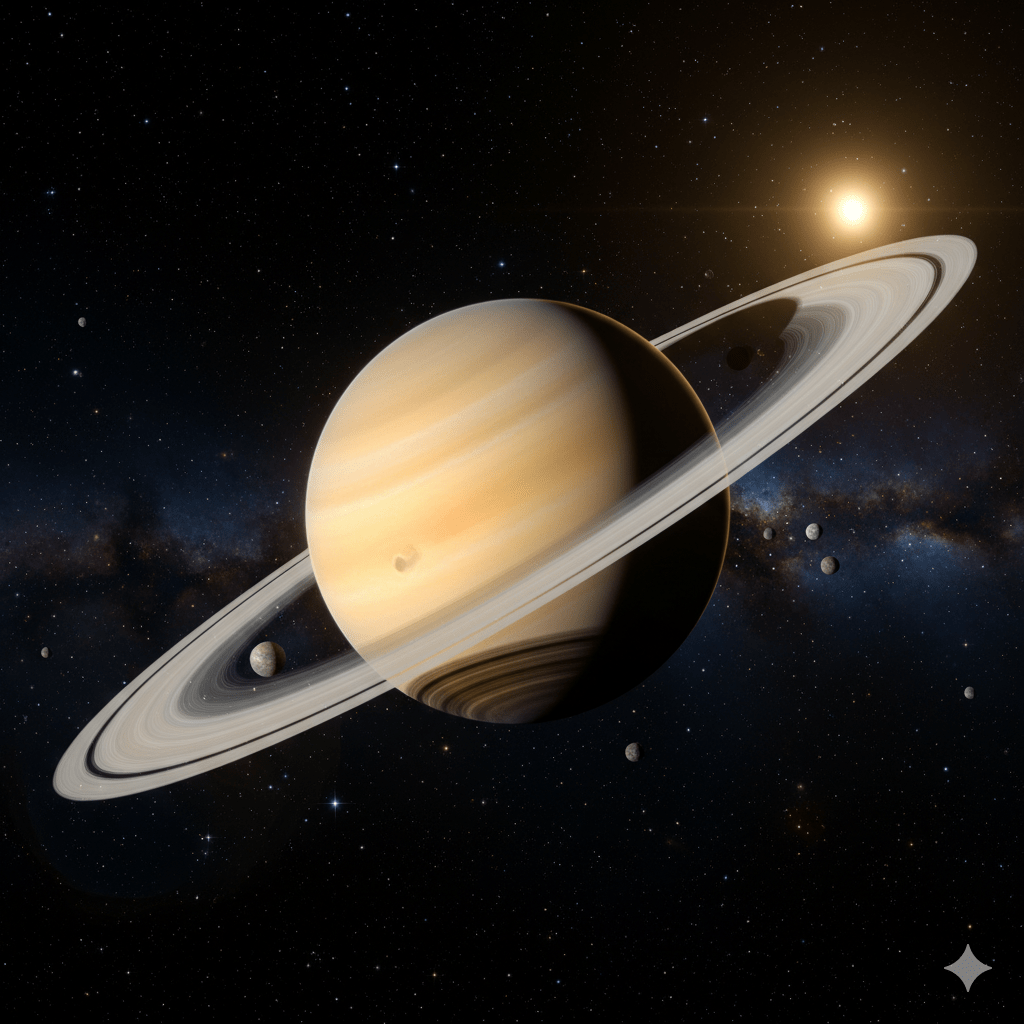
The ringed planet is an excellent viewing target throughout November. Look to the southeast after sunset; it will be a bright, yellowish “star” visible well into the night. On November 2nd and again on November 29th, the Moon will pass close by Saturn. * Mercury (Early November): The tiny planet reaches its highest altitude in the evening sky around November 1st–2nd. Look low in the west shortly after sunset. It’s usually difficult to spot, so this is your best chance for the month.2. Planets in the Morning Sky
* Jupiter (Late Evening/Morning):
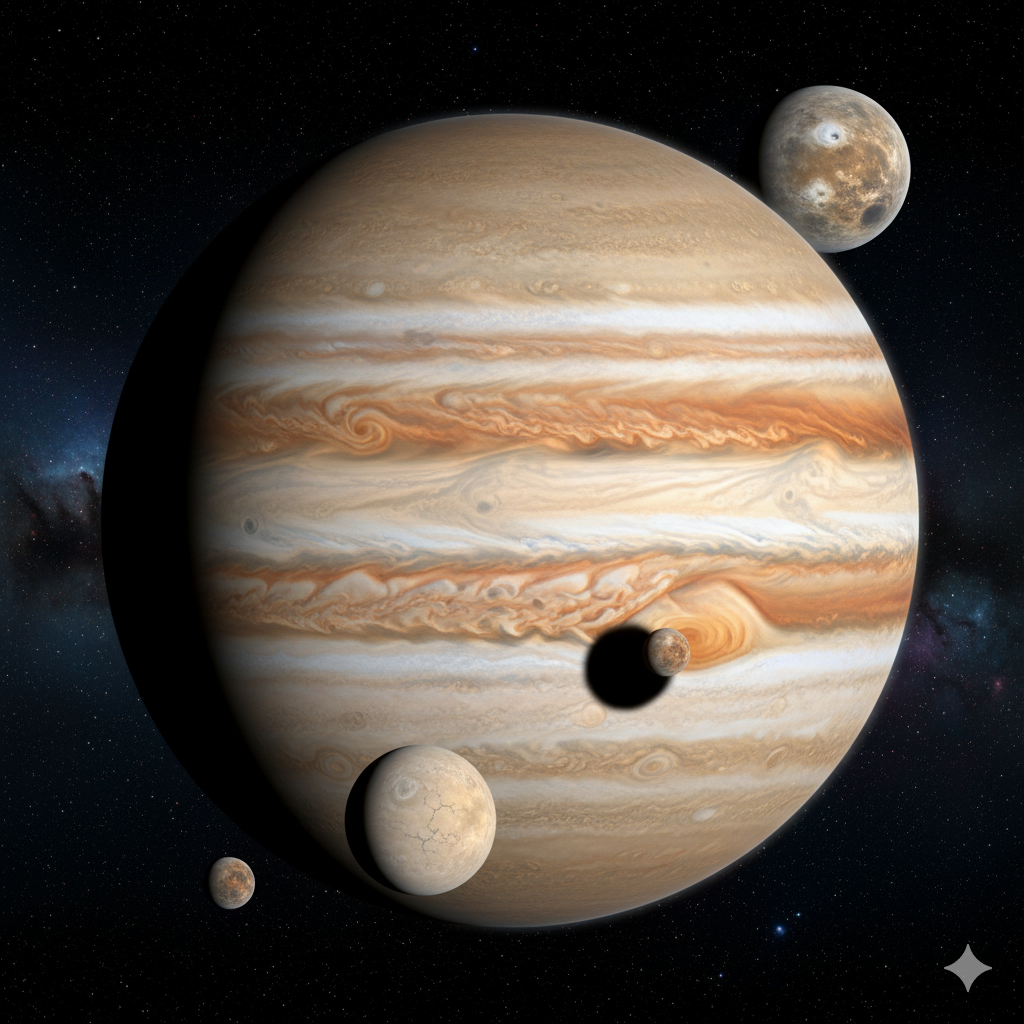
The largest planet rises in the late evening and is brilliantly visible high in the south before dawn. Its Great Red Spot and four largest moons are great targets for a small telescope. * Venus (Early Morning): This incredibly bright “Morning Star” is visible low in the east just before sunrise in the beginning of the month.3. Meteor Showers
* Northern & Southern Taurids
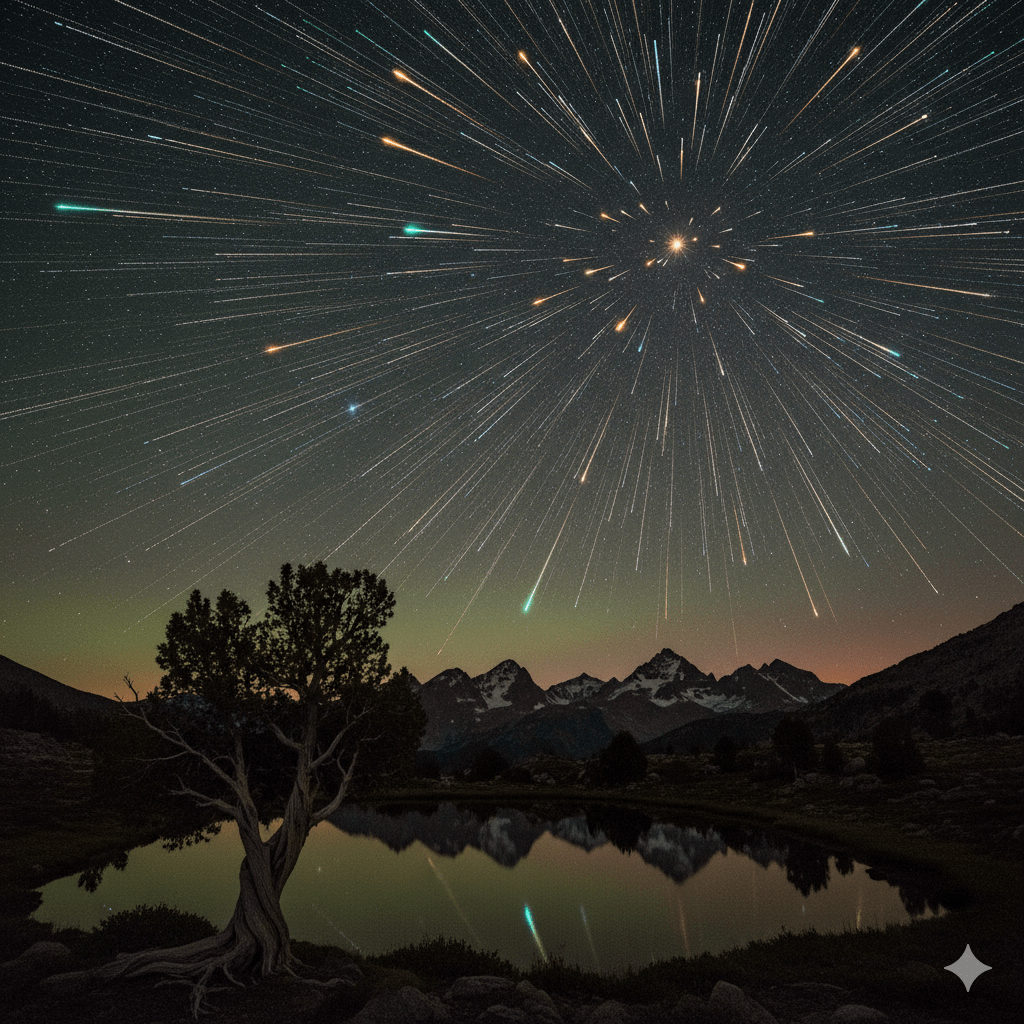
(Peaks Nov 4–5 & Nov 11–12): The Taurids are known for producing slow, bright meteors called fireballs, though their hourly rate is low (around 5 per hour). Look for them after midnight in the region of the constellation Taurus.
* Leonids Meteor Shower
(Peak Nov 17–18):
The Leonids are famous for being one of the fastest meteor showers. It peaks on the night of November 17th into the morning of the 18th. With the Moon being a thin crescent, the skies will be dark, allowing for better viewing of its typical rate of 10–15 meteors per hour. The radiant is in the constellation Leo, best viewed after midnight.
Uranus at Opposition…
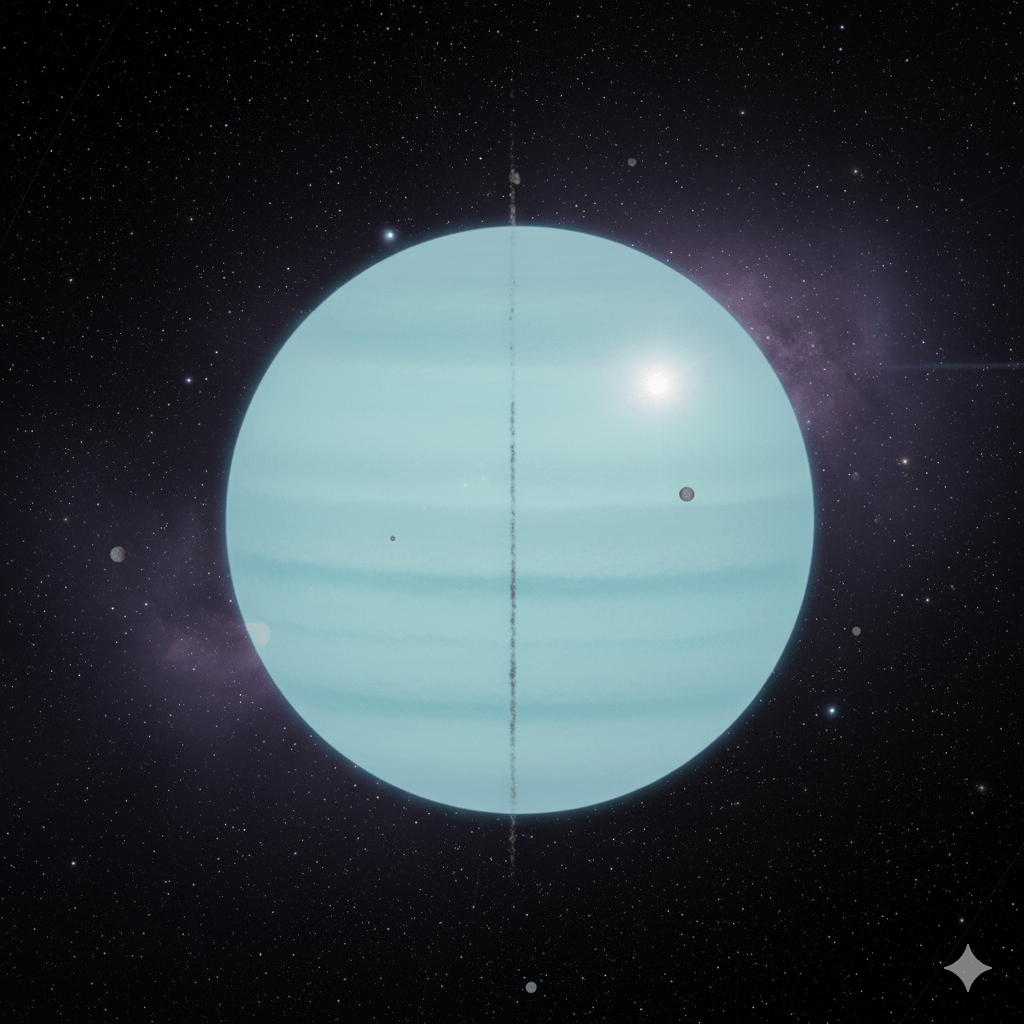
* November 21st: The planet Uranus reaches opposition, meaning Earth passes directly between it and the Sun. This is when Uranus is closest to us and at its brightest for the year. Although it will still be too dim to see with the naked eye, it can be spotted with binoculars or a small telescope in the constellation Taurus. Look for its faint, blue-green disk.
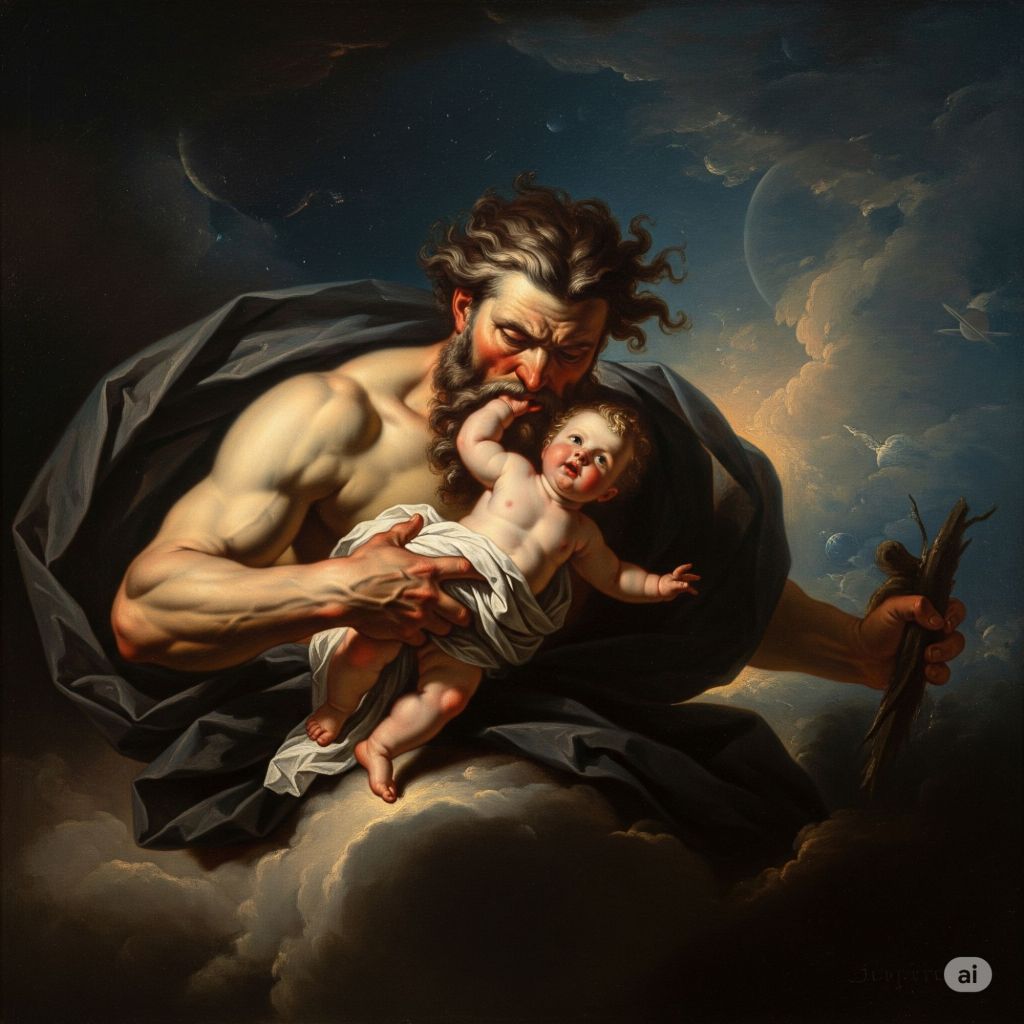
The myth of Jupiter eating his son is a Roman version of the Greek myth of Cronus (the Titan god of time) and his children. It’s a foundational story in ancient mythology, explaining the succession of power among the gods. Here is what the myth is about: The Prophecy and the Act The story begins with a prophecy that Cronus would be overthrown by one of his own children, just as he had overthrown his father, Uranus (the Sky). Driven by paranoia and a desire to retain his power, Cronus devoured each of his children as they were born. His wife, Rhea, was heartbroken and, when her sixth child, Zeus (Jupiter in Roman mythology), was born, she decided to save him. Rhea hid the infant Zeus in a cave on the island of Crete and, to deceive Cronus, she gave him a stone wrapped in swaddling clothes. Cronus, not noticing the deception, swallowed the stone, believing he had successfully consumed his final child. Zeus grew up in secret and, once he was an adult, he returned to confront his father. He forced Cronus to regurgitate his siblings—Hestia, Demeter, Hera, Hades, and Poseidon—who had been living inside him the whole time. The siblings, along with Zeus, then waged a ten-year war against Cronus and the other Titans, known as the Titanomachy. Zeus and the Olympians were victorious, and he became the ruler of the gods, fulfilling the prophecy. The Omen and its Meaning The myth was not an omen for a specific, future time. Instead, it was a symbolic story about the cyclical nature of power and the inevitability of change. It illustrates the idea of a “self-fulfilling prophecy,” where the very actions taken to prevent a fate from happening ultimately cause it to come to pass. Cronus’s fear and cruelty led directly to his downfall, as his attempt to avert the prophecy created the very enemy—his son Zeus—who would one day overthrow him. The myth is often interpreted as a commentary on a few different themes: * The passage of time: Cronus, who was also associated with the god of time (Chronos), devours his children, which can be seen as a metaphor for time consuming all things. * The conflict between generations: It reflects the struggle between the older, tyrannical generation and the younger, more dynamic one. * The triumph of a new order: The victory of the Olympians over the Titans represents a shift from a primal, chaotic world to a more civilized and orderly one, with Zeus establishing a new reign of justice.
A new rain, sounds good.
Tic
Rain or reign they both need to be timely to be effective.
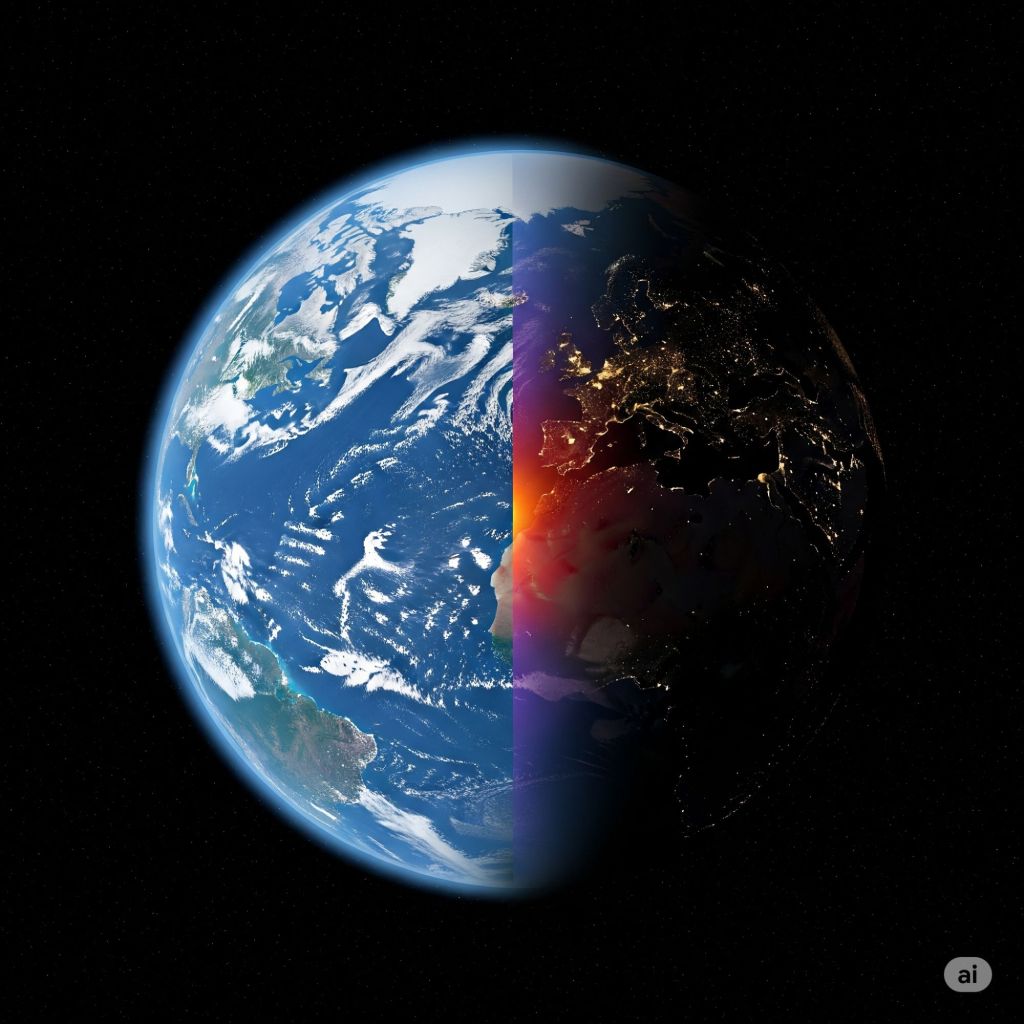
There has been some attention on a “short day” on August 5, 2025, due to a slight acceleration in the Earth’s rotation. This phenomenon is not something to be concerned about and will not have any noticeable impact on your daily life. Here’s a breakdown of what this means: * What is a “short day”? This refers to a day that is slightly shorter than the standard 24 hours (or 86,400 seconds). The Earth’s rotation speed isn’t perfectly constant and can vary by tiny amounts. In recent years, the Earth’s rotation has been speeding up, leading to a series of these shorter days. * How short is it? The “short day” on August 5 is predicted to be shorter than a regular day by a matter of milliseconds, specifically about 1.51 milliseconds. This is an extremely small amount of time, far too small for any human to notice. * Why is this happening? Scientists are still investigating the exact causes of these short-term fluctuations, but they are believed to be related to a combination of factors, including the complex motion of Earth’s liquid core, mass redistribution from melting polar ice, and tidal effects from the Moon. On August 5, the Moon’s position will be at a point that contributes to the acceleration of the Earth’s spin. * Should you be concerned? No. The effects of this change are so minuscule that they are only detectable by highly precise atomic clocks used by scientists. The primary impact of these “short days” is a discussion among global timekeepers about the potential need for a “negative leap second” to keep our clocks in sync with the Earth’s rotation. This is a scientific and technical matter, not something that will affect your schedule or well-being.
The Artemis program is indeed going ahead, though with some shifts in its timeline and potential scope. Artemis Program Status: * Artemis I, an uncrewed test flight, successfully completed its mission to lunar orbit and back in late 2022. * Artemis II, the first crewed mission to orbit the Moon (but not land), is now projected for April 2026, a delay from earlier targets. * Artemis III, which aims to land humans on the lunar South Pole, is currently targeted for mid-2027, also delayed from previous schedules. * There are ongoing discussions and potential budget cuts that could impact the program beyond Artemis III, with proposals to phase out the Space Launch System (SLS) and Orion spacecraft, and even cancel the Lunar Gateway. This highlights the political and financial challenges alongside the technical ones. China’s Lunar Program: China is actively pursuing its own ambitious lunar exploration program, known as the Chang’e Project. * This program has already achieved significant robotic milestones, including orbiters, landers, rovers, and sample return missions. * Crucially, China has publicly announced its goal to land astronauts on the Moon before 2030. They are developing key components like the Long March-10 carrier rocket, Mengzhou manned spacecraft, Lanyue lunar lander, and a lunar rover. * China also plans to establish an International Lunar Research Station (ILRS) at the Moon’s south pole, aiming for international collaboration. Is Competition Worthwhile? The competition between the Artemis program (primarily US-led with international partners) and China’s lunar ambitions is often framed as a “new space race.” There are several arguments for why this competition can be worthwhile: * Accelerates Innovation: Competition can spur rapid technological development and push the boundaries of what’s possible, as each nation strives to achieve milestones first or more efficiently. * Reduces Costs: In some cases, competition, especially with the rise of private companies, can drive down the cost of space access and operations. * Inspires and Engages: A visible “race” to the Moon can inspire public interest in science, technology, engineering, and mathematics (STEM) fields, and foster a sense of national pride and achievement. * Redundancy and Resilience: Having multiple nations developing lunar capabilities can create redundancy, ensuring that human access to space and lunar exploration continue even if one program faces setbacks. * Geopolitical Influence: Leadership in space exploration is often seen as a marker of a nation’s technological prowess and global influence. However, there are also arguments against intense competition or for emphasizing cooperation: * Duplication of Effort: Parallel programs can lead to redundant efforts and inefficient use of resources that could be pooled for greater scientific return. * Increased Risk of Conflict: While currently peaceful, a heightened “space race” could potentially lead to increased geopolitical tensions or even weaponization of space, though most nations advocate for peaceful use. * Missed Opportunities for Collaboration: Cooperation can lead to shared knowledge, expertise, and resources, potentially achieving more complex and ambitious scientific goals. In summary, the Artemis program is pushing forward with its aim to return humans to the Moon, while China is a serious and active competitor with its own independent and ambitious lunar plans. Whether this competition is “worthwhile” depends on the perspective, but it undoubtedly drives innovation and maintains a dynamic environment in lunar exploration. Many argue that a balance of healthy competition and strategic cooperation could yield the most beneficial outcomes for humanity’s presence in space.








 Kevin Griffiths
 percypaschal
 The Proprietor Review