You are presumed to be honest and responsible without evidence to the contrary beyond a reasonable doubt… on the balance of probablilties you are justified by 51 % likelyhood.
2024 CBC 26th annual Sixty three species noted, 27 people counted more than 5,000 birds, which is well above average according to the nicola naturalist Society. The Nicola Naturalist Society, was Incorporated after it began activities here in 2010. President Alan Burger has also been the president of BC nature more than once. There is […]
So, this author says that ” The atmosphere is in mode but the ocean currents are out of sync” paraphrased.
Rainy and wet…
Anyway, let’s hope that next spring is more wet than the last few years, especially here in South Central interior, British Columbia where we feel it the most.
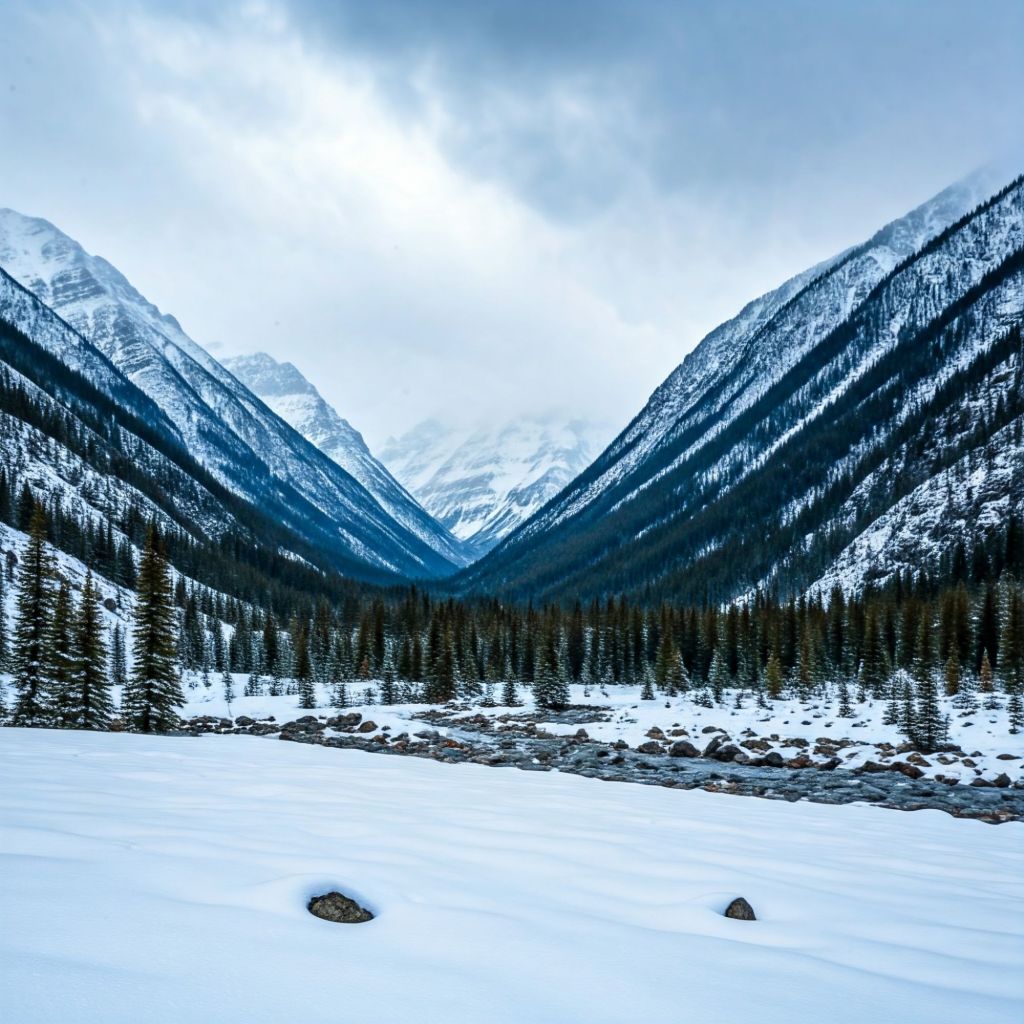
This is an Ai generated photo, we asked Gemini to show us the Nicola Valley. Does anybody recognize this as part of the Nicola Valley or any other place?.
Snow is homey in British Columbia. But take care… Use highway cams at drive BC.
Was it the CO2 holiday that occurred throughout the world because of the pandemic? Anyway, we’re happy to find some healthy Coral and report it to you. From the pi.
An accumulation of a meter is expected in Whistler area. This should be good news to ski enthusiasts, particularly those that know how to be safe in these conditions.
Canada has issued a weather alert concerning hurricane Oscar that would affect possible people going to Cuba.
Weather is to be respected
Voting time in BC
This atmospheric River showed up around election day. Is the universe trying to tell somebody something? Not how to vote we don’t think. But we need to have a life and we have to be careful with our stuff 😔
So, it seems that the world is coming around a bit. The la Nina severe storm generator is working to bring up cooler water from deeper parts of the ocean and cause weather fronts to move it inland.
And, a carbon tax is taking up tariffs on carbon imiting oil reserves ( when burnt). So, we have been watching and waiting for the catastrophic sea level to rise.
Not terribly dramatic the drought is more of a sense of attention than sea levels. We know that the seas were about 300 m shallower at the top of the last ice age when a mile high or 2 mile high or more in some places sheets of ice covered North America. So did that translate into how the seas were going to rise with current global warming,? I watched as island states in the South seas were marked as going under. On examination it seems those things move regularly because of the sand that composes them.
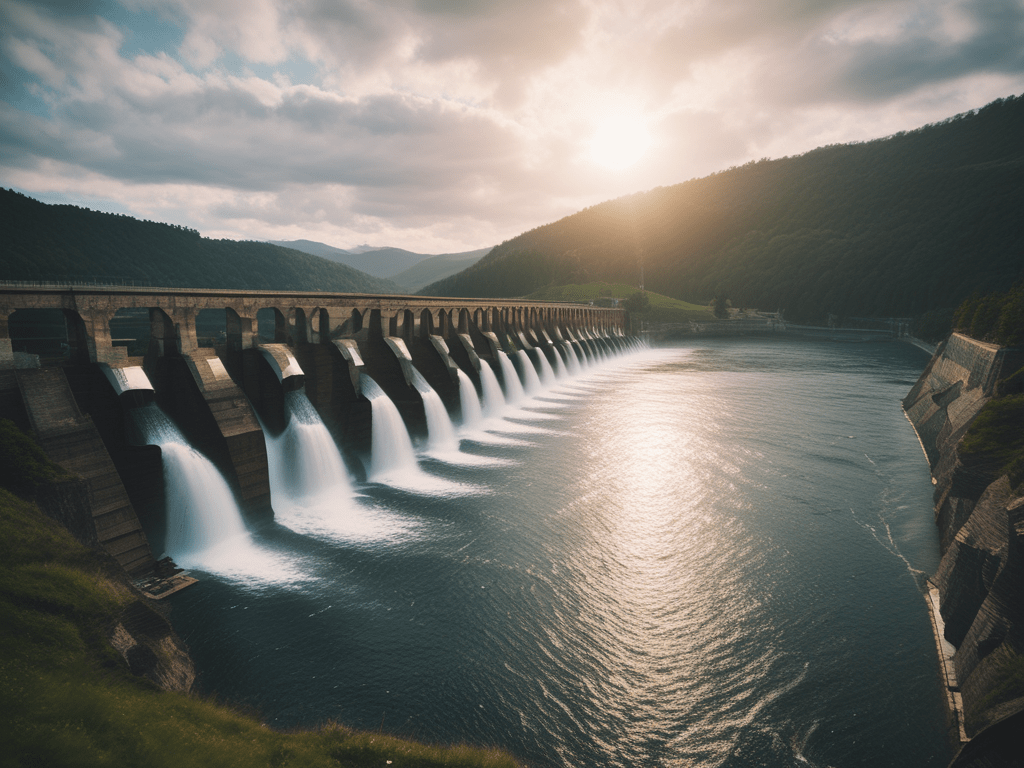
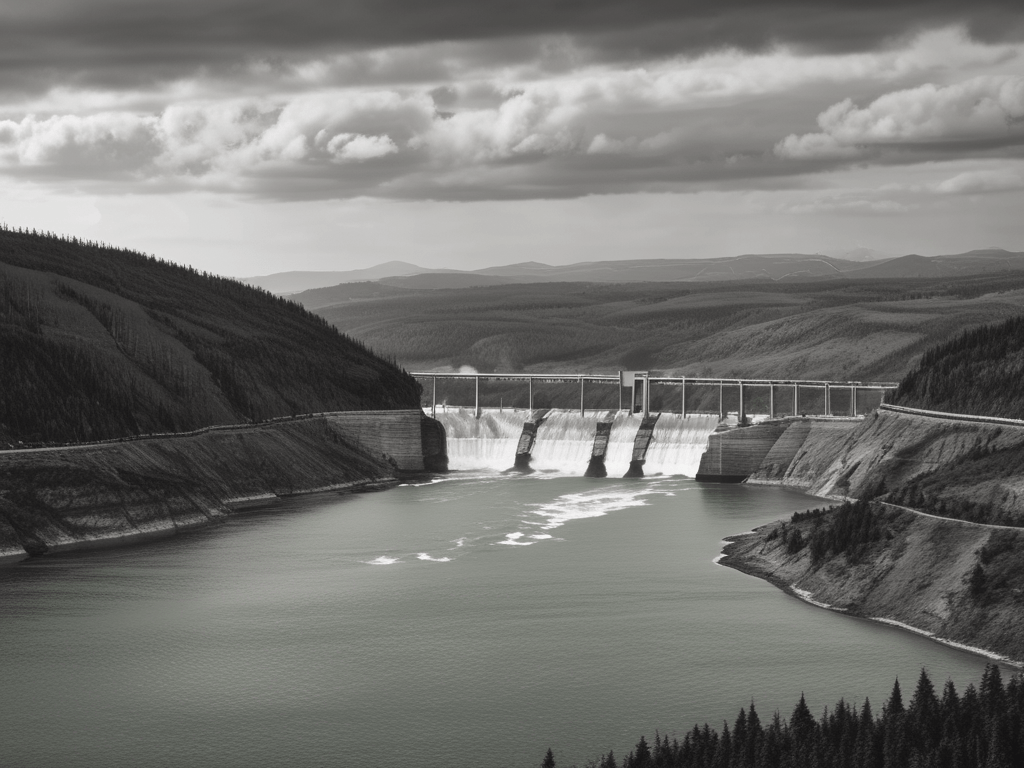
Then I thought back to when our family business partnered with a couple other drillers to do the preliminary exploration work drilling on the site C project in British Columbia, Canada. My thoughts were tossed and since we finished decades ago and it’s been under construction for decades and now at this very moment is being filled with water. However, because of drought conditions, it’s not taking any water out of the system or the land, but it’s taking it from Williston lake. The WAC Bennett reservoir.
Although there is a greater efficiency with the new project, it’s a moot point about water because the drought is a concern that needs to be dealt with in a measured way and they certainly can do that. And we can cooperate when we are asked to preserve water and or be part of solutions for that sort of thing.
But, it raises in my mind questions about the abundance of water when it’s mixed with oil. We know oil doesn’t mix with water. We have as a society that with licensing through our government has given a lot of oil leases that have drilled lots of holes in the ground and pumped out lots of oil over the last few decades and guess what?
That oil was burned and put in the atmosphere. Some it was taken up again by trees but lots of interest to me is that nobody has ever raised the issue of what is taking its place in the ground. Of all that oil being pumped out.Yes we know that oil and water don’t mix but where there’s a hole there’s going to be water put down it and I presume that the oil will work its way to the top of it and the water will be underneath it in most respects. I’m not a geologist but I’m sure somebody must have studied that.
Then, the question of the carbon tax and its relationship to the availability to the market of tar sands oil. Now Tar sands oil isn’t pumped from big holes in the ground. It is mined refined and sands put in back filled pits so that would preclude the loss of groundwater, we would take.
But we’re not experts, but we think that would make tar sands oil more attractive to be used in place of huge amounts of pooled oil? It wouldn’t be pumped from the ground and replaced with groundwater, which it seems at this point we are suffering for.
Now, we are still not experts or giving you a lecture. It is somebody subjectively thinking what the hey; is it true, could have the environmental impact of tar sands been underlooked for this dynamic of groundwater disappearing and exacerbating drought conditions.
At any rate, the sight C project will be generating power this fall sometime and it’ll be using water from Williston lake that would have gone through the aging WAC Bennet Dam . So dam it anyway, what way water. ( I am sure it goes through both) Double dipped, but will it be back?
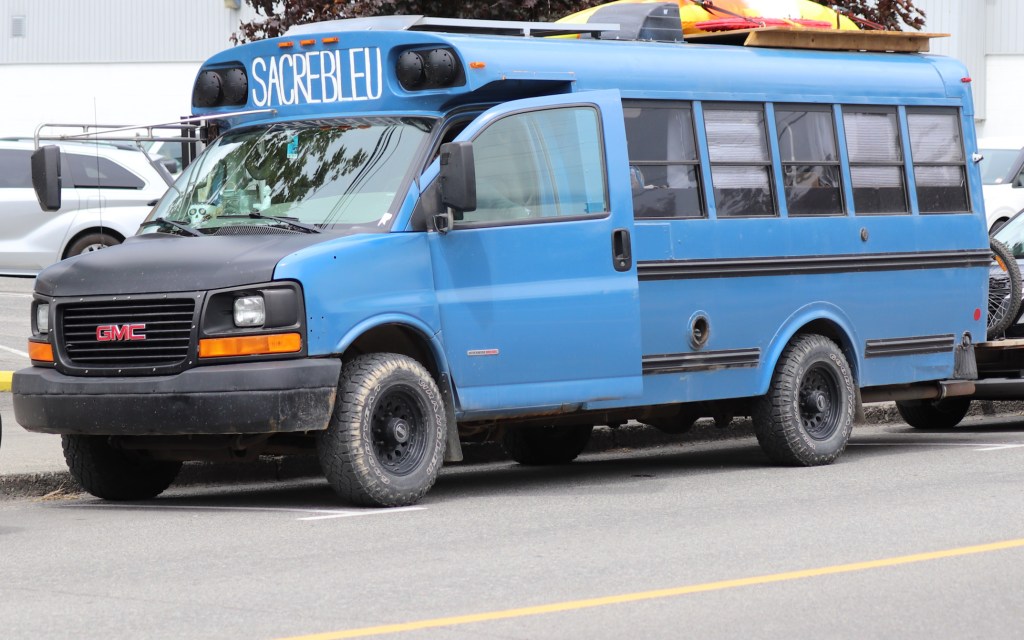
1950 heavy metal itPhoto by Cliff Booth on Pexels.comBus itSevere weather it.Dam itNuke it
Carbon Tax
In Canada we have the advantage of a tax tied to a tangible commodity. The carbon tax no matter how pie in the sky it is, it’s still based on a tanagable.
Fraud not withstanding risk is better underwritten by this vehicle. So, the bubble of hard assets (oil reserves) that we are beginning to enjoy is timely for we all. Don’t waste this moment… Use it to transform ideas to near tangibles that will endure to our children’s children.
We are comfortable more with fall approaching, you ?
Timely
The recent and prolonged warming is motivating action.
We are probably facing a bubble as economic power is increased by the completion of the Trans Mountain expansion . The gold weld was done 👍 in a small ceremony in recent weeks.
Carbon tax revenue available
The increase in available Fossil energy will be accompanied by revenues that are dedicated similar to road construction in the province. These revenues will come from carbon tax and fund plans that reduce and mitigate carbon in our atmosphere. Once again, good luck to all those in these endeavors and to those that have to use their brain power to put forward alternatives to what might be successful planning.













 Kevin Griffiths
 percypaschal
 The Proprietor Review