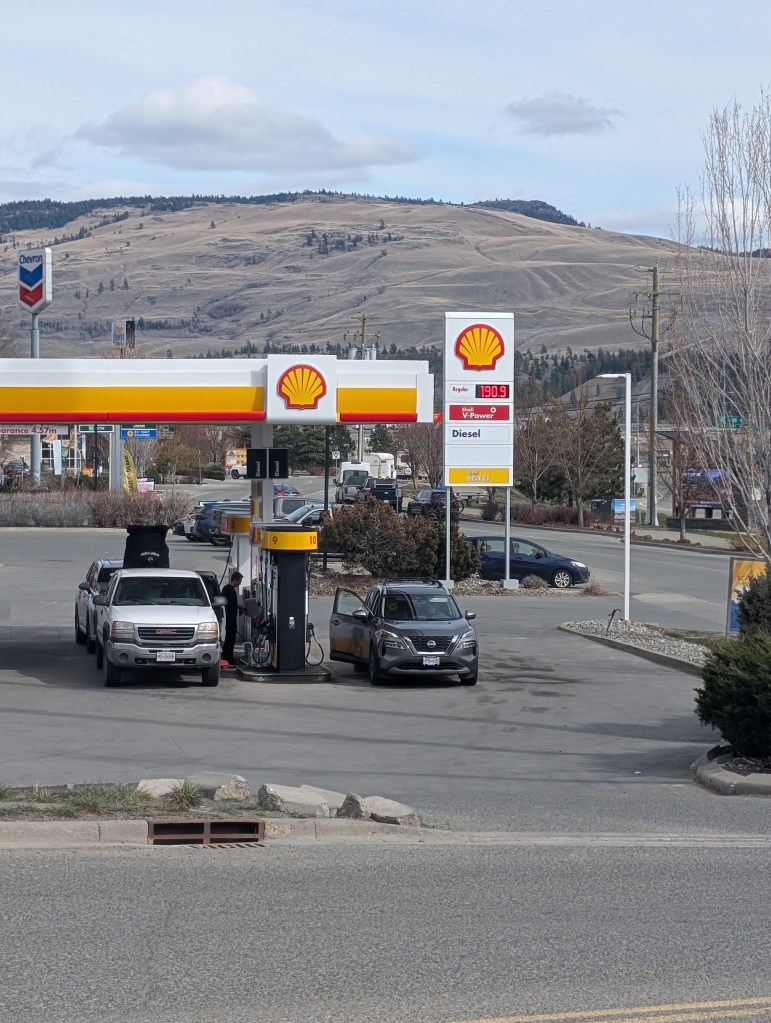
Average gas price Canada
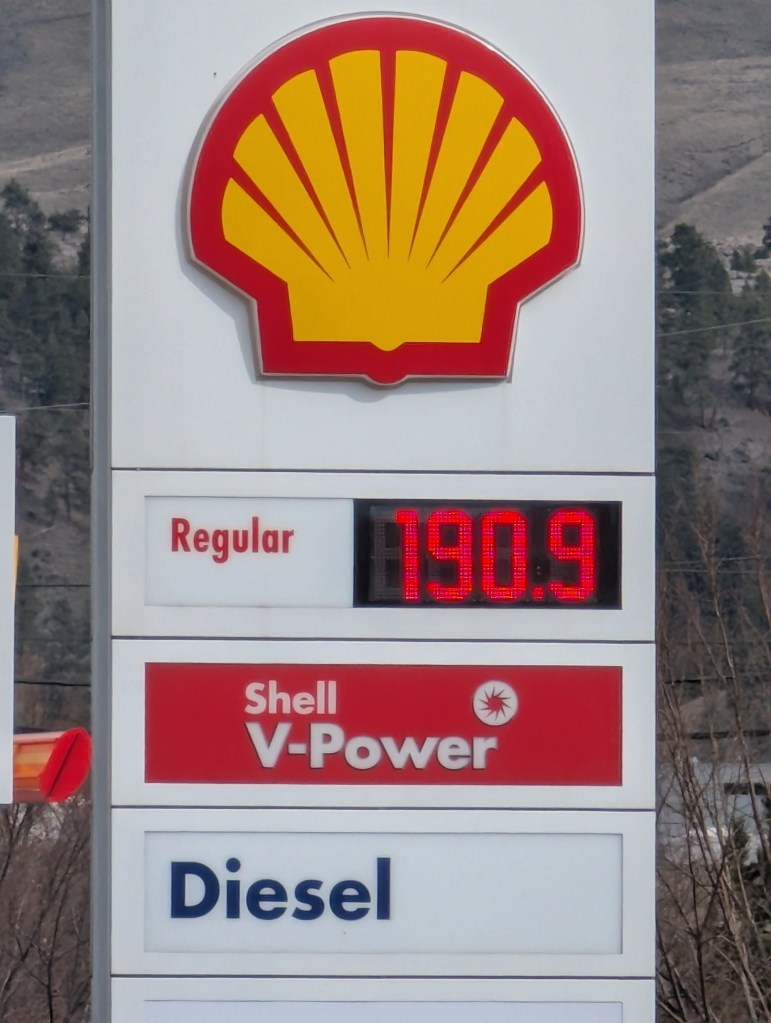
Friday afternoon gas price Merritt BC, click on photo about for average prices across Canada.

To the seasons of life

Friday afternoon gas price Merritt BC, click on photo about for average prices across Canada.
As of 3:PM March 24th 2026.
British Columbia, Five Highways…
Wind Coquihalla highway to Kamloops, Snow Rogers pass
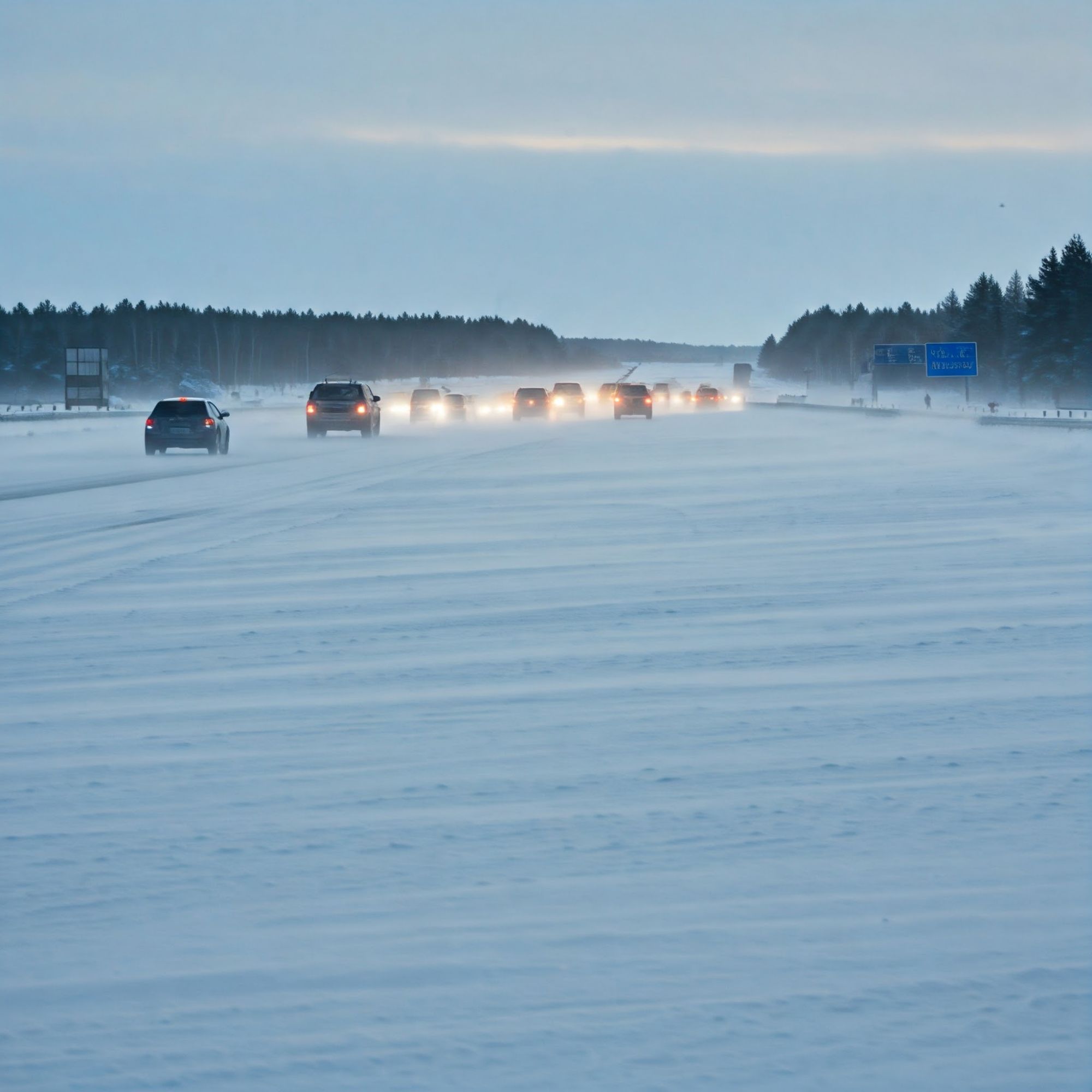
Concept Photo

Eight hrs ago, ineffect 19:35 Pacific.
Concept photo AI generated, they stay safe.

This morning we woke up to a snow warning from environment Canada for Merritt to Hope. The color-coded yellow warning can be found on their page above.
Three highway alerts from Environment, Canada. As of 10:06 evening conditions are wet and “watching for rocks is a skill to employ…” K
Stay Safe

Concept photo, K
The City of Merritt in the South Central Interior of British Columbia. Put up their street lights on and about the town and the Christmas tree is going up In Spirit square, center to the cultural and reflective hub off Granite Ave. There are pragmatic benefits to this endeavor in our view…

Photo:KDG
Well this is not a clinical diagnosis, we observed that this condition is out there and would say from a non-professional point of view then it must help with the people that suffer from it. So let your joy come from you but enjoy every little bit helps hey…

Concept Photo generated

Ad hoc posting, you we would very much appreciate your comments.
Be responsible. Somebody’s life might depend on to
On Saturday the 27th of September 2025 a road closure on the Coquihalla from Othello bridge.
From 12am to 8:00 a.m.
You can check the video cams or the live cams for real time evaluation of your trips and we suggest that you open up an account. You can have it with a basic bceid number and that will give you access to road conditions.
We however, encourage that you use us in our comments for any difficulties or advice or stories that you might like to share with your driving experience in British Columbia.
Drive safe somebody’s waiting for you.
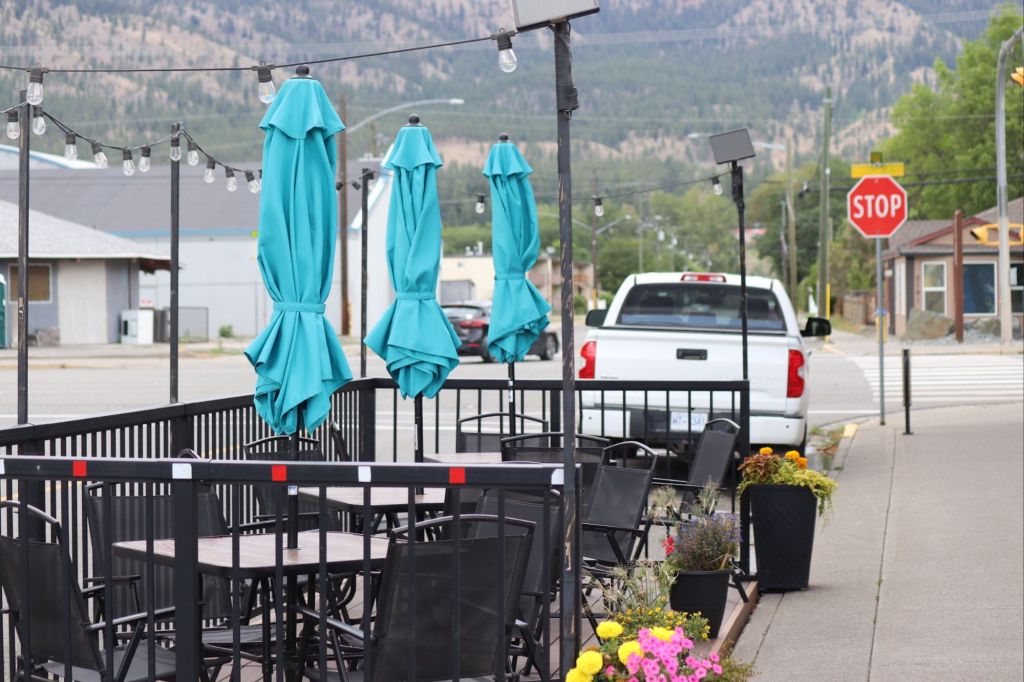
Off-street parking regulations for restaurants are a complex and evolving topic, with significant differences between big cities and smaller towns. These rules are generally found in a city’s zoning or parking bylaws and are designed to manage traffic, ensure accessibility, and shape the urban environment.
How Off-Street Parking Regulations are Determined
The amount of required off-street parking for a restaurant is typically not based on the height or value of a building, but rather on metrics that correlate to the number of patrons and employees. Common units of measurement include:
* Gross floor area (m^2 or ft^2): This is a very common method. For example, a regulation might require “1 space for every 20 square meters of gross floor area.”
* Seating capacity: Some regulations use the number of seats as the basis, for instance, “1 space for every 3 seats.” This can be more precise for sit-down restaurants.
* Number of employees: Less common, but sometimes factored in to account for staff vehicles.
These regulations often specify other requirements, such as the minimum size of a parking space, the width of aisles, and setbacks from the street.
The Impact on Big Cities
In large, dense urban areas, off-street parking requirements have been a major source of debate and have a significant impact:
* Increased Development Costs: Requiring a certain number of parking spaces, especially in a dense city, can be extremely expensive. Land is at a premium, and building multi-story or underground parking garages adds significantly to the cost of a new development. These costs are often passed on to the restaurant owner or, ultimately, the consumer.
* Discouraging Walkability and Public Transit: An oversupply of parking can encourage people to drive, even for short trips, which leads to more traffic congestion and pollution. It can also make a city less pedestrian-friendly, as large surface parking lots break up the streetscape.
* Inefficient Land Use: Large parking lots, particularly in downtown areas, are often empty for a significant portion of the day or week, representing a poor use of valuable urban land that could be used for housing, public parks, or other businesses. This can also contribute to urban heat island effects, as asphalt absorbs and radiates heat.
In response to these issues, many large cities have begun to reform their parking regulations by:
* Eliminating Minimums: Cities like Calgary and others have removed minimum parking requirements for new developments. This gives developers and businesses the flexibility to build the amount of parking they believe is necessary based on their specific context and customer base.
* Implementing Maximums: Some cities are now setting maximum parking requirements to prevent an oversupply of parking and encourage alternative modes of transportation.
* Parking Cash-Out Programs: Some cities encourage employers to “cash out” the value of a parking space for employees who choose to commute by bike, public transit, or carpool.
How to Fix the Problem in Little Cities
While big cities are often trying to reduce their parking supply, smaller cities and towns can face different challenges, such as a lack of downtown parking that hurts local businesses. Here are some strategies for smaller cities to address these issues:
* Shared Parking: Many businesses have different peak hours. For example, a bank is busy during the day, while a restaurant is busy in the evening. Creating shared parking facilities allows businesses to make more efficient use of a single parking lot, reducing the need for each business to build its own.
* Centralized Parking: Instead of requiring each restaurant to have its own parking, a small city can create centralized, well-marked public parking lots. This creates a “park once and walk” environment that encourages visitors to explore more of the downtown area.
* Improved Public Transit and Walkability: While a small city may not have a subway, it can still invest in more frequent bus service, safe bike lanes, and pedestrian-friendly sidewalks. This provides people with viable alternatives to driving and reduces parking demand.
* In-lieu Fees: Some cities allow developers to pay a fee instead of providing the required parking spaces. This money can then be used by the municipality to build public parking structures or invest in public transit.
* Mixed-Use Development: Encouraging buildings with a mix of residential and commercial uses can help address parking problems. Residents can walk to nearby restaurants, and the parking demand for both uses can be shared since residential parking is typically needed at night, while commercial parking is needed during the day.
The Influence of Environmental Concerns
Environmental concerns have significantly altered the conversation around parking regulations. The traditional model of minimum parking requirements has been widely criticized for its negative environmental impacts:
* Urban Sprawl and Habitat Loss: Large surface parking lots require vast amounts of land, contributing to urban sprawl and the loss of green spaces.
* Stormwater Runoff: Impermeable surfaces like asphalt prevent rainwater from being absorbed into the ground, leading to increased stormwater runoff, which can carry pollutants into local waterways.
* Heat Island Effect: Parking lots absorb solar radiation and contribute to the “urban heat island effect,” making cities and towns hotter than surrounding rural areas.
* Encouraging Driving: Perhaps most importantly, an oversupply of free or low-cost parking encourages people to drive, leading to more traffic congestion and increased greenhouse gas emissions.
In response, many cities are now re-evaluating their parking policies as a key component of their climate action plans. They are moving away from the “one-size-fits-all” approach of parking minimums and adopting more flexible and context-sensitive solutions that prioritize people and the environment over vehicles.

Mobile ordering and drive through are popular, however, they don’t address the number one issue for stopping when you’re driving and that’s usually washrooms.
There is a very good place to get the mileage to destinations when stopping in Merritt. The downtown tourist info Center 2202 Voght st is a convenience to employ.
A signpost with distances to several locations, including some in British Columbia and one in Alberta, Canada, as well as Bellingham in the United States. It looks like a fun and creative landmark, possibly in a park or a private yard.
The signpost indicates the following distances:
* West:
* Spences Bridge: 65 km
* Tofino: 550 km
* Victoria: 350 km
* Whistler: 330 km
* Vancouver: 270 km
* Haida Gwaii: 1500 km
* East:
* Hope: 120 km
* Calgary, Alta: 700 km
* Cranbrook: 650 km
* Trail: 435 km
* Osoyoos: 200 km
* Kelowna: 130 km
* Princeton: 90 km
* South:
* Bellingham, USA: 240 km
Based on the sign’s locations and distances, the signpost is likely located somewhere near Merritt, British Columbia, as this would be a plausible central point for these destinations.
The kilometers to destination are rounded off to 10 s making them less provoking to remember. EG Merritt to Calgary 700 KM from 704.
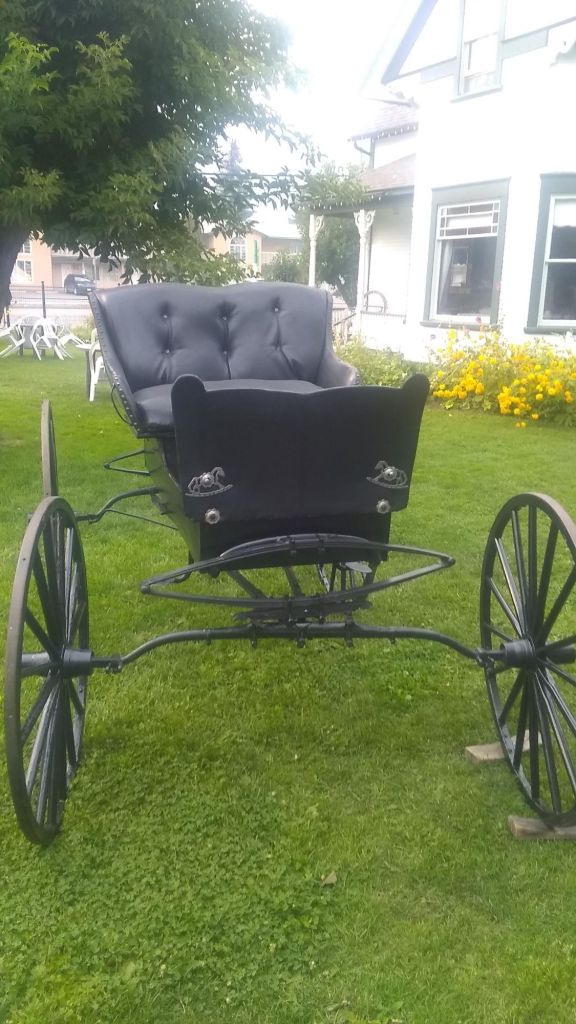
The cool shade of lawn and trees await stoppers at the downtown tourist information center also known as the Bailey house in Merritt, BC.
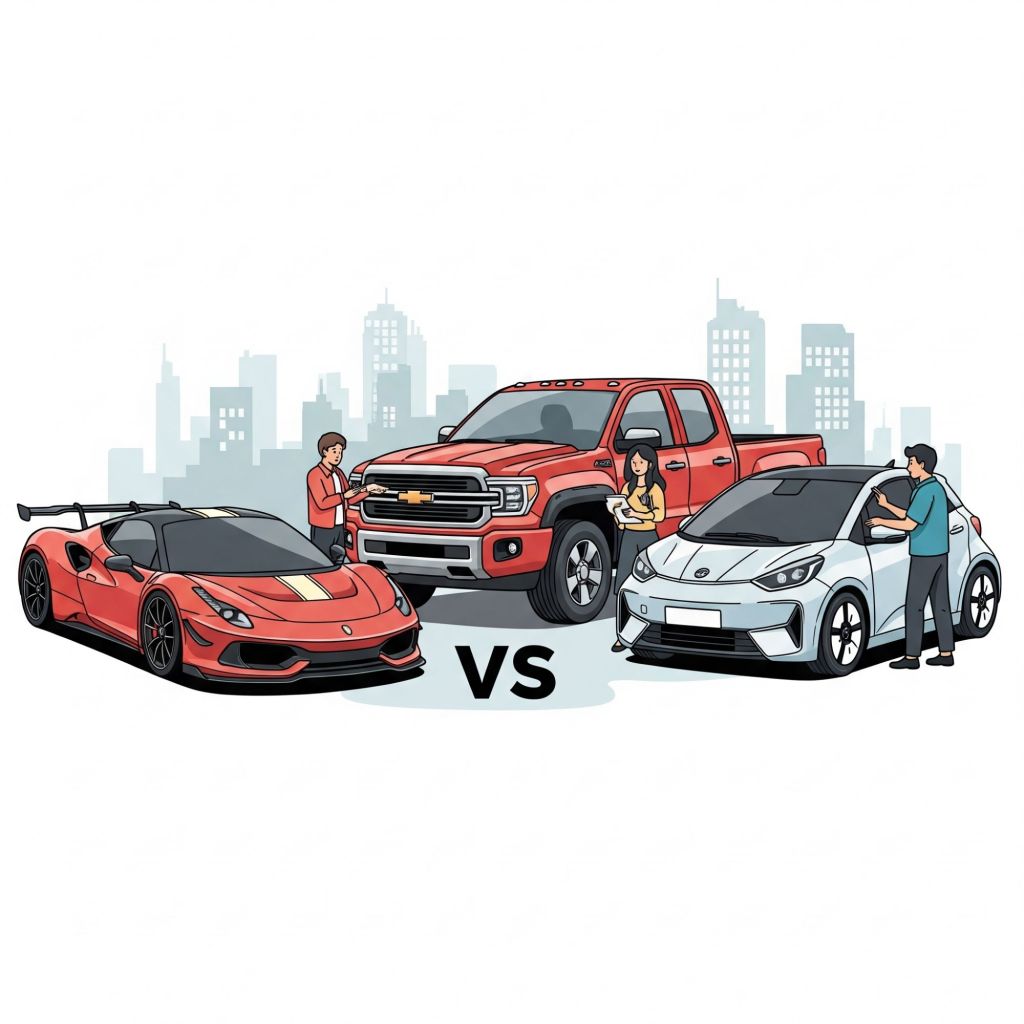
You’re looking to research products, specifically focusing on comparisons and reviews! That’s a great way to make informed purchasing decisions. Here’s a breakdown of how to approach it, considering different types of reviews and where to find them:
I. Types of Reviews & What to Look For
When researching products, you’ll encounter a few different types of reviews, and each offers unique insights:
* Expert Reviews:
* What they offer: In-depth analysis, technical specifications, performance benchmarks, comparisons to competitors within the same category, and often a professional’s perspective on design and usability. They are usually written by journalists, testers, or specialists in the field.
* What to look for: Detailed testing methodologies, clear pros and cons, how the product performs under various conditions, and an overall assessment of its value for money. They often have a deeper understanding of the product’s internal components and how they impact performance.
* Limitations: May not always reflect real-world, long-term usage, and their personal preferences might not align with yours. Sometimes, sponsored content can subtly influence their opinions, so look for transparency.
* User/Customer Reviews:
* What they offer: Real-world experiences, practical insights into daily use, feedback on customer service, durability over time, and a broader range of opinions from different types of users. They can highlight unexpected issues or benefits.
* What to look for: Common themes across multiple reviews (e.g., many people mention battery life, or a specific design flaw), reviews with photos or videos, and reviews from users who have similar needs or use cases to you.
* Limitations: Can be biased (either overly positive or negative), may lack technical understanding, and some reviews might be fake or incentivized. A single bad review doesn’t necessarily mean a bad product, just as a single glowing review doesn’t guarantee perfection.
II. Where to Find Product Comparisons and Reviews
Here are some excellent sources for researching products:
A. General Product Review & Price Comparison Sites:
These sites often offer a mix of expert analysis and aggregated user reviews, and many also include price comparison features.
* Google Shopping / Bing Shopping: Excellent for price comparisons across a vast number of retailers. They also often include product details and links to reviews.
* Bizrate, Shopzilla, PriceRunner, Shopping.com: These are dedicated price comparison platforms that also provide product information and often link to reviews.
* Camelcamelcamel: Specifically for Amazon, this site tracks price history, which is incredibly useful for knowing if a “deal” is actually a good price.
* Honey / Capital One Shopping: Browser extensions that automatically find coupons and sometimes offer price comparison features.
* Become, PriceSpy, ShopMania, PriceGrabber: Other popular price comparison and product listing sites.
B. Unbiased & Expert Review Sites (Often with Lab Testing):
These organizations are known for their rigorous testing and independent analysis, making them highly reliable sources.
* Consumer Reports: A non-profit organization renowned for its unbiased, data-driven product testing and ratings across a huge range of categories (appliances, cars, electronics, health, etc.). They conduct their own lab tests.
* Wirecutter (The New York Times): Known for its thorough research and “best of” recommendations across many product categories. Their team extensively tests products.
* CNET: A go-to for electronics and technology reviews. They offer detailed expert reviews, comparisons, and often videos.
* TechRadar: Another excellent source for tech gear and electronics reviews, with in-depth analysis.
* PCMag: Specializes in technology, providing lab-tested, independent reviews of computers, components, mobile devices, software, and more.
* Good Housekeeping: Reviews household products, beauty products, electronics, and kid’s toys, often with testing done by The Good Housekeeping Institute.
* Which? (UK-based): An independent platform for reviewing a vast array of products and services, highly trusted in the UK.
C. User-Generated Review Platforms:
These platforms are primarily driven by customer feedback.
* Amazon: A treasure trove of customer reviews. Even if you don’t buy from Amazon, you can often find valuable insights into product pros, cons, and long-term durability. Pay attention to “verified purchase” badges.
* Trustpilot: Focuses on consumer trust and transparency, emphasizing verified reviews and ratings for businesses and products.
* Yelp: Best known for local businesses (restaurants, services), but you can find product-related reviews for some categories.
* Google Reviews (Google Business Profile): Businesses often have reviews on their Google Business Profile, which can give you insight into customer experiences with specific products or services.
* G2 & Capterra: Excellent for software and B2B products, offering detailed user reviews and comparisons.
* TripAdvisor: While primarily for travel and hospitality, it’s a great example of a platform relying heavily on user reviews.
D. Manufacturer/Retailer Websites:
* Direct from the brand: Many brand websites will have customer review sections. While generally positive, they can still offer insights into specific features or common questions.
* Retailer websites (Best Buy, Walmart, Target, etc.): Similar to Amazon, these sites usually have extensive customer review sections for the products they sell.
III. Tips for Effective Product Research:
* Define Your Needs: Before you start, clearly list what you need and want from the product. What are your essential features? What’s your budget?
* Start Broad, Then Narrow Down: Begin with general searches (e.g., “best noise-canceling headphones”) to get an overview of the market. Then, narrow down to specific models or brands.
* Read Both Expert and User Reviews: This is crucial. Expert reviews provide technical depth, while user reviews offer real-world practicality. Look for areas where they agree or disagree.
* Look for Consistency in Reviews: If many different users complain about the same issue, it’s likely a legitimate flaw. Conversely, if many highlight a particular strength, that’s also reliable.
* Consider the Source’s Bias: Be aware that some review sites might have affiliate links or partnerships that could subtly influence their recommendations. Independent non-profits like Consumer Reports are generally the most unbiased.
* Check Review Dates: Products are constantly updated. Ensure the reviews you’re reading are recent and relevant to the current model.
* Watch Video Reviews: YouTube is a fantastic resource for product reviews. You can see the product in action, get a sense of its size, and hear direct impressions.
* Compare Features Side-by-Side: Many product comparison websites (especially for electronics like phones) offer tables where you can directly compare specifications and features.
* Don’t Just Look at Star Ratings: Read the actual text of the reviews. A 4-star review with detailed explanations of minor flaws might be more helpful than a vague 5-star review.
* Factor in Price: Use price comparison tools to ensure you’re getting the best deal once you’ve decided on a product.
By using a combination of these resources and strategies, you’ll be well-equipped to make a confident and informed decision about your next purchase! What product are you thinking of researching first?
There are many laboratory groups of associations that test for numbers of things. One of them is a Canadian standards group that used to be called just a Canadian standards association and there are some other ones attached to it and one that might be of interest is UL or underwriters liability. When you see their marks, they mean something.
Good luck

Most jurisdictions in Canada have been lifting the carbon tax off the consumer price of gasoline. Along with that, the carbon credit may be on its way out. Hard to say when everything fits together but it seems to be the moniker that is driving it.
Well, if people feel empowered by it, It’s probably the right thing to do.
So, We wonder where the next excise taxes will be stuck into, some consumer things somewhere. I wonder if it’ll be cars or are they going to be relying on tariffs?
Don’t bring your tariffs to town. Billy boy Billy boy.
Taxidermied? skinned, cleaned, hung out to dry.

Hey Merit what do you say?


 Kevin Griffiths
 percypaschal
 The Proprietor Review