July 4 the 2026 evening
post: Merritt BC
British Columbia Air Quality
no alerts 6:34 Saturday July 4th 2026


To the seasons of life

July 4 the 2026 evening
post: Merritt BC
British Columbia Air Quality
no alerts 6:34 Saturday July 4th 2026

Summer skies, long days, look up the best is coming soon..
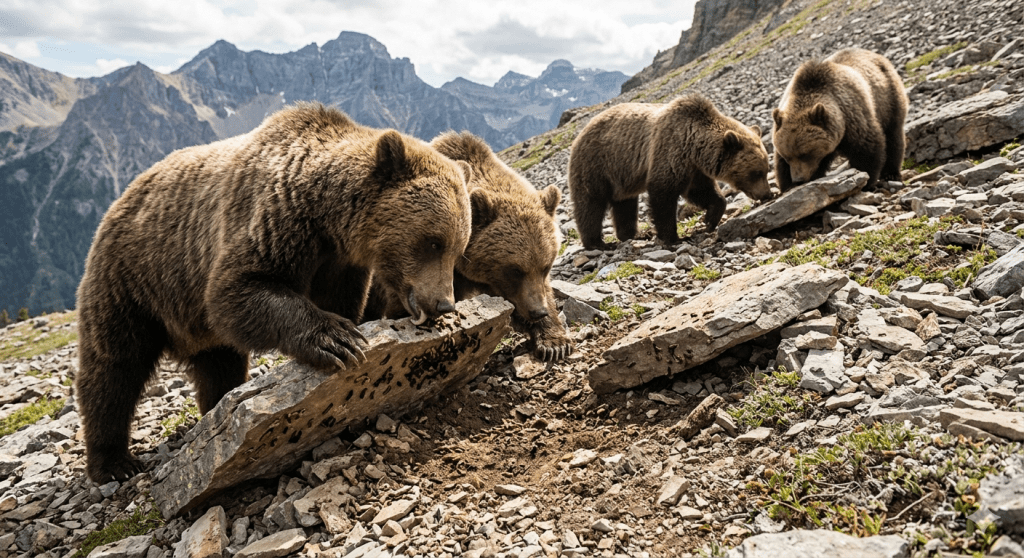
There have been numbers of bear related discourses over time through our local naturalist society registered or otherwise. One formal presentation in 2019 was billed in this writing below, thanks to Francis.
You can contact the registered society at this link. They are always interested in natural interlopers especially photos.
Everyone loves hearing about Grizzly Bears and the presentation by Francis Iredale is especially worth attending. He has been involved in research and radio-tracking of Grizzlies in the southern Chilcotins for many years. The population status and success of this marginal population of Grizzlies is of great concern. These bears spend much time in the high elevation alpine areas and have lifestyles that are somewhat different to those better-known Grizzlies on the BC coast. Not to be missed!
Source Nicola Naturalists
Editor’s Note: we are not the registered society our mandate at kevingriffiths.ca is broader than that…
And a Natural forth coming year in our confederation. 159 onto 160.
Prime Minister of Canada.2030
The Liberal democracy is a great heritage in the Country we inherited from various parties and entities the cooperated with law makers to put together canon of laws and proceedures that keep our rights forfront. The peace of the land is over time established and kept by the rule of law.
One of the great mechanisms is the precept that makes the whole context of a program not in danger of loss when it is assagedby by picking issues that do not materialy effect the outcome of the endever in a material way.Only in a incidental way. We might say the tattler is restrained by the amount of public good shown.
Totalitarian and extremest can not prevail because of the stability of law and its protection by the law. It can”t be made up as we go along.
The rule of law is a fundamental principle in Canada’s legal system. It ensures that all individuals, including the government itself, are subject to and accountable to the law. The principle is based on the belief that everyone is equal before the law and that no one is above it.
In Canada, the rule of law promotes a fair and just society by providing a framework for resolving disputes, protecting individual rights and freedoms, and maintaining order. It establishes the legal framework for citizens to exercise their rights and seek justice through the courts.
The rule of law also requires that laws be clear, accessible, and applied consistently. It prohibits arbitrary exercise of power and ensures that government actions are based on established laws and procedures. This helps to prevent abuse of power and ensures that individuals can rely on the predictability and stability of the legal system.
One of the key aspects of the rule of law is the independence and impartiality of the judiciary. The judiciary plays a vital role in interpreting and applying the law, free from interference or influence. This ensures that decisions are made based on the facts and the law, rather than personal or political considerations.
By upholding the rule of law, Canada promotes a society that values justice, fairness, and the protection of individual rights. It serves as a cornerstone for maintaining peace and stability within the country.
*Note: The content provided above is a generated response, based on general knowledge and information. It may not reflect the specific details or recent developments related to the rule of law in Canada.
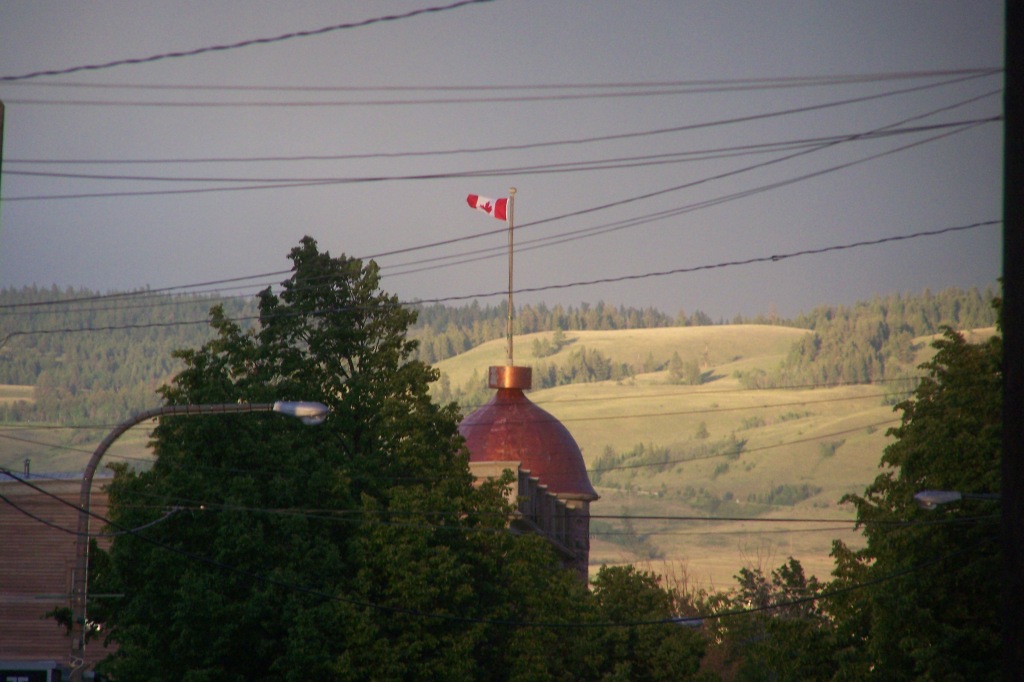
A View point ..
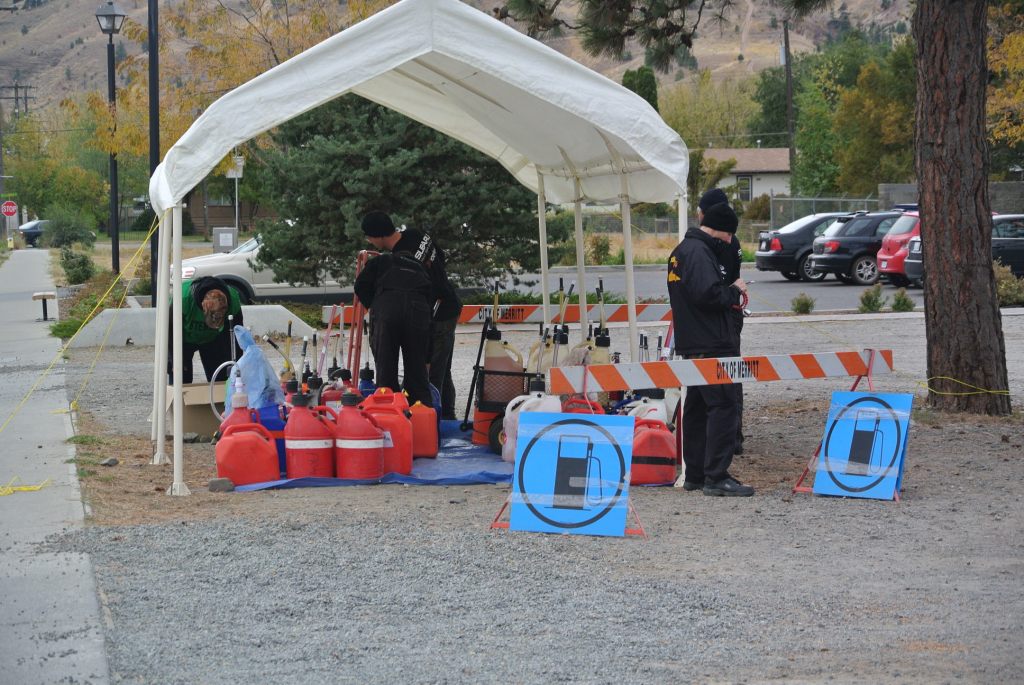
So, The 2010 Olympics in Vancouver saw two experimental hydrogen buses. Powered by hydrogen fuel cells demonstrated for that event. They were put in service. Tags were half a million each. Never seen any for a while. Merritt DC had hydrogen service for fuel-celled powered trucks at the truck. Stop along the showers. They didn’t make shower water out of the hydrogen after they burned it. Sorry but that was a good stretch.

If you’re looking for a history of hydrogen fueling stations operating over decades in Merritt, you might be chasing a bit of a ghost story—or perhaps thinking of early alternative fuels like propane and compressed natural gas (CNG). In reality, there were no historical hydrogen outlets for trucks in Merritt. For decades, the heavy flow of commercial freight and logging trucks moving through the Nicola Valley relied strictly on traditional diesel cardlocks. The technology to use hydrogen as a commercial heavy-duty trucking fuel simply didn’t exist in a viable way in the 20th century, so the infrastructure was never built.That said, hydrogen-powered trucks *are* finally becoming a reality on the highways around Merritt today. Over the last couple of years, companies have begun running commercial pilot projects with Class 8 hydrogen fuel cell trucks, specifically putting them to the test on the steep, grueling climbs of the Coquihalla Highway up to Merritt. Since there isn’t local fueling infrastructure yet, these trucks fuel up at modern stations in the Lower Mainland or Kelowna. They use those single fills to haul massive payloads up the mountain, proving that zero-emission transport can handle B.C.’s demanding interior grades without the severe weight penalties associated with battery-electric trucks.The ultimate outcome here is that Merritt is perfectly positioned for the *future* of freight, rather than having a hidden history of it. While the town doesn’t have a decades-old legacy of dispensing hydrogen, its strategic location at the junction of the Coquihalla, Highway 5, and the Okanagan Connector makes it an inevitable, critical node for B.C.’s emerging commercial hydrogen corridors. You won’t find any vintage hydrogen pumps hidden around town, but you are absolutely going to see more of these high-tech, water-emitting trucks pulling through the valley in the years to come.

Photo: KDG
So, this in the first week of June or so we’re making statements of propriety diligence enjoyment fashion. Just having a cruise through Merritt BC beside the arena parking lot.
That small gas tank is as telling as anything, their enjoyment is a testimony against the unwise of this life that somehow thrive on strife, disruption and conflict.
The tourist association of BC makes a friend with Tumbler Ridge with a great present of $5,000 in a recovery grant for resilience in that community.
Engagement is support with feeling we think. The hands that reach out are the hands that pray thee for success.
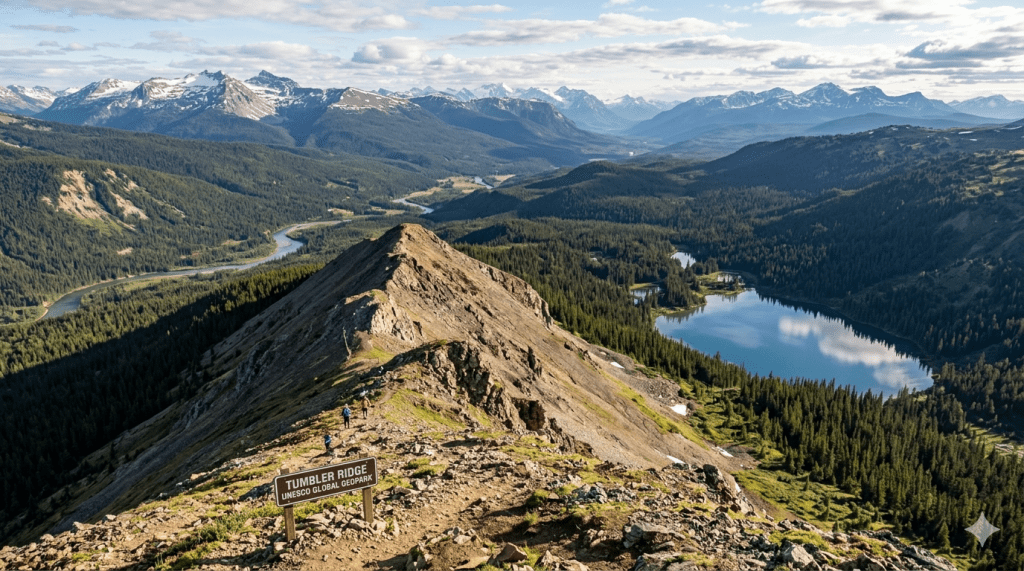
The presentation was to the Tumbler Ridge resiliency fund received by Jesse Olson director of community development. Presented by Clint Fraser CEO of Northwest BC tourist association, via British Columbia tourist association Chief Exec Amber Papou.
Firefighters are incredibly brave and dedicated individuals who put their lives on the line to protect people and property from fires. They are true heroes.
When a fire breaks out, firefighters are the first responders on the scene. They work tirelessly to extinguish the flames, rescue anyone trapped inside, and ensure the safety of everyone involved.
Firefighters undergo extensive training to prepare for their challenging and dangerous job. They learn various firefighting techniques, how to operate firefighting equipment, and how to handle hazardous materials. They also receive medical training to provide emergency medical care to those in need.
In addition to responding to fires, firefighters also play a crucial role in preventing fires through education and fire safety inspections. They teach communities about fire prevention, the importance of smoke alarms, and what to do in case of a fire. By raising awareness and implementing safety measures, firefighters help reduce the risk of fires and protect lives.
Firefighters are always ready to answer the call, regardless of the time or weather conditions. Their commitment, bravery, and selflessness truly make them the backbone of our communities. Let’s appreciate and support these extraordinary individuals who make a profound difference in our lives.
Action day for firefighters
Historically speaking, there isn’t a major emergency or natural disaster tied to **June 22nd** in Kelowna’s firefighting annals. The defining historical wildfire event for the city—the massive Okanagan Mountain Park Fire—didn’t ignite until August of 2003.However,
June 22nd does hold a couple of distinct, modern meanings for firefighting and the local community in Kelowna:### 1. The Kelowna Firefighters “Falcons Night Out” FundraiserIf you are looking at the local calendar for the Kelowna Fire Department or the International Association of Fire Fighters (IAFF) Local 953, **June 22nd** is traditionally anchored as the **Kelowna Falcons Night Out**.Started in 2012 in partnership with the Nonis family (owners of the Kelowna Falcons West Coast League baseball team), this annual June 22nd event is one of the most prominent community fundraisers for the **Kelowna Firefighters Charitable Society**. The evening features: *
with bouncy castles and face painting. * Firefighters competing in games and challenges between baseball innings. * A massive 50/50 draw and a cornerstone summer fireworks show. * All proceeds fund community programs and local families in need.
### 2. Specialized Fire Training
Because the Central Okanagan is an interface zone heavily impacted by wildfire behavior, Kelowna frequently acts as a training hub in the early summer before the core fire season peaks. For instance, the region hosts the specialized **Kelowna Fire Effects Monitoring Workshop** starting on June 22nd. This provincial hands-on training provides firefighting and forestry professionals with technical tools to measure exactly how intense fires impact the terrain over time, shaping future containment strategies.> **Note on a similar historical date:** If you are thinking of a solemn line-of-duty event in the department’s history, it occurs exactly one month later:
On **July 22, 1966**, 27-year-old firefighter **Garry Drachenberg** tragically lost his life when his fire truck overturned during a call. To this day, it remains the first and only line-of-duty fatality suffered by the Kelowna Fire Department since its original volunteer brigade formation in 1905.>
The firesmart program is available in Merritt.
Rebate intake July, check for applications
Up to $2500.00 rebate, see image link on photo.
June 8 to 14 th 2026, the night sky
Magic storms are still a possibility, go to Environment ,Canada Space weather FMI

What are you doing this evening?

Falling in love is effortless—it’s a chemical cascade that happens *to* you. Staying in love, however, is an active choice that requires continuous, deliberate effort. The initial spark eventually gives way to the routine of daily life, where long-term romance transforms from a feeling into a practice. It demands that you show up for your partner even when you are tired, distracted, or annoyed. This means actively choosing to see them, listen to them, and appreciate them long after the novelty has faded. The work of love isn’t about grand, sweeping gestures; it’s found in the quiet discipline of kindness, patience, and the daily decision to remain committed to another person’s happiness alongside your own.At the heart of this enduring commitment is a delicate, ever-shifting balance of give and take. A healthy, lasting relationship rarely operates at a perfect 50/50 split; instead, it fluctuates based on life’s demands. There will be seasons where one partner is overwhelmed, stressed, or grieving, requiring the other to step up and carry 80% of the emotional weight. The crucial element is reciprocity over time. True compromise isn’t about keeping a rigid scorecard of who did what; it is about a mutual willingness to yield. It means learning to balance your individual needs with the collective health of the relationship, ensuring that neither partner feels chronically depleted or taken for granted.To sustain love permanently, couples must intentionalize strategies that protect their bond from emotional drift. First and foremost is cultivating emotional responsiveness—acknowledging your partner’s small attempts to connect, whether through a brief text, a shared glance, or a casual comment. Second, couples must master the art of “repair.” Arguments are inevitable, but the ability to apologize sincerely and move past conflict without harboring resentment is what prevents emotional erosion. Finally, permanent love requires a commitment to continuous discovery. People change over decades, and staying in love means consistently dating the person your partner is becoming, ensuring that your connection evolves rather than stagnates.

Gone extinct
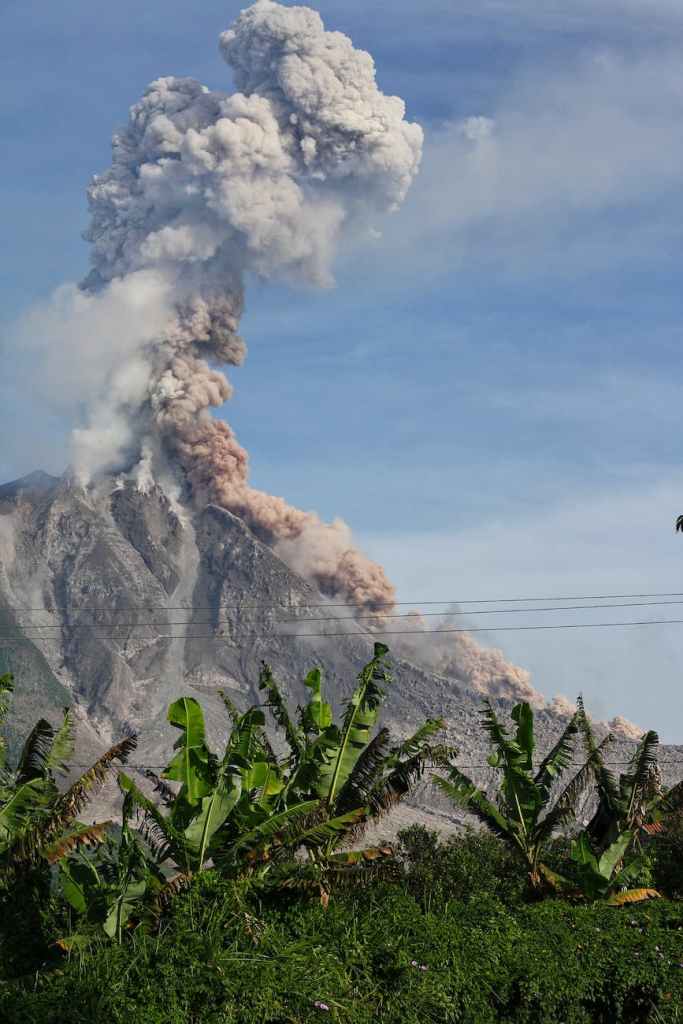
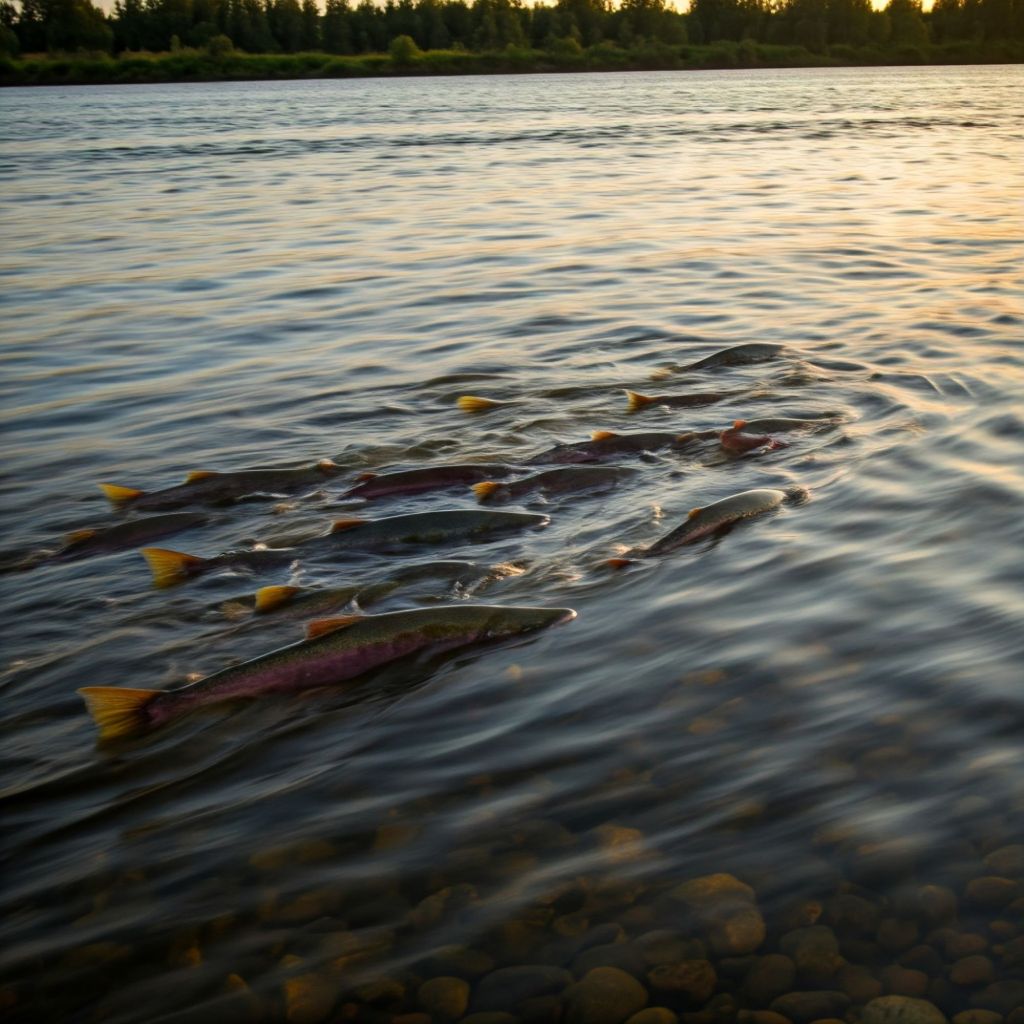
While Canada hasn’t lost any high-profile megafauna like grizzly bears or caribou entirely to global extinction in the last 50 years, several unique, localized species and distinct populations have completely vanished from the country.
While we commonly think of water as having three stages (solid, liquid, and gas), the “fourth stage of water” often refers to plasma when discussing the fundamental states of matter. However, within the context of water specifically, it’s more nuanced.
Here’s a breakdown:
* Solid (Ice): Water molecules are rigidly bound in a crystal lattice.
* Liquid (Water): Molecules are more loosely bound and can move past each other.
* Gas (Steam/Water Vapor): Molecules are far apart and move randomly.
When people talk about a “fourth stage of water,” they might be referring to a few different concepts:
* Plasma: If you heat water vapor to extremely high temperatures, the molecules can break apart, and the atoms can become ionized (electrons are stripped from the nuclei). This superheated, ionized gas is plasma, which is indeed considered the fourth fundamental state of matter. This is not a common state for water under everyday conditions.
* Supercritical Fluid: At very high temperatures and pressures (above its critical point), water can exist as a supercritical fluid. In this state, it has properties of both a liquid and a gas, diffusing like a gas but dissolving substances like a liquid. While distinct, it’s generally considered an extension of the fluid phase rather than a completely separate “stage” in the same way solid, liquid, and gas are.
* Exclusion Zone (EZ) Water / Structured Water: This is a more controversial concept, primarily popularized by Dr. Gerald Pollack. He proposes that water adjacent to hydrophilic surfaces can form a structured, ordered layer with different properties than bulk water. He sometimes refers to this as “EZ water” or “structured water” and suggests it acts like a liquid crystal, having a more ordered hexagonal structure. While intriguing, this concept is still an area of active research and not universally accepted as a distinct “fourth phase” in the traditional scientific sense.
In summary, if you’re looking for the generally accepted “fourth state of matter” in the scientific community that water can achieve under extreme conditions, it’s plasma. However, if you encounter the term in other contexts, it could refer to supercritical water or the more speculative “EZ water.”

The Nicola Valley Institute of Technology (NVIT) was founded in 1983 as a private institute by the five First Nations bands of the Nicola Valley—the Coldwater, Lower Nicola, Nooaitch, Shackan, and Upper Nicola bands. Created out of a vision to provide a meaningful space where Indigenous people could thrive in higher education, it initially opened its doors to just 13 learners in a specialized forestry program. In 1995, the institution achieved a major milestone when it was officially designated as a Provincial Institute under the British Columbia College and Institute Act, making it BC’s only public, Indigenous-led post-secondary institution. Today, it operates two main physical campuses—the primary Eagles Perch campus in Merritt and an urban site in Burnaby—while simultaneously delivering mobile, community-based education directly to over 35 distinct Indigenous communities across the province.The institution’s governance and modern student body directly mirror its founding values and unique public mandate. Fully governed by a First Nations Board of Governors and deeply supported by a dedicated Elders’ Council, NVIT operates under an Indigenous-led administrative structure designed to keep curriculum and student services learner-centered and culturally grounded. The student population has grown to approximately 1,500 learners annually, with individuals representing nearly 70% of all First Nations communities in British Columbia, alongside a smaller segment of non-Indigenous students from local regional school districts. Over the decades, NVIT’s expanding network of alumni has produced influential community leaders, environmental technologists, health care workers, and business professionals. Many of these graduates transition directly into roles within First Nations governance, resource management, and social services, carrying forward credentials ranging from specialized certificates to joint Master of Business Administration degrees explicitly tailored for Indigenous cohorts.

Hey Merit what do you say?


 Kevin Griffiths
 percypaschal
 The Proprietor Review